Understanding Consumer Reports Extended Car Warranty Ratings and Recommendations
Consumer Reports does not provide direct, star-based "ratings" for third-party extended car warranty companies in the same way they evaluate consumer appliances or automobiles. Instead, the organization consistently advises against pur...
Consumer Reports does not provide direct, star-based "ratings" for third-party extended car warranty companies in the same way they evaluate consumer appliances or automobiles. Instead, the organization consistently advises against purchasing these contracts, citing frequent consumer complaints, excessive costs, and restrictive coverage terms. Their guidance emphasizes that self-insuring through a dedicated savings account is often the most financially sound path for vehicle owners.
Contents
The Stance of Consumer Reports on Extended Warranties
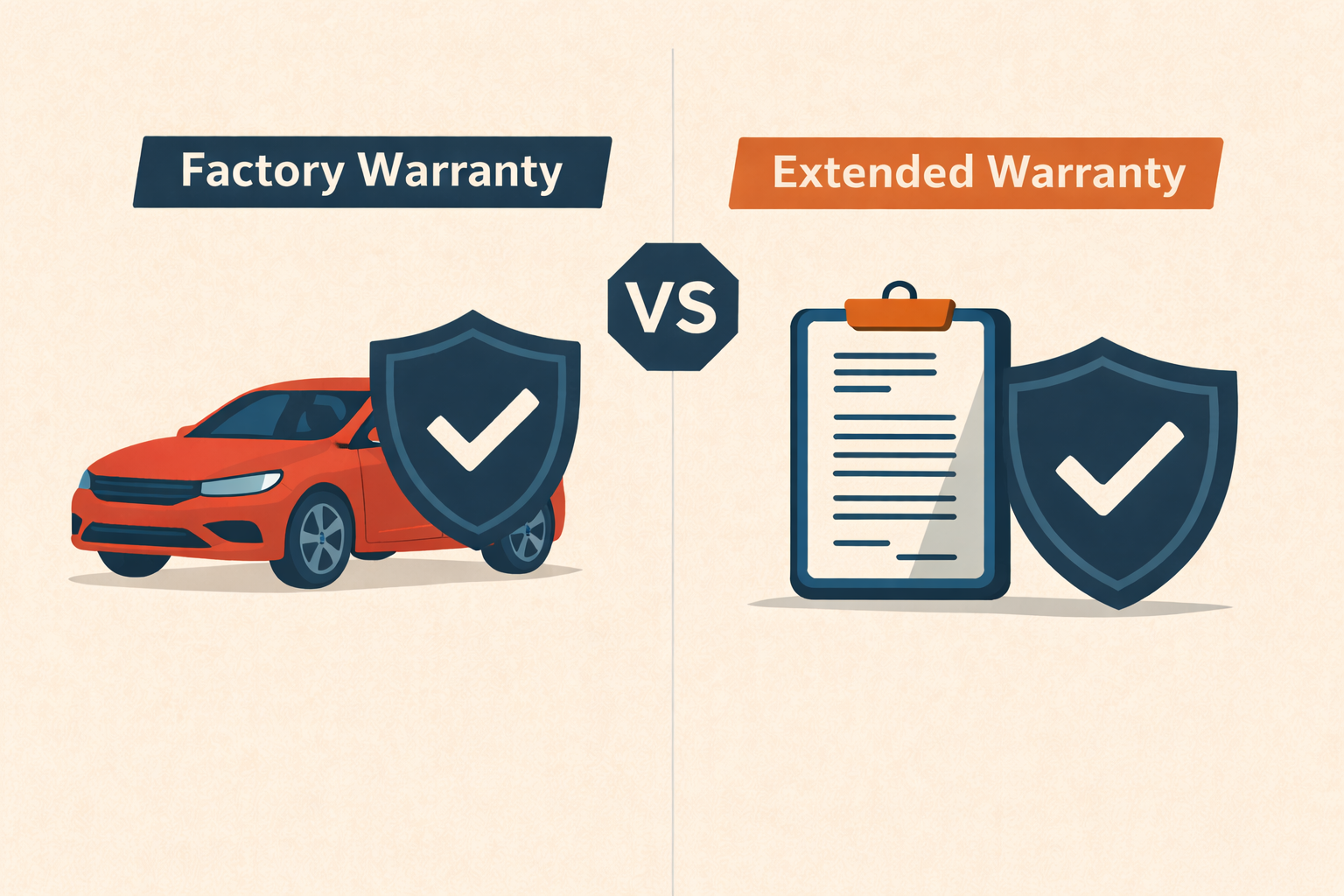
The perspective offered by Consumer Reports is grounded in years of survey data and consumer feedback regarding vehicle ownership costs. When the organization discusses "extended warranties"—technically classified as vehicle service contracts (VSCs)—it distinguishes between manufacturer-backed plans and independent, third-party policies.
Consumer Reports consistently reports that the vast majority of owners who purchase an extended warranty never use the coverage to a degree that justifies the upfront cost. Their analysis suggests that for most reliable vehicle makes and models, the probability of encountering a repair expense that exceeds the price of the policy is low. Furthermore, when issues do arise, the organization notes that many consumers encounter significant friction during the claims process, often involving denied repairs, disputes over pre-existing conditions, or limitations on which repair shops are authorized to perform the work.
Distinguishing Manufacturer Plans from Third-Party Providers
A critical distinction in this sector is the difference between an extended warranty issued by an automaker and one sold by a third-party administrator (TPA) or marketer.
- Manufacturer-Backed Plans: Often referred to as "extended service contracts," these are sold by the automaker. They are typically honored at any authorized dealership within the brand's network. Consumer Reports generally views these as more reliable in terms of coverage integrity, though they remain skeptical of the overall value proposition unless the vehicle is known for chronic, high-cost electronic or powertrain failures.
- Third-Party Providers: These companies often conduct aggressive marketing campaigns promising comprehensive coverage for any vehicle at any mileage. Consumer Reports warns that these plans are frequently sold by entities that do not actually hold the financial risk; instead, they act as brokers. The underlying contract is often backed by an insurance company that may or may not provide the level of service promised by the salesperson.
Key Factors Evaluated by Consumers
When deciding whether to ignore the cautionary stance of consumer advocacy groups and move forward with an extended warranty purchase, owners should evaluate several technical and financial variables.
1. Coverage Scope and Exclusions
"Bumper-to-bumper" is a marketing term, not a legal definition. Consumers must read the "Exclusions" section of the contract. Many plans exclude wearable items such as brake pads, belts, hoses, and batteries, but more concerning are exclusions for modern vehicle features like advanced driver-assistance systems (ADAS), infotainment touchscreens, and complex sensor arrays. In 2026, as vehicle technology becomes increasingly integrated, the cost to replace a single LiDAR sensor or digital cockpit module can be substantial, making the specific list of excluded components the most important document in the contract.
2. The Deductible Structure
Contracts often offer varying deductible levels—usually $0, $50, $100, or $250. A higher deductible will lower the premium but may make the policy useless for minor, nuisance repairs that are common in aging vehicles.
3. Transferability and Cancellation
If you sell the vehicle before the contract term ends, a transferable warranty can technically increase the resale value. However, the process for transferring the contract often involves fees and strict timelines. Conversely, understanding the "pro-rata" cancellation policy is essential; if you decide to cancel a multi-year policy after six months, you may receive only a partial refund, often minus administrative fees.
Comparative Analysis of Warranty Procurement Channels
| Feature | Manufacturer-Backed Plan | Third-Party Administrator |
|---|---|---|
| Repair Facility | Authorized Dealerships | Varies (Often any ASE-certified shop) |
| Part Quality | OEM (Original Equipment) | Often Aftermarket/Remanufactured |
| Pricing Stability | Usually Fixed/Set by Brand | Variable (Commission-based) |
| Claims Approval | Integrated with Dealer System | Often requires pre-authorization |
| Consumer Sentiment | Generally higher trust | Frequently high complaint volume |
The Financial Reality of Self-Insurance
Consumer Reports frequently highlights the "Self-Insurance" method as an alternative to purchasing a policy. This involves taking the amount you would have spent on an extended warranty—often ranging from $1,500 to $3,500—and placing it into a high-yield savings account or a dedicated emergency fund.
If your vehicle requires a repair, you use those funds. If your vehicle proves reliable and requires no major repairs throughout its life, that money remains in your possession rather than in the coffers of an insurance company. This strategy preserves your capital and provides flexibility, as you are not tied to specific repair networks or complex approval processes.
Common Pitfalls and Troubleshooting
Many of the complaints tracked by organizations like Consumer Reports stem from misaligned expectations during the claims process. To mitigate risk, owners should consider these proactive steps:
- Verify the Obligor: Before signing, confirm the name of the company legally responsible for the contract. Check the financial stability of the actual insurance carrier backing the contract, not just the marketing company selling it.
- Request a Sample Contract: Never rely on the sales brochure. Demand a "specimen contract" that outlines the exact terms and conditions. If a company refuses to provide this before purchase, it is a significant red flag.
- Check for "Steering": Some policies restrict you to specific repair networks. Ensure that your preferred mechanic—if you have one—is willing to work with the warranty administrator.
- Confirm Documentation Procedures: Understand exactly what proof of maintenance is required. Many providers will deny a claim for a failed engine if you cannot produce records of every oil change performed over the life of the vehicle.
Frequently Asked Questions
Does Consumer Reports recommend any specific third-party warranty companies? No. Consumer Reports does not rank or certify individual third-party warranty companies. They maintain that the industry is prone to high costs and difficult claims processes, suggesting that consumers should avoid these products regardless of the specific provider.
Why do dealerships push extended warranties so hard? Dealerships often receive significant commissions for selling these policies. They are highly profitable products for the finance and insurance (F&I) department, which is why sales staff may use high-pressure tactics or bundle the cost into your monthly car payment to make it seem less expensive.
Are extended warranties worth it for luxury vehicles? While luxury vehicles often have higher repair costs, they also have complex systems that are frequently excluded from third-party plans. If you purchase an extended plan for a luxury vehicle, it is almost always safer to buy the manufacturer’s own extended service contract rather than a third-party policy.
What should I do if my claim is denied? If a claim is denied, request the specific section of the contract that justifies the denial in writing. If you believe the denial is unfair, escalate the issue through the company's formal dispute resolution process and consider filing a complaint with your state’s Department of Insurance or Attorney General’s office.
Is it possible to buy an extended warranty after the factory warranty expires? Yes, but it is generally more expensive and requires a vehicle inspection. Most providers will want to ensure the vehicle is in good working order before they assume the risk of insuring it.
Recommendation for Vehicle Owners
Before considering an extended warranty, research the long-term reliability scores for your specific vehicle make and model. If you own a brand consistently rated for high reliability, the statistical likelihood of requiring expensive repairs is low, making the self-insurance model the most logical path. If you own a vehicle with known, high-cost failure points, and you decide you must have coverage, prioritize the manufacturer-backed extended service contract over any third-party alternative. Always demand the full contract documentation and read the exclusions carefully before providing any payment information.
Image Gallery