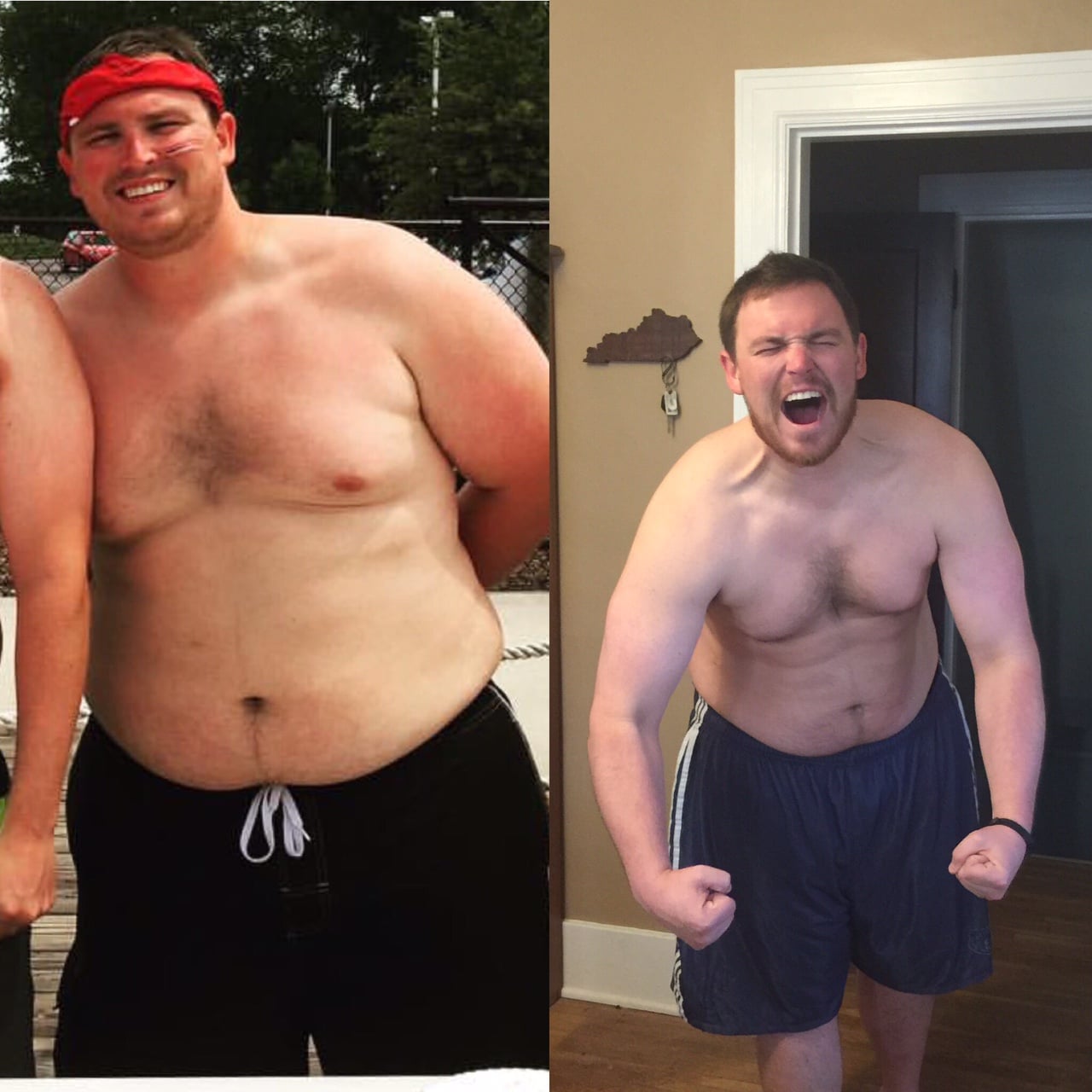
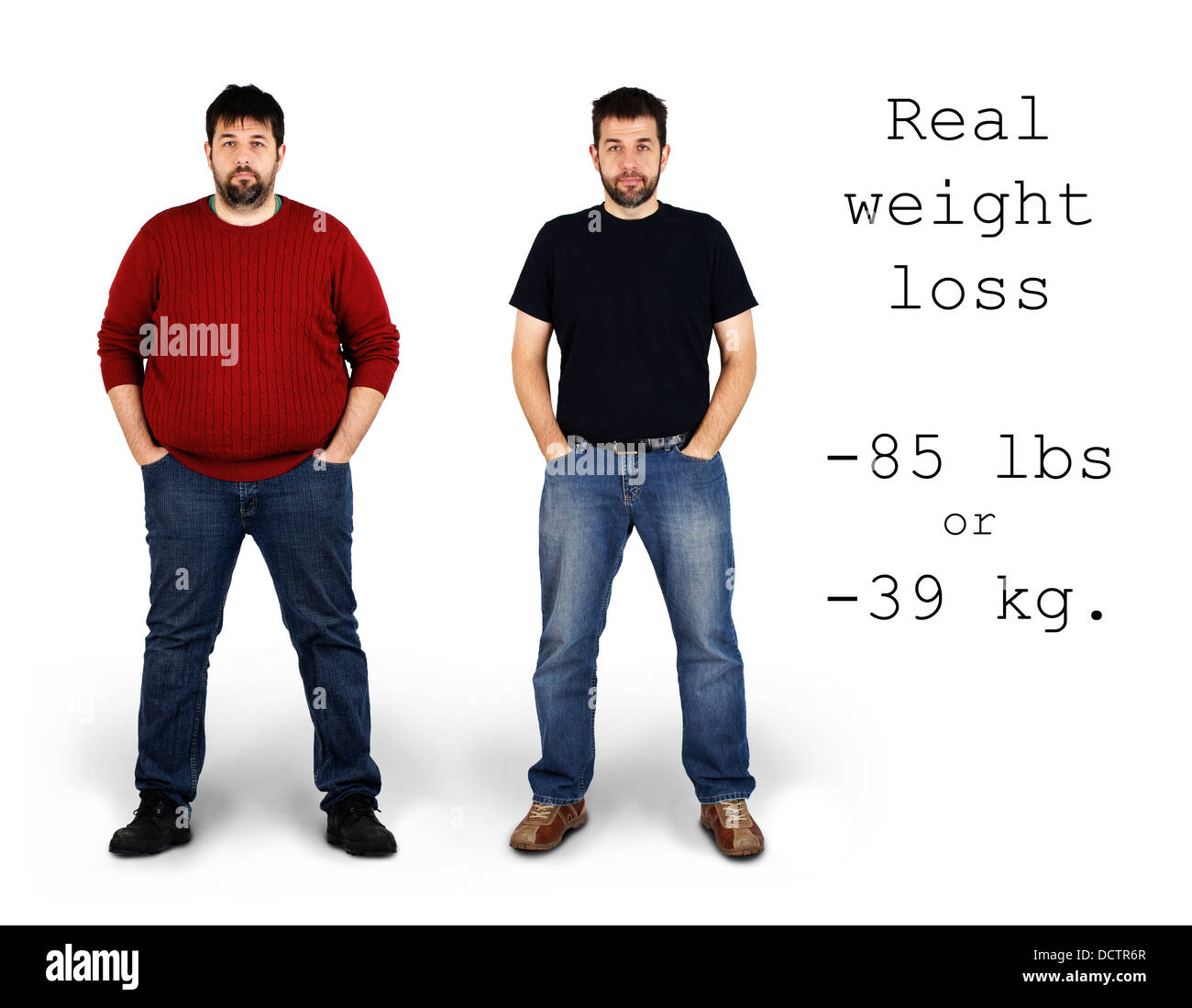
The Reality of Before and After Extreme Weight Loss: A Comprehensive Guide
Extreme weight loss transformations involve a fundamental biological and psychological overhaul that extends far beyond the visual "before and after" comparison. Success in losing 100 pounds or more requires a multi-phased approach inv...
Extreme weight loss transformations involve a fundamental biological and psychological overhaul that extends far beyond the visual "before and after" comparison. Success in losing 100 pounds or more requires a multi-phased approach involving metabolic stabilization, nutritional precision, and, frequently, medical intervention through pharmacology or bariatric surgery.
Contents
Achieving a significant weight reduction is an arduous journey that changes the body’s hormonal landscape and physical structure. For those pursuing "before after extreme weight loss" results, the process is rarely linear. As of 2026, the medical community views extreme weight loss (EWL) not merely as a matter of willpower, but as a complex treatment of a chronic metabolic condition. This guide examines the physiological mechanisms, the methods used to achieve radical transformations, and the often-overlooked realities of the "after" phase, including skin management and metabolic maintenance.
The Mechanisms of Extreme Weight Loss
Extreme weight loss is generally defined as the loss of 50% or more of excess body weight or a reduction of over 100 pounds. To achieve this, the body must remain in a sustained caloric deficit for an extended period, often 12 to 24 months. However, the body is evolutionarily programmed to resist such changes through a process known as adaptive thermogenesis.
Metabolic Adaptation and the "Set Point"
When an individual undergoes extreme weight loss, the resting metabolic rate (RMR) often drops more significantly than can be explained by the loss of body mass alone. The body perceives rapid fat loss as a starvation threat and responds by increasing the hunger hormone, ghrelin, and decreasing the satiety hormone, leptin. This creates a "metabolic gap" where the individual feels hungrier while burning fewer calories than someone of the same weight who has never been obese.
Research into the "set point" theory suggests the body attempts to return to its highest sustained weight. Overcoming this requires long-term intervention to "reset" the metabolic threshold, a process that is much more complex than simple "calories in, calories out" (CICO) modeling.
Body Composition Shifts
A major risk during the "before to after" transition is the loss of lean muscle mass. During extreme caloric restriction, the body may catabolize muscle tissue for energy. Maintaining a high protein intake and engaging in progressive resistance training are critical to ensure that the weight lost is primarily adipose tissue (fat) rather than skeletal muscle, which is vital for maintaining metabolic health and physical functional capacity.
Modern Methods for Achieving Extreme Results
By 2026, the landscape of weight loss has shifted from purely lifestyle-based interventions to a combination of high-efficacy pharmacology, advanced surgical techniques, and data-driven nutrition.
GLP-1 and Dual/Triple Agonist Medications
The most significant shift in the "before and after" narrative has been the widespread adoption of GLP-1 (glucagon-like peptide-1) receptor agonists and newer multi-agonists. These medications, such as Tirzepatide and the newer Retatrutide, mimic hormones that target the brain's reward centers and the digestive system. They slow gastric emptying and significantly reduce the "food noise" that often leads to overeating. These tools have made 20% to 25% total body weight loss achievable for many who previously struggled with traditional dieting.
Bariatric Surgery Advancements
For those with a BMI over 40 (or 35 with comorbidities), bariatric surgery remains a gold standard for permanent transformation. Common procedures include:
- Sleeve Gastrectomy: Removing approximately 80% of the stomach, which limits food intake and reduces ghrelin production.
- Roux-en-Y Gastric Bypass: Creating a small stomach pouch and rerouting the small intestine, providing both restrictive and malabsorptive benefits.
- Biliopancreatic Diversion with Duodenal Switch (BPD/DS): A more complex procedure often reserved for extreme cases of super-obesity (BMI >50).
Structured Lifestyle Intervention
Even with medical or surgical aid, the "after" cannot be maintained without a structural change in habits. This involves a shift toward a whole-food, high-protein diet and the elimination of ultra-processed foods that bypass natural satiety signals.
The Physical Reality: Excess Skin and Body Contouring
The visual "after" of extreme weight loss is frequently complicated by the presence of redundant or "loose" skin. Skin has a limited degree of elasticity; once stretched beyond its breaking point for an extended period—common in cases of severe obesity—the underlying elastin and collagen fibers are damaged.
Factors Influencing Skin Retraction
- Age: Younger skin has higher collagen density and better "snap-back" potential.
- Genetics: Individual genetic markers determine the inherent elasticity of the dermis.
- Rate of Loss: While rapid loss is often necessary for health, it gives the skin less time to adapt to the shrinking underlying volume.
- Smoking Status: Nicotine use significantly impairs skin health and surgical healing.
Post-Weight Loss Reconstructive Surgery
For many, the final stage of the "before after extreme weight loss" journey is body contouring. These are not cosmetic procedures in the traditional sense but are often medically necessary to prevent chronic skin infections (intertrigo), rashes, and mobility issues.
| Procedure | Target Area | Description |
|---|---|---|
| Panniculectomy | Lower Abdomen | Removal of the "apron" of excess skin (pannus) below the navel. |
| Abdominoplasty | Full Midsection | Removal of excess skin plus tightening of the abdominal muscles. |
| Brachioplasty | Upper Arms | Removal of redundant skin on the underside of the arms ("bat wings"). |
| Mastopexy | Breasts | Lifting and reshaping breast tissue after significant volume loss. |
| Lower Body Lift | Hips, Buttocks, Thighs | A circumferential incision to lift the entire lower half of the body. |
Psychological Impact and the "Brain Lag"
One of the least discussed aspects of extreme weight loss is the psychological transition. Many individuals experience "body dysmorphia," where their brain fails to update its internal map of their physical size.
The Phantom Weight Phenomenon
Individuals who have lost 100+ pounds often report still "feeling" large. They may automatically turn sideways to pass through wide doors or attempt to buy clothing sizes that are far too big. This cognitive lag can take years to resolve and often requires cognitive behavioral therapy (CBT) to align the person's self-image with their new physical reality.
Social and Relationship Dynamics
The "after" phase often brings unexpected social challenges. Friends or family members may struggle with the individual’s new identity, or "sabotage" their efforts by encouraging old eating habits. Conversely, the individual may find that they are treated with more "thin privilege"—a jarring experience that can lead to resentment regarding how they were treated when they were at a higher weight.
Critical Comparison: Weight Loss Methods
| Feature | Lifestyle Only | GLP-1 Medications | Bariatric Surgery |
|---|---|---|---|
| Average Weight Loss | 5%–10% | 15%–25% | 25%–35%+ |
| Time to Results | Slow (Years) | Moderate (6–12 months) | Rapid (First 6 months) |
| Cost (2026) | Low | High (Monthly) | High (One-time) |
| Invasiveness | Non-invasive | Minimally (Injection) | High (Surgical) |
| Main Risk | High Rebound Rate | Muscle Loss / GI issues | Nutritional Deficiency |
Medical Considerations and Safety
Extreme weight loss is a significant physiological stressor. Individuals undergoing this transition must be monitored by healthcare professionals for several potential complications:
- Gallstones: Rapid weight loss causes the liver to secrete extra cholesterol into bile, which can lead to stone formation.
- Nutrient Deficiencies: Specifically in Vitamin B12, Iron, Vitamin D, and Protein.
- Orthostatic Hypotension: A drop in blood pressure when standing, often due to changes in vascular volume.
- Hair Loss (Telogen Effluvium): Temporary hair thinning caused by the body shifting resources away from non-essential functions during the weight loss stress.
Disclaimer: This information is for educational purposes and does not constitute medical advice. Always consult a physician before beginning an extreme weight loss regimen or undergoing surgical procedures.
Frequently Asked Questions
How long does it take to see "extreme" results?
Visible transformation usually begins within the first 3 to 6 months, but a "total" transformation (100+ lbs) typically takes 12 to 24 months. The body needs this time to safely metabolize fat stores without causing overwhelming stress to the kidneys and liver. Consistent, steady loss of 1–2% of body weight per week is considered the gold standard for safety and sustainability.
Will I definitely have loose skin after losing 100 pounds?
While not everyone has severe loose skin, the majority of people who lose over 100 pounds will experience some degree of skin laxity. Factors like the duration of obesity and age play the largest roles. Hydration and strength training can improve the appearance of the skin by filling the void with muscle, but they cannot "shrink" skin that has lost its internal elastic structure.
Is weight loss surgery safer than staying obese?
For those with a BMI over 35-40, clinical data consistently shows that the long-term health risks of morbid obesity (including Type 2 diabetes, cardiovascular disease, and certain cancers) far outweigh the surgical risks of modern bariatric procedures. By 2026, mortality rates for bariatric surgery are lower than those for common procedures like gallbladder removal.
Can I maintain extreme weight loss without medication?
Maintenance is the most difficult phase. While some individuals maintain weight loss through strict lifestyle adherence alone, many benefit from "maintenance doses" of weight-loss medications or ongoing clinical support. Statistics suggest that without a structured maintenance plan, approximately 80% of individuals regain a significant portion of the weight within five years.
What is the most important factor in a "before and after" success story?
Consistency and medical supervision. Success stories almost always involve a shift in identity—viewing oneself as an athlete or a health-conscious individual—rather than just "someone on a diet." The most successful transformations prioritize protein intake, daily movement, and mental health support to manage the emotional changes that accompany physical shrinkage.
Next Steps for Your Transformation
If you are beginning an extreme weight loss journey, your first step should be a comprehensive metabolic panel and a consultation with a bariatric specialist or an endocrinologist. Establish a baseline for your cardiovascular health, hormone levels, and nutritional status. Focus on building a "support scaffold" that includes a registered dietitian, a trainer familiar with high-weight clients, and a mental health professional. Remember that the "after" is a lifelong commitment to maintenance, not a destination where effort ends.
Image Gallery