Seth Rogen Nobody Wants This: Why the Meme Misses the Mark
The viral discourse surrounding Seth Rogen and the Netflix series Nobody Wants This stems from a fundamental misunderstanding of the show’s creative intent, casting, and genre conventions. While social media users frequently juxtaposed...
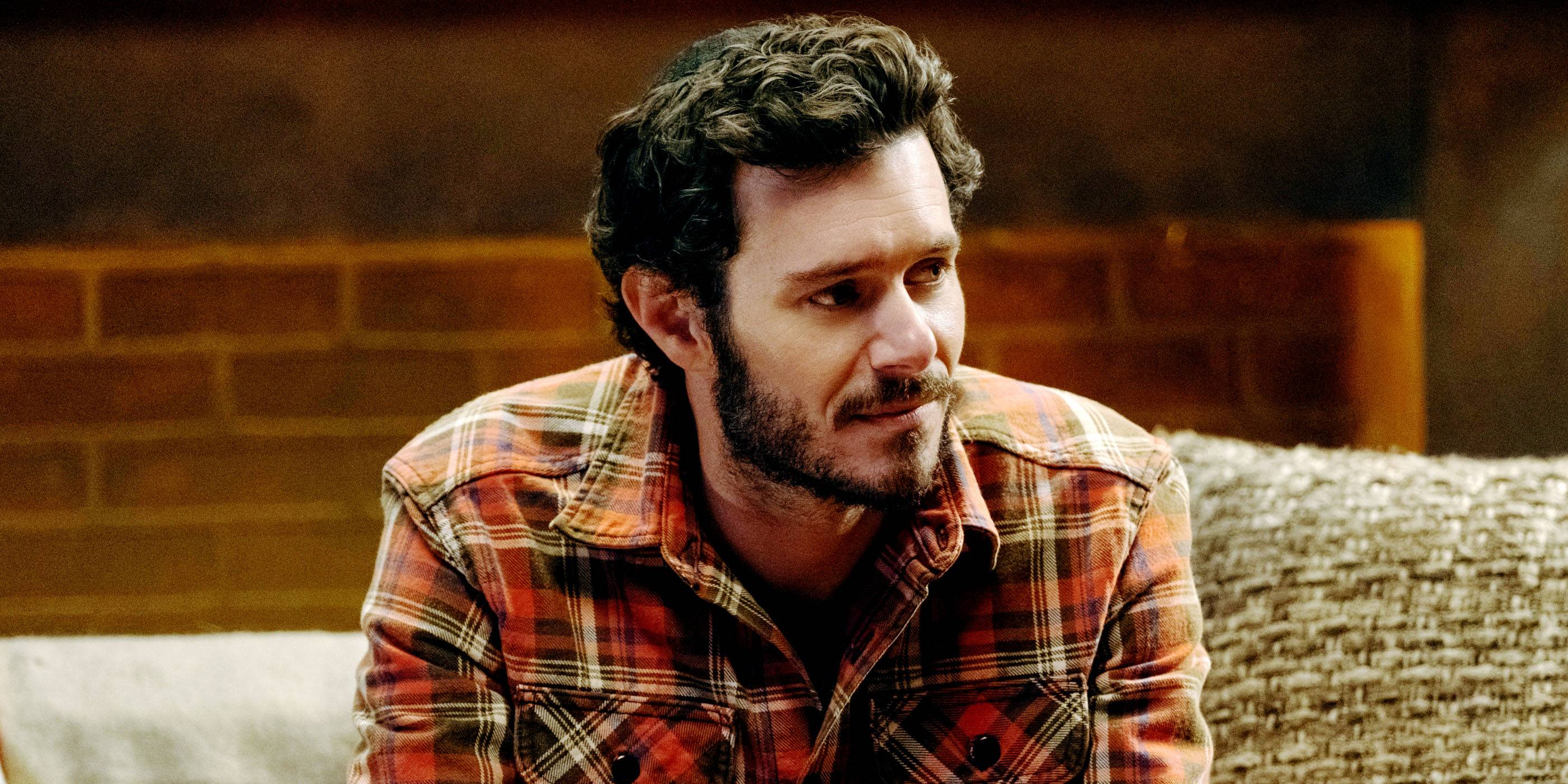
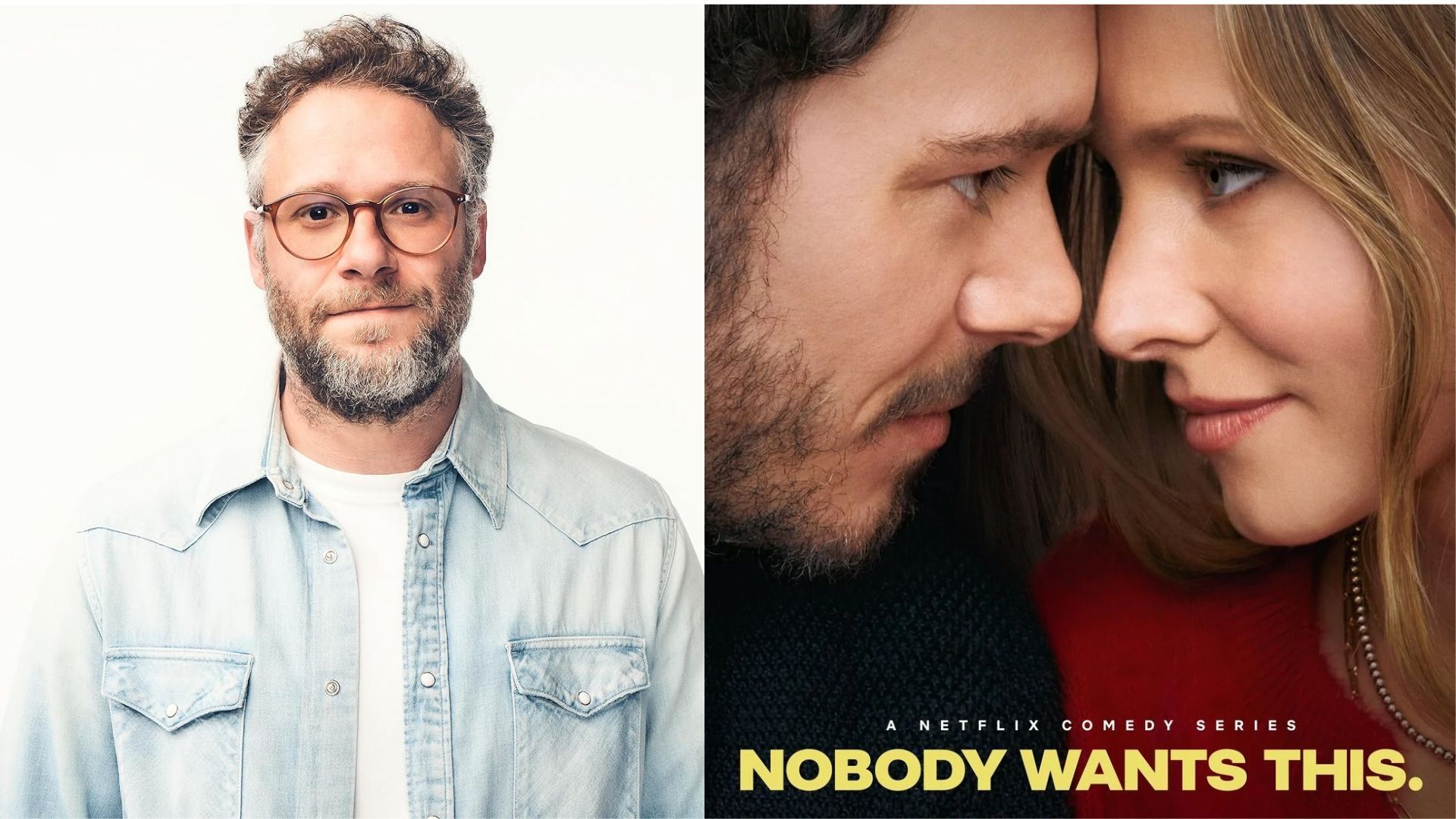
The viral discourse surrounding Seth Rogen and the Netflix series Nobody Wants This stems from a fundamental misunderstanding of the show’s creative intent, casting, and genre conventions. While social media users frequently juxtaposed Rogen’s public persona against the romantic lead played by Adam Brody, the "meme" failed because it critiqued a casting choice that was never intended to replicate Rogen’s specific brand of "slacker-stoner" comedy, instead opting for a traditional romantic lead archetype.
Contents
Deconstructing the Viral Sentiment
In late 2024 and early 2025, a wave of social media commentary emerged, centering on the idea that Nobody Wants This would have been a more "authentic" or "realistic" project if it had featured Seth Rogen in the role of the unconventional partner. This meme gained traction primarily on platforms like X (formerly Twitter) and TikTok, where users speculated that Rogen’s inclusion would have injected a necessary dose of cynical, self-deprecating humor into the show’s polished aesthetic.
The core of the "miss" in this meme lies in the target audience's projection. The meme assumed that the series was attempting to be a subversive deconstruction of the romantic comedy genre. However, as the series unfolded, it became clear that Nobody Wants This was designed as a classic, high-production-value "rom-com" that relies on the "good-guy" charm of Adam Brody. By attempting to insert Rogen into a role that relies on a specific type of leading-man charisma, the internet discourse ignored the actual structural requirements of the show’s narrative arc.
The Genre Disconnect: Why Casting Choices Matter
To understand why the meme failed to gain traction with critics, one must look at the specific requirements of the romantic comedy genre as it exists in the mid-2020s streaming landscape. Romantic leads are tasked with balancing vulnerability with an idealized sense of aspiration.
Seth Rogen’s career, defined by the "Apatow-era" comedy style, relies on characters who are intentionally relatable, messy, and often physically unrefined. Conversely, the character of Noah in Nobody Wants This—a rabbi who is both emotionally available and traditionally attractive—functions as an aspirational figure.
Comparison of Leading Archetypes
The following table highlights the difference between the "Apatow-style" lead and the "Streamer-Rom-Com" lead, clarifying why the suggested casting swap was stylistically incompatible.
| Feature | Apatow-Style Lead (e.g., Rogen) | Streaming Rom-Com Lead (e.g., Brody) |
|---|---|---|
| Primary Appeal | Relatability and anti-heroism | Aspirational charm and reliability |
| Humor Style | Improv-heavy, profane, absurd | Witty dialogue, situational irony |
| Character Arc | Growth from immaturity to stability | Navigating external pressures for love |
| Visual Aesthetic | Naturalistic and "everyman" | Stylized, manicured, and polished |
The Role of Cultural Projection in Memes
The meme also suffered from a lack of demographic awareness. The audience for Nobody Wants This overlapped significantly with fans of the 2000s "indie-pop" aesthetic, a demographic that views Adam Brody—famously known for his role as Seth Cohen in The O.C.—with deep nostalgia.
When users demanded a Rogen-led version of the show, they were essentially demanding an entirely different genre of television. The meme missed the mark because it mistook the setting of the show (a modern, secular-religious relationship drama) for the tone of the show (a lighthearted, earnest romantic narrative). Rogen’s presence would have inevitably shifted the tone toward satire, which would have required rewriting the entire script to accommodate his specific rhythm of comedic delivery.
Analytical Failures of the Online Critique
Why did this specific meme gain so much momentum despite being fundamentally flawed? The answer lies in the echo-chamber effect of modern algorithm-driven content.
- The "Main Character" Syndrome: Internet users often force their favorite actors into roles they perceive as "under-served" or "under-represented."
- Surface-Level Observation: The meme was based on a single trailer aesthetic rather than the finished product.
- Genre Blindness: Many proponents of the meme expressed a dislike for the "earnest" nature of modern rom-coms, using Rogen as a proxy to express their desire for a grittier or more cynical viewing experience.
By the time viewers had collectively engaged with the full season, the meme had already become a relic of pre-release speculation. The disconnect between the meme’s "what if" scenario and the show’s actual delivery created a dissonance that ultimately alienated the show’s actual target audience while failing to satisfy the critics who wanted a darker comedy.
Frequently Asked Questions
Why is Seth Rogen often the subject of "replacement" memes?
Seth Rogen represents a specific era of mid-2000s comedy that remains a cultural touchstone. Because his comedic style is so distinct, users often place him in various scenarios to see how his brand of humor would contrast with "straight-laced" settings.
Did Seth Rogen respond to the "Nobody Wants This" meme?
There is no verified evidence that Seth Rogen officially addressed the specific discourse surrounding Nobody Wants This. It is common practice for A-list actors to avoid commenting on speculative internet casting memes unless they are actively involved in a project.
Was the show actually criticized for its casting?
While the show received polarized reviews, the criticism was generally directed at the writing, pacing, and the depiction of religious tensions, rather than the performance of the lead actors themselves.
How do casting directors view online fan-casting?
Professional casting directors rarely monitor or integrate internet memes into their decision-making processes. Casting is a complex financial and creative decision-making process involving chemistry reads, availability, and the specific "brand" a streamer wants for a particular show.
Next Actions for Media Consumers
If you find yourself frequently engaged in these types of internet discourse cycles, the best approach is to wait until the full project is released before forming a critique. Engaging with a show on its own terms—rather than what you wish it were—allows for a more accurate assessment of its success or failure. If you are looking for content that features Rogen’s specific comedic style, seek out projects where he serves as both an actor and a producer, as these are the environments where his creative signature is most clearly defined.
Image Gallery