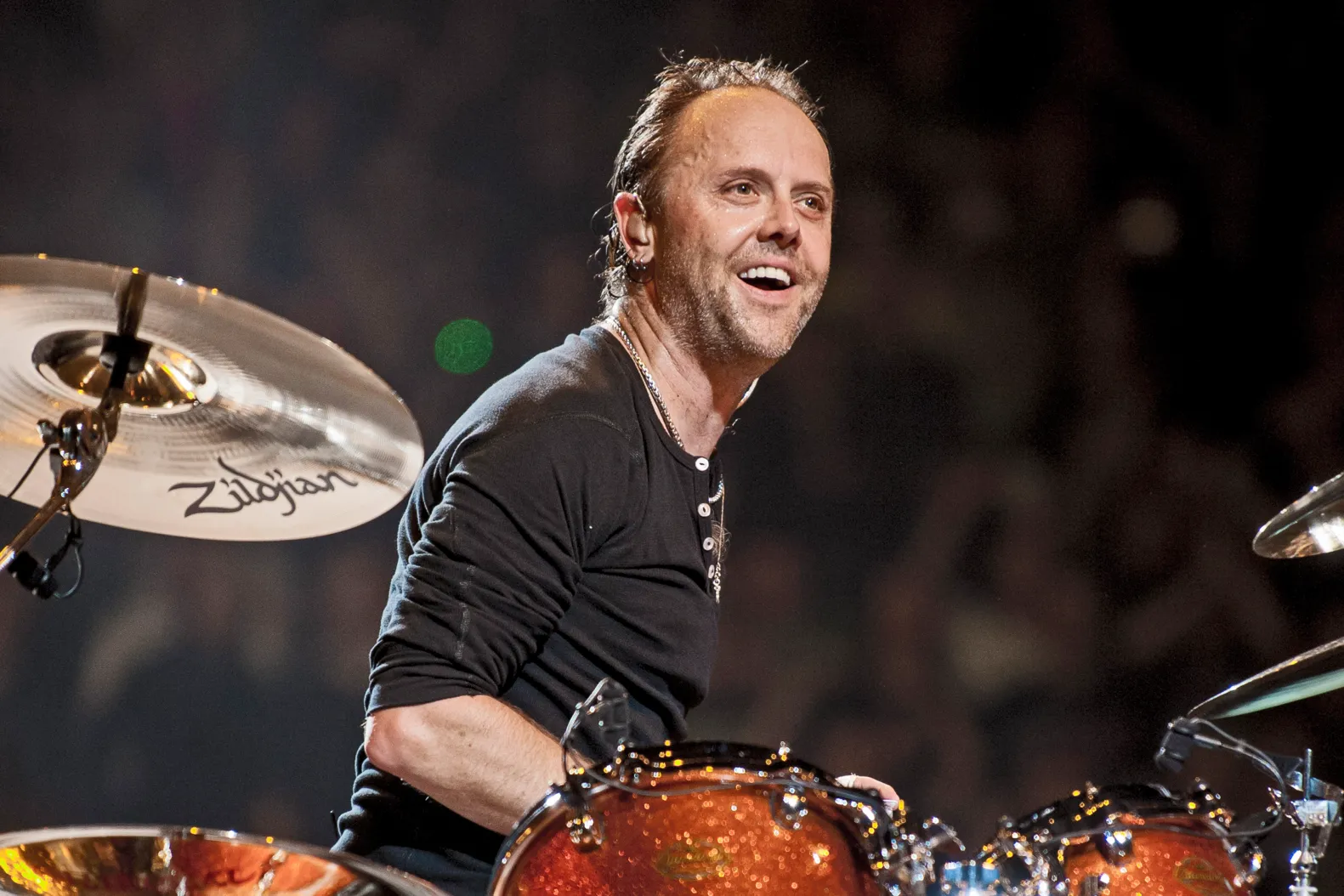
The Richest Drummers in Music: Wealth, Business Ventures, and Legacy
The financial success of the richest drummers in music is rarely built on concert touring alone. While legendary percussionists earn substantial royalties and performance fees, the world's most affluent drummers have accumulated vast f...
The financial success of the richest drummers in music is rarely built on concert touring alone. While legendary percussionists earn substantial royalties and performance fees, the world's most affluent drummers have accumulated vast fortunes through global band success, lucrative publishing rights, high-profile business ventures, and strategic investments in alcohol brands, real estate, and technology.
Contents
Understanding the Economics of Drumming in Major Bands
Popular perception often assumes that wealth in a rock or pop band is distributed equally among all members. In practice, financial outcomes vary significantly depending on songwriting credits, publishing ownership, and initial contractual agreements. While lead singers and guitarists frequently capture the public spotlight, rhythm section members who secured publishing stakes or founded long-lasting touring entities command comparable financial power.
When evaluating the richest drummers in music, analysts look beyond basic salary figures. Total net worth encompasses lifetime earnings from record sales, streaming distribution, merchandising, brand endorsements, and publishing catalogs. Furthermore, the modern trend of legacy artists selling their master recordings and publishing catalogs for tens or hundreds of millions of dollars has dramatically elevated the net worth of veteran musicians from iconic rock and pop groups.
The Wealth Hierarchy: Verified Financial Leaders
Estimating the net worth of famous musicians involves reviewing public financial records, real estate transactions, catalog sales data, and business filings. While exact figures fluctuate with market conditions and currency valuations, a distinct tier of percussionists consistently ranks at the top of the industry.
Top-Tier Wealth Holders
The highest-earning drummers in the music industry typically achieved multi-decade success with stadium-filling rock bands. Their fortunes are reinforced by permanent spots in music history, ensuring steady streaming revenue and high-demand touring cycles.
- Ringo Starr: As the heartbeat of The Beatles, Starr commands a massive fortune generated by one of the most valuable catalogs in recorded music history, ongoing royalties, film projects, and lucrative solo touring with his All-Starr Band.
- Phil Collins: Achieving massive success both as the powerhouse drummer for Genesis and as a multi-platinum solo artist, Collins built immense wealth through global record sales, extensive songwriting credits, and high-ticket world tours.
- Dave Grohl: Rising from his foundational work with Nirvana to founding and fronting Foo Fighters, Grohl operates as a multi-instrumentalist whose heavy involvement in songwriting, publishing, and production has driven substantial commercial success.
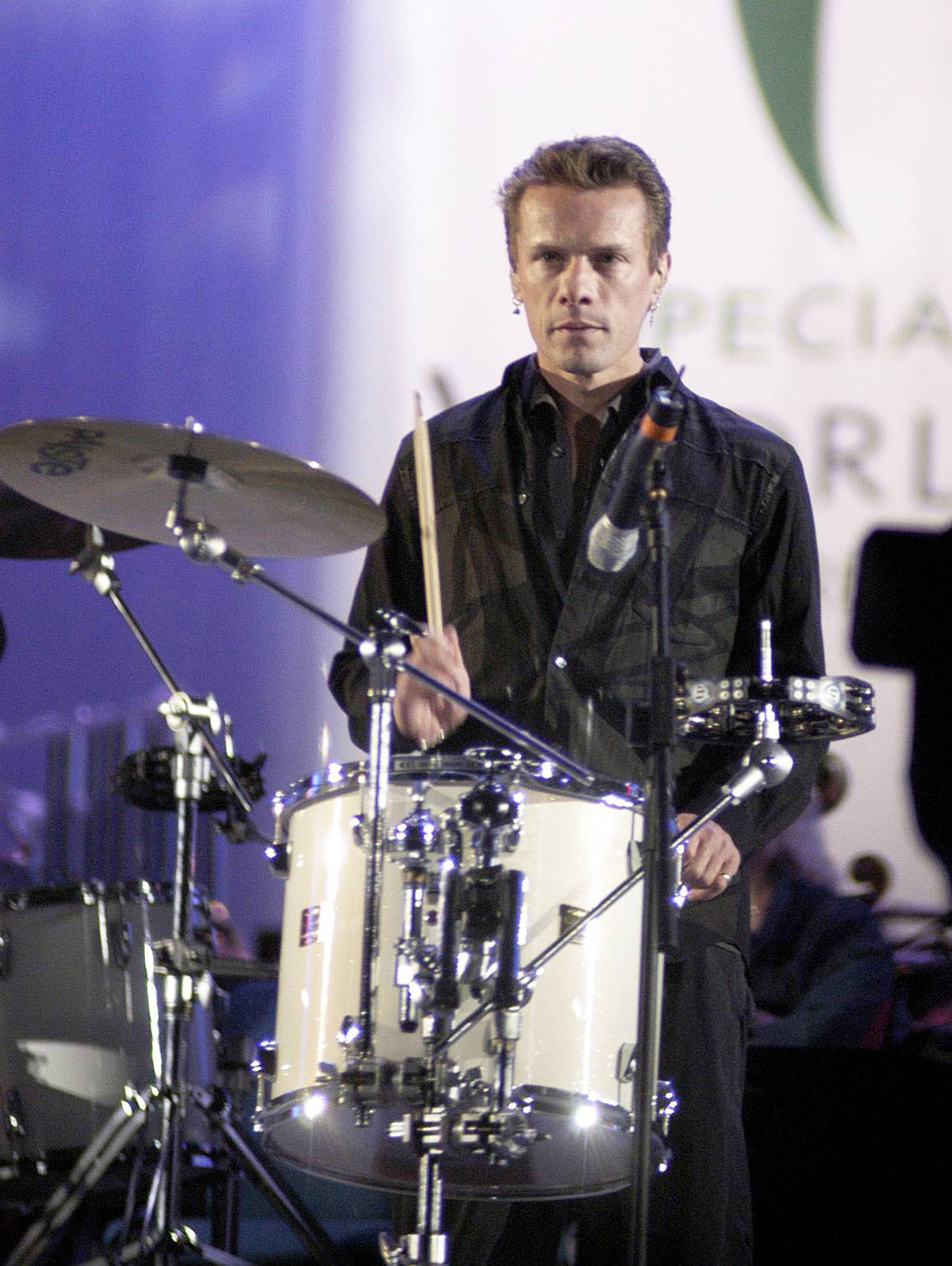
- Larry Mullen Jr.: As a founding member of U2, Mullen shares in the proceeds of one of the highest-grossing touring acts in history, alongside valuable publishing and recording assets accumulated over four decades.
- Nick Mason: The sole constant member of Pink Floyd, Mason benefits directly from the band's legendary progressive rock catalog, massive legacy box sets, and extensive merchandising operations.
| Drummer | Primary Association | Key Drivers of Wealth | Estimated Wealth Tier |
|---|---|---|---|
| Ringo Starr | The Beatles | Publishing royalties, catalog legacy, solo touring | Ultra-High Net Worth |
| Phil Collins | Genesis / Solo | Solo songwriting, Genesis catalog, global tours | Ultra-High Net Worth |
| Dave Grohl | Nirvana / Foo Fighters | Songwriting credits, headlining tours, production | Ultra-High Net Worth |
| Larry Mullen Jr. | U2 | Touring revenue, band equity, publishing | Ultra-High Net Worth |
| Nick Mason | Pink Floyd | Legacy album sales, archival box sets | Ultra-High Net Worth |
Beyond the Kit: Business Ventures and Diversification
The most financially successful drummers rarely rely solely on their primary instrument. Diversification into secondary businesses, entrepreneurial projects, and endorsements provides financial stability long after peak touring years conclude.
Publishing Catalogs and Intellectual Property
Owning a percentage of the underlying composition—rather than just the sound recording—represents a primary engine of long-term wealth for drummers who contributed to songwriting. In recent years, private equity firms and major music publishers have acquired aging catalogs for staggering sums. Drummers who hold writing credits on global hits benefit directly from these capital injections, transforming historical art into liquid financial assets.
Brand Partnerships and Endorsements
Endorsement deals with major hardware and cymbal manufacturers—such as Zildjian, Ludwig, DW, and Pearl—provide professional gear and financial backing. Beyond drum manufacturers, high-profile artists frequently partner with lifestyle brands, luxury watchmakers, and automotive companies, translating their cultural cachet into lucrative ambassador roles.
Real Estate and Private Investment
Prudent asset management plays a significant role in preserving wealth. Many top-tier musicians invest heavily in international real estate portfolios, commercial developments, and venture capital funds. These investments shield earnings from the cyclical nature of the entertainment industry and provide reliable passive income streams.
Historical Shifts in Musician Compensation
The financial landscape for professional musicians has transformed dramatically over the past fifty years. In the classic rock era of the 1970s and 1980s, artists relied heavily on physical record sales—vinyl and CDs—and massive, extended concert tours. Record labels typically retained the lion's share of profits, leaving performers dependent on touring revenue and high-volume sales to accumulate significant wealth.
In the digital era, physical sales have declined, replaced largely by streaming services that distribute fractional royalties per play. Consequently, modern drummers and bands must generate revenue through aggressive touring schedules, VIP experiences, sync licensing for television and film, and direct-to-consumer merchandise sales. However, veteran legacy artists retain a distinct advantage because their historic catalogs continue to generate predictable, passive income across global streaming platforms.
Common Misconceptions About Drummer Wealth
Public discussions regarding celebrity wealth often rely on speculation, unverified internet lists, and distorted media reports. Understanding the financial reality requires separating myth from verified industry standards.
- Equal Splits: Many assume band members split all revenue evenly. In reality, unless a band operates as a strict partnership with shared publishing, backing musicians and non-writing members often receive a fixed salary or performance fee rather than a share of songwriting royalties.
- Touring Profit Margins: While gross ticket sales for stadium tours reach tens of millions of dollars, production costs, crew salaries, transportation, insurance, and promoter fees consume a substantial portion of the gross revenue before net profits are distributed to the band.
- Net Worth Estimates: Public financial databases frequently miscalculate celebrity wealth by ignoring debts, management commissions, legal fees, and high tax burdens associated with high-earning individuals in the entertainment sector.
Frequently Asked Questions
Who is generally considered the richest drummer in the world?
Ringo Starr of The Beatles consistently ranks at the top of industry wealth lists. His standing is driven by his historic role in one of the best-selling bands of all time, lucrative publishing residuals, and decades of successful solo work.
Do drummers make as much money as lead singers?
Generally, no. Lead singers and primary guitarists who hold extensive songwriting credits earn higher publishing royalties. Drummers who do not contribute to the songwriting process rely more heavily on touring fees, session work, and merchandise cuts unless they negotiated equity in the band's corporate entity.
How do modern drummers build wealth compared to legacy artists?
Legacy artists built fortunes through multi-platinum physical album sales and massive global tours during an era of higher label payouts. Modern drummers must diversify income streams by building personal digital brands, securing sync placements in media, participating in session work, and engaging in direct merchandise sales.
Are drum endorsements financially lucrative?
While top-tier endorsement deals provide free, custom-built equipment and marketing support, cash retainers vary widely. Endorsements serve primarily as professional validation and promotional tools rather than a primary source of multi-million-dollar wealth.
What impact do catalog sales have on a drummer's net worth?
Selling publishing catalogs or master recording rights provides artists with an immediate, lump-sum payout. This trend allows veteran musicians to monetize their life's work upfront, securing their financial legacy and eliminating the volatility of future streaming royalties.
Strategic Next Steps for Aspiring Musicians
For musicians entering the professional industry, building long-term financial security requires treating performance as a commercial enterprise. Aspiring percussionists should prioritize understanding publishing contracts, securing proper legal representation, retaining intellectual property rights wherever possible, and diversifying income through teaching, session recording, and business investments. Navigating the music industry successfully demands both creative excellence and rigorous financial literacy.
Image Gallery