Truck Bed Sizes Explained: A Clear Guide for Buyers and Owners
Choosing the right truck bed size is fundamental to how you will use your vehicle, whether for professional contracting, towing, or daily personal transportation. Truck bed lengths generally fall into three standard categories—short, s...
Choosing the right truck bed size is fundamental to how you will use your vehicle, whether for professional contracting, towing, or daily personal transportation. Truck bed lengths generally fall into three standard categories—short, standard, and long—though the exact measurements can vary significantly between manufacturers, model years, and specific configurations. Understanding these dimensions ensures you select a truck that fits your cargo requirements while remaining maneuverable for your lifestyle.
Contents
Defining Standard Truck Bed Categories
Manufacturers typically categorize bed lengths into three main tiers. While these labels are consistent across the industry, the physical measurement in inches can differ based on whether you are looking at a mid-size, full-size, or heavy-duty truck.
- Short Bed: Often found on crew-cab trucks, these are designed for individuals who prioritize passenger seating capacity over cargo volume. They are generally the easiest to park and maneuver in tight urban environments.
- Standard Bed: Frequently referred to as the "mid-length" option, these beds offer a balanced compromise between cabin space and utility. They are the most common choice for recreational users and weekend hobbyists.
- Long Bed: Built for maximum utility, these beds provide the greatest surface area for hauling heavy equipment, building materials, or specialized trade tools. They are the standard for work-focused trim levels and commercial-grade trucks.
Factors Influencing Bed Dimensions
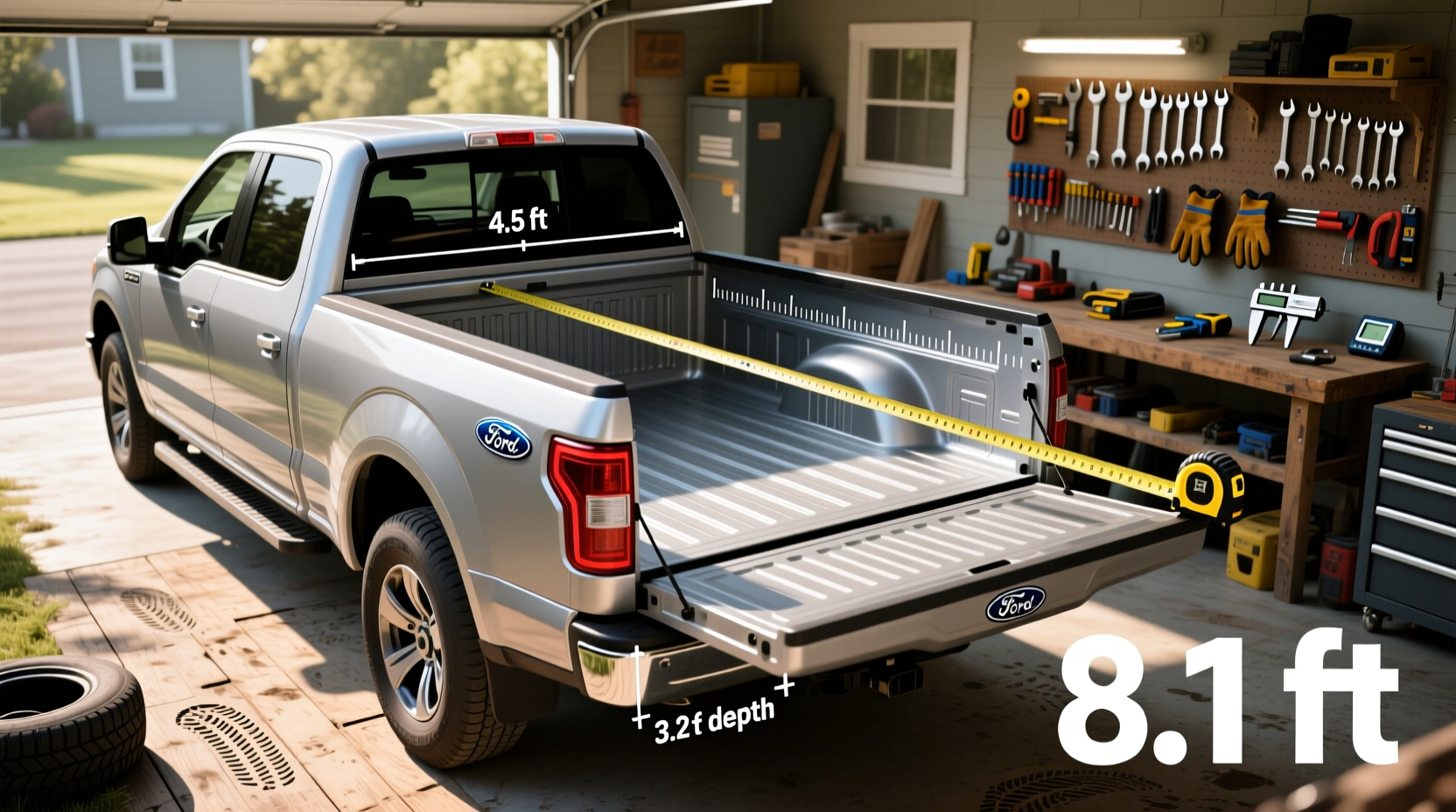
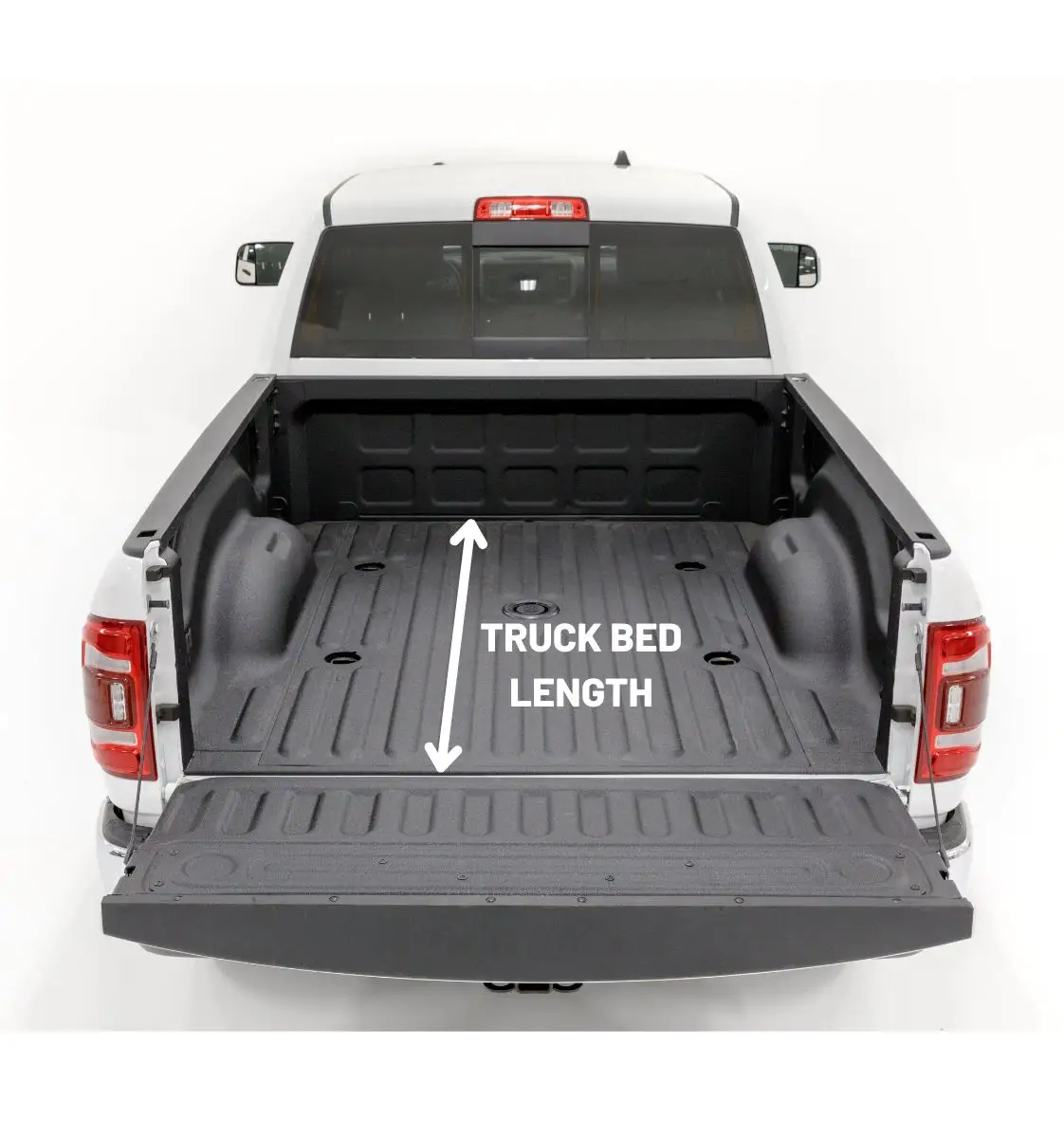
When analyzing truck bed sizes, it is vital to distinguish between external and internal dimensions. A manufacturer’s "bed length" typically refers to the measurement from the inside of the tailgate to the bulkhead (the wall closest to the cab). However, the width of the bed—specifically the distance between the wheel wells—can be just as critical as the length.
Most modern full-size trucks feature a "wide-bed" design that allows a standard 4x8 sheet of plywood to lay flat between the wheel wells. If you frequently transport construction materials, verifying the width between the wheel arches is often more important than the total length of the bed itself. Always consult the manufacturer's official specification sheet for your specific model year, as redesigns—even within the same generation—can alter internal clearance.
Comparison of Bed Lengths by Truck Class
The following table provides a general overview of common bed lengths. Please note that "Short" in a mid-size truck (like a Toyota Tacoma) is physically shorter than a "Short" bed in a full-size truck (like a Ford F-150).
| Bed Classification | Approximate Length (Mid-Size) | Approximate Length (Full-Size) | Best Primary Use |
|---|---|---|---|
| Short Bed | 5 feet | 5.5 to 5.8 feet | Personal transport, light gear |
| Standard Bed | 6 feet | 6.5 feet | General utility, recreation |
| Long Bed | 7 feet | 8 feet | Commercial work, heavy hauling |
Measuring Your Cargo Needs
To determine which size you need, perform a simple inventory of your intended cargo. If your tasks involve hauling dirt bikes, lumber, or large furniture, the length becomes a critical factor. For those using the truck for towing a fifth-wheel trailer, the bed size is non-negotiable; fifth-wheel hitches generally require a bed length of at least 6.5 feet to prevent the trailer from striking the cab during sharp turns.
Safety is also a significant consideration. A bed that is too short for your cargo may require driving with the tailgate down, which can be illegal in certain jurisdictions if it obscures tail lights or license plates, and it inevitably increases the risk of items shifting or falling out on the road.
Balancing Cab Size and Bed Length
The primary trade-off in truck configuration is between cab space and bed length. Chassis length is often restricted by wheelbase constraints, meaning that if you select a truck with a massive four-door crew cab, you will usually be limited to a short or standard bed. If you require a long bed, you may need to sacrifice cab space by opting for an extended or regular cab configuration.
In 2026, many manufacturers offer "SuperCrew" or "CrewMax" configurations that maximize interior legroom. Buyers often prioritize this interior space for family use, but it is essential to consider the impact this has on the truck's overall footprint. A long-bed crew-cab truck results in a very long wheelbase, which can make navigating parking garages or tight off-road trails significantly more difficult.
Common Mistakes When Selecting Bed Sizes
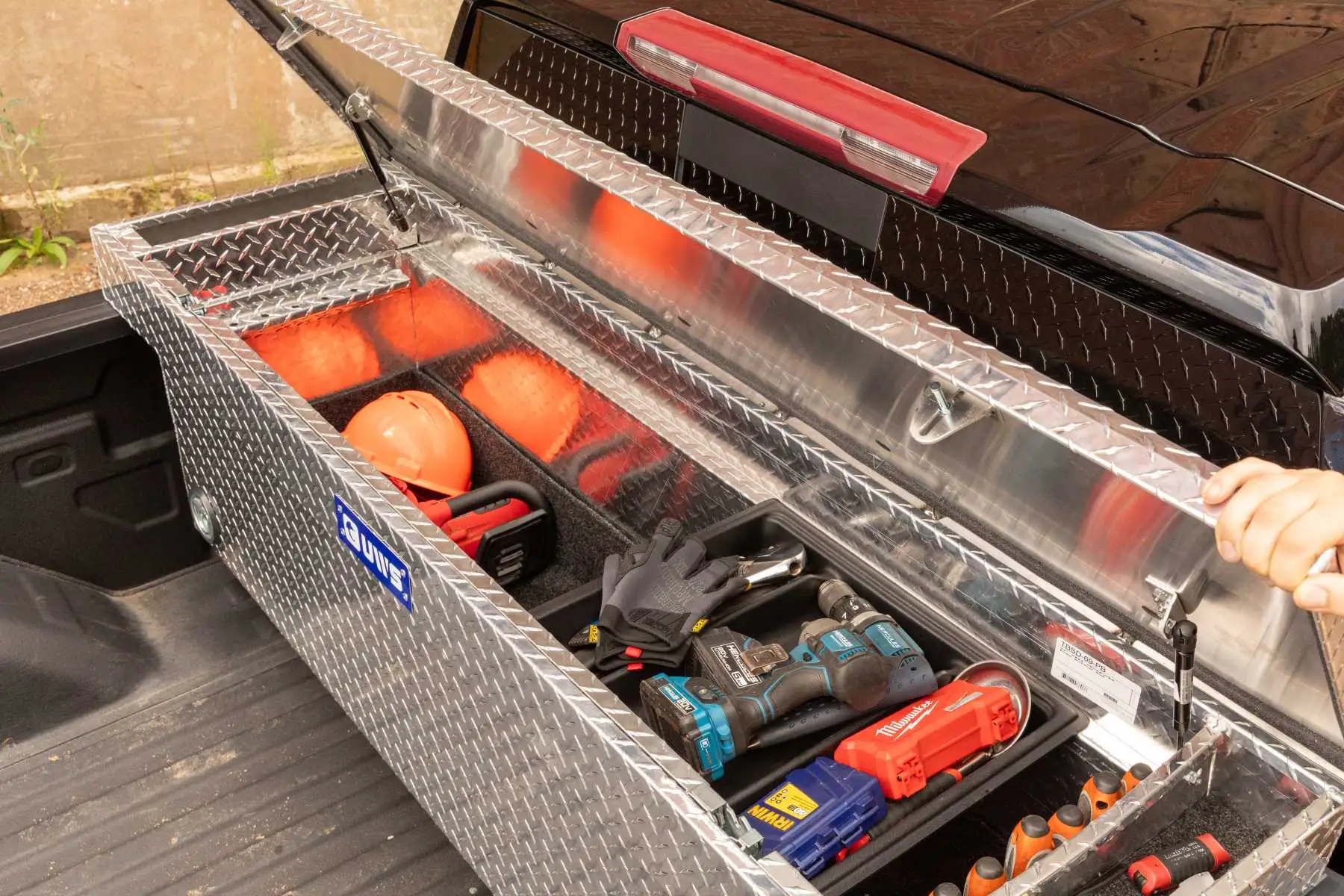
One of the most frequent errors is failing to account for the space occupied by toolboxes, bed liners, or tonneau covers. A drop-in plastic bed liner can reduce the usable width of the bed by several inches. Similarly, if you plan to install an aftermarket toolbox behind the cab, you effectively reduce your usable floor length by 18 to 24 inches.
Another common oversight involves the tail-gate's "step-up" features or handle assemblies. While these provide excellent convenience, they often protrude into the cargo area. Always measure your load based on the smallest point of clearance rather than the maximum dimension.
Frequently Asked Questions
Does a long bed affect towing capacity? Generally, a longer bed does not directly increase towing capacity, as this is determined by engine, transmission, and axle ratios. However, it does improve the truck's stability and, as noted, is often a requirement for specific types of hitches, such as fifth-wheel or gooseneck setups.
Can I extend my truck bed? Yes, you can use a tailgate extender to gain extra length for long, lightweight items like lumber or kayaks. These accessories attach to the tailgate when it is in the down position, effectively adding a foot or more of usable length. Ensure you check local traffic laws regarding items extending past the rear of your vehicle.
What is the advantage of a spray-in bed liner? Beyond protecting the metal from rust and scratches, a spray-in liner adds virtually zero thickness to the bed walls. Unlike plastic drop-in liners, a spray-in application ensures you maintain the full manufacturer-specified dimensions of the bed.
How does wheel-well placement affect my loading? The wheel wells create a hump in the bed that limits width. If you are hauling wide items like appliances or ATV tires, you will need to place them either in front of the wheel wells or behind them, which restricts how you distribute the weight of the load.
Should I choose a long bed for a daily driver? If your daily commute involves heavy city traffic or tight parking situations, a long bed can be a significant liability. The increased turning radius and overall vehicle length make parking substantially more challenging compared to a short-bed configuration.
Final Recommendation
Before committing to a purchase, visit a dealership and bring a measuring tape. Do not rely solely on sales brochures, as they may feature high-end trims that include optional features impacting dimensions. If you plan on using your truck for specific equipment—such as a specific model of ATV or a heavy-duty storage system—measure that item first, then verify that it fits comfortably within the usable dimensions of the bed. For the most versatile experience, a standard 6.5-foot bed provides the best balance of maneuverability and storage for most owners.
Image Gallery