Understanding Why Life Insurance Is Usually Cheaper Than Mortgage Insurance
When securing a home loan, many lenders offer mortgage protection insurance as a convenient, one-click add-on to your closing package. However, for most homeowners, purchasing a standalone term life insurance policy is significantly mo...
When securing a home loan, many lenders offer mortgage protection insurance as a convenient, one-click add-on to your closing package. However, for most homeowners, purchasing a standalone term life insurance policy is significantly more cost-effective while offering superior financial flexibility. While mortgage insurance is designed specifically to pay off your home loan balance if you die, standalone life insurance provides a death benefit that your beneficiaries can use for any purpose, often at a lower monthly premium.
Contents
What is Mortgage Protection Insurance?
Mortgage protection insurance is a specialized form of life insurance that is directly tied to your mortgage balance. Its primary purpose is to pay off the remaining principal of your home loan should you pass away before the mortgage is fully paid off. Because the policy is tied to the debt, the coverage amount typically decreases over time as your loan balance declines.
Lenders often market this product as "convenient" because it can be bundled into your monthly mortgage payment. However, it is important to distinguish this from Private Mortgage Insurance (PMI), which protects the lender against default and provides no benefit to your heirs. Mortgage protection insurance (often called Mortgage Life Insurance) is essentially a declining-term policy where the lender is the named beneficiary, ensuring that your survivors are not burdened with the remaining mortgage debt.
Why Standalone Life Insurance Is Usually Cheaper
The disparity in pricing between standalone term life insurance and mortgage protection insurance often comes down to the business model and the way the policy is structured.
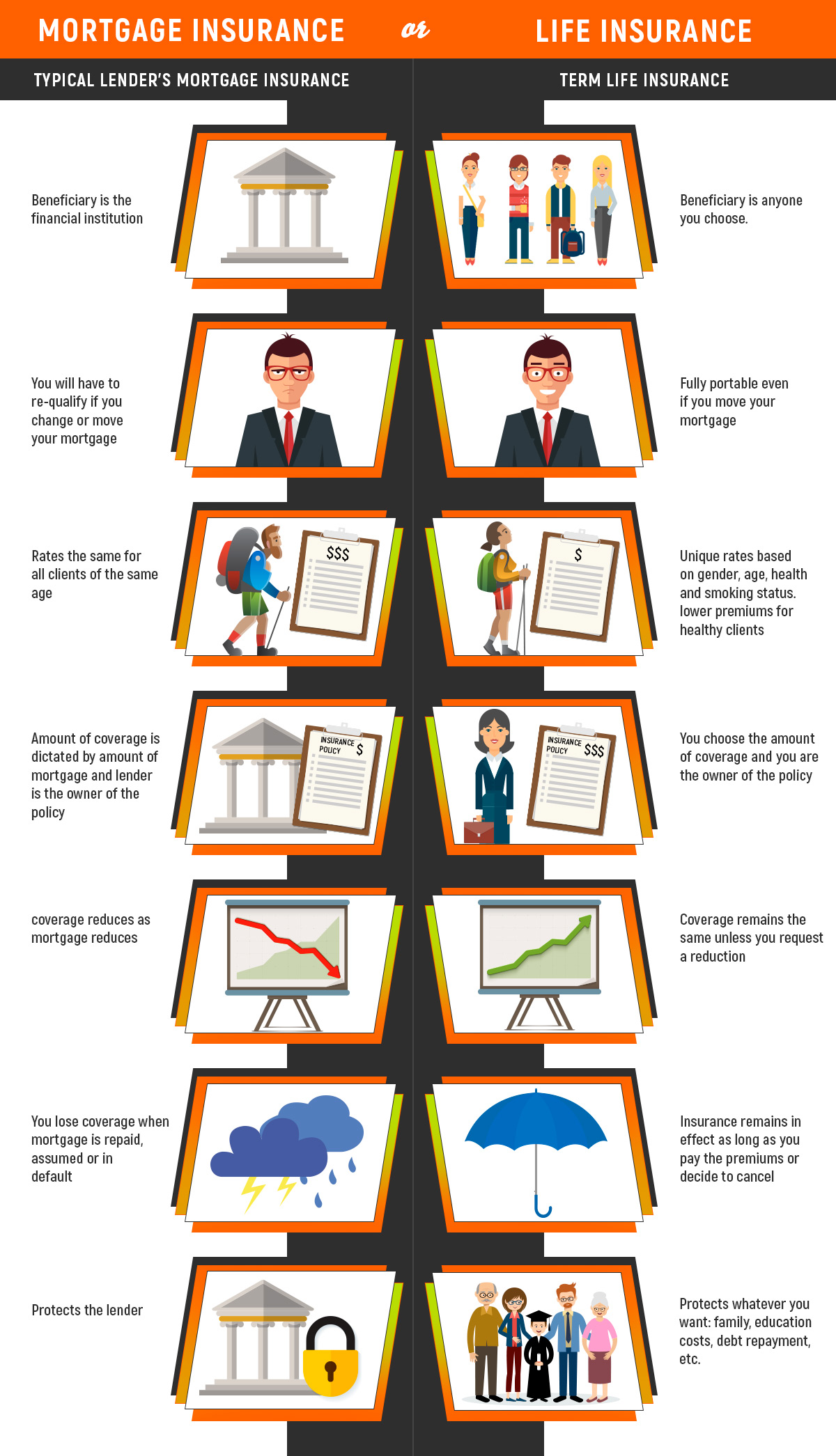
- The Beneficiary Advantage: With mortgage protection insurance, the bank is the beneficiary. If you pass away, the insurance company sends the payout directly to the mortgage lender. With a personal term life insurance policy, you choose your beneficiaries (such as a spouse or children). They receive the tax-free death benefit directly and can decide whether to use the money to pay off the mortgage, cover living expenses, pay for education, or manage daily bills.
- Pricing Models: Mortgage insurance is frequently sold through lenders as "group coverage." These policies often utilize simplified underwriting, meaning they do not always require a medical exam. While this might seem convenient, the insurer prices in the higher risk of insuring individuals without a thorough health assessment. In contrast, if you are healthy, a standalone term life insurance policy uses "underwritten" pricing, which rewards you for good health and results in lower premiums.
- Fixed Coverage: Term life insurance provides a level death benefit. If you purchase a 20-year term policy for $500,000, your beneficiaries receive the full $500,000 regardless of whether you die in year one or year nineteen. Mortgage insurance coverage shrinks as your balance shrinks, yet you often pay the same premium for the life of the policy, meaning you are essentially paying more for less coverage over time.
Comparing the Two Financial Products
The following table breaks down the core differences to help you understand why standalone policies often outperform mortgage-linked products in terms of both cost and utility.
| Feature | Mortgage Protection Insurance | Term Life Insurance |
|---|---|---|
| Beneficiary | The lender (Bank) | Chosen individuals (Heirs) |
| Coverage Amount | Decreases as the loan is paid | Remains level throughout the term |
| Premiums | Usually flat, regardless of risk | Based on age, health, and lifestyle |
| Underwriting | Often minimal or none | Typically includes a medical exam |
| Flexibility | Covers only the mortgage balance | Funds can be used for any purpose |
| Ownership | Tied to the loan | Stays with the policyholder |
The Value of Underwriting and Health Assessments
One of the reasons many consumers believe mortgage insurance is "simpler" is that it avoids the medical underwriting process. It is true that applying for a traditional life insurance policy often requires a medical exam, a review of your prescription history, and blood work. However, this rigorous process is exactly what keeps costs low for the policyholder.
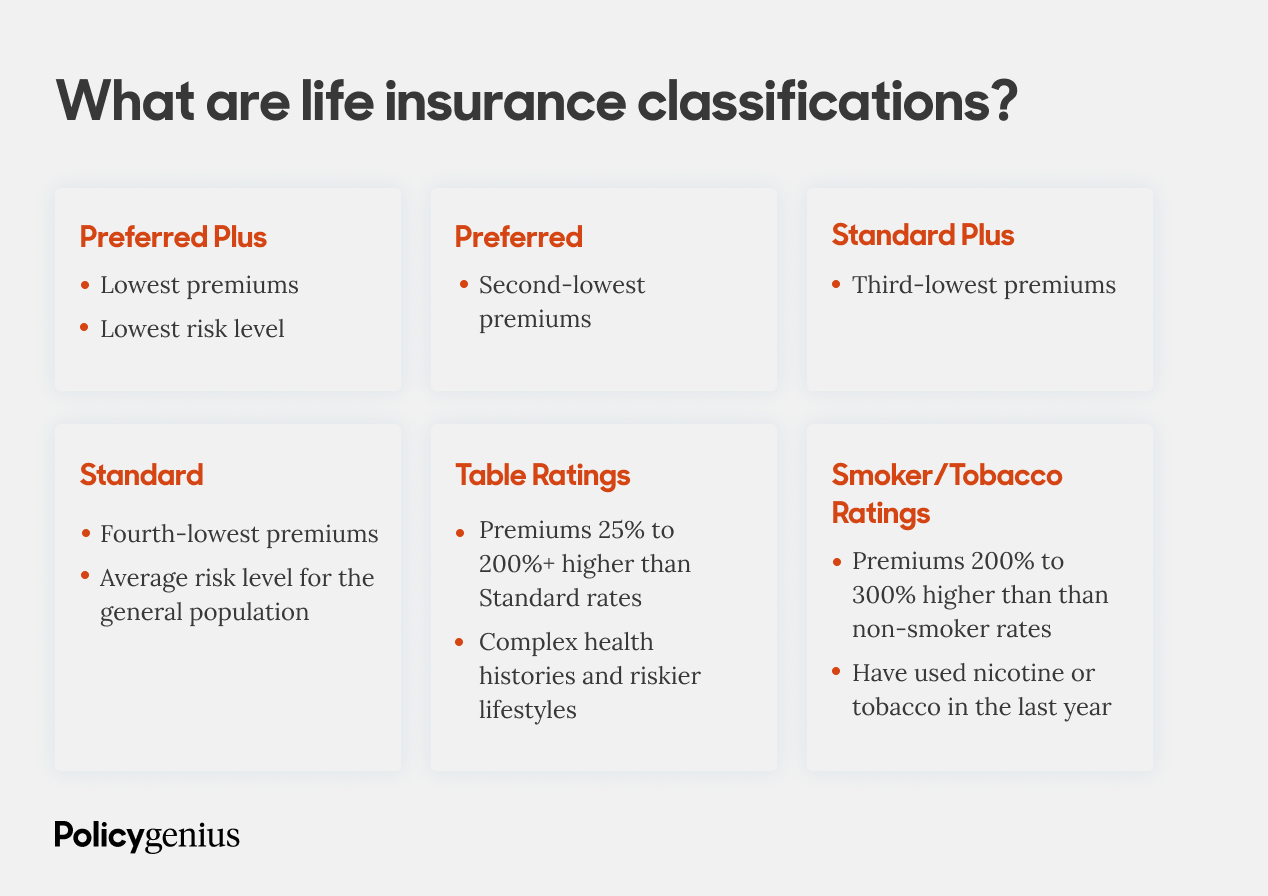
By verifying your health status, insurance companies can accurately assess the risk they are taking by covering you. If you are a non-smoker with no major health issues, you will almost always qualify for "Preferred" or "Super Preferred" rate classes. Mortgage protection insurance, by contrast, operates on a "blended" risk pool. Because they accept many people without examining them, they must charge a higher average premium to protect themselves against the possibility that they are insuring high-risk individuals. Investing a few hours in an application for a standalone policy in 2026 can lead to savings of hundreds or even thousands of dollars over the life of a 30-year mortgage.
Flexibility as a Financial Tool
Beyond the raw cost, the primary benefit of standalone life insurance is the control it gives your family. If you carry a mortgage of $400,000, your mortgage protection insurance will pay that amount to the bank if you die. If you have a $400,000 term life policy and you pass away when your mortgage balance is only $200,000, your beneficiaries receive the full $400,000. They can use half to pay off the home and keep the remaining $200,000 to cover college tuition, funeral expenses, or long-term investments.
Furthermore, life insurance is portable. If you move to a new home or refinance your mortgage, your standalone policy stays with you. Mortgage protection insurance is usually tied to the specific loan; if you move or refinance, you often have to cancel the old policy and apply for a new one, potentially at a higher age-based premium.
Prerequisites and Next Steps
Before you decide to replace or forgo mortgage insurance, you should determine your coverage needs.
- Calculate Total Debt and Income Replacement: Do not look only at your mortgage. Consider how much your family would need to maintain their standard of living if your income disappeared.
- Evaluate Your Health: If you have significant pre-existing conditions, the simplified underwriting of mortgage protection insurance might be your only path to coverage. However, it is worth speaking to an independent insurance broker to see if you can qualify for a standard term policy first.
- Get Quotes: Compare the quotes you receive from lenders against those from independent life insurance carriers. Using an insurance comparison tool or working with an independent agent allows you to see the true market value of the coverage you need.
- Review the Term: Ensure your term life insurance covers the length of your mortgage. If you have 25 years remaining on your loan, look for a 25-year or 30-year level term policy.
Common Pitfalls to Avoid
The most common mistake homeowners make is assuming that because they were offered insurance at the closing table, it must be the most appropriate or competitive option available. Banks are not insurance experts; they are lenders. Their interest is in ensuring the loan is repaid. They prioritize products that reduce their own risk.
Another common error is failing to update beneficiaries. Life insurance is a contract; ensure your policy is properly structured with a primary and contingent beneficiary to avoid probate complications. Finally, avoid "guaranteed issue" policies unless absolutely necessary, as these carry the highest premiums and the lowest death benefits due to the lack of health verification.
Frequently Asked Questions
Is mortgage insurance required by law? No. While lenders may require private mortgage insurance (PMI) if your down payment is less than 20%, they cannot legally force you to purchase "mortgage protection insurance" (the life insurance product).
Can I have both types of insurance? Technically, yes, but it is rarely financially prudent. Because life insurance provides a death benefit that can be used for any purpose, it effectively renders mortgage protection insurance redundant. You are better off putting your premium budget into a single, high-quality term life policy.
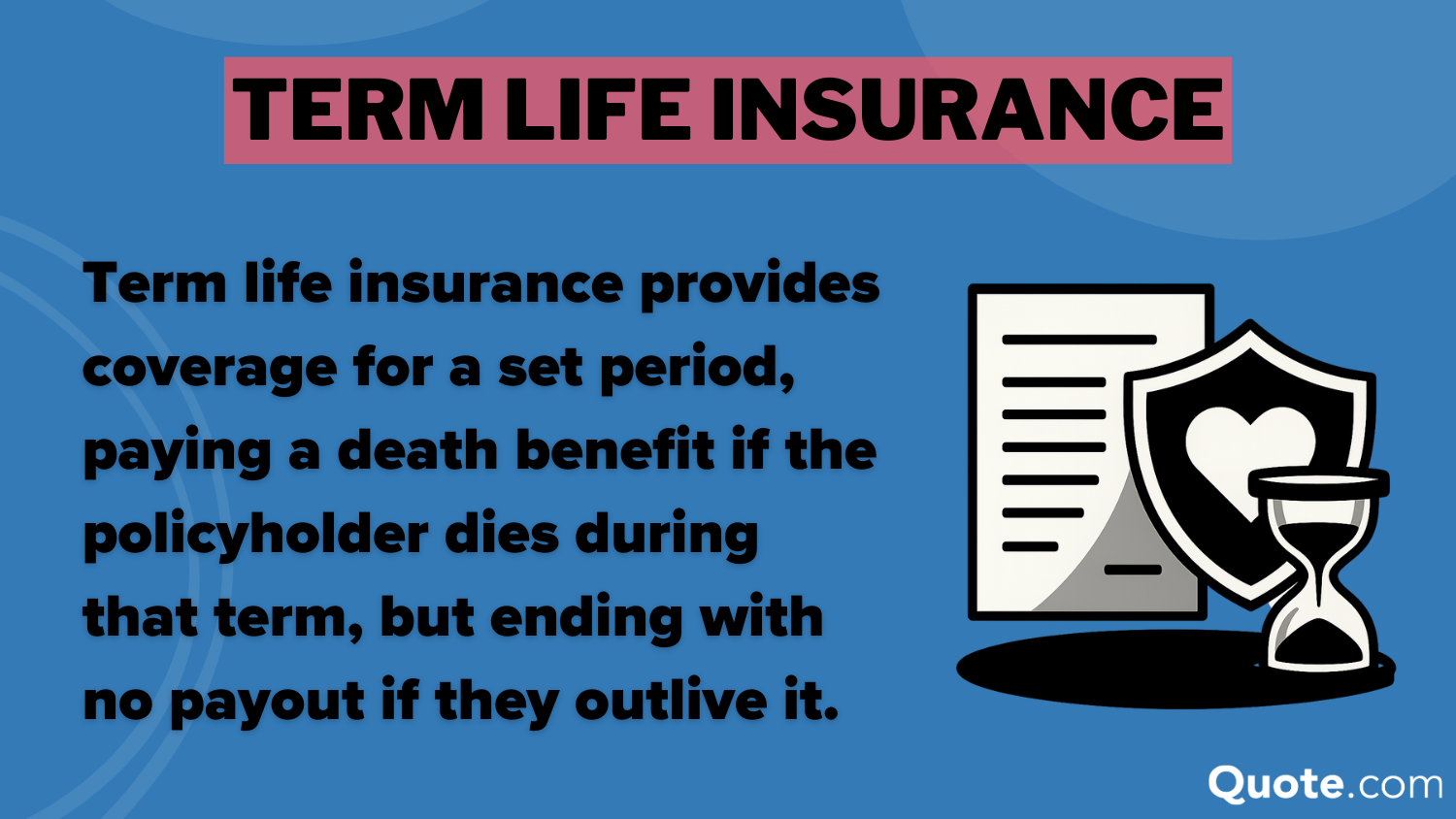
What happens if I outlive my term life policy? Term life insurance covers you for a set period, such as 10, 20, or 30 years. If you outlive the term, the coverage ends. However, if you have successfully paid off your mortgage and your children are independent, you may no longer need the high level of coverage you required in your younger years.
Does mortgage protection insurance pay out if I lose my job? Most standard mortgage life insurance policies only pay out upon death. Some products offer additional "riders" for disability or unemployment, but these are distinct products that often come with significant exclusions and high costs.
Should I cancel my lender’s mortgage insurance? If you currently pay for mortgage protection insurance, you can typically cancel it at any time by contacting your lender. However, ensure you have a new, approved term life insurance policy in place before canceling your existing coverage to ensure you and your family remain protected.
Final Recommendation
For the vast majority of homeowners in 2026, the optimal financial move is to reject the mortgage protection insurance offered by your lender and instead secure a level-term life insurance policy through an independent carrier. This approach provides higher death benefits, greater flexibility for your survivors, and lower long-term costs. Start by requesting quotes from at least three different reputable insurance companies to compare rates based on your specific health profile, and always ensure your chosen policy covers the full duration of your financial obligations.
Image Gallery