Understanding Alarm System Ratings and Security Certification Standards
Alarm system ratings represent the critical bridge between marketing claims and objective security performance. These certifications, provided by independent testing laboratories, verify that a security system—including sensors, contro...
Alarm system ratings represent the critical bridge between marketing claims and objective security performance. These certifications, provided by independent testing laboratories, verify that a security system—including sensors, control panels, and communication modules—will function reliably during a power outage, resist physical tampering, and correctly transmit signals to a monitoring station under standardized stress conditions. For property owners and managers, interpreting these ratings is essential for verifying insurance compliance, ensuring life safety, and determining the appropriate level of protection for a specific environment.
Contents
The Role of Testing Laboratories in Alarm Security
Most alarm system ratings are governed by independent organizations that develop testing standards. In North America, Underwriters Laboratories (UL) and ETL (Intertek) are the primary entities that certify security equipment. These organizations do not manufacture alarm systems; rather, they subject devices to rigorous laboratory testing protocols to determine if they meet specific safety and performance benchmarks.
When a product is "UL Listed," it signifies that the manufacturer has submitted the device for testing against a set of standards—such as UL 1023 for household burglar alarm systems or UL 681 for installation and classification of burglar and mercantile alarm systems. These tests evaluate electrical safety, durability, and the device's resilience against environmental factors like heat, humidity, and voltage fluctuations. Using equipment that lacks these certifications can lead to significant vulnerabilities, as unrated hardware often lacks the fail-safes required to detect circuit tampering or signal jamming.
Decoding Common Alarm System Ratings
Understanding the hierarchy of ratings requires looking at both the component level and the installation level. A system is only as secure as its lowest-rated component.
Component Ratings
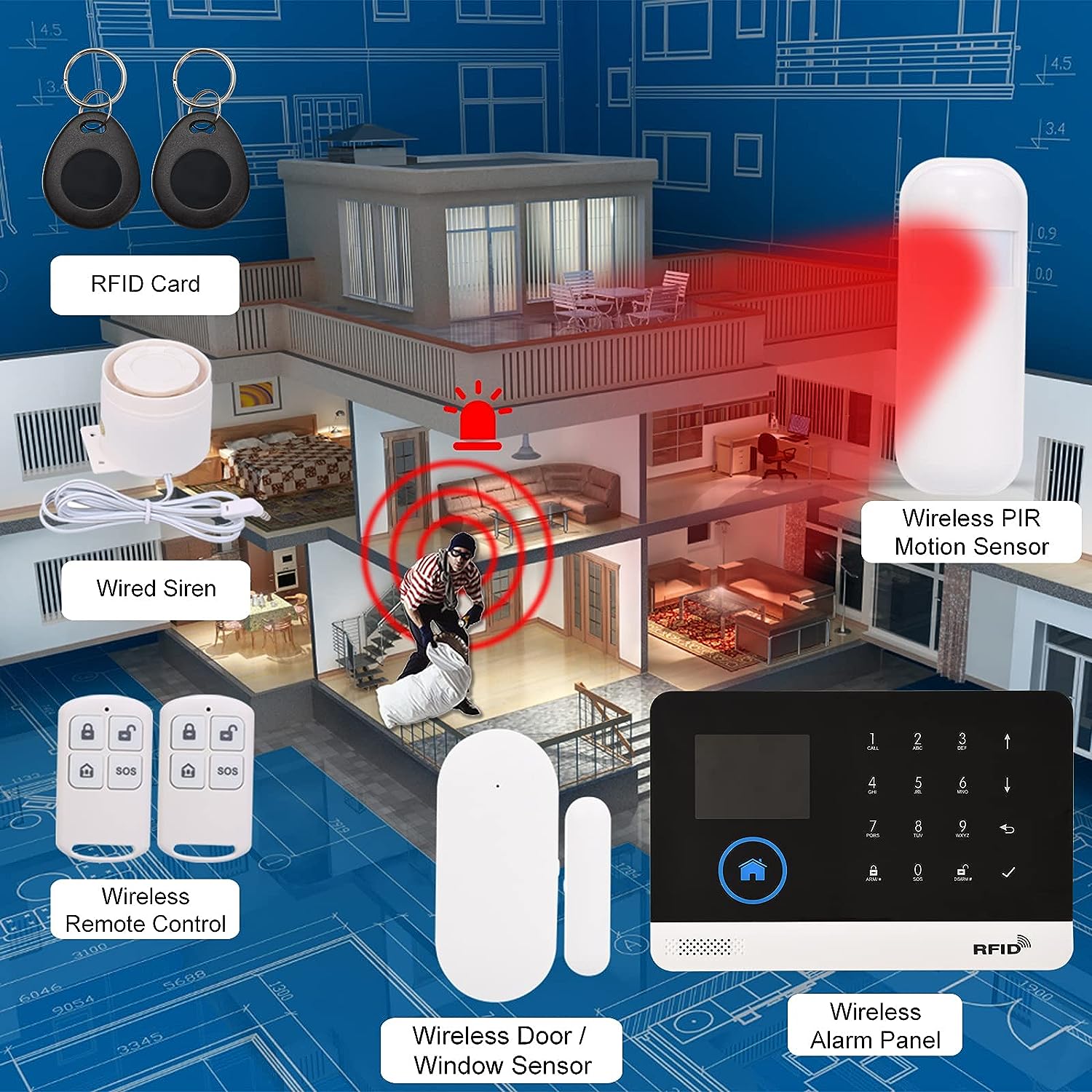
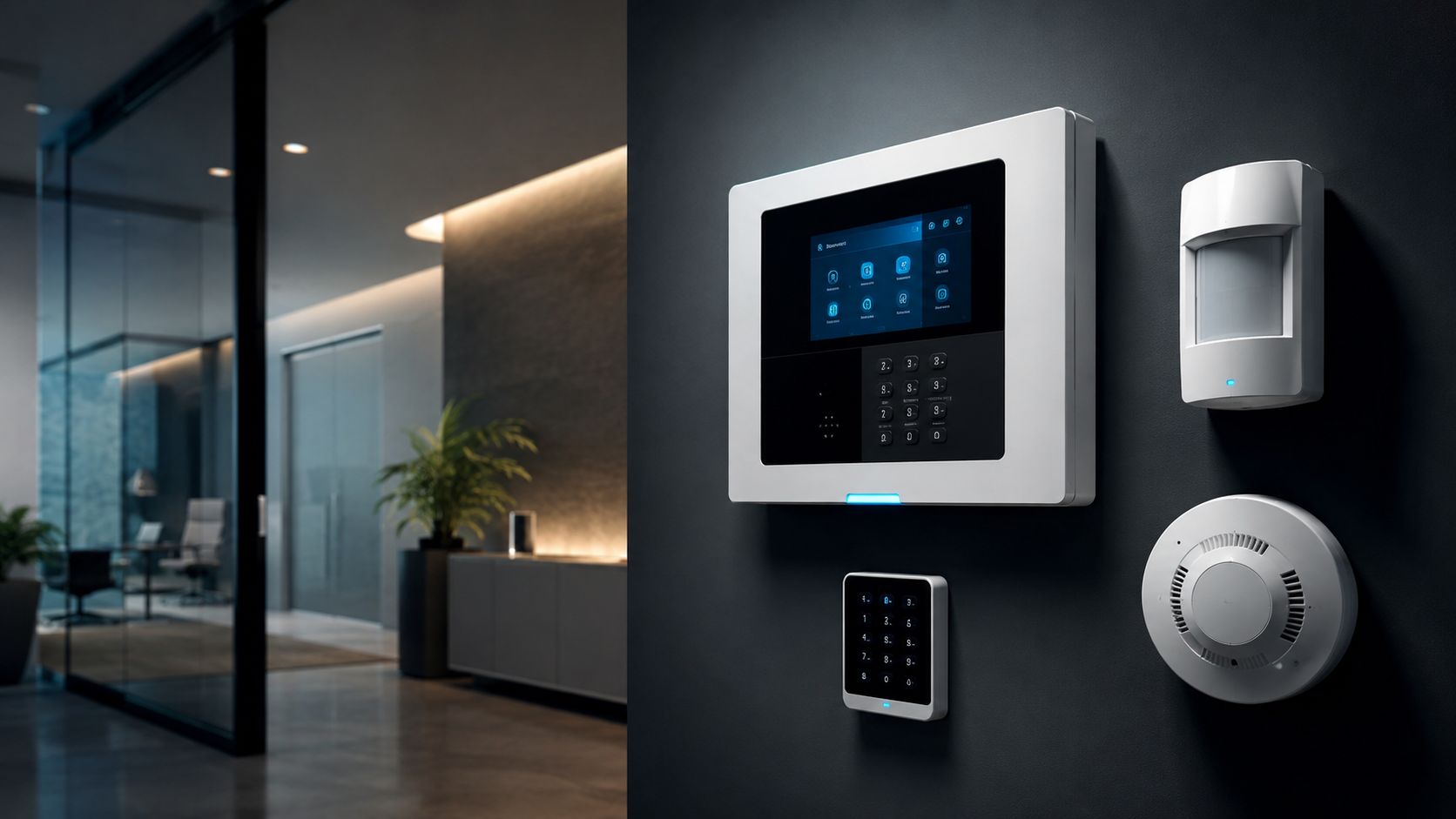
Components are typically rated based on their intended environment and function. For instance, a PIR (Passive Infrared) motion detector will carry a specific rating regarding its detection range, sensitivity, and immunity to false alarms. Key specifications to review include:
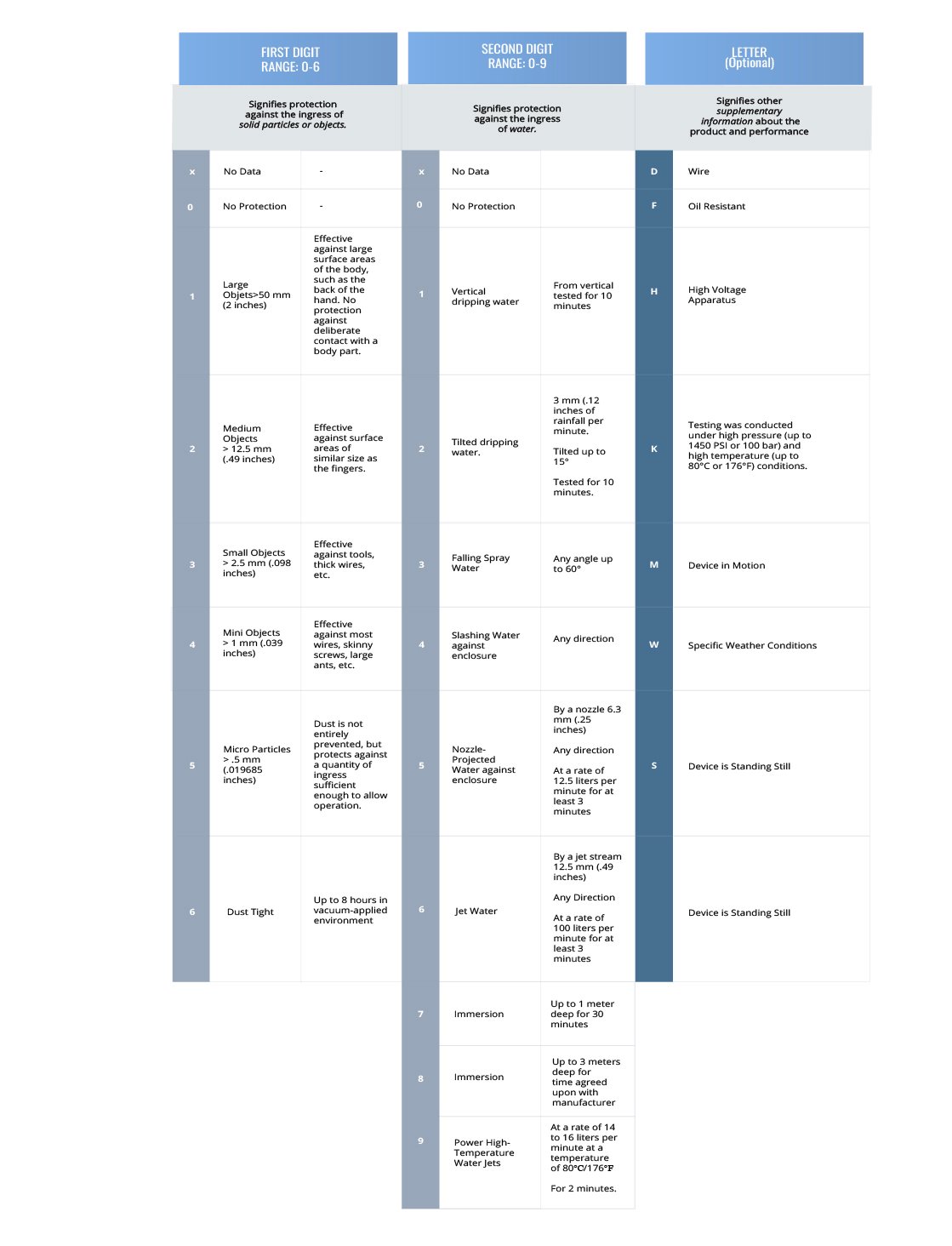
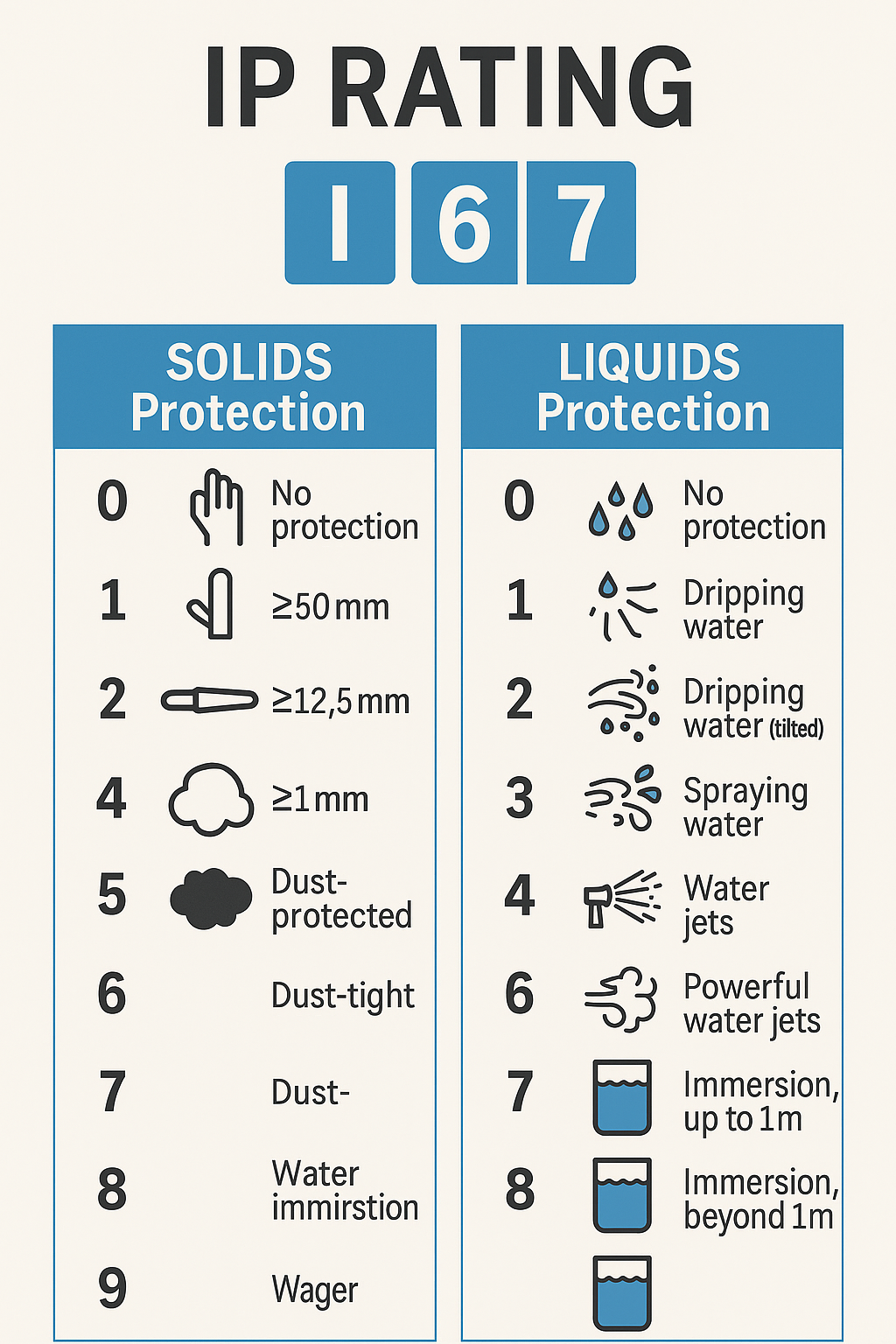
- IP Ratings (Ingress Protection): These denote the level of protection against solids and liquids. An IP65 rating, for example, is often necessary for outdoor perimeter sensors to prevent dust ingress and water spray damage.
- Class Ratings: Often used to define the sensitivity of smoke or heat detectors. Class A detectors generally respond faster to a wider range of fire conditions compared to Class B detectors.
System Grade Ratings
In many jurisdictions, especially regarding commercial properties, alarm systems are categorized by "Grade." These grades are assigned based on the level of risk the property faces and the speed of response required:
- Grade 1: Provides basic protection, typically for residential environments with low-value assets.
- Grade 2: Suited for environments with a manageable risk level, often incorporating multiple detection technologies.
- Grade 3/4: Required for high-security environments, such as banks, jewelry stores, or critical infrastructure. These systems must feature advanced anti-masking capabilities, dual-path communication (e.g., cellular and IP), and high-level encryption to prevent signal interception.
Comparison of Security System Capabilities
Choosing the right rating level depends heavily on the threat model of the site being protected. The following table illustrates the operational differences typically found in varying system classifications.
| Feature Category | Basic Residential (Grade 1/2) | Commercial High-Risk (Grade 3/4) |
|---|---|---|
| Communication Path | Single (e.g., Wi-Fi/IP) | Dual (Cellular + Encrypted IP) |
| Tamper Protection | Physical housing switch | Circuit-level anti-masking |
| Battery Backup | 4–12 hours | 24–72 hours + power fault monitoring |
| Encryption Standard | Standard industry protocols | AES-256 bit or higher |
| Monitoring Priority | Standard signal routing | Priority signal/Alarm verification |
Environmental and Operational Requirements
A high system rating is invalidated if the installation environment does not meet the manufacturer’s specifications. Professional installers often refer to the NFPA 72 (National Fire Alarm and Signaling Code) for fire systems or specific building codes for intrusion detection.
Factors that influence the effective rating of your installation include:
- Signal Transmission: A system rated for high-security monitoring is useless if the communication path is easily obstructed. For instance, radio frequency (RF) interference in dense urban areas can degrade the effectiveness of wireless sensors unless the system uses frequency-hopping technology.
- Power Redundancy: Ratings often specify the minimum standby power required. A system rated for 24-hour backup must be connected to a battery pack that has been tested and certified to maintain that specific load.
- Physical Integrity: Sensors must be mounted to surfaces that conform to the manufacturer's physical security requirements. If a motion sensor is mounted on a vibrating surface (like a thin metal door), the sensitivity rating of the device may be compromised by constant false triggers.
Common Misconceptions Regarding Alarm Ratings
One of the most frequent errors users make is assuming that "smart home" integration equates to a security rating. While many consumer-grade systems offer convenient app-based controls, they are often not UL-rated for commercial or high-risk residential use. These systems may lack the "supervised" communication lines found in certified systems. In a supervised system, the control panel continuously polls the sensors; if a sensor fails to respond, the system generates a fault immediately. Uncertified systems often only report failures when an alarm is triggered, which is too late.
Furthermore, users often conflate "insurance-approved" with "high-rated." Insurance companies may offer discounts for systems that meet certain criteria (such as central station monitoring), but this is a financial endorsement, not a technical certification of the hardware's resilience against sophisticated physical attacks. Always verify if your specific insurer requires an UL-certified installation certificate to qualify for premium reductions.
Frequently Asked Questions
What is the difference between a product rating and an installation rating?
A product rating refers to the design and testing of a single device, such as a camera or panel. An installation rating evaluates the entire system as an integrated whole, accounting for wiring, site-specific environmental interference, and the monitoring station’s ability to respond.
Do I need a high-rated alarm system for a private home?
Generally, a mid-range Grade 2 system is sufficient for most residential homes. Grade 3 or 4 systems are significantly more expensive and complex, typically reserved for properties with high-value assets, art collections, or specific insurance requirements for high-net-worth protection.
Can I upgrade the rating of my existing alarm system?
Often, you can improve your security profile by upgrading individual components—such as replacing standard PIR sensors with dual-technology sensors (PIR + Microwave)—or by adding a secondary cellular communicator. However, the system's "Grade" is limited by the control panel's core capabilities.
What should I look for in a certificate of installation?
A professional certificate should specify the standards tested (e.g., "Installed in accordance with NFPA 72"), the date of installation, the specific hardware versions used, and the contact information of the monitoring facility. This document is essential for insurance claims and building inspections.
Is wireless security as reliable as wired for high-security ratings?
Modern encrypted wireless systems can achieve high ratings, but they must meet strict standards for frequency-hopping and jam-detection. In extreme high-security environments, hardwired connections remain the gold standard due to their immunity to external signal interference.
Next Steps for Property Owners
To ensure your security system meets the necessary standards for your specific risks, begin by conducting a formal security assessment. If your property is commercial, consult with an insurance agent to confirm if there are specific requirements for your industry. When contacting security providers, ask specifically for "UL-listed equipment" and request a written certification of compliance for the installation. If you are retrofitting an older system, prioritize the upgrade of the control panel and communication modules, as these are the components most frequently cited in security breach analyses.
Image Gallery