Best Medical Alert Systems for Seniors in 2026: A Comprehensive Guide to Safety and Independence
Choosing the best medical alert system in 2026 requires balancing fast emergency response times, reliable fall detection, and transparent pricing. Top-rated providers like Medical Guardian and Bay Alarm Medical offer advanced GPS track...
Choosing the best medical alert system in 2026 requires balancing fast emergency response times, reliable fall detection, and transparent pricing. Top-rated providers like Medical Guardian and Bay Alarm Medical offer advanced GPS tracking and AI-enhanced fall detection, ensuring seniors remain protected both at home and on the go with 24/7 monitoring services.
Contents
For many families, the term "Life Alert" has become synonymous with the entire medical alert industry. However, as of 2026, the market has expanded significantly beyond a single brand. While the original Life Alert company remains a major player known for its reliable hardware and long-standing reputation, dozens of competitors now offer more flexible terms, lower costs, and advanced wearable technology. Navigating these options involves understanding the technical specifications of monitoring hardware and the specific needs of the user’s lifestyle.
Understanding the Medical Alert Landscape in 2026
The medical alert industry has undergone a significant transformation leading into 2026. The phase-out of older 3G and 4G networks has pushed the industry toward 5G-compatible devices and advanced Wi-Fi positioning systems. This shift has resulted in faster signal transmission and more accurate location tracking for mobile units.
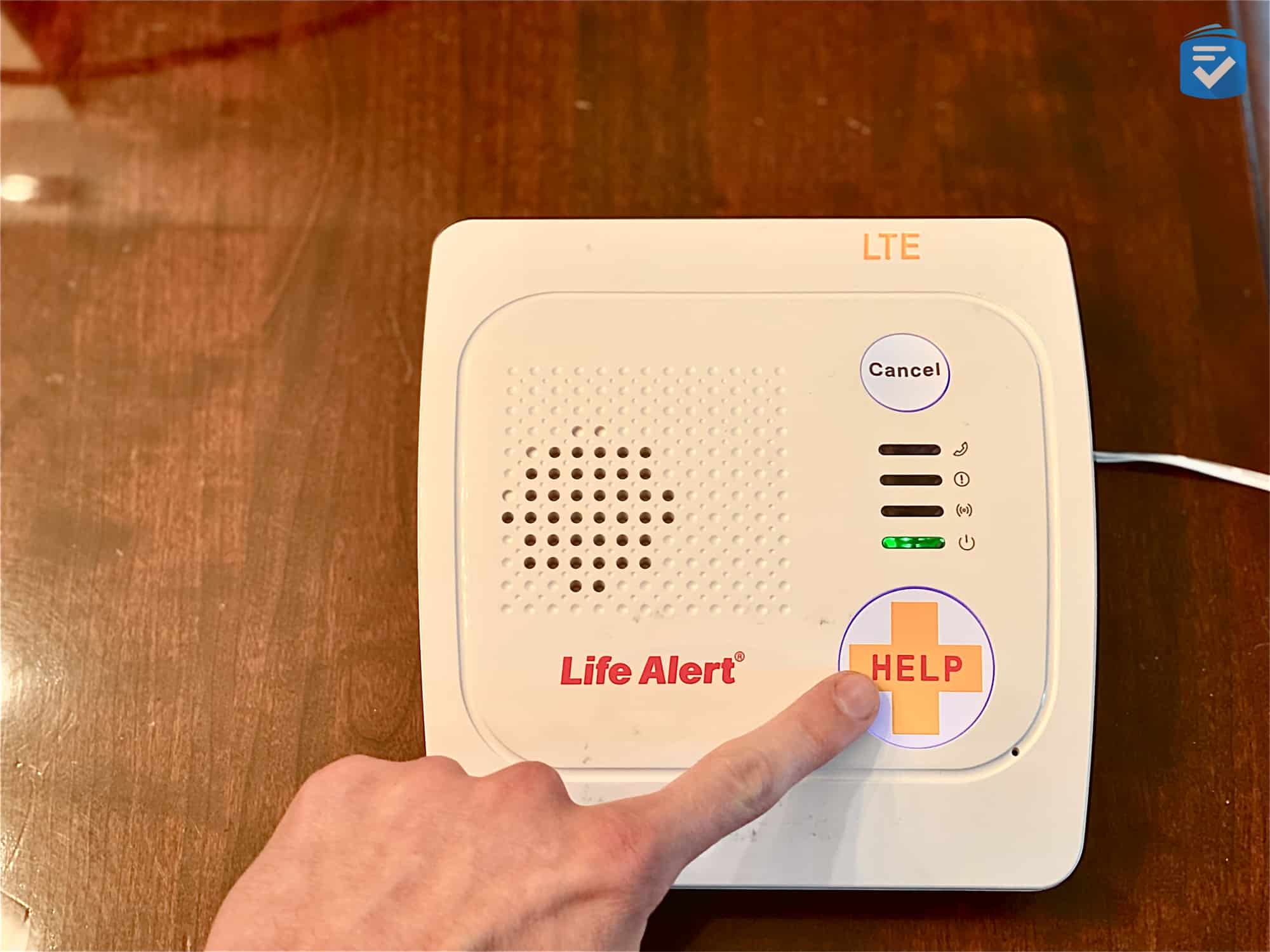
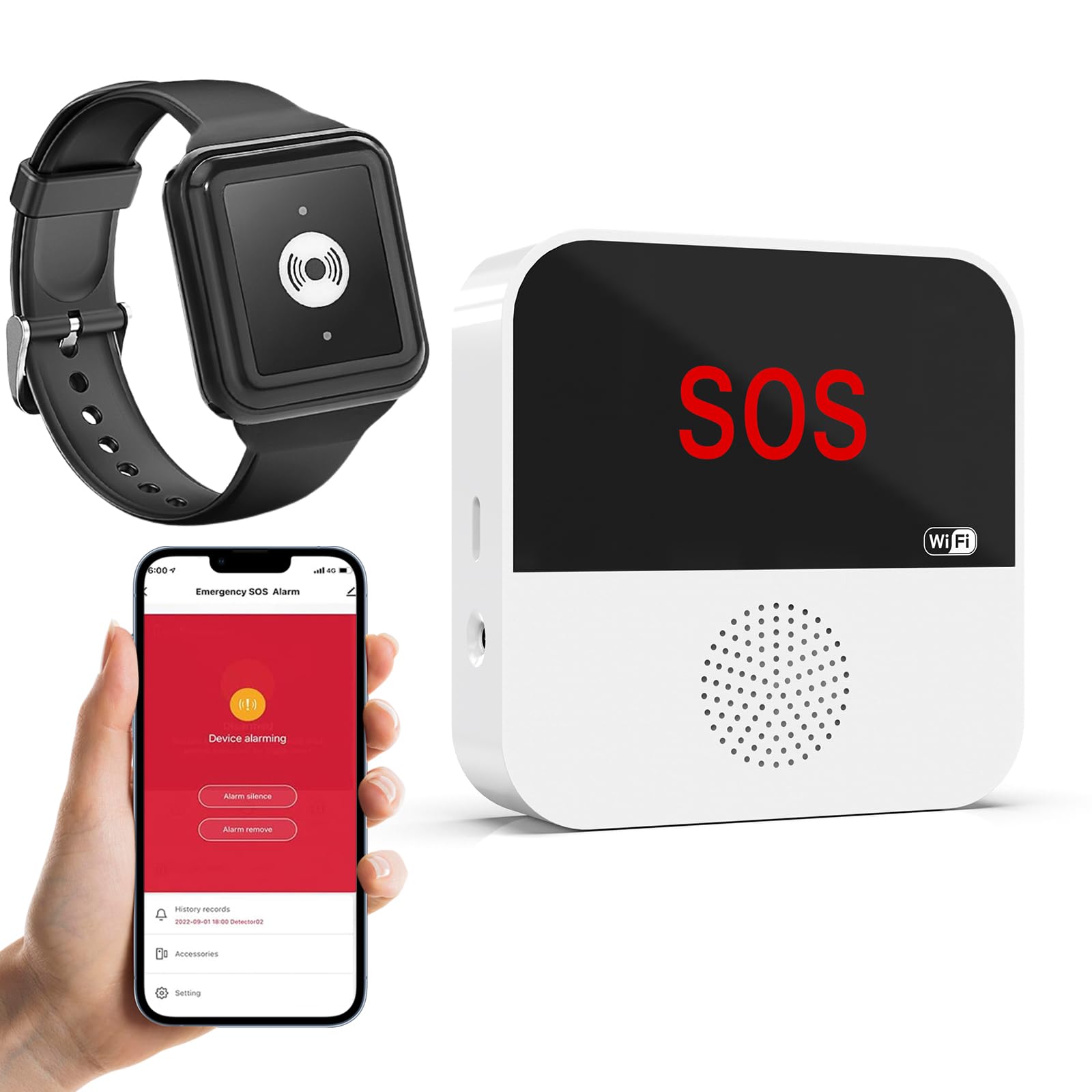
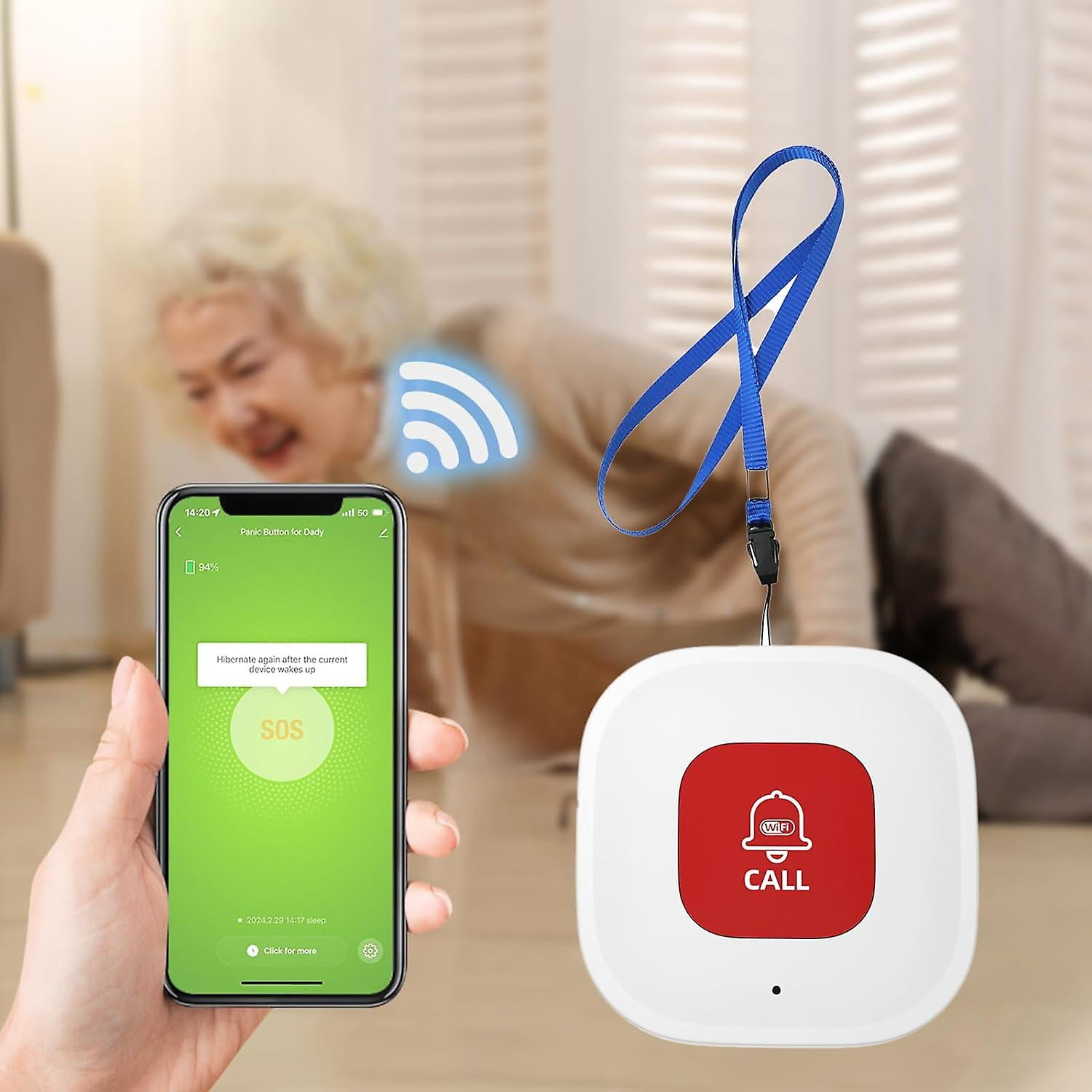
When searching for the "best life alert," it is crucial to distinguish between in-home systems and mobile systems. In-home systems typically rely on a central base station and a wearable button with a range of 600 to 1,400 feet. Mobile systems are standalone devices equipped with their own cellular chips and GPS, designed for active seniors who spend time outside the home. In 2026, we also see a rise in "hybrid" solutions that integrate medical monitoring with consumer smartwatches, offering a more discreet safety net.
Top-Rated Medical Alert Systems Comparison
The following table compares the leading providers in the 2026 market based on their core offerings, pricing structures, and unique selling points.
| Provider | Starting Monthly Fee | Equipment Cost | Key Feature | Best For |
|---|---|---|---|---|
| Medical Guardian | $29.95 | $0 - $150 | Longest Range & Smartwatch | Active Seniors |
| Bay Alarm Medical | $24.95 | $0 - $99 | Best Value Bundles | Budget-Conscious Families |
| Life Alert | $49.95 | $95 - $198 | Proprietary Long-Life Battery | Proven Reliability |
| MobileHelp | $24.95 | $0 | Integrated Telehealth Apps | Home & On-the-Go Combo |
| Aloe Care Health | $30.00 | $99 - $250 | Voice-Activated Hub | Tech-Savvy Caregivers |
| GetSafe | $27.95 | $79 - $229 | No-Wearable Wall Buttons | Those Who Dislike Pendants |
Detailed Reviews of Leading Systems
1. Medical Guardian: Best Overall for Coverage and Technology
Medical Guardian has maintained its position as a market leader in 2026 by offering a diverse fleet of devices. Their MGMove smartwatch has become a gold standard for seniors who want the protection of a medical alert without the aesthetic of a traditional pendant.
Technically, Medical Guardian stands out due to its multi-platform location tracking. By using a combination of GPS, Wi-Fi hotspots, and cellular triangulation, their mobile devices can pinpoint a user's location even inside dense shopping malls or apartment buildings where GPS signals often struggle. Their monitoring centers are TMA Five Diamond Certified, which is the highest industry standard for emergency response dispatch.
2. Bay Alarm Medical: The Best Value Provider
For families concerned about the rising costs of elder care, Bay Alarm Medical offers some of the most competitive pricing in 2026. They specialize in "bundle" packages, where a user can get an in-home system and a mobile GPS unit for a discounted combined monthly rate.
A significant advantage of Bay Alarm is their transparent contract policy. Unlike some legacy providers, they offer month-to-month service with no long-term commitments. Their SOS Mobile device is particularly notable for its compact size—roughly the size of a car key fob—and its 6-day battery life, which is significantly higher than the 2024-2025 industry average.
3. Life Alert: The Established Standard
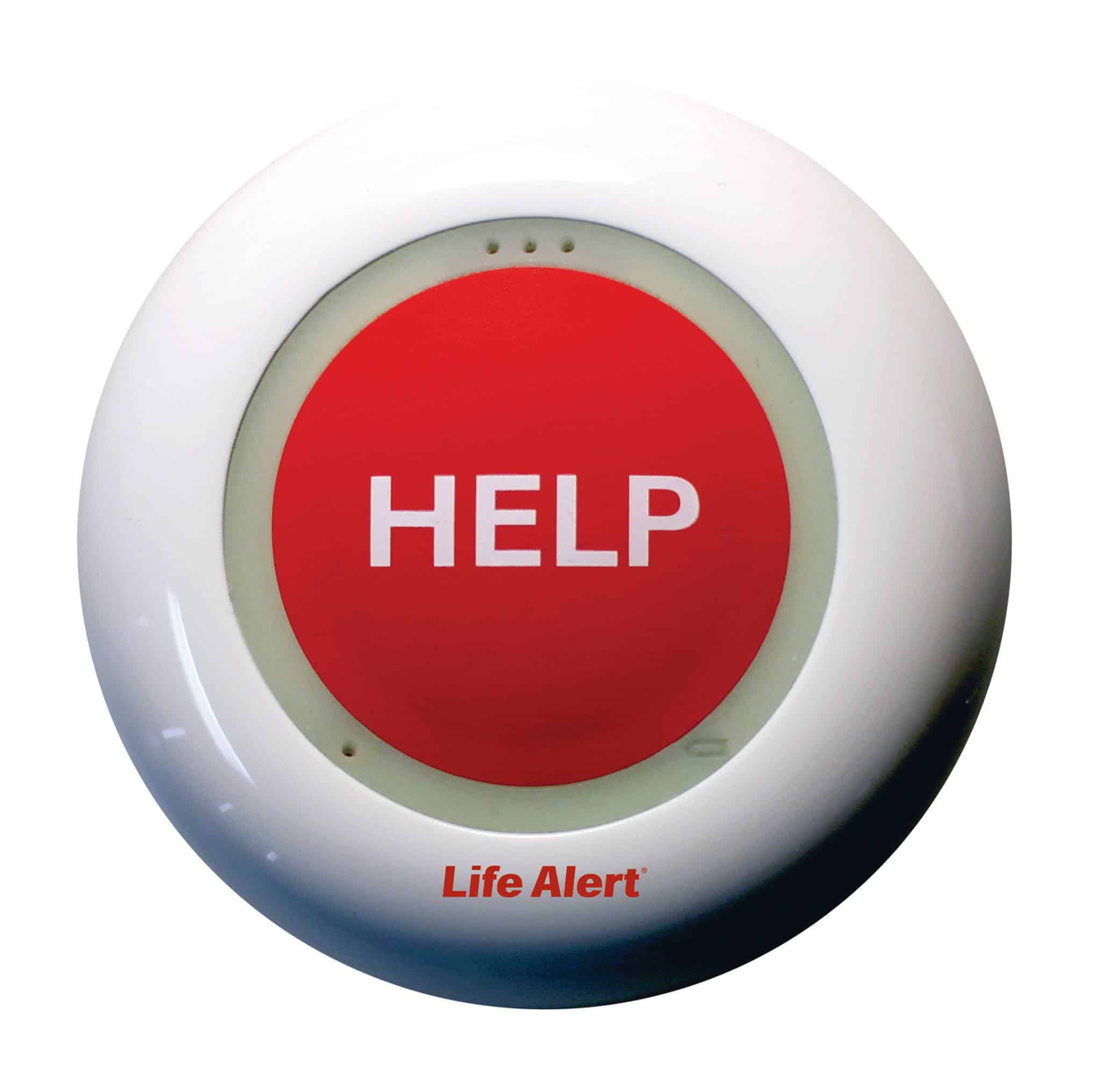
Life Alert remains a household name because of its "Never Move Alone" philosophy. In 2026, their primary draw is their proprietary hardware. Life Alert pendants are famous for their 10-year battery life, meaning the user never has to worry about charging the device.
However, consumers should be aware of Life Alert’s business model. They typically require a three-year contract, which is rare in the modern market. This can be a barrier for families who only need a temporary solution or prefer more flexibility. Their monitoring is handled exclusively through their own proprietary centers, which they claim leads to faster response times than outsourced third-party centers.
4. Aloe Care Health: Best for Remote Caregiving
Aloe Care Health has revolutionized the "smart home" aspect of medical alerts. Their base station is a voice-activated hub that allows seniors to call for help without pushing a button, simply by shouting a "keyword" or "help."
In 2026, their app integration is peerless. Caregivers can see real-time data on air quality, temperature, and motion patterns within the home. This "passive monitoring" allows children of aging parents to ensure their loved ones are active and safe without intruding on their privacy.
The Evolution of Fall Detection Technology
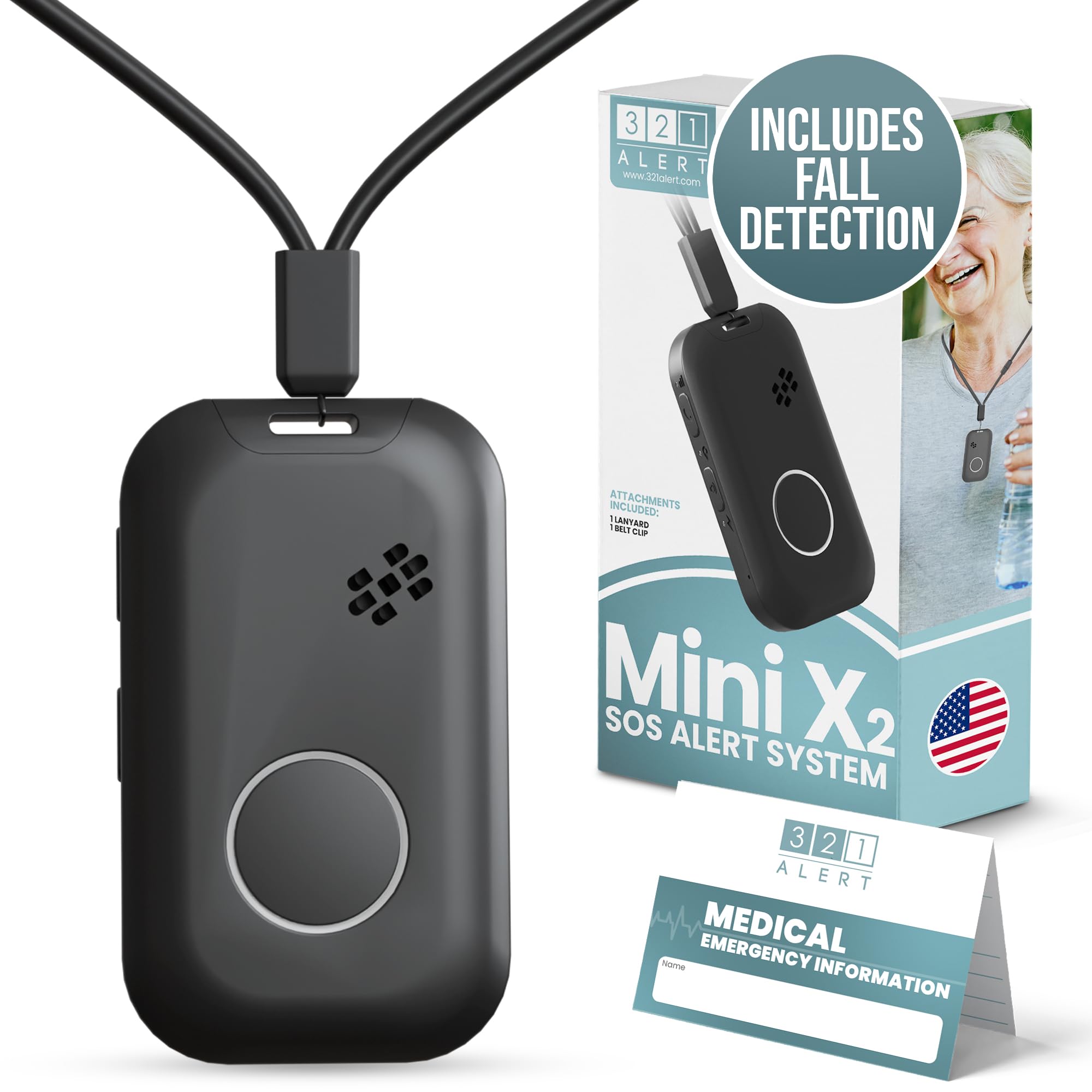
Automatic Fall Detection (AFD) is the most requested feature in 2026. This technology uses tri-axial accelerometers and barometric sensors to detect the specific velocity and impact patterns of a fall.
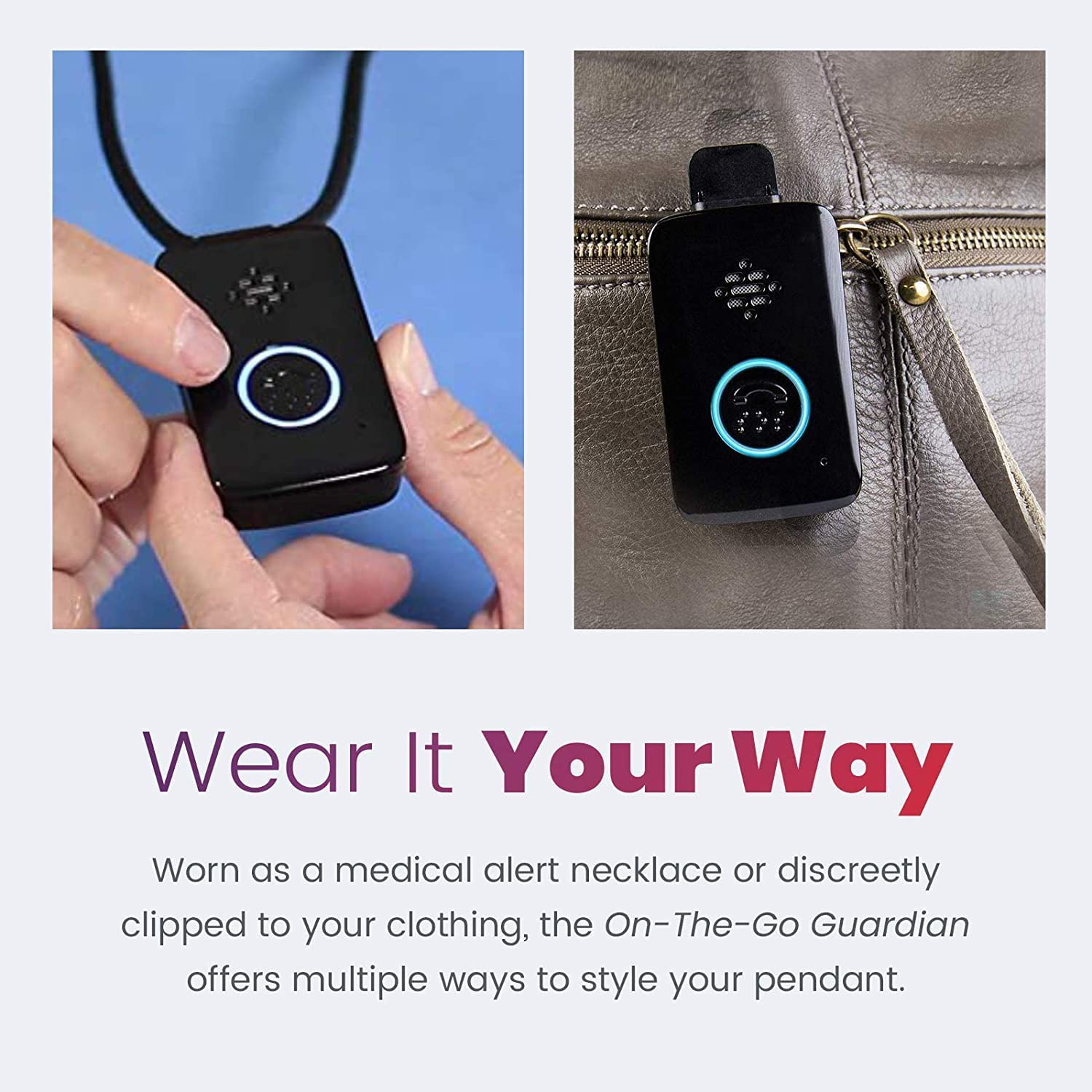
While no fall detection system is 100% accurate, the AI-driven algorithms used in 2026 have significantly reduced false alarms. These sensors can now distinguish between a senior sitting down quickly on a couch and a hard fall onto a kitchen floor. It is important to note that AFD typically requires an additional monthly fee (usually $10) and is most effective when the device is worn high on the chest as a pendant or on the dominant wrist.
For more information on the efficacy of fall prevention and technology, the National Council on Aging (NCOA) provides extensive resources on how these devices fit into a broader falls prevention strategy.
Key Factors to Evaluate Before Purchasing
When selecting a "life alert" style system, several technical and contractual factors should be verified:
- Response Time: The industry average in 2026 is between 15 and 30 seconds. Inquire if the provider's monitoring center is located within the country and if they provide multilingual support.
- Cellular Coverage: Most mobile units use AT&T or Verizon networks. Ensure the provider uses the carrier with the strongest signal in your specific zip code.
- Waterproof Rating: Ensure the wearable has at least an IP67 rating, meaning it can be worn in the shower or bath, which is where a high percentage of falls occur.
- Hidden Fees: Look for "activation fees," "shipping fees," or "restocking fees" that might not be included in the advertised monthly price.
- Spousal Coverage: Some companies, like MobileHelp, allow you to add a second user to the same base station for a small one-time equipment fee and no additional monthly cost.
Legal and Safety Limitations
Medical alert systems are categorized as emergency signaling equipment, not medical devices. They are intended to summon help but cannot prevent a fall or medical emergency from occurring. Furthermore, cellular-based mobile units are subject to "dead zones" just like a standard smartphone.
Most providers require a clear line of sight to satellites for optimal GPS tracking. If a user is in a basement or a high-rise building with significant interference, the location data provided to emergency services may be an estimate rather than a precise coordinate.
Frequently Asked Questions
Does Medicare cover the cost of medical alert systems?
As of 2026, traditional Medicare (Parts A and B) generally does not cover the monthly service fees for medical alert systems, as they are not considered "medically necessary" durable medical equipment. However, many Medicare Advantage (Part C) plans have begun including these systems as a supplemental benefit to encourage aging in place. You should check with your specific plan provider for reimbursement eligibility.
Can I use a medical alert system without a landline?
Yes, the vast majority of systems in 2026 are cellular-based. They come with a built-in SIM card that connects to national 5G networks. You do not need to have a personal cell phone or a home landline to use these devices; the cost of the cellular connection is included in your monthly monitoring fee.
What happens if I push the button by mistake?
False alarms are common and easily managed. When the button is pushed, an operator will speak to you through the device's two-way speaker. Simply inform them that it was a test or an accidental press. Monitoring centers actually encourage monthly "testing" of the button to ensure the hardware and connection are functioning correctly.
Are smartwatches like the Apple Watch a good substitute?
Consumer smartwatches offer fall detection and emergency SOS features, but they have limitations compared to dedicated medical alerts. The battery life on most smartwatches is less than 24-48 hours, whereas dedicated medical alert pendants often last months or years. Additionally, medical alert monitoring centers are specifically trained for geriatric emergencies, whereas 911 dispatchers receive a broader range of calls.
Can the monitoring center see my location at all times?
Privacy is a concern for many seniors. Most mobile systems only transmit GPS data to the monitoring center after the emergency button is pressed or a fall is detected. In "standby" mode, the device is not actively broadcasting your location to the operators, though some caregiver apps allow family members to see the last known location for safety purposes.
Final Recommendations for 2026
For most seniors, Medical Guardian offers the best balance of modern technology and reliable response. However, if budget is the primary concern, Bay Alarm Medical provides nearly identical safety features at a lower entry point.
Before committing to a service, verify the cellular signal strength in your home and ensure the user is comfortable with the "form factor" of the device. A medical alert system is only effective if it is worn consistently. We recommend choosing a mobile pendant or a smartwatch-style device to ensure protection remains active whether the user is in the garden, at the grocery store, or in the shower.
Image Gallery