How to Tell When a Pineapple Is Ready to Eat
To determine if a pineapple is ready to eat, check for a sweet, tropical fragrance at the base and a vibrant golden-yellow color extending at least one-third of the way up the fruit. The pineapple should feel heavy for its size and hav...
To determine if a pineapple is ready to eat, check for a sweet, tropical fragrance at the base and a vibrant golden-yellow color extending at least one-third of the way up the fruit. The pineapple should feel heavy for its size and have a firm shell that yields slightly to gentle pressure.
Contents
The Science of Pineapple Ripening
Understanding the biological process of pineapple maturation is essential for consistent selection. Unlike bananas, avocados, or peaches, pineapples are non-climacteric fruits. This means that once the fruit is harvested from the mother plant, it ceases to produce significant amounts of ethylene gas, the hormone responsible for the ripening process. Consequently, a pineapple will not become any sweeter after it has been cut from its stalk.
The sugar content of a pineapple is determined entirely by the starches stored in the base of the fruit during its growth in the field. Once picked, these starches no longer convert into sugars. While a pineapple sitting on your counter in 2026 may become softer or change color as its chlorophyll breaks down, its actual Brix level (sugar content) remains static. This biological limitation makes the initial selection at the market the most critical step in ensuring a high-quality eating experience.
The ripening process happens from the bottom up. Because the fruit is attached to the plant at the base, the sugars accumulate there first and gradually move upward. This is why you will often find that the bottom of a pineapple is significantly sweeter than the area near the crown. When assessing ripeness, focusing your sensory evaluations on the bottom half of the fruit provides the most accurate representation of its overall maturity.
Visual Indicators of a Ripe Pineapple
The most immediate way to assess a pineapple is through visual inspection, specifically focusing on color and the appearance of the "eyes."
Color Evolution
While some modern varieties, such as the widely distributed MD2 (Extra Sweet) pineapple, can occasionally be ripe while still possessing a greenish tint, most pineapples follow a standard color progression.
- Unripe: The shell is entirely dark green and the eyes feel recessed.
- Ripe: The shell exhibits a golden-yellow or honey-colored hue. For peak flavor, look for a fruit where this gold color reaches at least the midpoint of the pineapple.
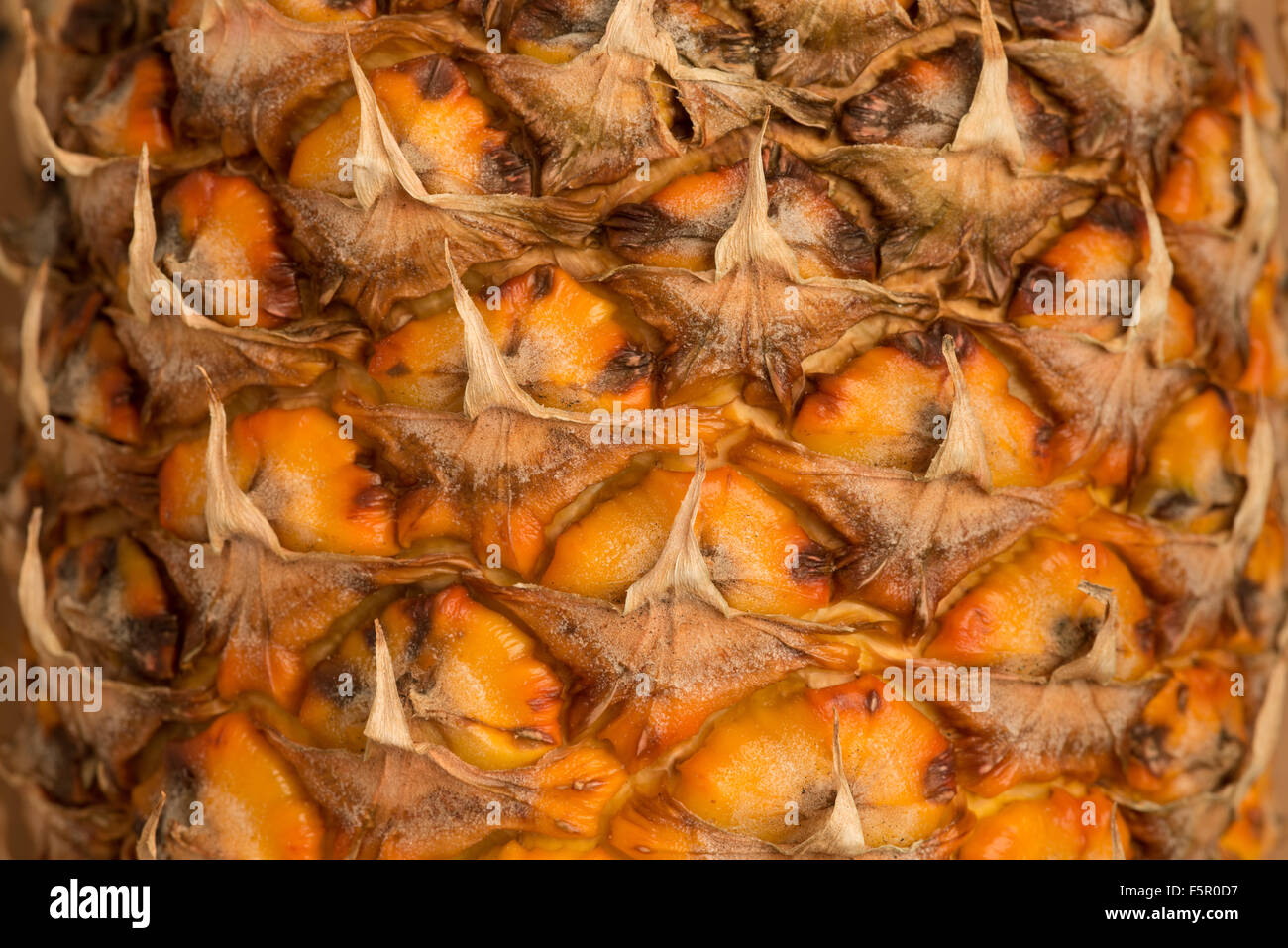
- Overripe: If the pineapple has turned a dark orange, bronze, or dull brown color, it has likely begun to ferment.
The Anatomy of the "Eyes"
The "eyes" of the pineapple are the individual hexagonal units that make up the fruit's exterior. In a mature pineapple, these eyes should be relatively flat and large. If the eyes are small and deep (crinkled), the fruit was likely harvested prematurely. A smooth, well-defined surface suggests the fruit had ample time to swell and develop on the plant.
The Condition of the Crown
While the fruit itself is the priority, the leaves (the crown) can offer clues about the fruit's freshness. The leaves should be a vibrant, healthy green. Avoid pineapples with significantly wilted, brown, or brittle leaves, as this indicates the fruit has been sitting in storage or transport for an extended period, increasing the risk of "internal browning" or juice fermentation.
Using Your Sense of Smell and Touch
If a pineapple passes the visual test, you must confirm its readiness using scent and tactile feedback. These are often more reliable than color alone due to varying agricultural practices and cultivars.
The Fragrance Factor
The most reliable indicator of a ripe pineapple is its aroma. Pick up the fruit and smell the bottom (the stem end).
- The Goal: A ripe pineapple should emit a distinct, sweet, and tropical fragrance. It should smell exactly how you want it to taste.
- The Warning Signs: If there is no scent at all, the pineapple is likely under-ripe and will be tart or woody. Conversely, if you detect a vinegary, pungent, or alcoholic odor, the sugars have begun to ferment, and the fruit is overripe.
The Squeeze Test
A pineapple should feel solid but not rock-hard. Using your palm, give the fruit a gentle squeeze. A ready-to-eat pineapple will have a slight "give" or resilience, similar to a ripe orange. If the fruit feels as hard as a decorative gourd, it is immature. If your thumb leaves an indentation or the shell feels "squishy," the fruit is rotting internally.
Weight and Juice Content
Juice is heavier than air. When comparing two pineapples of similar size, always choose the one that feels heavier. This increased weight indicates a higher juice content and a more developed cellular structure, which correlates with better flavor and texture. A light pineapple is often dry or fibrous.
The "Leaf Pull" Myth vs. Reality
A common piece of kitchen folklore suggests that if you can easily pull a leaf out of the center of the pineapple’s crown, the fruit is ripe. While there is a grain of truth to this, it is not a definitive test.
A leaf that pulls out easily simply indicates that the fruit has begun to decompose at the base of the crown. While this can happen when a fruit is very ripe, it can also happen to an unripe pineapple that has been stored in a humid environment or is suffering from "heart rot." Use the leaf test only as a secondary confirmation, never as your primary method of selection.
Comparison of Pineapple Ripeness Stages
The following table summarizes the key physical characteristics across the three primary stages of pineapple maturity.
| Feature | Unripe / Immature | Ripe / Ready to Eat | Overripe / Fermenting |
|---|---|---|---|
| Shell Color | Uniform dark green | Golden yellow to honey | Orange-bronze or brownish |
| Aroma | None or "grassy" | Sweet and fragrant | Vinegary or alcoholic |
| Texture | Very hard, no give | Firm with slight resilience | Soft, mushy, or leaky |
| Weight | Feels light for size | Heavy and dense | May feel light (dehydrated) |
| Eye Shape | Small, deep, pointed | Large, flat, and open | Sunken or moldy |
| Crown Color | Bright, stiff green | Green with some dry tips | Wilted, brown, or gray |
Common Mistakes When Choosing a Pineapple
One of the most frequent errors is the belief that a green pineapple can be "ripened" on a windowsill. As established by the USDA Agricultural Research Service, the lack of starch-to-sugar conversion post-harvest means that a green pineapple will only become more acidic and eventually rot if left out too long.
Another mistake is ignoring the base of the fruit for mold. Because pineapples sit on their stems during transport, moisture can accumulate. Always check the bottom for white fuzzy spots or dark, wet patches. These are signs of fungal growth that can quickly penetrate the flesh.
Finally, don't be fooled by "sale" pineapples that look perfectly golden but have very dry, brittle leaves. Retailers often discount fruit that is at the very end of its shelf life. While these may be sweet, they often have "internal browning," a physiological disorder where the flesh turns brown and develops an off-flavor due to prolonged cold storage.
How to Handle a Pineapple Once It's Ready
Once you have identified a ripe pineapple in 2026, your window for peak consumption is relatively short. If you do not plan to eat it immediately, follow these storage guidelines:
- Room Temperature: A ripe pineapple will stay fresh on the counter for only 1–2 days. Keep it out of direct sunlight.
- Refrigeration (Whole): You can extend the life of a whole pineapple by about 3–5 days by placing it in a perforated plastic bag in the refrigerator's crisper drawer.
- Refrigeration (Cut): Once sliced, store the fruit in an airtight container with its own juices. It will remain high quality for 5–7 days.
- Freezing: Pineapple freezes exceptionally well. Cut it into chunks and freeze them in a single layer on a baking sheet before transferring them to a vacuum-sealed bag. This prevents the pieces from clumping and preserves the texture for smoothies or cooking.
Frequently Asked Questions
Can a green pineapple be sweet?
Yes, particularly the MD2 variety. Some pineapples are bred to stay green longer to improve shelf life, yet they can have high sugar content. In these cases, rely more heavily on the aroma at the base and the heaviness of the fruit rather than just the skin color.
Why is my pineapple white and flavorless inside?
This is a sign of an immature fruit. If a pineapple is harvested too early, it never develops the yellow carotenoids or the sugars necessary for a tropical flavor. This is why verifying the "eyes" are flat and the base is fragrant is so important before purchase.
Is the core of a ripe pineapple edible?
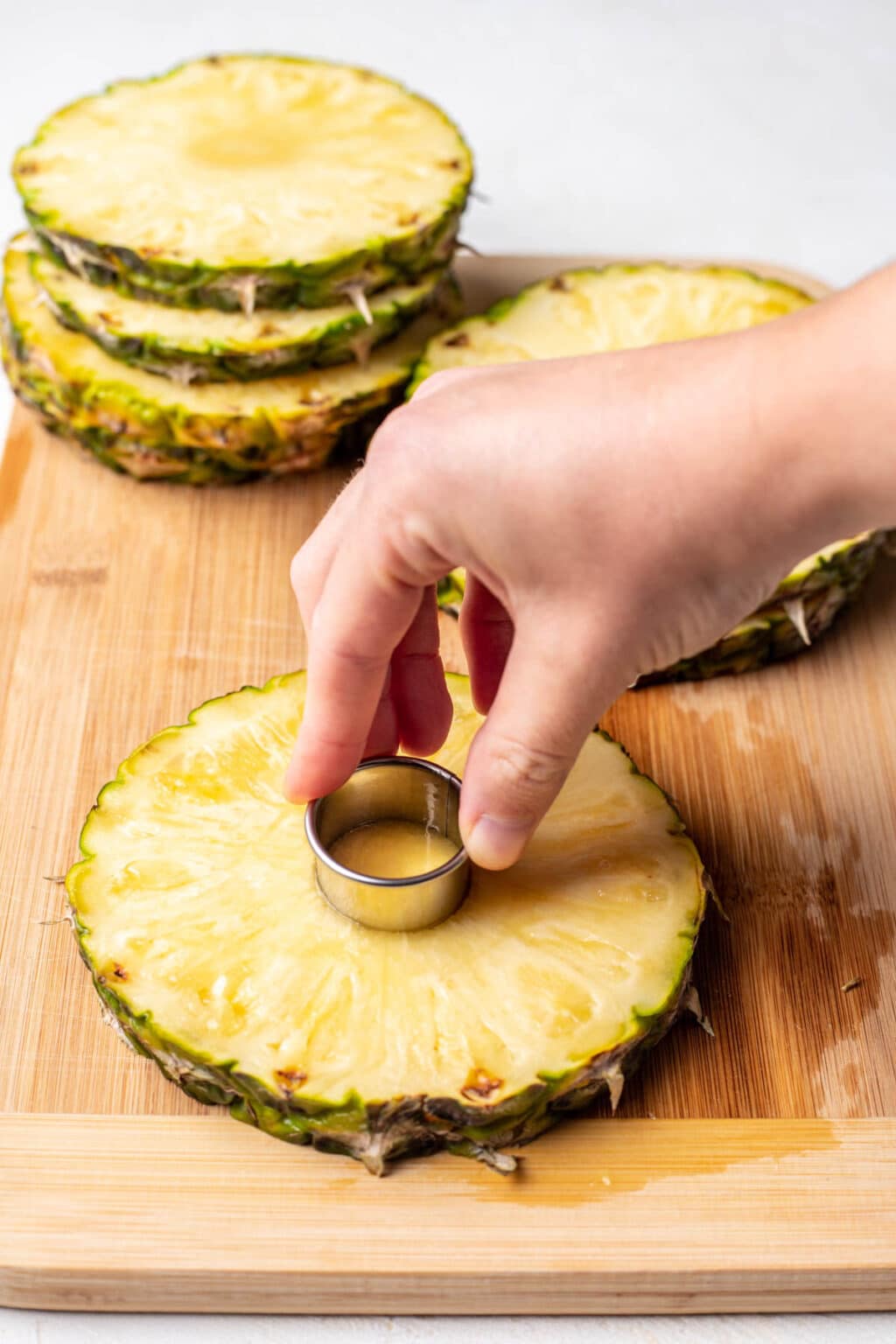
The core is entirely edible and contains high concentrations of bromelain, an enzyme that aids digestion and has anti-inflammatory properties. In a very ripe pineapple, the core is softer and sweeter, though still more fibrous than the surrounding flesh. Many people choose to dice it finely or blend it into juices.
Does upside-down storage help distribute sugar?
This is a popular kitchen hack, but it is largely a myth. While gravity might cause some juices to migrate toward the crown if the pineapple is stored upside down, it does not actually "ripen" the top or increase the sugar content. It is more effective to simply cut the fruit and toss the pieces together to distribute the juice.
What are the brown spots inside the pineapple?
Small, isolated brown spots near the skin are often just "eyes" that weren't fully removed. However, large, translucent, or watery brown areas in the flesh are signs of internal browning or chilling injury. This occurs when pineapples are stored below 45°F (7°C) for too long during transport.
Practical Recommendation
When you are at the grocery store, skip the visual-only check. Pick up the pineapple, smell the base for that unmistakable tropical sweetness, and ensure it feels heavy and firm. If you find a pineapple that is mostly green but smells strongly of sugar and feels heavy, it is a much safer bet than a golden-yellow pineapple with no scent. For the best experience, consume the fruit within 48 hours of purchase to enjoy the peak balance of acidity and sweetness.
Image Gallery