Understanding Cloud Security and Network Solutions in Saint Louis, Missouri
A cloud security network in Saint Louis provides integrated protection for digital assets, combining advanced encryption, Zero Trust Network Access (ZTNA), and regional compliance monitoring. These services enable Missouri businesses t...
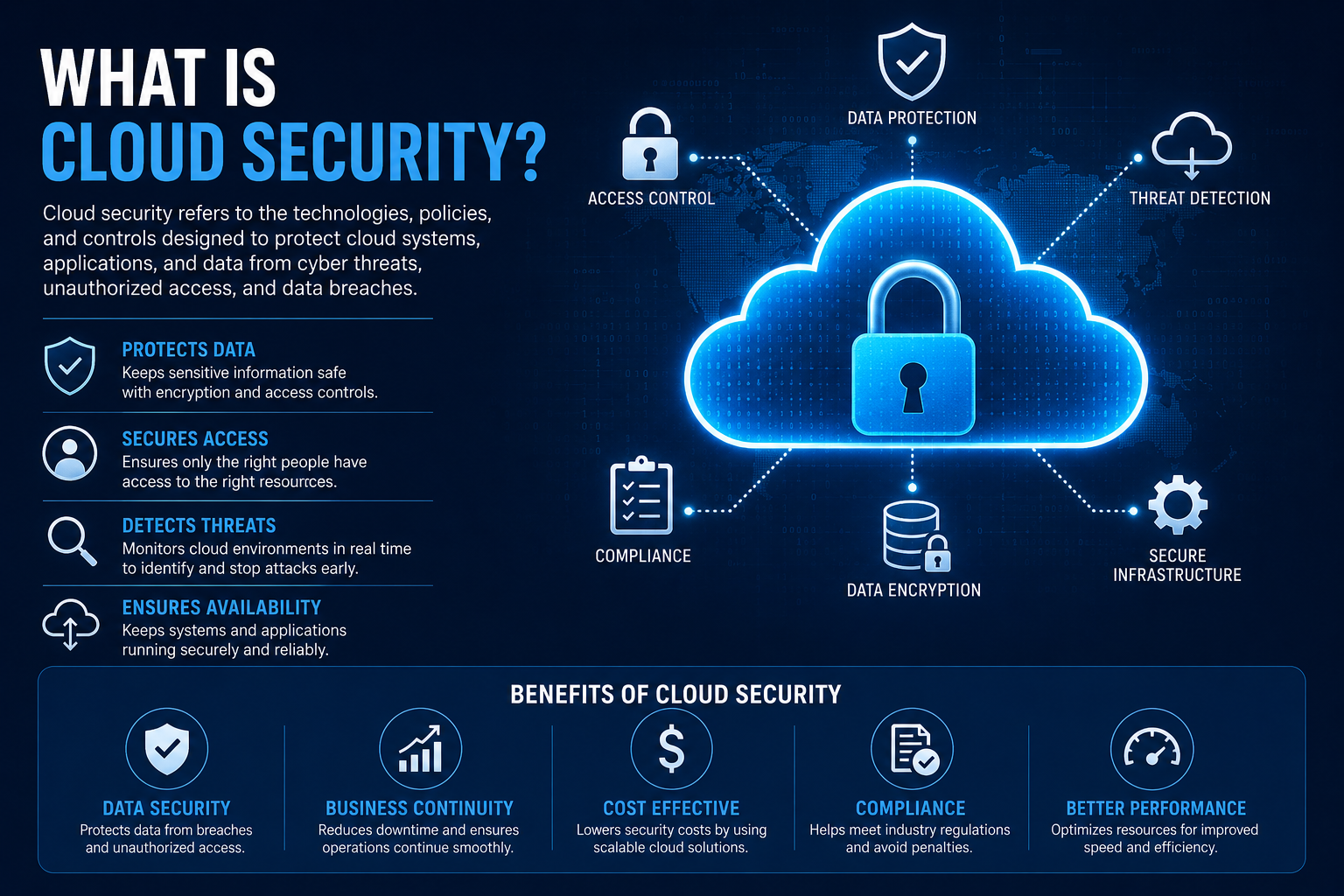
A cloud security network in Saint Louis provides integrated protection for digital assets, combining advanced encryption, Zero Trust Network Access (ZTNA), and regional compliance monitoring. These services enable Missouri businesses to secure remote workforces, protect sensitive data across hybrid cloud environments, and maintain high-speed, low-latency connectivity through localized data centers and managed security operations.
Contents
The landscape of enterprise technology in 2026 has shifted fundamentally toward distributed architectures. For organizations operating in the Saint Louis metropolitan area—ranging from the burgeoning biotech firms in the Cortex Innovation Community to established manufacturing giants—the concept of a "network" no longer refers to a single physical office. Instead, a cloud security network represents a sophisticated overlay that protects data wherever it resides: on-premises, in public clouds like AWS or Azure, or within SaaS applications.
Core Services Provided by Saint Louis Cloud Security Networks
When evaluating what a cloud security network provides, it is essential to distinguish between basic internet connectivity and a secured, managed ecosystem. In the current 2026 environment, local providers offer a multi-layered stack designed to mitigate sophisticated AI-driven threats while ensuring operational uptime.
Integrated SASE and SSE Architectures
Secure Access Service Edge (SASE) and Security Service Edge (SSE) are the primary frameworks provided by modern firms. These architectures converge networking and security into a single, cloud-delivered service. Instead of routing all traffic through a central corporate data center (the "hub-and-spoke" model), SASE allows employees in Clayton, Chesterfield, or downtown St. Louis to connect directly to cloud resources through a secure perimeter.
Providers implement these frameworks to deliver:
- Cloud-Native Firewalls: Unlike hardware firewalls, these scale instantly to handle traffic spikes and provide deep packet inspection for encrypted traffic.
- Secure Web Gateways (SWG): These protect users from web-based threats and enforce corporate policies regardless of the user's physical location.
- CASB (Cloud Access Security Broker): This serves as a checkpoint between cloud service consumers and cloud service providers, ensuring that data moving to platforms like Microsoft 365 or Salesforce complies with security policies.
Zero Trust Network Access (ZTNA)
The "trust but verify" model is obsolete. Saint Louis providers now lead with Zero Trust, which operates on the principle that no user or device should be trusted by default, even if they are within the corporate perimeter. A cloud security network provides the infrastructure to verify identity, device health, and context before granting access to specific applications. This prevents lateral movement—a common tactic where an attacker breaches one low-security device and moves through the network to reach sensitive financial or intellectual property.
Technical Specifications of Local Network Security
The technical depth of these services is significant, involving both software-defined networking (SDN) and physical infrastructure optimization. In Missouri, providers often leverage regional data centers to minimize "tromboning," where data travels long distances to a coastal scrubbing center before returning to a local user.
Encrypted Data Transit and Storage
Data protection is the cornerstone of cloud security. Networks in this region provide end-to-end encryption using AES-256 standards for data at rest and TLS 1.3 for data in transit. Furthermore, providers manage the complex task of "key management," ensuring that encryption keys are rotated regularly and stored in Hardware Security Modules (HSMs) to prevent unauthorized access.
Managed Detection and Response (MDR)
Beyond the network infrastructure itself, St. Louis firms provide 24/7 monitoring through Security Operations Centers (SOC). Using 2026-era machine learning algorithms, these networks analyze patterns to identify anomalies that signal a breach. If a suspicious login occurs from an unrecognized location outside of the Midwest, the network can automatically isolate the affected account or device in milliseconds.
Comparison of Security Models for Saint Louis Enterprises
Choosing the right service level depends on the size of the organization and the sensitivity of its data. The following table compares the typical offerings provided by regional cloud security networks.
| Feature | Basic Managed Firewall | Hybrid Cloud Security | Enterprise Zero Trust (SASE) |
|---|---|---|---|
| Primary Goal | Perimeter Defense | Multi-Cloud Connectivity | Identity-Centric Protection |
| Best For | Small Local Retail/Office | Mid-market Manufacturing | Healthcare & Financial Services |
| Access Control | IP-Based VPN | Multi-Factor Auth (MFA) | Continuous Risk Assessment |
| Data Visibility | Log Collection | Cloud App Discovery | Full Shadow IT Monitoring |
| Infrastructure | On-prem Hardware | Virtual Appliances | 100% Cloud-Native |
| Compliance Support | Basic Logs | HIPAA/PCI Templates | Automated Audit Reporting |
Compliance and Regulatory Frameworks in Missouri
A critical component of what a cloud security network provides is help with regulatory alignment. Businesses in Saint Louis must navigate a complex web of state, federal, and international laws. Local providers specialize in configuring networks to meet these specific requirements.
Missouri Data Breach Notification Laws
Missouri law requires businesses to notify residents if their personal information is compromised. Cloud security networks provide the forensic logging necessary to determine exactly what data was accessed, which can significantly reduce the legal and reputational fallout of an incident. By providing "immutable logs," these networks ensure that an attacker cannot erase their tracks, allowing for accurate reporting to the Missouri Attorney General’s office.
Healthcare (HIPAA) and Financial (SEC/FINRA) Standards
With Saint Louis being a major hub for healthcare systems and financial services, local network providers offer "Compliance-as-a-Service." This includes:
- Micro-segmentation: Isolating Patient Health Information (PHI) from the rest of the corporate network.
- Audit Readiness: Providing real-time dashboards that show compliance status against specific regulatory controls.
- Data Sovereignty: Ensuring that sensitive data remains within specific geographic boundaries if required by contract or law.
Implementation Steps for Modernizing Network Security
Transitioning to a cloud-secured network is a phased process. St. Louis providers typically follow a structured deployment path to ensure business continuity.
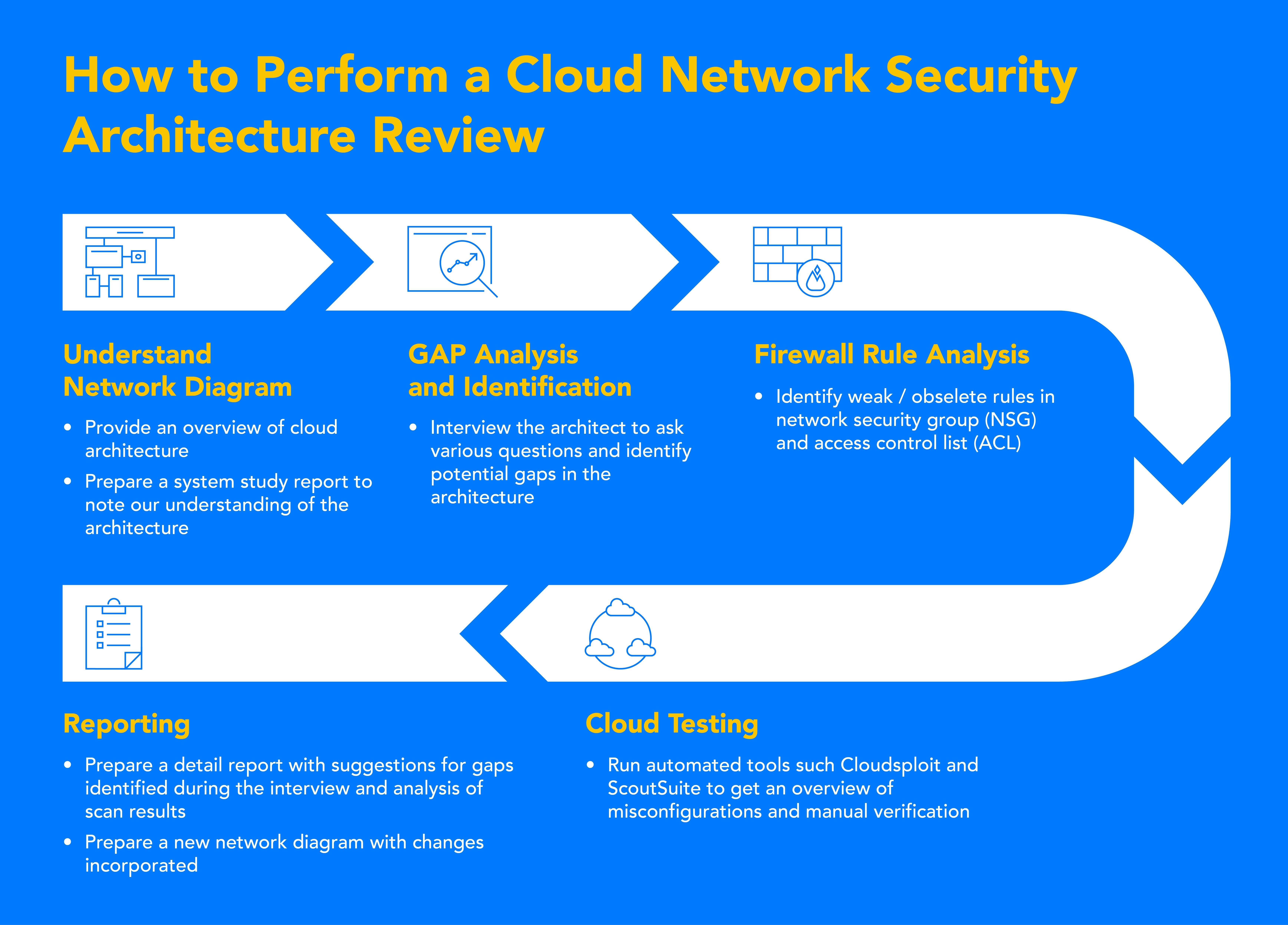
Phase 1: Assessment and Discovery
The provider begins by auditing the existing "Shadow IT" landscape—apps and services employees use without official IT approval. This phase identifies where data is leaking and which legacy systems are most vulnerable.
Phase 2: SD-WAN Integration
Software-Defined Wide Area Networking (SD-WAN) is implemented to replace expensive and rigid MPLS lines. This provides the "network" part of the solution, allowing the business to use standard internet connections while maintaining the reliability and security of a private line.
Phase 3: Security Overlay Deployment
Once the connectivity is established, security layers like ZTNA and CASB are applied. Users transition from traditional VPNs to clientless access portals, which provide a faster and more secure user experience.
Addressing Common Challenges
While cloud security networks offer robust protection, they are not without challenges. Regional providers focus on solving three main issues:
- Latency: By using local "Points of Presence" (PoPs) in the Saint Louis area, providers ensure that security checks do not slow down application performance.
- Complexity: Managing multiple cloud environments (AWS, Google Cloud, Azure) can be overwhelming. A centralized network dashboard provides a "single pane of glass" for management.
- Skill Gaps: Many Missouri businesses lack in-house cybersecurity talent. These networks are often delivered as a managed service, where the provider acts as an extension of the client's IT team.
Frequently Asked Questions
How does cloud security differ from traditional antivirus software?
Traditional antivirus software lives on a single computer and scans files for known threats. A cloud security network protects the entire flow of data between devices, applications, and the internet. It focuses on identity, traffic patterns, and access rights, providing a much broader shield that includes protection against phishing, unauthorized data exfiltration, and network-wide ransomware attacks.
Is a cloud security network necessary for a business with only ten employees?
Yes, because small businesses are often targeted as "easy" entry points for larger supply chain attacks. Even a small firm in Saint Louis likely uses cloud email (like Gmail or Outlook 365) and stores client data online. A scaled-down version of a cloud security network ensures that these cloud accounts are protected by more than just a password, preventing identity theft and business email compromise.
How does a local Saint Louis provider differ from a national one?
A local provider often has direct peering arrangements with regional internet service providers (ISPs) and local data centers. This can result in lower latency for St. Louis-based employees. Additionally, local providers have a deeper understanding of Missouri-specific compliance needs and can provide on-site support for physical hardware transitions when necessary.
Will moving to a cloud security network increase my internet costs?
In many cases, it can actually reduce costs. By shifting from expensive, legacy private circuits (like MPLS) to a secured SD-WAN utilizing standard high-speed business internet, companies often see a reduction in monthly telecom spend. These savings can then be redirected to cover the cost of the security software layers.
Next Steps for Organizations
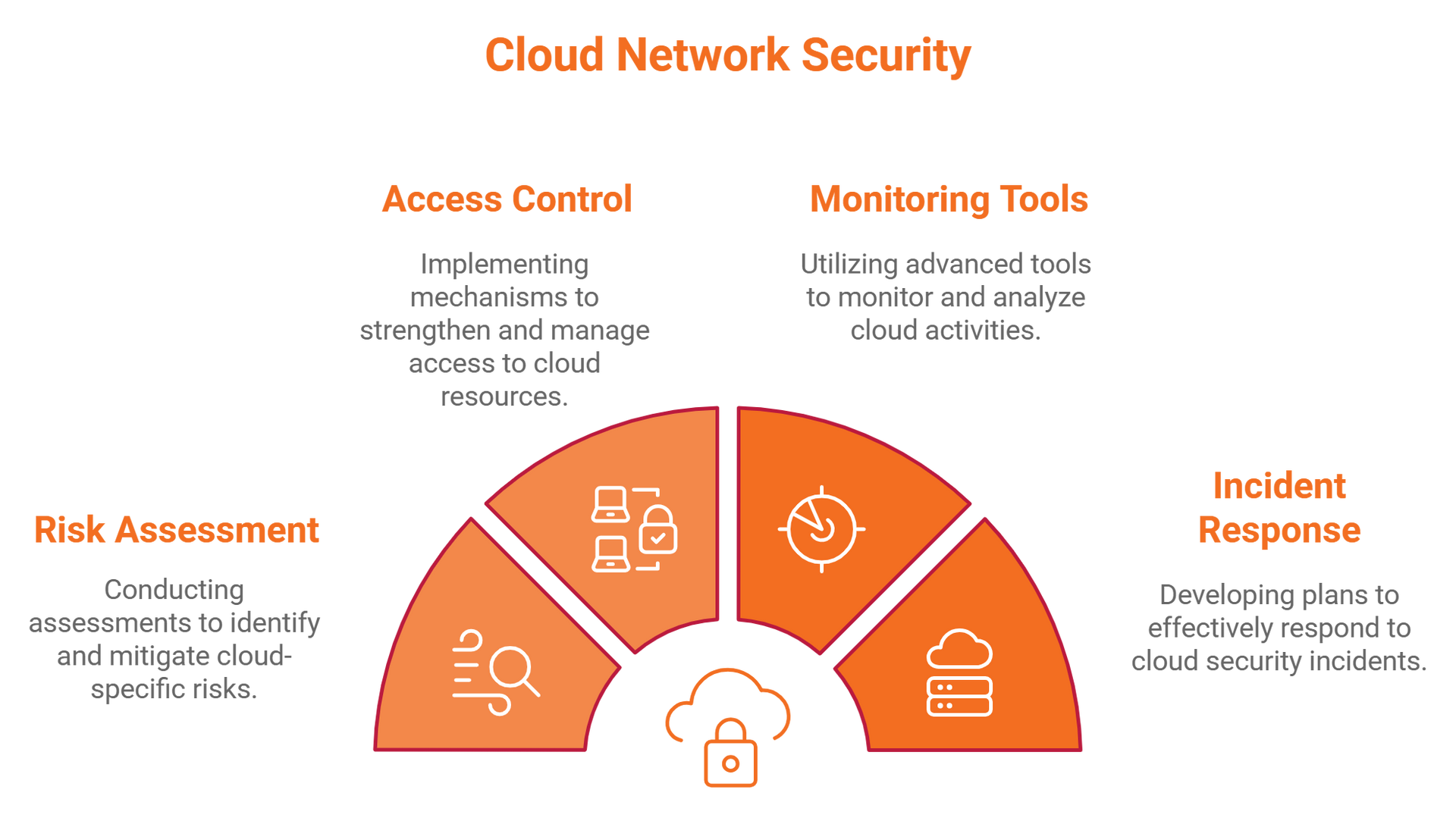
For businesses in Saint Louis looking to secure their operations in 2026, the first step is a comprehensive network risk assessment. Organizations should prioritize providers who offer a unified SASE platform rather than fragmented point solutions. By consolidating security and networking into a single cloud-native architecture, firms can achieve better visibility, lower costs, and a more resilient defense against the evolving threat landscape.
Image Gallery