The Malcolm D. Lee Films That Shaped 2017: A Cultural Turning Point
In 2017, Malcolm D. Lee cemented his status as a pivotal figure in contemporary American cinema by delivering a blockbuster success that redefined the commercial viability of Black-led comedies. The massive performance of Girls Trip th...
In 2017, Malcolm D. Lee cemented his status as a pivotal figure in contemporary American cinema by delivering a blockbuster success that redefined the commercial viability of Black-led comedies. The massive performance of Girls Trip that year served as a masterclass in ensemble casting, genre balancing, and cultural resonance, influencing studio strategies and diversity initiatives throughout the industry for years to come.
Contents
The Context of 2017 in Hollywood
To understand the impact of Malcolm D. Lee’s work in 2017, one must examine the state of the film industry during that period. For years, major studios operated under the persistent, albeit flawed, "conventional wisdom" that films featuring predominantly Black casts—particularly those aimed at adult women—had limited international appeal and restricted box-office ceilings.
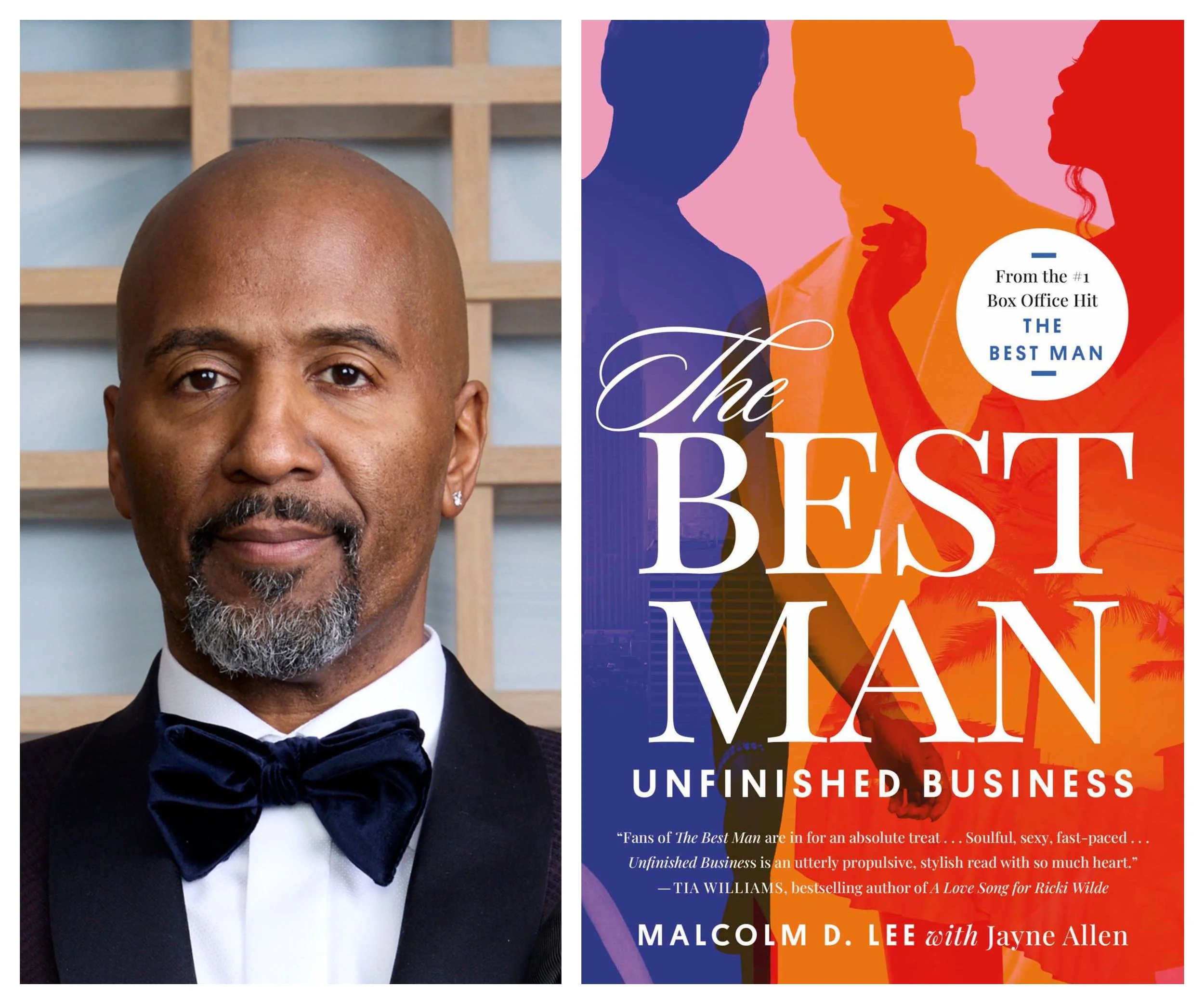
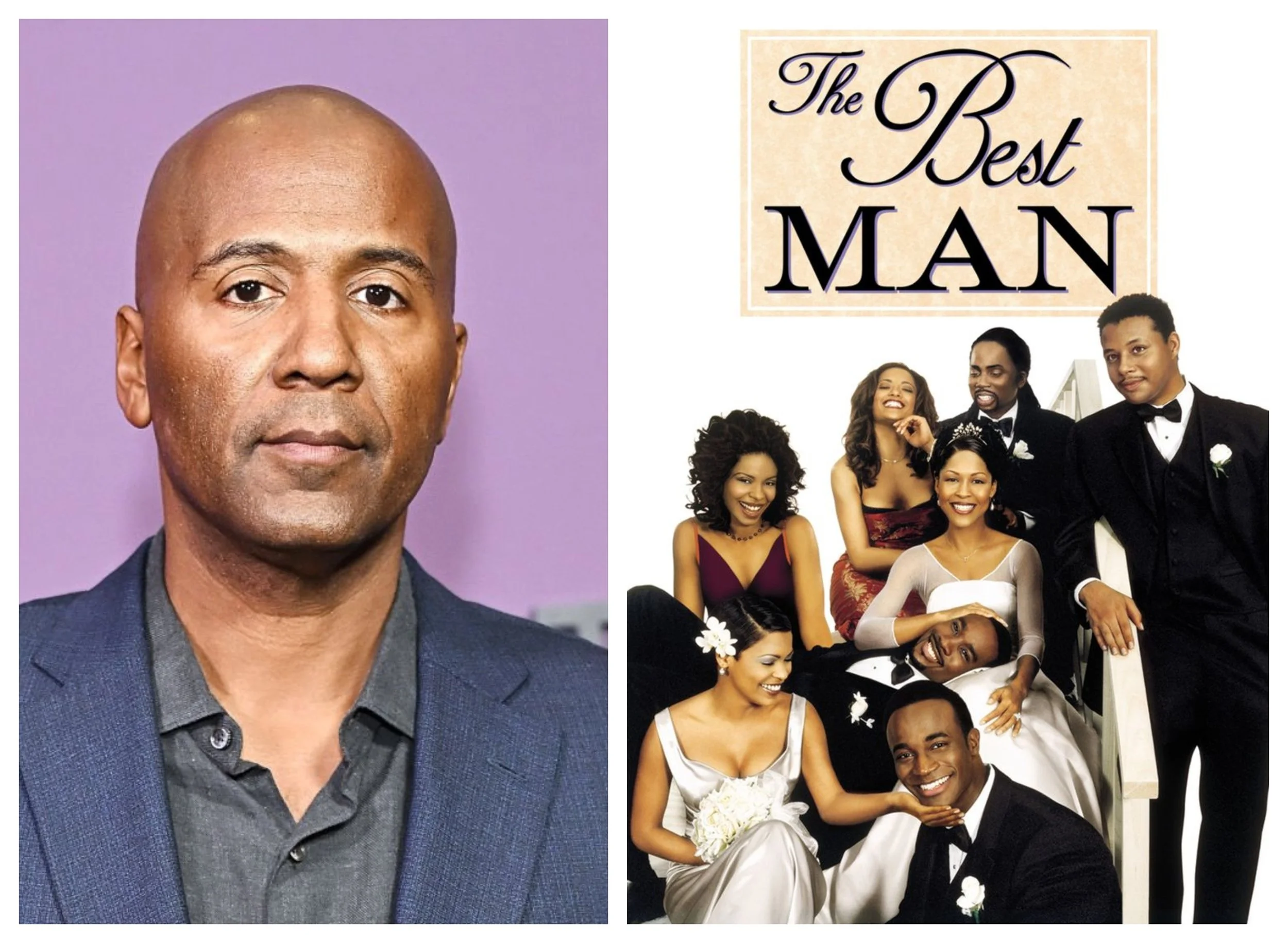
Malcolm D. Lee, having already established himself with franchises like The Best Man, entered 2017 with the opportunity to challenge these institutional biases. The release of Girls Trip in July 2017 did not merely meet modest expectations; it obliterated them. The film grossed over $140 million worldwide against a budget of approximately $19 million. This financial performance provided empirical evidence to studio executives that diverse stories could generate significant returns, shifting the conversation from "niche marketing" to "mass-market potential."
Anatomy of a Breakout: Analyzing Girls Trip
Girls Trip followed the journey of four college friends—the "Flossy Posse"—who reunite for a weekend at the Essence Festival in New Orleans. The film’s success was not accidental; it relied on a sophisticated understanding of character dynamics and the blending of raucous R-rated humor with genuine emotional stakes.
The Power of Ensemble Casting
The chemistry between Regina Hall, Queen Latifah, Tiffany Haddish, and Jada Pinkett Smith was the engine of the film. By leveraging the established star power of Hall, Latifah, and Pinkett Smith, and pairing them with the then-breakout talent of Tiffany Haddish, Lee created a perfect comedic synergy. The production allowed for improvisation, which injected a sense of spontaneity that is often absent in high-budget studio comedies.
Leveraging the Essence Festival
By choosing the Essence Festival as the backdrop, Lee grounded the film in a real-world cultural institution. This provided the film with an authentic atmosphere that resonated deeply with the target demographic, while simultaneously introducing a wider audience to the scale and significance of the event. The location became a character itself, providing a vibrant, high-energy environment that mirrored the film's narrative trajectory.
Comparative Impact of 2017 Comedies
The following table provides a snapshot of how Girls Trip compared to other notable comedies released during the 2017 calendar year, illustrating its relative dominance in the marketplace.
| Film Title | Director | Genre | Estimated Budget | Box Office (Global) |
|---|---|---|---|---|
| Girls Trip | Malcolm D. Lee | Comedy | $19M | $140M+ |
| Rough Night | Lucia Aniello | Comedy | $20M | $47M |
| Snatched | Jonathan Levine | Comedy | $42M | $60M |
| Baywatch | Seth Gordon | Action/Comedy | $69M | $177M |
Note: Figures represent general reporting from 2017 fiscal periods. Performance metrics reflect the disparity between budget allocation and realized profit.
The "Tiffany Haddish" Effect
A significant portion of the critical and commercial discourse regarding the 2017 films of Malcolm D. Lee centers on the emergence of Tiffany Haddish. Her performance as Dina was widely recognized as a star-making turn, with many critics citing it as the most significant comedic breakout of the decade.
For Lee, the ability to direct Haddish in a role that allowed for both physical comedy and heartfelt vulnerability proved his proficiency as an actor’s director. This association helped propel both Lee and Haddish into a new tier of industry influence, ensuring that future projects would benefit from the "halo effect" of the film's massive success. By the end of 2017, the industry recognized that Lee possessed a unique ability to identify and amplify comedic timing in a way that bridged the gap between underground talent and mainstream stardom.
Industry Shifts and Long-Term Legacy
The legacy of Malcolm D. Lee’s 2017 work extends beyond the box office. It forced a reassessment of marketing budgets for films targeted at Black audiences. Previously, these films often faced "ghettoization" in terms of advertising spend, with limited pushes into international markets or mainstream multiplexes.
Girls Trip demonstrated that when a film is treated with the same promotional weight as major action franchises, the returns follow. This shift in strategy influenced the greenlighting process for future projects in 2018 and beyond, as studios became more willing to invest in ensemble comedies featuring diverse leads. The 2017 season remains a case study in how a director can align creative vision with demographic understanding to create a "four-quadrant" hit.
Technical Considerations for Independent and Studio Filmmakers
For those studying Lee’s approach, the primary lesson is the necessity of tonal balance. Girls Trip successfully navigated the difficult task of balancing vulgarity with sentimentality. Many comedies fail by leaning too far into either extreme, resulting in either a hollow experience or a dry, didactic one. Lee’s technical command of pacing ensured that the dramatic beats—the falling out and subsequent reconciliation of the friends—felt earned rather than forced.
Another technical takeaway is the importance of "place-based" world-building. Rather than filming in generic sets or studio-bound locations, Lee’s commitment to the authentic environment of New Orleans provided a visual identity that made the film feel like an event. This technique is often overlooked in contemporary comedies but remains a staple of successful high-grossing films that aim to capture the zeitgeist.
Frequently Asked Questions
Why is 2017 considered a pivotal year for Malcolm D. Lee?
2017 marked the release of Girls Trip, which proved that a R-rated comedy with a predominantly Black female ensemble could be a massive global box-office success. It challenged the industry status quo regarding casting and marketing.
What made the collaboration between Malcolm D. Lee and Tiffany Haddish successful?
The collaboration worked because Lee provided a platform that allowed for Haddish's improvisational strengths to thrive within a structured narrative. This allowed her character, Dina, to become a memorable icon that drove word-of-mouth marketing for the film.
Did Malcolm D. Lee direct other films in 2017?
While Girls Trip was his primary theatrical release that year, its dominance was so significant that it occupied the entirety of the cultural conversation surrounding his 2017 output.
How did the success of his 2017 films influence studio greenlighting?
Studios began to pivot away from the myth that films with diverse casts had limited international appeal. The financial data from 2017 provided the necessary leverage for producers to pitch and secure funding for a broader array of diverse ensemble films in subsequent years.
What is the main takeaway for filmmakers from Lee’s 2017 success?
The primary lesson is that audience engagement is driven by authentic character chemistry and emotional resonance, provided the film is supported by the same level of marketing and distribution afforded to other major studio releases.
Recommendation for Further Analysis
For researchers and film students interested in the economics of 2017 cinema, the most effective next action is to compare the domestic vs. international marketing spends of Girls Trip against comparable films of that year. Analyzing the promotional trailers and demographic targeting reports from that period—often archived in industry trade publications—will reveal exactly how the "demographic myth" was dismantled. By reviewing the actual distribution footprints, you can observe how a film that was expected to be a domestic-only hit became a global cultural touchstone, setting the stage for more inclusive casting in the years that followed.
Image Gallery