Understanding the TIAA-CREF Life Insurance Option
Understanding the TIAA-CREF life insurance option requires examining how a financial services organization historically rooted in serving the academic, research, medical, and cultural fields extends its institutional philosophy into pe...
Understanding the TIAA-CREF life insurance option requires examining how a financial services organization historically rooted in serving the academic, research, medical, and cultural fields extends its institutional philosophy into personal risk management and estate planning. TIAA (Teachers Insurance and Annuity Association) and CREF (College Retirement Equities Fund) provide a suite of financial solutions designed to protect income and build long-term security, with life insurance functioning as a core instrument to safeguard dependents against premature loss of income.
Contents
The Foundation of TIAA-CREF Life Insurance
The evolution of TIAA-CREF stems from a unique organizational heritage established in 1918 by Andrew Carnegie and the Carnegie Foundation for the Advancement of Teaching. Originally created to provide guaranteed retirement income and insurance options specifically tailored to educators and staff at non-profit institutions, the organization has since expanded its eligibility criteria while retaining its core emphasis on low-cost structures, fiduciary responsibility, and long-term financial stability.
When evaluating the TIAA-CREF life insurance option, policyholders engage with TIAA-CREF Life Insurance Company, a wholly-owned subsidiary of TIAA. This legal distinction ensures that insurance products are backed by the claims-paying ability and financial strength of the enterprise, which holds high financial strength ratings from major independent rating agencies such as A.M. Best, Fitch, Moody's, and Standard & Poor's. These ratings reflect the company's robust capitalization, conservative investment management style, and long-standing commitment to policyholder security.
Unlike commercial carriers focused heavily on rapid shareholder returns, TIAA operates under a unique structure that prioritizes value for its participants. While the life insurance subsidiary operates as a taxable corporate entity to support regulatory requirements and product development, it inherits the institutional ethos of transparency, straightforward underwriting, and educational guidance. This background influences how policies are structured, marketed, and serviced, appealing particularly to individuals who value institutional permanence and conservative risk management.
Core Types of TIAA-CREF Life Insurance Policies
Navigating the TIAA-CREF life insurance portfolio involves understanding the distinction between temporary protection and permanent accumulation strategies. The product lineup is structured to address different life stages, financial obligations, and estate planning objectives.
Term Life Insurance Solutions
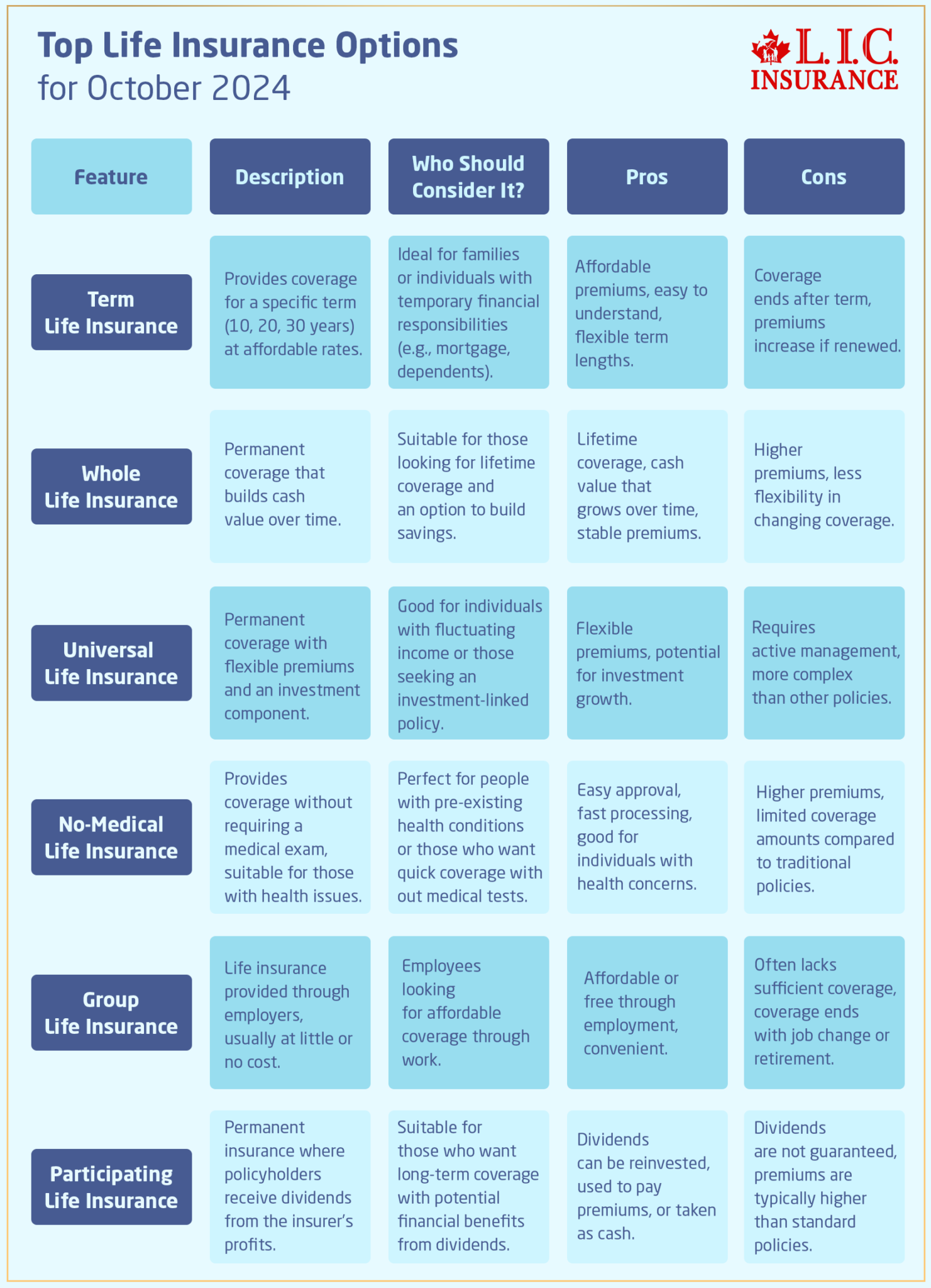
Term life insurance provides pure death-benefit protection for a specified period, such as 10, 15, 20, or 30 years. TIAA-CREF offers level-premium term policies, meaning the scheduled premium payment remains constant throughout the chosen term duration.
- Target Audience: Young families, professionals with mortgages, or individuals with temporary financial liabilities who require maximum death benefit coverage at a cost-effective price point.
- Conversion Feature: Many term policies include a conversion rider, allowing policyholders to transition from term coverage to a permanent life insurance policy without undergoing new medical underwriting, subject to specific contractual timelines.
Permanent Life Insurance Solutions
Permanent life insurance offers lifelong coverage accompanied by a cash value component that grows on a tax-deferred basis. TIAA-CREF provides several variations within this category:
- Whole Life Insurance: Features guaranteed premiums, guaranteed death benefits, and a guaranteed rate of cash value growth, alongside the potential to earn non-guaranteed dividends.
- Universal Life Insurance: Offers greater flexibility in premium payments and death benefit amounts, allowing policyholders to adjust their financial commitments as their life circumstances evolve, backed by a credited interest rate tied to market performance with a guaranteed minimum floor.
| Policy Type | Primary Purpose | Premium Structure | Cash Value Growth |
|---|---|---|---|
| Term Life | Temporary income replacement | Level for 10–30 years | None |
| Whole Life | Lifetime protection and accumulation | Fixed and guaranteed | Guaranteed + potential dividends |
| Universal Life | Flexible lifelong coverage | Adjustable within limits | Credited interest with minimum floor |
Eligibility, Underwriting, and Application Process
Securing a policy through TIAA-CREF involves a structured evaluation process designed to assess mortality risk and financial suitability. Historically focused on non-profit employees, TIAA has broadened its market reach, allowing a wider public audience to access its insurance and investment products, though certain institutional ties may offer specialized administrative integration.
The application and underwriting process generally proceeds through several distinct stages:
- Needs Analysis and Quote Generation: Prospective buyers utilize online calculators or consult with financial advisors to determine the appropriate coverage amount, factoring in outstanding debts, future education costs, income replacement needs, and final expenses.
- Formal Application Submission: Submitting detailed personal, medical, and financial information via digital portals or through licensed advisors.
- Medical Underwriting: Depending on the policy type, face amount, and applicant age, underwriting may require a paramedical exam—including blood and urine collection—alongside an review of medical history, motor vehicle records, and prescription database checks. Accelerated underwriting pathways may bypass physical exams for qualified applicants meeting specific health and age criteria.
- Offer and Issuance: Upon underwriting approval, the formal policy contract is issued, detailing premium rates, riders, and surrender schedules. Acceptance requires signing the paperwork and paying the initial premium to put coverage into effect.
Analyzing Costs, Fees, and Dividend Structures
The financial architecture of TIAA-CREF life insurance emphasizes cost efficiency, mirroring the organization's broader philosophy on low-fee retirement products. However, policy costs vary significantly based on individual risk factors.
Premium pricing is fundamentally driven by actuarial principles. Age, gender, tobacco use, height-and-weight proportions, personal medical history, and family longevity shape the underwriting tier assigned to an applicant, ranging from preferred plus to standard tobacco. Selecting term life insurance yields the lowest initial cost per dollar of coverage, whereas whole life and universal life demand higher contributions due to the inclusion of savings and investment mechanisms.
For participating whole life policies, dividends play an important role in long-term value. While dividends are never guaranteed, TIAA has a long history of paying dividends to eligible policyholders. These dividends can be taken in cash, used to reduce premium payments, left on deposit to earn interest, or utilized to purchase paid-up additional insurance, which simultaneously increases both the total death benefit and the underlying cash value.
Comparing TIAA-CREF to Commercial Insurance Alternatives
When evaluating the TIAA-CREF life insurance option against offerings from traditional stock-owned or mutual insurance giants, consumers must weigh several operational and philosophical differences.
Commercial mutual insurance companies, such as New York Life, Northwestern Mutual, or MassMutual, operate on a similar cooperative framework where policyholders own a share of the enterprise and share in divisible surplus through dividends. Like these mutual giants, TIAA emphasizes financial stability and long-term policyholder interests over short-term quarterly earnings.
However, TIAA-CREF distinguishes itself through its deep institutional integration with higher education, research, and non-profit sectors. For individuals already utilizing TIAA retirement annuities, consolidating financial management under a single institutional umbrella simplifies tracking, beneficiary designations, and overall estate planning. Conversely, commercial insurers may offer a wider array of specialized proprietary riders, such as complex long-term care integrations or aggressive indexed universal life (IUL) designs, which may outpace TIAA's more conservative product shelf.
Common Mistakes and Strategic Misconceptions
Navigating life insurance purchases often leads to avoidable pitfalls that can compromise long-term financial security. Understanding these errors helps ensure optimal policy selection.
- Underestimating Coverage Duration: Selecting a 10-year term policy when long-term liabilities extend across decades can leave dependents unprotected when the term expires and renewal rates spike prohibitively.
- Treating Insurance Solely as an Investment: While permanent policies build cash value, utilizing life insurance primarily as a short-term investment vehicle ignores the high upfront administrative costs and the primary purpose of the contract, which is risk protection.
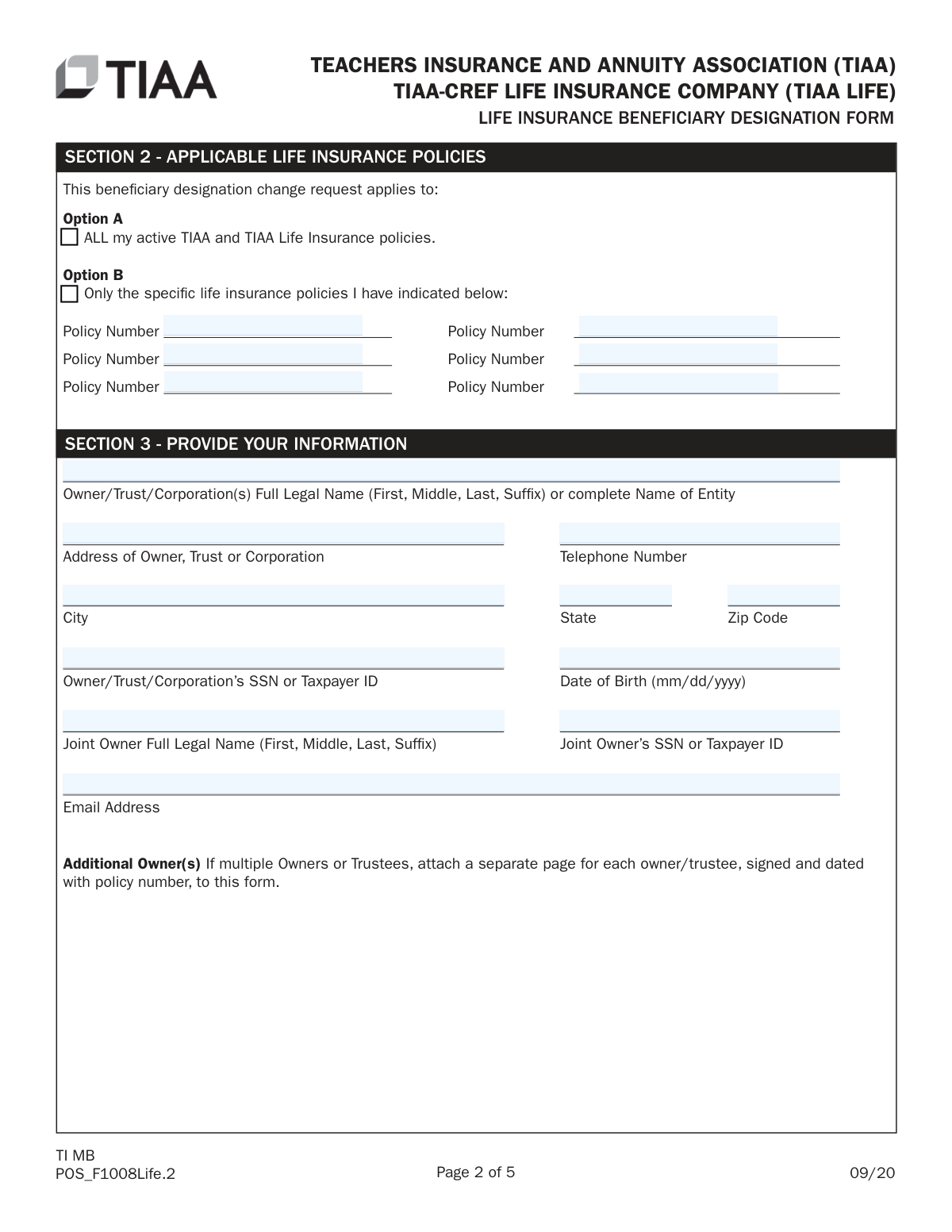
- Neglecting Beneficiary Designations: Failing to update primary and contingent beneficiaries following major life events—such as marriage, divorce, or the birth of children—frequently leads to unintended estate distribution outcomes that supersede standard will provisions.
- Lapsing Policies Prematurely: Abandoning a permanent policy during its early years incurs surrender charges and sacrifices the long-term compounding benefits of cash value accumulation.
Frequently Asked Questions
Is TIAA-CREF life insurance only available to educators and non-profit workers?
No. While TIAA was founded to serve the higher education and research communities, its life insurance and financial products are widely available to the general public, though certain historical ties and specialized institutional services remain focused on educational and non-profit sectors.
Can I convert my term life insurance policy to a permanent policy later?
Many TIAA-CREF term life insurance contracts include a conversion privilege. This feature allows policyholders to transition from temporary term coverage to a permanent whole or universal life policy without undergoing new medical exams, provided the conversion is executed within the contractual window specified in the policy.
How are life insurance dividends taxed?
Dividends paid on participating whole life insurance policies are generally treated by the Internal Revenue Service as a return of premium rather than taxable income, up to the total amount of premiums paid into the policy. Once cumulative dividends exceed total premium outlays, additional distributions may be subject to taxation.
What happens if I miss a premium payment?
Most permanent policies feature a contractual grace period—typically 31 days—during which a missed payment can be made without lapsing the policy. Permanent policies with accumulated cash value may also utilize automatic premium loan provisions, where the cash value covers the unpaid premium, though this reduces the net cash value and death benefit.
How does TIAA-CREF ensure the financial security of its life insurance policies?
TIAA-CREF maintains a conservative investment portfolio consisting largely of high-grade fixed-income securities, commercial mortgages, and real estate, supported by substantial capital reserves. This disciplined approach underpins the high financial strength ratings awarded to the organization by independent rating agencies.
Practical Next Actions
To successfully integrate a TIAA-CREF life insurance option into your broader financial plan, begin by conducting a comprehensive family needs assessment to quantify your exact income-replacement and capital-preservation targets. Next, request direct quotes from TIAA-CREF alongside competitive bids from established mutual insurers to benchmark costs and policy features. Finally, schedule a consultation with a fee-only fiduciary financial advisor or a licensed TIAA representative to review how the chosen insurance structure aligns with your retirement accounts, estate documents, and overall long-term financial objectives.
Image Gallery