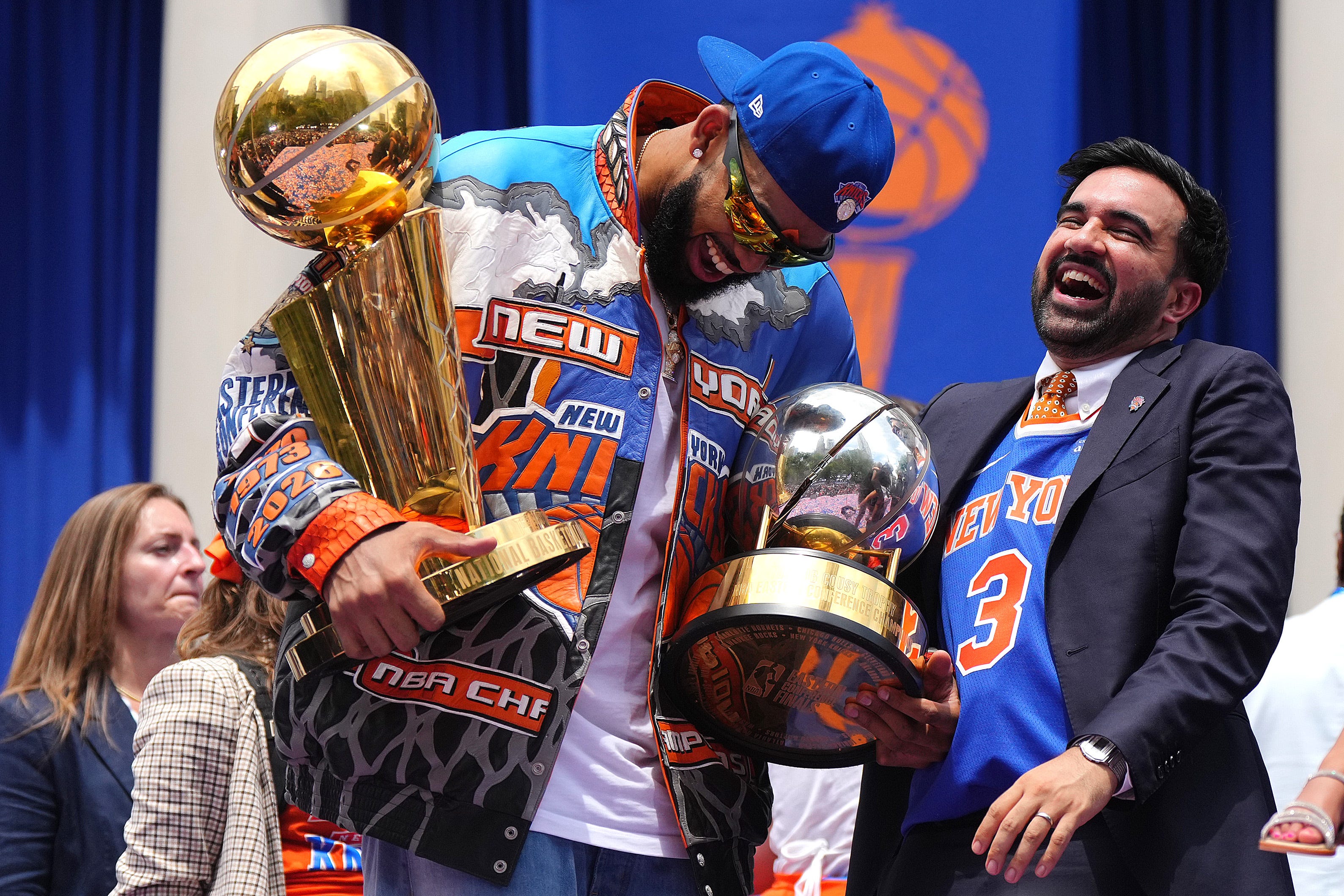
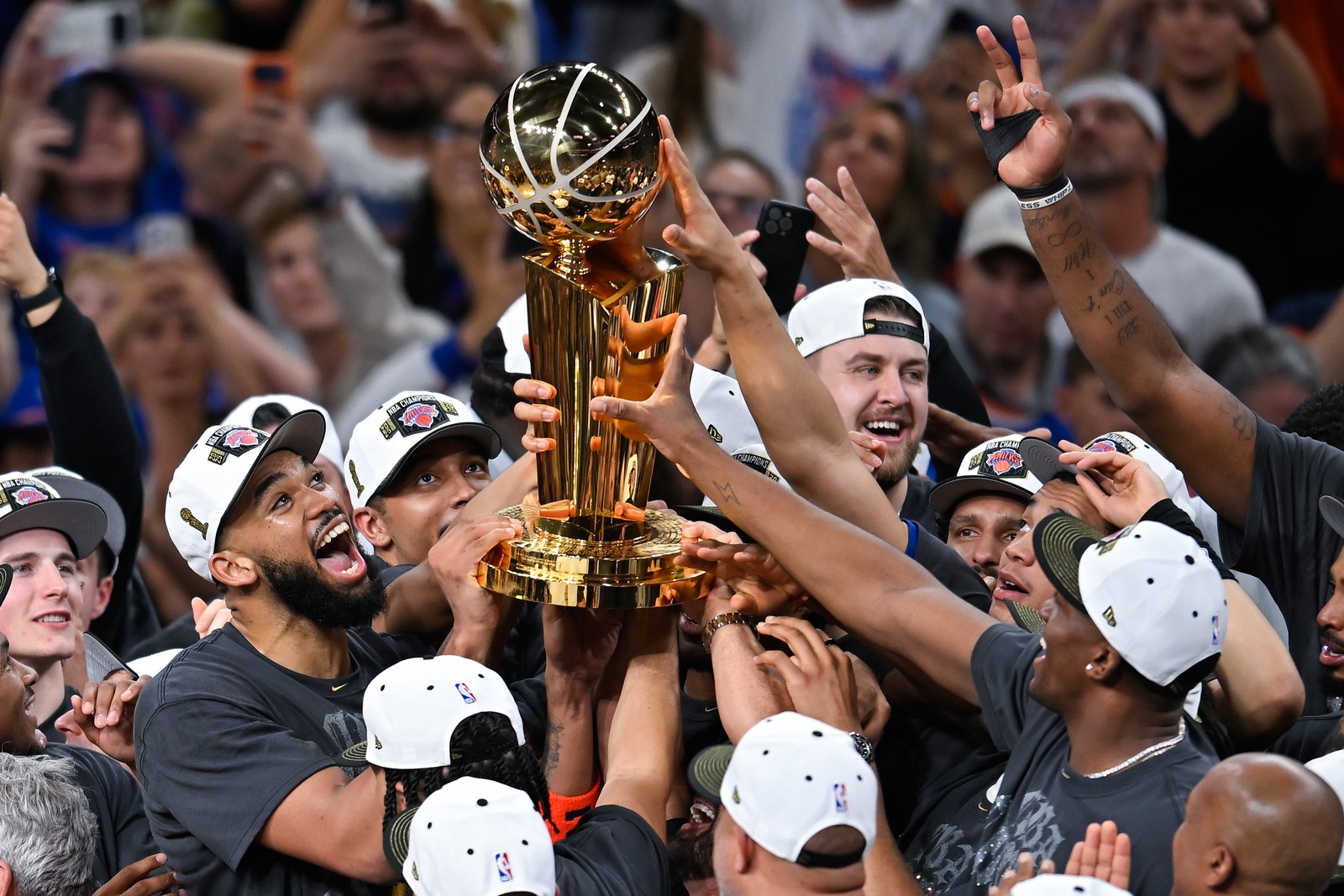
How Knicks Championship Photos Reveal New York City’s Historic Celebrations
Archival photography from the New York Knicks' 1970 and 1973 NBA Championship victories captures one of the most electric civic celebrations in American sports history. From Willis Reed’s dramatic Game 7 entrance to spontaneous street...
Archival photography from the New York Knicks' 1970 and 1973 NBA Championship victories captures one of the most electric civic celebrations in American sports history. From Willis Reed’s dramatic Game 7 entrance to spontaneous street rallies surrounding Madison Square Garden, these historic images document how a world championship united New York City across all five boroughs.
Contents
The Visual Legacy of the 1970 Knicks Championship Victory
The 1970 NBA Finals victory stands as a watershed moment in New York sports history. When the Knicks defeated the Los Angeles Lakers in Game 7 on May 8, 1970, photojournalists captured imagery that transformed a basketball game into an enduring piece of urban folklore.
Photojournalism from that night provides a frame-by-frame accounting of collective relief and euphoria. For a city navigating severe social, economic, and political shifts in the early 1970s, the championship provided a rare moment of shared triumph. The visual record spans from the hard-wood action inside Madison Square Garden to the packed sidewalks of Midtown Manhattan.
- Madison Square Garden Floor (Willis Reed's Entrance)
- Locker Room Scenes (Champagne & Trophies)
- Midtown Street Rallies (8th Ave & 34th St Crowds)
- Civic Parades & Archives
Willis Reed’s Game 7 Entrance and Court-Side Euphoria
The primary focal point of the 1970 photo archives remains Willis Reed’s surprise appearance in Game 7. Having suffered a severe muscle tear in his right thigh during Game 5, Reed’s availability was in doubt until moments before tip-off.
Official Madison Square Garden photographer George Kalinsky captured the exact instant Reed walked out of the tunnel onto the court during warmups. The photographs reveal:
- Player Reactions: Lakers players stopping their warmup drills to watch Reed limp onto the court, visible in wide-angle baseline frames.
- Crowd Dynamics: Fans in the lower bowl rising to their feet, arms raised, creating a wall of standing spectators framed against MSG’s iconic felt-tiled ceiling.
- On-Court Intensity: Close-up shots of Reed hitting his first two jump shots, establishing early momentum before Walt "Clyde" Frazier posted his historical performance of 36 points and 19 assists.
These photographs captured emotional gravitas alongside athletic execution, establishing a visual standard for modern sports photojournalism.
Midtown Street Rallies and Madison Square Garden Crowds
Outside the arena, news photographers from the New York Daily News, The New York Times, and the Associated Press focused their lenses on Eighth Avenue and 33rd Street. As the final buzzer sounded, thousands of fans poured into the streets surrounding Pennsylvania Station.
Flash photography from the street level shows fans climbing light poles, holding hand-painted cardboard signs, and hugging strangers in front of marquee signs displaying the final score: Knicks 113, Lakers 99. These candid nighttime shots preserve the raw spontaneous energy of early 1970s New York, recording fashion, street architecture, and genuine public expression.
Documenting the 1973 Title Run: Locker Rooms to City Streets
Three years later, the Knicks repeated their title run by defeating the Lakers in five games during the 1973 NBA Finals. While the 1970 victory represented emotional catharsis, the 1973 title photos document a veteran team cementing a professional dynasty under head coach Red Holzman.
| INSIDE MSG / LOCKER ROOM | ACROSS THE FIVE BOROUGHS |
|---|---|
| • Red Holzman cigar celebration | • Canyon of Heroes ticker-tape |
| • Frazier, Bradley, Monroe, Lucas | • Neighborhood block parties |
| • Trophy handoff photo ops | • Front-page newspaper pressings |
Locker Room Celebrations and Team Dynamics
The locker room photos following Game 5 on May 10, 1973, offer an intimate look at a roster featuring six future Naismith Memorial Basketball Hall of Fame members: Willis Reed, Walt Frazier, Dave DeBusschere, Earl Monroe, Bill Bradley, and Jerry Lucas.
Black-and-white press photographs highlight the exhaustion and camaraderie within the visitor locker room at The Forum in Inglewood, California, and the subsequent return flight home to John F. Kennedy International Airport:
- Coach Red Holzman: Captured mid-laugh, holding a victory cigar surrounded by sports reporters equipped with press badges and vintage tape recorders.
- Walt Frazier and Earl Monroe: Photographed together in warmups, reflecting the backcourt synergy that redefined NBA guard play during the early 1970s.
- The Larry O'Brien Trophy Predecessor: Images of team captain Willis Reed holding the Walter A. Brown Trophy alongside team owner Ned Irish.
These images, distributed nationally via news wire services, grounded the team's public persona in disciplined teamwork and collective work ethic.
Civic Recognition and Public Tributes Across the Five Boroughs
Unlike modern victory parades that are strictly scheduled media events, the public celebrations following the 1973 title involved organic community gatherings across Queens, Brooklyn, the Bronx, Staten Island, and Manhattan.
Photographers documented ticker-tape showers in Lower Manhattan's Canyon of Heroes, where office workers threw paper from high-rise windows along Broadway. Images from outer-borough neighborhood taverns and community centers show residents celebrating around small television sets, demonstrating the basketball franchise's wide regional reach.
Archival Photo Collections and Where to View Historic Knicks Imagery
Surviving photography from the 1970 and 1973 Knicks championships is preserved across public libraries, sports halls of fame, and news organization archives. These collections preserve physical film negatives, color slides, and original contact sheets.
| Archival Collection | Primary Medium & Format | Key Subjects Captured | Access & Historical Value |
|---|---|---|---|
| Madison Square Garden Archives | 35mm Color Film / Ektachrome | On-court action, tunnel entrances, court storming | Official venue record; contains original George Kalinsky negatives. |
| Associated Press (AP) Images | Black & White Wire Press Prints | Locker room interviews, crowd reactions, city streets | Preserves newsroom distribution history and immediate editorial coverage. |
| New York Daily News Archive | Medium Format Film / B&W | Midtown fan gatherings, street celebrations, parades | High-detail urban photography capturing local community culture. |
| Sports Illustrated Archive | 35mm & 120mm Color Slides | Game action, magazine cover shots, portraiture | Iconic color-saturated imagery used for national magazine features. |
| Bettmann / Getty Images Archive | Vintage Gelatin Silver Prints | Civic ceremonies, mayoral receptions, airport arrivals | Comprehensive historical documentation of New York civic infrastructure. |
Researchers, historians, and fans can explore portions of these collections through digital library databases, such as the Library of Congress photo archives, or through dedicated exhibits at the Naismith Basketball Hall of Fame.
Key Technical Elements of 1970s Sports Photojournalism
Understanding the technical aspects of 1970s photography highlights why championship images from this era look distinct from contemporary digital sports photos.
- 1970s Indoor Arena Lighting (Tungsten & Ambient Overhead)
- 35mm High-Speed Film (Kodak Tri-X / Push 1600)
- On-Camera Shoe Flash (Manual Exposure & Sync)
- High-Contrast & Grainy Aesthetic
Film Stock and Arena Lighting Challenges
Inside Madison Square Garden during the late 1960s and early 1970s, lighting levels were substantially dimmer than today's broadcast-quality LED arrays. Sports photographers relied heavily on specific equipment configurations:
- High-Speed Black-and-White Film: Photographers used film stocks such as Kodak Tri-X 400, often push-processed in chemical developers to ISO 1600 or 3200. This chemical pushed process created distinctive film grain and stark contrast between dark crowds and bright hardwood courts.
- Manual Focus Lenses: Photographers operated manual-focus prime lenses (typically 85mm to 300mm focal lengths). Capturing fast-moving basketball action required predictive focusing, relying on photographer skill rather than automated tracking.
- Strobe Lighting and Flash: Arena strobe systems were limited, requiring photographers to use shoe-mounted bulbs or manual flash units for sideline and tunnel shots.
Color Slide Photography and Print Pressings
Color photography from 1970 and 1973 was captured primarily on slide film like Kodak Kodachrome or Ektachrome. Because slide film offered narrow exposure latitude, photographers had to set exposures precisely.
When converted to newsprint for morning editions, high-contrast black-and-white prints were produced on halftone presses. This process gave newspaper photos a gritty texture that remains tied to mid-century sports reporting.
Cultural Impact: Why These Images Still Define New York Basketball Culture
The championship photos of the 1970s serve as more than historical memorabilia; they remain foundational to New York City's sporting identity. Because the franchise has not won an NBA championship since 1973, these images carry enduring cultural weight.
- 1970 & 1973 Championship Photos
- Establishes "Team-First" Identity (Holzman Era)
- Connects Generations of NYC Fans
- Standardizes High-Impact Sports Photojournalism
The visual record highlights a contrast between individual star power and collective effort. Photographs of Walt Frazier passing out of double teams, Dave DeBusschere diving for loose balls, and Bradley setting off-ball screens reinforce a style of play that local fans continue to demand.
Furthermore, these photo archives bridge generational divides. Displayed in sports bars, apparel designs, and modern broadcast montages, imagery from the 1970 and 1973 runs continues to set the standard for championship expectations in New York City.
Frequently Asked Questions
Which photographer captured the famous Willis Reed Game 7 entrance photo?
George Kalinsky, the long-time official photographer for Madison Square Garden, captured the famous photograph of Willis Reed walking onto the court for Game 7 of the 1970 NBA Finals. Kalinsky's position near the tunnel allowed him to document the moment Reed stepped onto the floor.
What years did the New York Knicks win their NBA Championships?
The New York Knicks won their two NBA Championships in 1970 and 1973. Both titles came under the leadership of head coach Red Holzman and featured team captain Willis Reed alongside Hall of Fame guard Walt Frazier.
Why do 1970s Knicks championship photos look grainy compared to modern sports photos?
Photographers in the early 1970s used high-speed analog film, such as Kodak Tri-X, pushed chemically to higher ISO levels to compensate for low light inside indoor arenas. This push-processing created visible film grain, high contrast, and deep shadows characteristic of the era.
Where can the public view original photos of the Knicks championship celebrations?
Original photographic prints and digital scans can be viewed through public archives including the Library of Congress, the New York Public Library Digital Collections, the Naismith Memorial Basketball Hall of Fame, and licensed photo databases such as Getty Images and AP Images.
Preserving and Exploring Historical NBA Photography
For researchers, collectors, and fans looking to study or preserve historical sports photojournalism:
- Utilize Institutional Archives: When researching historical context, rely on accredited institutions like the Library of Congress or university digital history collections for unedited, high-resolution scans with original caption metadata.
- Proper Photographic Storage: Collectors holding original wire prints or 35mm slides should store materials in acid-free archival sleeves, kept in temperature-controlled environments away from direct sunlight.
- Verify Attribution: Always check photographer credits and press agency stamps on the reverse side of vintage prints to verify authenticity, dates, and copyright status.
Image Gallery