What Is North Phoenix? A Comprehensive Guide to the North Valley
North Phoenix is an expansive geographic region within the municipal limits of Phoenix, Arizona, generally defined as the area north of the Phoenix Mountains Preserve. It is a diverse collection of master-planned communities, industria...
North Phoenix is an expansive geographic region within the municipal limits of Phoenix, Arizona, generally defined as the area north of the Phoenix Mountains Preserve. It is a diverse collection of master-planned communities, industrial hubs, and rugged desert preserves, offering a distinct suburban-to-urban lifestyle separate from the city's historic core.
Contents
While the city of Phoenix is a single incorporated entity, locals and real estate professionals treat North Phoenix as a distinct territory. As of 2026, this region has become the epicenter of the "Silicon Desert," driven by massive semiconductor manufacturing investments and a northward migration of the population seeking modern infrastructure and proximity to outdoor recreation. Understanding North Phoenix requires looking past a simple map and examining the specific neighborhoods, economic drivers, and environmental factors that define this segment of the Sonoran Desert.
Defining the Boundaries of North Phoenix
One of the most common points of confusion for newcomers is where "Central Phoenix" ends and "North Phoenix" begins. Because North Phoenix is not its own city—unlike neighboring Glendale or Scottsdale—its boundaries are defined more by perception and planning zones than by legal borders.
The Southern Perimeter
The most widely accepted southern boundary for North Phoenix is Cactus Road, though some residents extend this as far south as Northern Avenue. The defining physical landmark is the Phoenix Mountains Preserve, which acts as a natural wall separating the older, gridded neighborhoods of the central city from the more modern, sprawling developments to the north. Once you move north of the Piestewa Peak area, the topography and architectural styles shift significantly toward the contemporary desert aesthetic.
The Northern and Lateral Limits
To the north, the region extends to the very edge of the Phoenix city limits, bordering the unincorporated community of New River and the master-planned town of Anthem. To the east, North Phoenix is bounded by the city of Scottsdale, often following the line of 64th Street or the CAP (Central Arizona Project) canal. To the west, it meets the city of Peoria and Glendale, typically along 51st or 67th Avenues.
Within these roughly 200 square miles, the landscape transitions from established mid-century neighborhoods to high-density "urban villages" and, eventually, to the pristine desert hills of the Sonoran Preserve.
Key Districts and Neighborhoods
North Phoenix is not a monolith; it is composed of several "Urban Villages" designated by the City of Phoenix. Each has a unique socioeconomic profile and architectural character.
Moon Valley
Located just north of Shaw Butte, Moon Valley is one of the most established and prestigious pockets of North Phoenix. Developed primarily in the 1960s and 70s, it is known for large, custom-built homes, lush landscaping that contrasts with the surrounding desert, and a lack of restrictive HOAs. It remains a high-demand area for families due to its quiet atmosphere and the Moon Valley Country Club.
Deer Valley
Deer Valley serves as the industrial and logistical heart of the North Valley. It is home to the Phoenix Deer Valley Airport, one of the busiest general aviation airports in the United States. Beyond its industrial parks, Deer Valley contains significant residential pockets that offer more attainable housing prices compared to the luxury corridors to the east.
Desert Ridge
Desert Ridge is a massive, master-planned community located at the junction of the Loop 101 and State Route 51. This area represents the more upscale, "resort-style" side of North Phoenix. It features the Desert Ridge Marketplace—a premier shopping and dining destination—and the JW Marriott Phoenix Desert Ridge Resort & Spa. The housing here consists largely of modern builds, luxury condos, and gated communities.
Norterra and Happy Valley
This is currently the fastest-growing segment of North Phoenix. Situated along the I-17 corridor near Happy Valley Road, this area has seen a vertical explosion of retail and residential high-density projects. It serves as the primary residential hub for the workforce of the nearby semiconductor plants. The area is characterized by brand-new infrastructure, modern shopping centers like The Shops at Norterra, and immediate access to the hiking trails of the Phoenix Sonoran Preserve.
The Economic Engine: The Silicon Desert
In 2026, the identity of North Phoenix is inextricably linked to the high-tech industrial boom. The primary catalyst for this has been the continued expansion of the Taiwan Semiconductor Manufacturing Company (TSMC) fabrication facility in the northwest portion of the region.
This multi-billion dollar investment has transformed North Phoenix from a "bedroom community" into a global hub for semiconductor manufacturing. The ripple effect has brought dozens of support companies, chemical suppliers, and logistics firms to the Deer Valley and Black Canyon corridors. Consequently, the local economy has shifted toward high-wage technical roles, driving up demand for luxury apartments, executive housing, and professional services.
According to data from the Greater Phoenix Economic Council (GPEC), the North Valley high-tech corridor now rivals the Price Road Corridor in Chandler for its concentration of STEM-related employment. This economic shift has also accelerated infrastructure projects, including the widening of the I-17 and the expansion of the light rail and bus rapid transit systems intended to link the North Valley more effectively with the Downtown core.
Real Estate and Cost of Living in 2026
The real estate market in North Phoenix is characterized by its variety. While the Phoenix metro area has seen significant appreciation over the last decade, North Phoenix remains a competitive alternative to the high prices of Scottsdale while offering more modern amenities than the historic central districts.
Sub-Region Comparison Table
| Neighborhood | Primary Housing Type | Vibe/Atmosphere | Average Commute (to Downtown) | Notable Feature |
|---|---|---|---|---|
| Moon Valley | Mid-century Custom | Established, Quiet | 25–35 Minutes | No HOAs, Golf Course |
| Desert Ridge | Modern Suburban/Luxury | Upscale, Retail-heavy | 30–40 Minutes | Desert Ridge Marketplace |
| Norterra | New Construction/Condos | Fast-paced, Tech-centric | 35–45 Minutes | Proximity to TSMC |
| Paradise Valley Village | Ranch & Planned Communities | Family-oriented | 20–30 Minutes | Paradise Valley Mall Redevelopment |
| North Mountain | Entry-level to Mid-range | Rugged, Hilly | 20–25 Minutes | Phoenix Mountains Preserve |
Note: Commute times are estimates based on standard 2026 traffic patterns during peak hours.
The redevelopment of the former Paradise Valley Mall (now known as PV) has also created a new "midtown" for North Phoenix. This multi-phase project has introduced high-end residential towers, walk-able park spaces, and a focused "live-work-play" environment that was previously missing from the northern suburbs.
Lifestyle, Recreation, and the Sonoran Environment
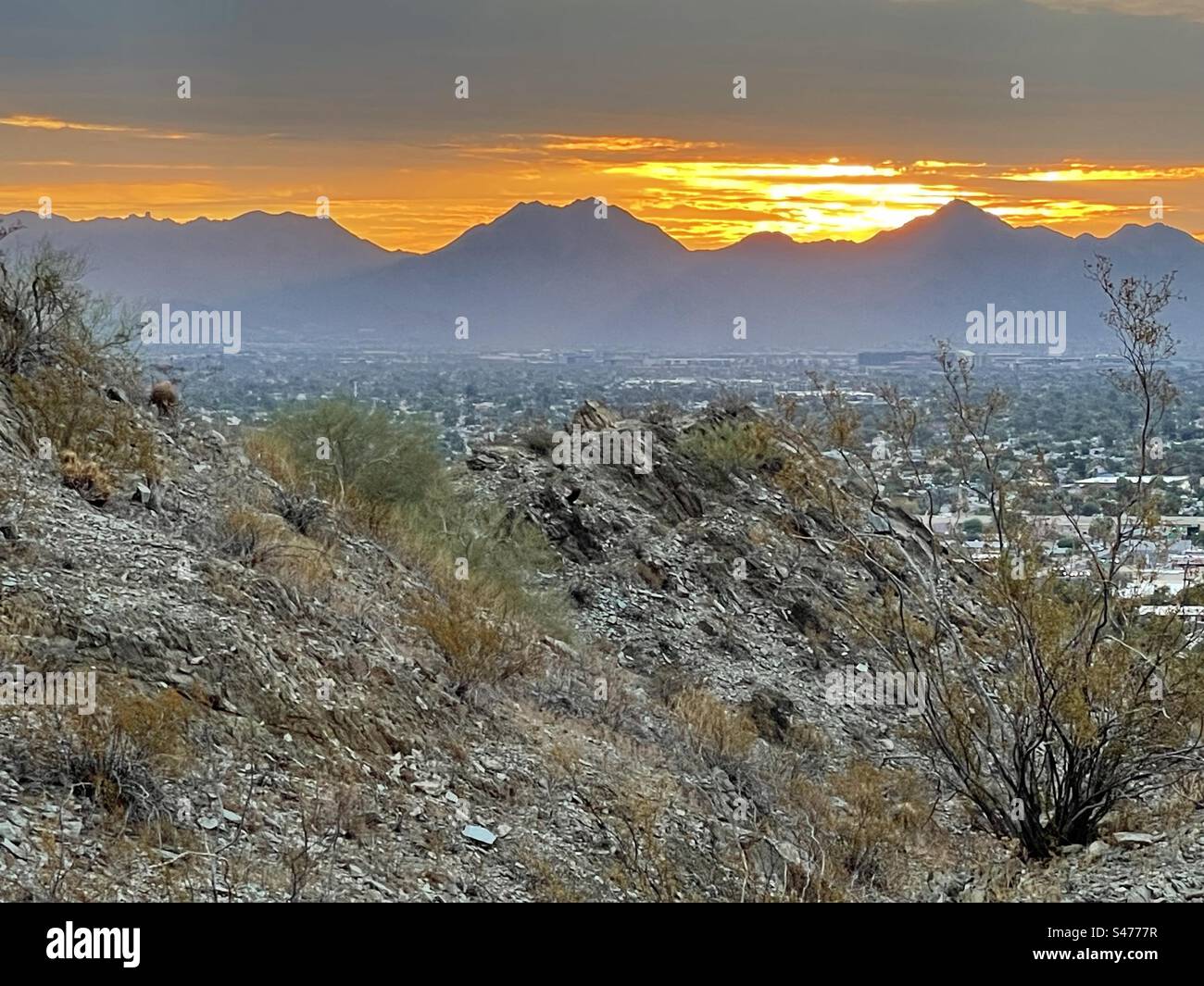
Perhaps the greatest draw for North Phoenix residents is the immediate access to the Sonoran Desert. Unlike the concrete-heavy layouts of many major metropolitan areas, North Phoenix is interspersed with protected mountain ranges and desert preserves.
Outdoor Activities
- Phoenix Sonoran Preserve: Located in the far north, this preserve offers over 36 miles of trails for hiking, mountain biking, and horseback riding. The Apache Wash Trailhead is a popular starting point for those seeking a more secluded desert experience.
- Reach 11 Recreation Area: A unique "wetland" environment in the middle of the desert, providing extensive trails and some of the best bird-watching in the city.
- Golfing: From the championship courses at Wildfire Golf Club to the local favorites like Lookout Mountain, the region is a premier destination for golfers.
Climate Considerations
Living in North Phoenix offers a slight reprieve from the "Urban Heat Island" effect found in Downtown Phoenix. Because the area has more natural desert floor and less concentrated asphalt, nighttime temperatures can be 3 to 5 degrees Fahrenheit cooler than in the city center. However, the region is still subject to the extreme heat of the Arizona summer, requiring residents to prioritize shaded parking and high-efficiency HVAC systems.
Transportation and Connectivity
North Phoenix is a "car-dependent" region by design, although 2026 has seen improvements in transit. The area is serviced by three major freeway systems:
- Interstate 17 (Black Canyon Freeway): The primary north-south artery connecting North Phoenix to Downtown and Flagstaff.
- Loop 101 (Agua Fria/Pima Freeway): The east-west beltway that connects the region to Glendale in the west and Scottsdale/Tempe in the east.
- State Route 51 (Piestewa Freeway): A critical diagonal route that provides the fastest access to the Phoenix Sky Harbor International Airport and the Biltmore area.
For those looking to avoid the freeways, the City of Phoenix has expanded its RAPID bus service, which provides commuter-focused, high-speed transit from North Valley park-and-ride lots directly to the central business district.
Frequently Asked Questions
Is North Phoenix a separate city?
No. North Phoenix is a region within the incorporated limits of the City of Phoenix. Residents pay Phoenix property taxes, use Phoenix water and trash services, and are protected by the Phoenix Police and Fire Departments.
How does North Phoenix differ from Scottsdale?
While they share a border, North Phoenix generally offers more diverse housing options and a slightly lower cost of living than Scottsdale. Scottsdale is known for its high-end tourism and luxury branding, whereas North Phoenix has a more grounded, suburban feel with a heavy emphasis on the tech and industrial sectors.
Is North Phoenix safe?
Like any large metropolitan area, safety varies by specific neighborhood. Generally, the suburban areas north of Bell Road, such as Desert Ridge and Norterra, have some of the lowest crime rates in the city. The City of Phoenix provides interactive crime maps through the Phoenix Police Department website for residents to verify data for specific blocks.
What is the "North Valley"?
"North Valley" is a broader regional term that often includes North Phoenix as well as the neighboring municipalities of Anthem, Cave Creek, Carefree, and parts of North Scottsdale. It describes the entire northern periphery of the Phoenix metro area.
Is North Phoenix a good place for families?
Yes, it is highly regarded for families due to the presence of the Paradise Valley Unified School District and the Deer Valley Unified School District, both of which host several top-rated A+ schools. The abundance of public parks and youth sports complexes, such as the Reach 11 Sports Complex, further supports a family-oriented lifestyle.
Summary and Next Actions
North Phoenix in 2026 is a region of transition, blending the rugged beauty of the Arizona landscape with the cutting-edge requirements of a global tech hub. Whether you are moving for a career in the semiconductor industry or looking for a desert retreat with modern amenities, the area offers a high quality of life with significant long-term investment potential.
If you are considering a move to North Phoenix, your next step should be to visit the different "Urban Villages" in person. Spend time in both the established neighborhoods like Moon Valley and the high-growth areas like Norterra to determine which pace of life suits your needs. Additionally, consult the City of Phoenix Planning and Development Department to view upcoming infrastructure projects that may impact future property values and traffic patterns in your area of interest.
Image Gallery