Stroke Recovery: Assessing Pauley Perrette’s Journey and Lessons in Neurological Healing
Former NCIS star Pauley Perrette survived a massive stroke in September 2021, later sharing her experience publicly to raise awareness about stroke prevention, warning signs, and neurological rehabilitation. Assessing her journey highl...
Former NCIS star Pauley Perrette survived a massive stroke in September 2021, later sharing her experience publicly to raise awareness about stroke prevention, warning signs, and neurological rehabilitation. Assessing her journey highlights the critical importance of rapid emergency response, structured physical and cognitive therapies, and long-term emotional resilience during post-stroke recovery.
Contents
Disclaimer: This article is for informational purposes only and does not constitute formal medical advice. Individuals experiencing symptoms of a stroke or seeking recovery guidance should consult qualified healthcare providers immediately.
Pauley Perrette’s Stroke Experience and Public Advocacy
In September 2021, actress Pauley Perrette—best known for her long-running role as forensic specialist Abby Sciuto on the CBS drama NCIS—suffered a severe stroke. Having retired from acting in 2020, Perrette kept the initial medical event private while undergoing early rehabilitation. On the one-year anniversary in September 2022, she publicly shared her experience via social media, revealing that she had survived a major stroke alongside a series of difficult personal losses, including the death of her mother from COVID-19 and the loss of close family members and friends.
Perrette’s public message emphasized survival, gratitude, and vigilance. By openly discussing her recovery, she joined a growing group of public figures using their platforms to educate the public about vascular health. A central takeaway from her journey is that stroke is not exclusively a condition of old age; it can affect middle-aged adults, requiring immediate recognition and aggressive medical intervention.
For readers evaluating a stroke recovery path—whether for themselves or a family member—Perrette’s story demonstrates that while a stroke is a life-altering medical event, significant recovery and quality of life are achievable through early treatment, multi-disciplinary rehabilitation, and persistent emotional support.
Understanding Stroke Mechanics and Early Assessment
A stroke occurs when the blood supply to part of the brain is interrupted or reduced, preventing brain tissue from receiving oxygen and nutrients. Within minutes, brain cells begin to die. Understanding the type of stroke and undergoing immediate diagnostic assessment dictates the course of medical care and subsequent recovery prospects.
Types of Stroke
- Ischemic Stroke: Accounting for roughly 87% of all stroke cases, an ischemic stroke occurs when a blood clot blocks or plugs a blood vessel leading to the brain. Treatment often involves intravenous thrombolytic medications (such as tissue plasminogen activator, or tPA) or mechanical thrombectomy to restore blood flow.
- Hemorrhagic Stroke: This type occurs when a weakened blood vessel ruptures and bleeds into the surrounding brain tissue. Treatment focuses on controlling bleeding, reducing intracranial pressure, and repairing vascular defects like aneurysms or arteriovenous malformations (AVMs).
- Transient Ischemic Attack (TIA): Often referred to as a "mini-stroke," a TIA involves a temporary blockage of blood flow that resolves on its own without permanent tissue damage. However, a TIA is a critical warning sign indicating a high risk of a full stroke in the near future.
Clinical Evaluation Tools
When a patient arrives at an emergency department, clinicians use standardized tools to assess neurological impairment rapidly:
- National Institutes of Health Stroke Scale (NIHSS): A 15-item algorithmic clinical assessment tool used to measure stroke severity. Scores range from 0 (no stroke symptoms) to 42 (severe stroke), guiding decisions regarding acute thrombolytic therapy or surgical intervention.
- Neuroimaging: Emergency Non-Contrast Computed Tomography (NCCT) scans or Magnetic Resonance Imaging (MRI) are performed immediately to differentiate between ischemic and hemorrhagic strokes, identifying the precise anatomical region affected.
- Vascular Imaging: CT Angiography (CTA) or MR Angiography (MRA) evaluates blood vessel patency, pinpoints arterial occlusions, and identifies vascular malformations.
Recognizing Warning Signs: The BE-FAST Protocol
Rapid identification of stroke signs saves brain tissue. The medical community widely promotes the BE-FAST acronym to assist the public in recognizing acute stroke symptoms:
- B – Balance: Sudden loss of balance, dizziness, or loss of coordination.
- E – Eyes: Sudden vision changes, double vision, or loss of sight in one or both eyes.
- F – Face Drooping: One side of the face droops or feels numb; uneven smile.
- A – Arm Weakness: Sudden weakness or numbness in one arm or leg; drifting downward when raising both arms.
- S – Speech Difficulty: Slurred speech, inability to speak, or difficulty understanding speech.
- T – Time to Call 911: Emergency services must be contacted immediately upon observing any of these signs.
Assessing the Stages of the Stroke Recovery Journey
Stroke recovery is a continuous, multi-phase process that evolves from acute emergency stabilization to long-term rehabilitation and secondary prevention. Assessing progress across each stage helps patients and caregivers set realistic expectations and adapt care plans.
- Acute Emergency Care: Immediate medical intervention
- Inpatient Rehab: Intensive physical & speech therapy
- Outpatient Rehab: Functional independence & mobility
- Chronic Management: Long-term maintenance & prevention
Stage 1: Acute Stabilization (Hours 0 to 72)
The primary objective during the acute phase is preserving brain tissue, maintaining vital signs, and preventing secondary medical complications (such as brain swelling or aspiration pneumonia). Neurologists assess the patient's baseline neurological deficits and determine the underlying cause of the stroke.
Stage 2: Early Subacute Rehabilitation (Weeks 1 to 3 Months)
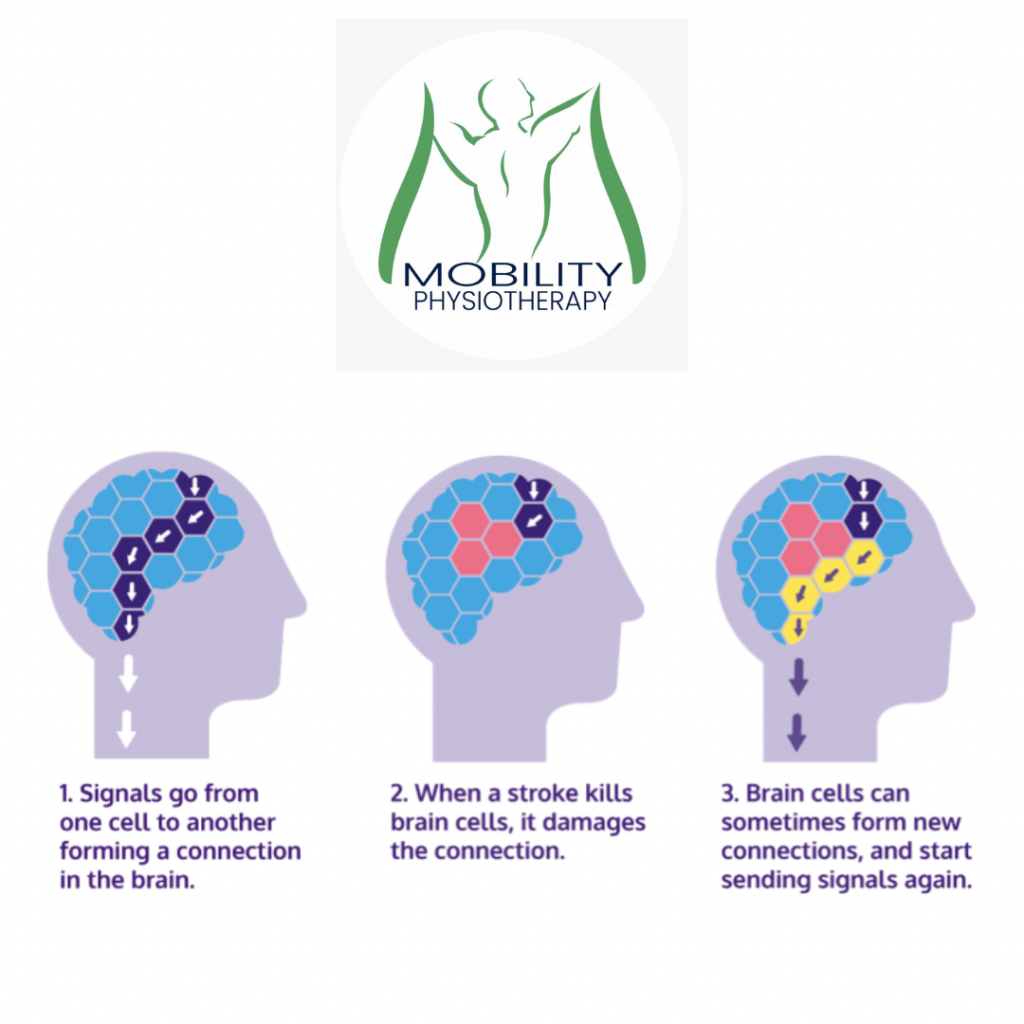
This phase represents the primary window of neuroplasticity—the brain's ability to reorganize itself by forming new neural connections. Inpatient rehabilitation units or specialized subacute facilities deliver high-intensity physical, occupational, and speech therapy tailored to the patient's specific impairments.
Stage 3: Late Subacute Rehabilitation (Months 3 to 6)
During this window, physical and functional gains continue, though often at a more gradual rate. Outpatient therapy sessions focus on refining fine motor control, gait stability, speech clarity, and cognitive executive functioning.
Stage 4: Chronic Recovery and Long-Term Maintenance (6 Months and Beyond)
While early recovery is often rapid, neurological improvements can continue for years post-stroke. The focus shifts toward maintaining functional gains, managing post-stroke spasticity or pain, preventing secondary strokes through risk factor management, and re-establishing community and social integration.
Post-Stroke Assessment and Rehabilitation Matrix
The table below outlines the core assessment parameters, primary goals, and therapeutic interventions across the primary phases of post-stroke recovery:
| Recovery Phase | Clinical Focus & Assessment Tools | Functional Recovery Goals | Key Therapeutic Interventions |
|---|---|---|---|
| Acute Care (Days 1–7) | NIHSS score, Neuroimaging (CT/MRI), Vital sign stability, Dysphagia screening | Brain tissue preservation, Medical stabilization, Aspiration prevention | Thrombolysis, endovascular therapy, blood pressure management, early bed-mobility evaluation |
| Early Subacute (Week 1–Month 3) | FIM (Functional Independence Measure), Barthel Index, Berg Balance Scale | Independent bed transfers, basic mobility, feeding, basic communication | Inpatient Physical Therapy (PT), Occupational Therapy (OT), Speech-Language Pathology (SLP) |
| Late Subacute (Months 3–6) | Instrumental Activities of Daily Living (IADL) scale, Gait speed tests | Community ambulation, fine motor dexterity, complex cognitive processing | Outpatient PT/OT, Constraint-Induced Movement Therapy (CIMT), cognitive rehabilitation |
| Chronic Phase (6 Months+) | Quality of Life (SS-QOL) scale, Secondary vascular risk assessment | Job/hobby reintegration, secondary stroke prevention, long-term mental health maintenance | Home exercise maintenance programs, adaptive technology, support groups, pharmacological risk management |
Core Pillars of Comprehensive Stroke Rehabilitation
Recovery following a massive stroke requires an integrated, interdisciplinary medical team working alongside the patient and family. The core components of a comprehensive rehabilitation plan include physical, speech, occupational, and emotional therapies.
- Multidisciplinary Stroke Care
- Physical Therapy
- Speech & Language
- Occupational Therapy
- Psychological Support
- Functional Independence & Health
1. Physical Therapy (PT) and Mobility Training
Physical therapy focuses on restoring motor function, muscle strength, balance, and gait. Key techniques include:
- Gait Retraining: Utilizing body-weight-supported treadmill training or robotic exoskeletons to re-teach the spinal cord and brain efficient walking patterns.
- Constraint-Induced Movement Therapy (CIMT): Restraining the unaffected limb to force the use of the impaired limb, stimulating cortical reorganization in the brain.
- Spasticity Management: Treating involuntary muscle tightness through stretching, orthotic splinting, and, when necessary, botulinum toxin injections or muscle relaxants.
2. Speech-Language Pathology (SLP)
Strokes frequently impair the brain's language centers (resulting in aphasia) or the physical muscles required for articulation (dysarthria) and swallowing (dysphagia).
- Aphasia Therapy: Focused exercises to recover expressiveness and language comprehension.
- Dysphagia Management: Swallowing evaluations (such as modified barium swallow studies) coupled with tongue and throat exercises to prevent food or liquids from entering the airway.
3. Occupational Therapy (OT) and Adaptive Living
Occupational therapists work with patients to regain independence in daily activities, such as dressing, bathing, cooking, and using digital devices. They recommend home modifications (e.g., grab bars, ramp access) and adaptive tools to ensure safety in the home environment.
4. Psychological and Emotional Support
As Pauley Perrette highlighted in her open updates, the emotional toll of surviving a severe health event can be profound. Post-stroke depression (PSD) affects approximately one-third of stroke survivors. Addressing mental health through clinical psychology, support groups, and targeted medical therapy is vital for sustaining motivation during long-term physical rehabilitation.
Long-Term Secondary Stroke Prevention
Surviving an initial stroke requires dedicated focus on preventing recurrent events. According to the American Stroke Association, addressing modifiable risk factors drastically reduces the likelihood of a secondary stroke.
Modifiable Risk Factors and Target Thresholds
- Hypertension (High Blood Pressure): The single most significant modifiable risk factor. Clinical guidelines generally recommend maintaining blood pressure below 130/80 mmHg using lifestyle modifications and anti-hypertensive medications.
- Hyperlipidemia (High Cholesterol): Managing LDL cholesterol levels through statin therapy stabilizes arterial plaques, lowering clot formation risks.
- Diabetes Mellitus: Maintaining tight blood glucose control prevents micro- and macrovascular damage to cerebral blood vessels.
- Atrial Fibrillation (AFib): An irregular heart rhythm that can cause blood clots to form in the heart and travel to the brain. Patients diagnosed with AFib are frequently prescribed anticoagulant medications.
- Lifestyle Interventions: Adopting a heart-healthy diet (such as the Mediterranean or DASH diet), engaging in regular medically supervised physical exercise, avoiding tobacco products, and limiting alcohol consumption.
Frequently Asked Questions
What stroke symptoms did Pauley Perrette experience, and what was her warning message?
Pauley Perrette survived a severe stroke in September 2021. While she did not publish her entire clinical chart, she publicly emphasized that stroke can happen suddenly to anyone regardless of age. Her central message urged individuals to pay attention to unexpected neurological symptoms, prioritize health checks, and react immediately if stroke signs appear.
How is progress assessed during stroke recovery?
Medical teams evaluate stroke progress using standardized outcome measures. Key tools include the NIH Stroke Scale (for acute severity), the Functional Independence Measure (FIM) or Barthel Index (for daily living tasks), and the Berg Balance Scale (for fall risk and gait stability). Regular neurological follow-ups assess physical movement, speech clarity, memory, and vascular risk factor management.
Can a survivor make significant recovery progress years after a stroke?
Yes. While the most rapid functional gains occur during the first three to six months due to heightened neuroplasticity, research shows that dedicated rehabilitation, task-specific practice, and lifestyle interventions can produce meaningful motor and cognitive improvements years after the initial event.
What is the difference between an ischemic stroke and a hemorrhagic stroke?
An ischemic stroke occurs when an artery supplying blood to the brain becomes blocked by a blood clot or fatty deposit. A hemorrhagic stroke occurs when a weakened blood vessel inside or on the surface of the brain ruptures and bleeds into brain tissue. Treatments differ significantly: ischemic strokes require clot-dissolving medications or removal, while hemorrhagic strokes require bleeding control and pressure reduction.
What steps should caregivers take to support a stroke survivor at home?
Caregivers should collaborate closely with occupational and physical therapists to adapt the living space for safety (installing grab bars, removing trip hazards), establish a consistent daily routine for therapy exercises, monitor medication adherence, and ensure the survivor undergoes regular clinical check-ups. Caregivers should also monitor for signs of post-stroke depression and seek caregiver support resources to prevent burnout.
Action Plan for Patients and Families
Evaluating a stroke recovery journey requires a proactive, structured approach. Patients and family members can take the following steps:
- Establish a Dedicated Care Team: Ensure clear coordination between your primary care physician, neurologist, physical therapist, occupational therapist, and speech therapist.
- Set Specific Rehabilitation Goals: Work with therapists to outline practical, measurable targets (e.g., walking 50 feet independently, swallowing soft foods, typing on a keyboard).
- Monitor Risk Factors Rigorously: Keep a daily log of blood pressure readings, blood glucose levels (if diabetic), and medication schedules.
- Prioritize Psychological Health: Screen for post-stroke depression early. Connect with mental health professionals or local stroke support groups to maintain emotional resilience.
- Maintain Consistent Home Practice: Perform prescribed physical and cognitive exercises daily outside of clinical appointments to capitalize on ongoing neuroplasticity.
Image Gallery