Understanding the Legacy of Neil Armstrong: An Obituary and Biographical Retrospective
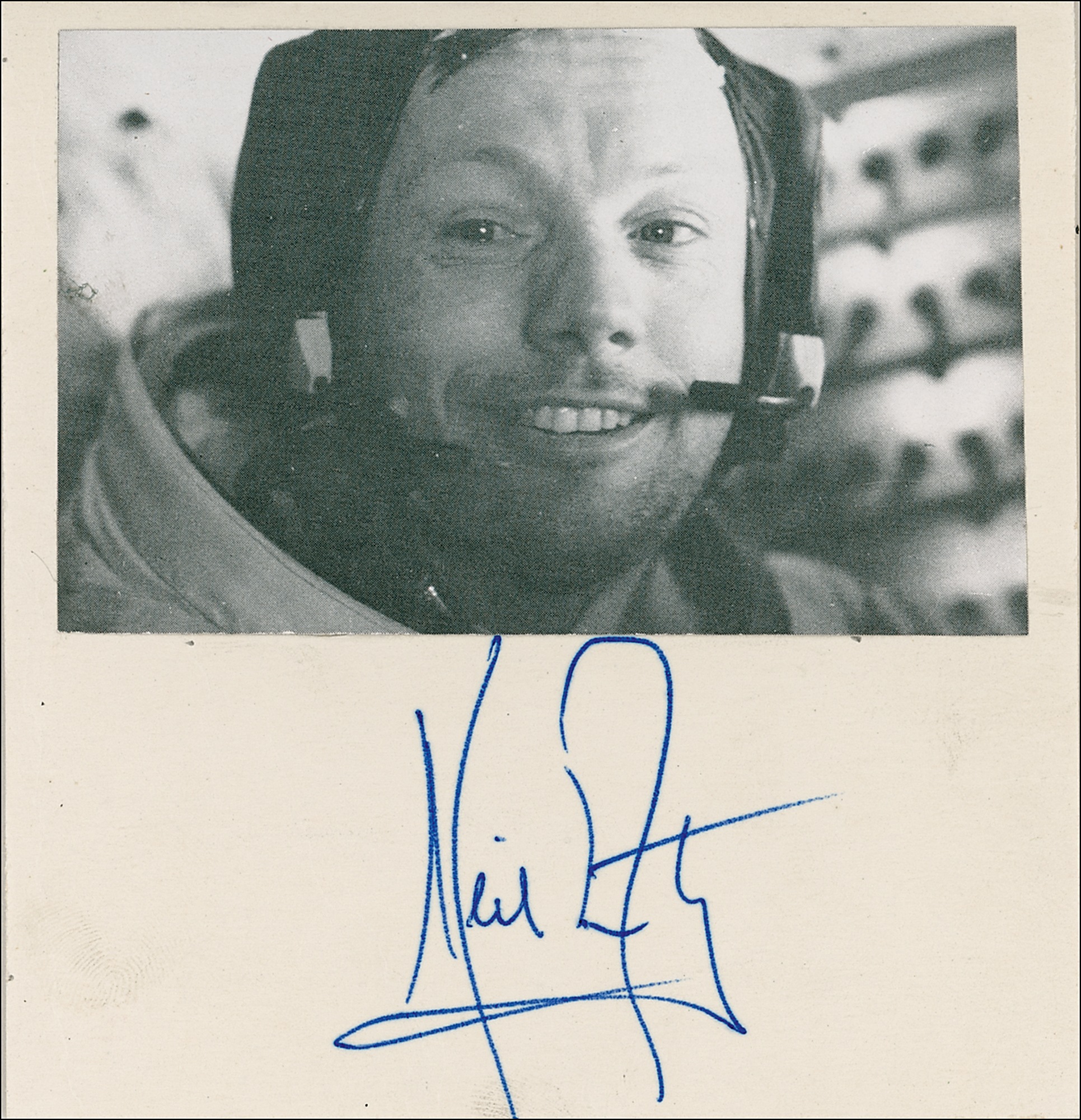
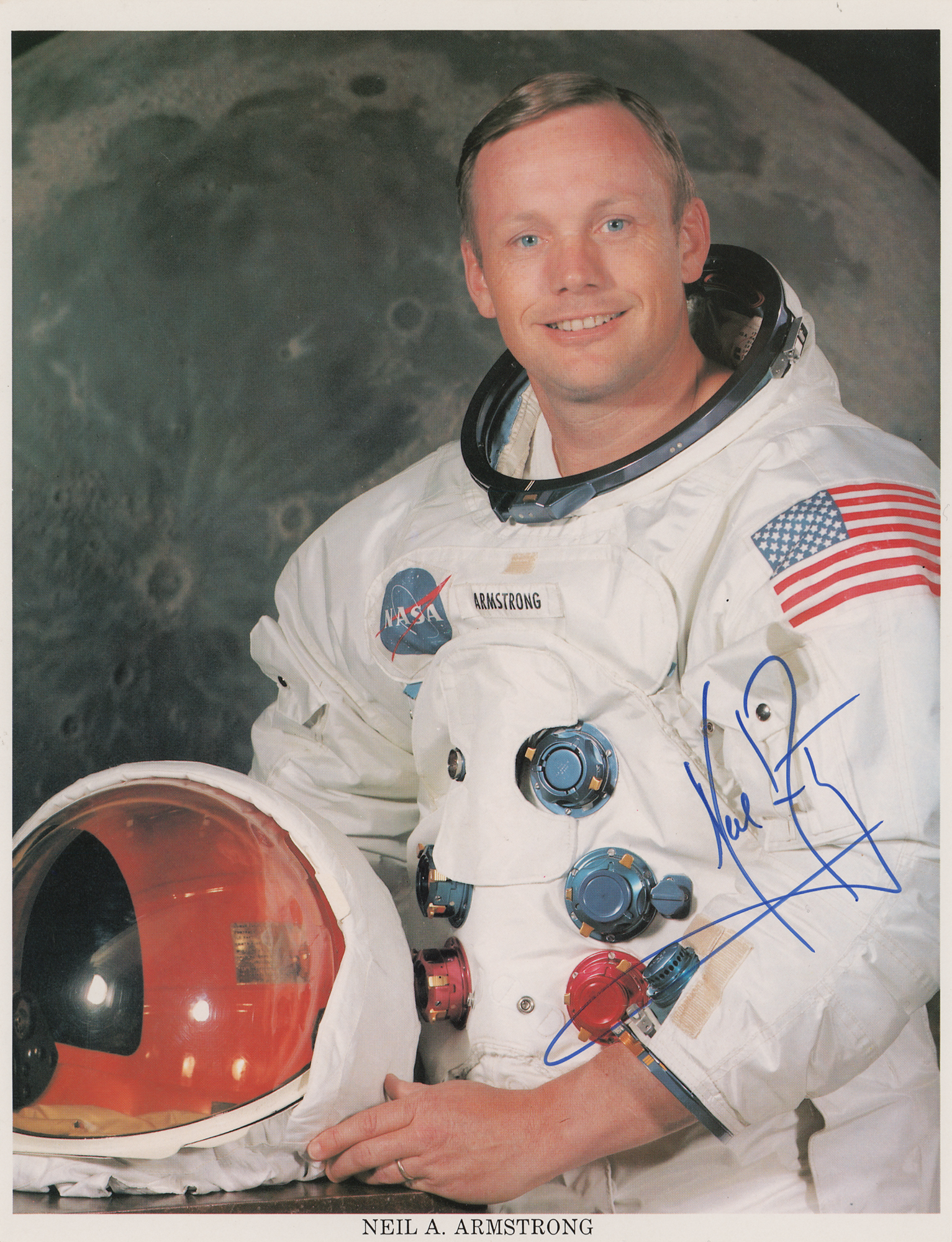
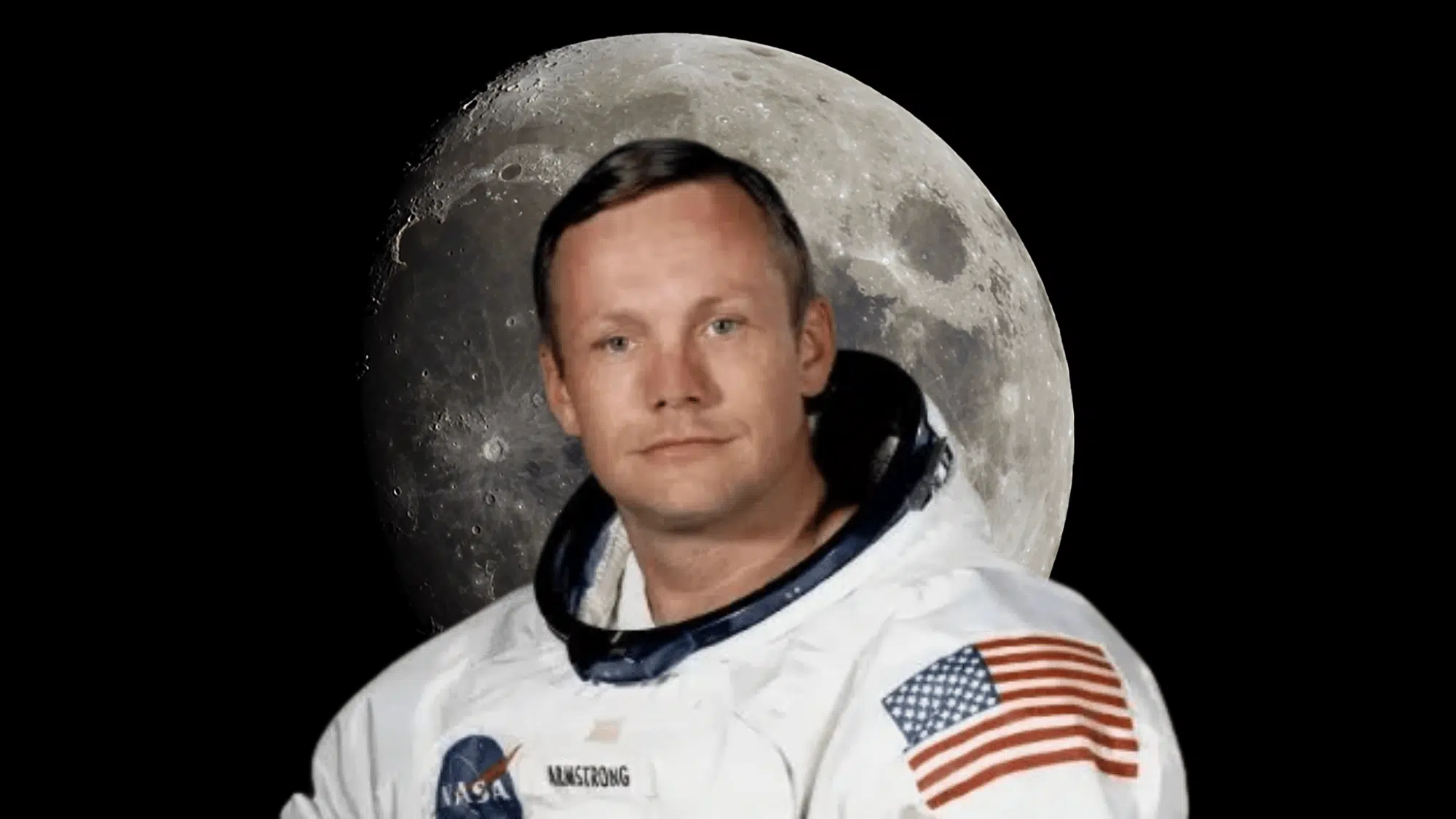
Neil Armstrong, the American astronaut and aeronautical engineer who achieved global immortality as the first human to step onto the surface of the moon, passed away on August 25, 2012, at the age of 82. His death, which occurred follo...
Neil Armstrong, the American astronaut and aeronautical engineer who achieved global immortality as the first human to step onto the surface of the moon, passed away on August 25, 2012, at the age of 82. His death, which occurred following complications from cardiovascular bypass surgery, prompted a worldwide outpouring of grief and reflection on his pivotal role in the Apollo 11 mission and the advancement of space exploration.
Contents
The Life and Career of a Pioneering Aviator
Neil Alden Armstrong was born on August 5, 1930, in Wapakoneta, Ohio. His lifelong fascination with aviation began at a young age, leading him to earn his pilot's license at age 16, even before he possessed a driver’s license. This early commitment to flight defined his trajectory, as he served as a naval aviator during the Korean War, flying 78 combat missions. Following his military service, Armstrong transitioned into a role as a research pilot for the National Advisory Committee for Aeronautics (NACA), the precursor to the National Aeronautics and Space Administration (NASA).
During his time at the High-Speed Flight Station at Edwards Air Force Base in California, Armstrong piloted over 200 different models of aircraft, including the legendary X-15 rocket plane. His ability to remain calm under extreme technical pressure made him an ideal candidate for the Gemini and Apollo programs. In 1962, he joined the NASA Astronaut Corps, marking the beginning of his journey toward the lunar surface.
The Apollo 11 Mission: A Defining Human Achievement
The pinnacle of Armstrong’s career occurred during the Apollo 11 mission, which launched on July 16, 1969. Alongside Lunar Module Pilot Buzz Aldrin and Command Module Pilot Michael Collins, Armstrong traveled to the moon. On July 20, 1969, while millions of people watched on television worldwide, Armstrong piloted the Lunar Module Eagle to a safe landing in the Sea of Tranquility.
Upon exiting the module, Armstrong delivered one of the most iconic phrases in human history: "That's one small step for [a] man, one giant leap for mankind." This moment represented not only a victory in the geopolitical Space Race but also a significant technological triumph, demonstrating the capability of human engineering to overcome the formidable challenges of lunar landing and safe return.
Comparative Overview of Apollo Program Missions
The following table outlines the key crewed landings of the Apollo program, placing Armstrong’s historic mission within the context of the broader lunar exploration efforts.
| Mission | Launch Date | Landing Date | Commander | Lunar Surface Duration |
|---|---|---|---|---|
| Apollo 11 | July 16, 1969 | July 20, 1969 | Neil Armstrong | 21 hours, 36 min |
| Apollo 12 | Nov 14, 1969 | Nov 19, 1969 | Charles Conrad | 31 hours, 31 min |
| Apollo 14 | Jan 31, 1971 | Feb 5, 1971 | Alan Shepard | 33 hours, 30 min |
| Apollo 15 | July 26, 1971 | July 30, 1971 | David Scott | 66 hours, 54 min |
| Apollo 16 | April 16, 1972 | April 21, 1972 | John Young | 71 hours, 02 min |
| Apollo 17 | Dec 7, 1972 | Dec 11, 1972 | Eugene Cernan | 74 hours, 59 min |
Post-NASA Life and Public Persona
After retiring from NASA in 1971, Armstrong consciously avoided the intense media spotlight that followed his lunar success. He chose a path in academia and private industry, serving as a professor of aerospace engineering at the University of Cincinnati for eight years. He also sat on the boards of several corporations, including Learjet and United Airlines, providing technical and strategic guidance based on his extensive background in flight safety and aeronautics.
Despite his fame, Armstrong was widely characterized as a humble and private individual who preferred to focus on the collective efforts of the thousands of NASA employees who made the lunar mission possible, rather than his own singular actions. This dedication to his peers was evident throughout his life, as he remained a staunch advocate for the advancement of science and the exploration of space, even in his later years.
Understanding the 2012 Death and Legacy
Armstrong’s death in August 2012 was initially announced by his family, who stated he passed away following heart surgery. At the time of his death, he resided in the Cincinnati, Ohio area. The news led to widespread tributes from government leaders, scientific organizations, and fellow astronauts, cementing his status as a national hero.
In the years following his passing, Armstrong’s legacy has continued to inform the development of space policy and the inspiration of future engineers and scientists. His life is frequently studied for its intersection of intense technical skill, calm decision-making under crisis, and his post-flight commitment to professional integrity.
Frequently Asked Questions
1. Where can I find official information about Neil Armstrong's flight history? The most reliable source for historical flight data and mission logs is the official NASA website, specifically the archives maintained by the History Office. These records contain detailed mission transcripts, technical specifications of the spacecraft, and primary source documents from his time at NACA and NASA.
2. Was the phrase he said on the moon rehearsed beforehand? According to interviews provided by Armstrong and his brother, Dean Armstrong, the famous line was not a scripted promotional effort by NASA. Armstrong claimed he conceived the phrase in the hours after the lunar landing, balancing the philosophical weight of the event with the reality of the engineering achievement.
3. What was the exact cause of death mentioned in official reports? Neil Armstrong died on August 25, 2012, due to complications arising from cardiovascular bypass surgery. The procedure was intended to address coronary artery disease. He was 82 years old at the time of his passing.
4. How can I learn more about the engineering challenges of the Apollo 11 landing? Technical papers published by the American Institute of Aeronautics and Astronautics (AIAA) provide deep insights into the lunar module’s guidance, navigation, and control systems. Additionally, the NASA Technical Reports Server (NTRS) hosts original flight manuals and post-flight evaluation reports that detail the specific technical hurdles faced during the 1969 mission.
Ensuring Continued Historical Accuracy
When researching the life of Neil Armstrong, it is vital to consult primary sources such as official NASA reports, peer-reviewed biographies written with access to family archives, and reputable museum records, such as those maintained by the Smithsonian National Air and Space Museum. Because Armstrong’s life is often subject to myth-making, verify any specific claims about his personal life or mission details against these established institutional records to maintain accuracy.
Next Steps for Enthusiasts and Researchers
For those interested in preserving the historical record or continuing their study of aerospace history, the most practical next step is to explore the digital collections provided by the NASA History Division. These archives offer high-resolution imagery, video documentation, and digitized mission documentation that provide a direct window into the technological era Armstrong helped define. By focusing on these verifiable resources, one gains a clearer understanding of the man who turned an impossible dream into a fundamental aspect of human history.
Image Gallery