Comprehensive Guide to CVS MinuteClinic Charges in 2026
Navigating out-of-pocket healthcare expenses requires clarity, especially when utilizing retail medical clinics for urgent, non-emergency care. Understanding the cost structure, insurance processing rules, and billing practices at CVS...
Navigating out-of-pocket healthcare expenses requires clarity, especially when utilizing retail medical clinics for urgent, non-emergency care. Understanding the cost structure, insurance processing rules, and billing practices at CVS MinuteClinic in 2026 helps patients avoid surprise medical bills while making informed decisions about their healthcare access.
Contents
Understanding CVS MinuteClinic Pricing Fundamentals
CVS MinuteClinic operates on a transparent, flat-fee pricing model for standard clinical evaluations, minor injury care, and routine wellness screenings. Unlike traditional hospital-based urgent care centers or emergency departments, retail clinics do not typically utilize complex facility fees or tiered observation charges. Standard diagnostic evaluations start with an established baseline fee determined by the complexity of the visit and the specific diagnostic tests or therapeutic treatments administered during the appointment.
The pricing framework reflects the shift toward value-based, accessible retail healthcare. Services are categorized into clear billing codes that correspond to standard Current Procedural Terminology (CPT) guidelines recognized by commercial health insurance providers. Patients paying out-of-pocket can expect fixed rates for common conditions such as streptococcal pharyngitis evaluations, acute sinusitis management, minor skin laceration repairs, and routine immunizations.
- Base Visit Fee: Covers the initial practitioner consultation, physical assessment, and basic treatment planning for isolated acute complaints.
- Diagnostic Surcharges: Additional fixed costs for rapid point-of-care testing, including rapid strep assays, influenza diagnostic panels, mono tests, and COVID-19 molecular or antigen screenings.
- Procedural Add-ons: Separate flat charges for physical interventions such as cerumen (earwax) removal, minor wound suturing, joint injections, or intradermal skin testing.
Insurance Coverage and Out-of-Pocket Financial Responsibilities
Most major health insurance carriers, commercial Preferred Provider Organization (PPO) plans, and select Health Maintenance Organization (HMO) networks contract directly with MinuteClinic. When an insured patient utilizes the service, the final charge depends heavily on their specific health plan design, deductible status, and copayment tier.
For individuals with high-deductible health plans (HDHPs) who have not yet met their annual deductible threshold, the negotiated insurance rate applies to the visit. While this rate is typically lower than the standard uninsured cash price, the patient remains responsible for the full discounted fee until the deductible is satisfied. Patients enrolled in plans with a standard copayment structure generally pay only that fixed copay amount at the time of service, provided the specific service is a covered benefit under their policy.
Important Operational Note for Medicare and Medicaid Patients MinuteClinic participates in traditional Medicare Part B and many state-specific Medicaid managed care programs, though network participation varies significantly by state jurisdiction. Patients relying on government-sponsored healthcare coverage must verify specific state-level contract status prior to their appointment to prevent unexpected out-of-pocket liability.
Comparative Cost Breakdown: MinuteClinic vs. Traditional Healthcare Options
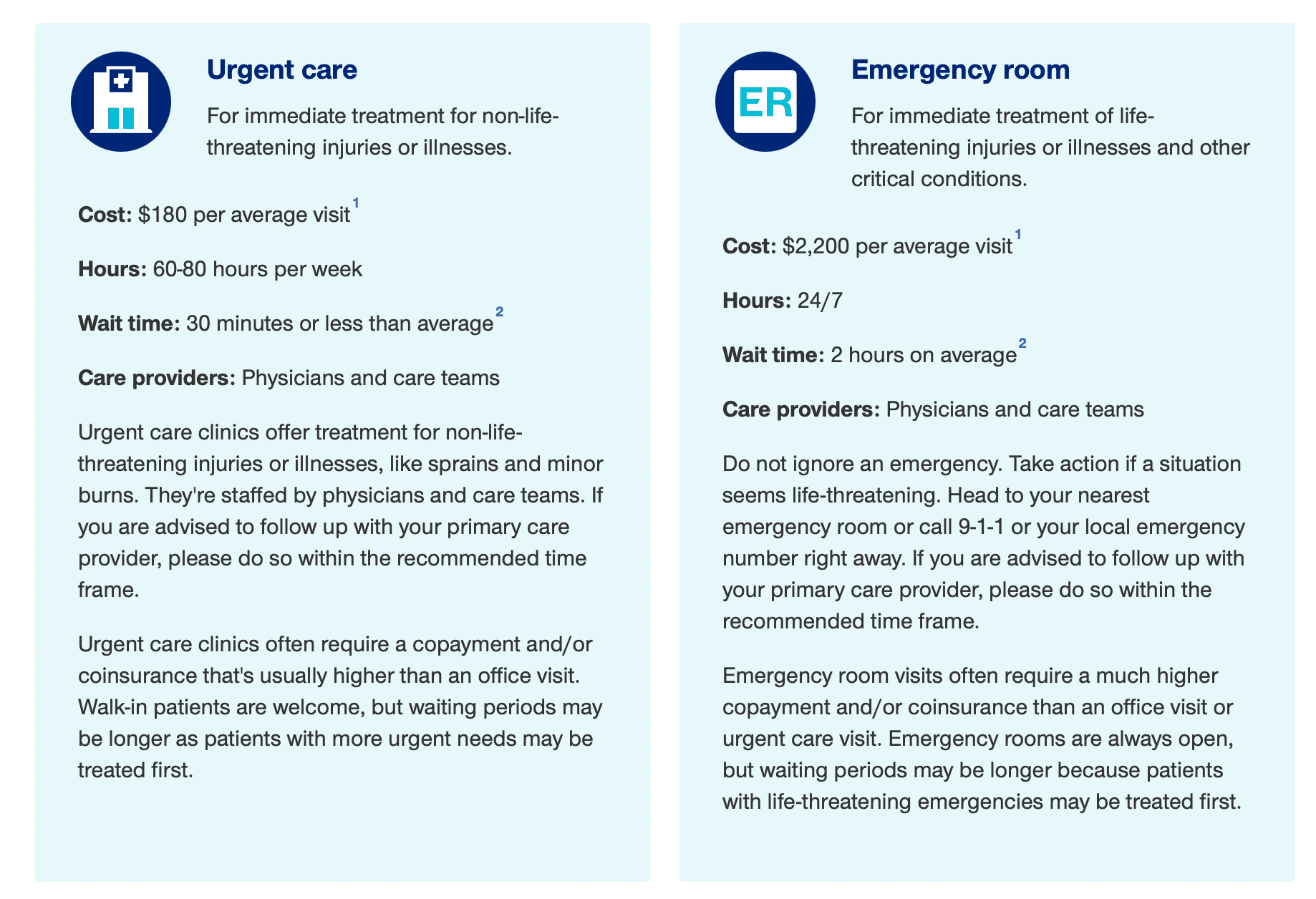
Choosing the appropriate care setting directly impacts total medical expenditures. The following comparison illustrates how CVS MinuteClinic charges stack up against traditional primary care offices, hospital urgent care centers, and emergency departments for standard episodic care conditions like a urinary tract infection or mild sprain.
| Healthcare Setting | Average Out-of-Pocket Visit Cost (Uninsured) | Typical Wait Time | Facility Fees Included? | Primary Care Integration |
|---|---|---|---|---|
| CVS MinuteClinic | $110 - $175 | 15 - 45 Minutes | No | Minimal (Summary sent to PCP with consent) |
| Primary Care Office | $150 - $250 | 1 - 7 Days (Appointment dependent) | No | High (Comprehensive ongoing record) |
| Urgent Care Center | $200 - $400 | 45 - 120 Minutes | Yes (Variable) | Moderate |
| Emergency Department | $1,200 - $3,000+ | 2 - 6 Hours | Yes (Significant) | Low for episodic care |
Step-by-Step Guide to Managing and Minimizing Your MinuteClinic Bill
Managing healthcare costs effectively requires proactive verification before stepping into a clinical examination room. Patients can utilize several strategic steps to minimize financial surprises and streamline the billing process at any CVS MinuteClinic location.
- Verify Insurance Network Status Online: Before booking an appointment via the CVS website or mobile application, use the interactive insurance checker tool to confirm that your specific network tier is actively contracted for the current benefit year.
- Bring Current Documentation: Always present a valid, active insurance card along with a government-issued photo identification card at the time of registration to ensure accurate electronic claims routing.
- Inquire About Uninsured Cash Packages: Patients without insurance coverage or those with high-deductible plans should explicitly ask the practitioner about bundled self-pay pricing structures or promotional health screening discounts.
- Utilize Flexible Spending Accounts (FSAs) or Health Savings Accounts (HSAs): Most MinuteClinic services, vaccinations, and over-the-counter therapeutic recommendations provided on-site qualify as eligible medical expenses under IRS guidelines for pre-tax account utilization.
- Review the Explanation of Benefits (EOB): Monitor your insurance provider's EOB document after the visit to cross-reference the billed charges against the final patient responsibility amount indicated on your provider statement.
Frequently Asked Questions About MinuteClinic Billing
How much does a standard CVS MinuteClinic visit cost without insurance?
Standard cash-pay visits for basic acute illnesses generally range from $110 to $175, depending on the geographic region and the specific diagnostic tests required during the clinical evaluation. Additional fees apply for specialized physical exams, specialized lab draws, or administered vaccines.
Does CVS MinuteClinic accept major credit cards and health savings accounts?
Yes, MinuteClinic locations accept all major credit cards, debit cards, cash, and designated health benefit payment cards linked to FSAs or HSAs for any remaining out-of-pocket patient balances.
Will I receive a separate bill from a laboratory if tests are sent out?
Most diagnostic tests performed at MinuteClinic utilize rapid point-of-care technology processed on-site during your visit, eliminating separate lab bills. However, if a specimen requires specialized culture or pathology analysis sent to an external reference laboratory, you may receive a separate billing statement from that facility.
Are physical exams and sports clearances covered by insurance?
Routine administrative physicals, sports physicals, and camp physicals are frequently classified by health insurance carriers as preventative exclusions or non-covered wellness benefits, requiring out-of-pocket self-pay settlement at the time of service.
Can I get a price estimate before scheduling my appointment?
Yes, the online scheduling portal provides transparent baseline pricing estimates for most standard services and allows you to input your insurance plan details to calculate estimated copayment obligations prior to finalizing your time slot.
Maximizing Value and Access in Modern Retail Healthcare
Evaluating the cost of care at CVS MinuteClinic requires balancing financial transparency with clinical efficiency. By leveraging upfront digital pricing tools, verifying insurance network participation, and understanding the precise scope of retail health billing structures, patients can successfully access timely medical interventions while maintaining rigorous control over personal healthcare expenditures.
Image Gallery