Understanding the Red and Orange Circle Credit Card: Mastercard Features and Benefits
The credit card featuring two interlocking red and orange (technically yellow) circles is a Mastercard. This iconic logo represents one of the world’s largest payment networks. Rather than issuing cards directly to consumers, Mastercar...
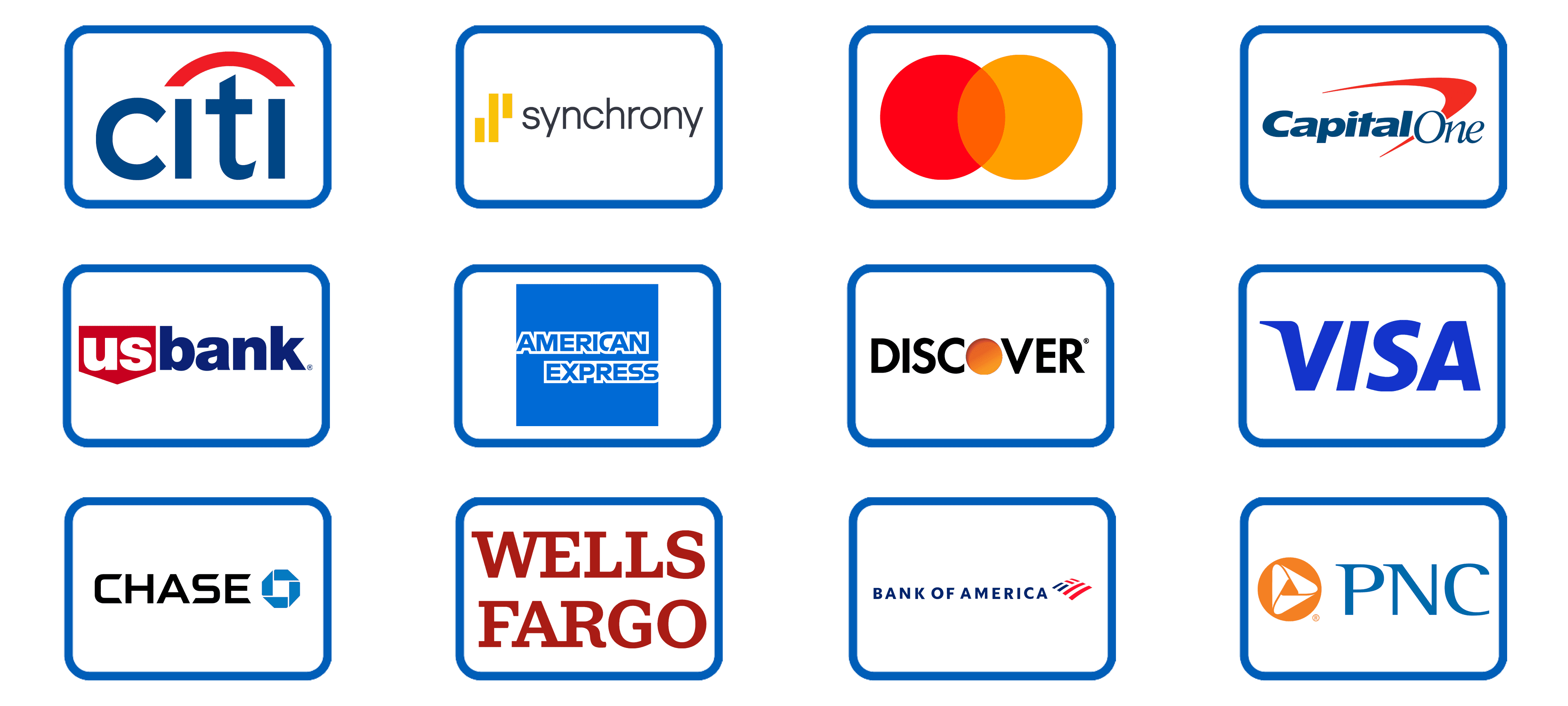
The credit card featuring two interlocking red and orange (technically yellow) circles is a Mastercard. This iconic logo represents one of the world’s largest payment networks. Rather than issuing cards directly to consumers, Mastercard partners with financial institutions to provide credit, debit, and prepaid products accepted at over 100 million locations globally.
Contents
As of 2026, identifying a card by its network logo is the first step in understanding the underlying benefits, security protocols, and global acceptance you can expect. While the "red and orange circle" is the brand mark of the network, the specific features of your card—such as interest rates, rewards, and fees—are determined by the bank or credit union that issued it.
The Identity of the Red and Orange Circles
The "red and orange circle credit card" is the colloquial way many consumers identify the Mastercard brand. The logo consists of two overlapping circles: one red and one yellow. The area where they overlap creates an orange hue, which has led to the common description. In recent years, Mastercard has moved toward a "symbol-only" brand mark, often removing the word "mastercard" from the physical card face entirely, relying on the strength of the two-circle visual.
Network vs. Issuer
It is vital to distinguish between the payment network and the card issuer. Mastercard is the network. It provides the technology and infrastructure to process transactions between merchants and banks. The issuer is the financial institution (such as Citi, Capital One, or Chase) that manages your account, sets your credit limit, and sends you your monthly statement.
When you see the red and orange circles, you are looking at a badge of global interoperability. This means the card will work in nearly every country, across millions of point-of-sale terminals, and within almost all online checkout systems that support credit payments.
Mastercard Tiers and Benefits in 2026
In 2026, Mastercard categorizes its cards into three primary tiers. Each tier offers a progressively more robust suite of benefits. While your bank might add its own perks (like cash back or airline miles), Mastercard provides a "base" layer of protection and services that apply to all cards within a specific tier.
1. Mastercard Standard
This is the foundational level, often found on entry-level credit cards or cards designed for building credit. Even at this level, the red and orange circle represents significant security.
- Zero Liability Protection: You are not held responsible for unauthorized transactions made on your account.
- Mastercard Global Service: Provides 24/7 assistance with lost or stolen card reporting, emergency card replacement, and emergency cash advances.
- ID Theft Protection: Access to a suite of services to monitor your personal information and assist in resolution if your identity is compromised.
2. World Mastercard
Moving up to the World tier introduces lifestyle and travel benefits designed for more frequent spenders.
- Travel and Lifestyle Services: Access to a dedicated concierge for booking travel, dinner reservations, or tickets to events.
- Professional Travel Planning: Access to the Mastercard Travel & Lifestyle Services suite, which often includes hotel stay guarantees and upgrades.
- Enhanced Cell Phone Protection: Many World Mastercards in 2026 offer insurance against theft or damage to your mobile device, provided you pay your monthly bill with the card.
3. World Elite Mastercard
The premier tier is denoted by the "World Elite" text above or near the red and orange circles. This tier is typically reserved for high-income earners or those with excellent credit scores.
- VIP Concierge Access: A 24/7 personalized service that acts as a high-end digital assistant.
- Exclusive Merchant Credits: Partnerships with services like Lyft, DoorDash, and various streaming platforms often provide monthly credits or discounts.
- Priceless Experiences: Early access to concert tickets, private sporting events, and unique culinary experiences through the "Priceless" program.
Tier Comparison Table
| Feature | Mastercard Standard | World Mastercard | World Elite Mastercard |
|---|---|---|---|
| Zero Liability | Included | Included | Included |
| Global Service | Included | Included | Included |
| ID Theft Protection | Basic | Enhanced | Premium |
| Cell Phone Insurance | No | Up to $600/claim | Up to $800+/claim |
| Travel Concierge | No | Standard | VIP / Priority |
| Merchant Credits | No | Limited | Extensive |
Security Features of the Red and Orange Circle Card
By 2026, the technology embedded within the red and orange circle card has evolved significantly to combat sophisticated fraud. When you use a Mastercard, several layers of invisible security are at work.
Tokenization and Digital Wallets
When you add your Mastercard to a digital wallet (like Apple Pay or Google Pay), the network uses tokenization. Instead of sharing your actual 16-digit card number with the merchant, a unique "token" is generated. This ensures that even if a merchant's database is breached, your real card information remains secure.
Biometric Integration
Many premium Mastercards issued in 2026 now feature on-card biometric sensors. Instead of entering a PIN or providing a signature, you place your thumb on a small sensor on the card's surface while inserting it into the reader. The card verifies your fingerprint locally, adding a physical layer of security that is nearly impossible to spoof.
EMV Chip and Contactless Technology
The "red and orange circle" cards have almost entirely phased out the magnetic stripe in many jurisdictions as of 2026, following Mastercard’s long-term sunset plan for the technology. Instead, cards rely on the EMV chip and NFC (Near Field Communication) for contactless "tap" payments. These methods use dynamic encryption, meaning the data transmitted during a transaction is unique and cannot be reused by a fraudster.
How to Choose and Apply for a Mastercard
If you are looking for a card with the red and orange circles, you must apply through a participating bank. Because Mastercard is a network, you cannot apply "to Mastercard" directly.
Step 1: Assess Your Credit Profile
Mastercard products cater to the entire credit spectrum.
- Excellent Credit (740+): Look for World Elite cards that offer high-value travel rewards and premium perks.
- Good Credit (670-739): Standard or World Mastercards with cash-back features or lower interest rates.
- Fair or Building Credit (Under 670): Secured Mastercards, where you provide a deposit that serves as your credit limit.
Step 2: Compare Issuers
Different banks offer different "wrappers" around the Mastercard network. For example, a "Citi Custom Cash" card uses the Mastercard network but has Citi’s specific reward structure. Compare the Annual Percentage Rate (APR), annual fees, and reward types (points vs. miles vs. cash back).
Step 3: Check for "Pre-Approval"
Most major issuers in 2026 offer a pre-approval tool on their websites. This allows you to see which "red and orange circle" cards you are likely to qualify for without a "hard pull" on your credit report, which can temporarily lower your score.
Common Misconceptions About the Red and Orange Circles
Because the logo is so ubiquitous, several myths persist about what these cards can and cannot do.
- Myth: All Mastercards are the same. As we have seen, the tiers (Standard, World, World Elite) vary significantly. A basic debit card with the Mastercard logo will not have the same travel insurance as a World Elite credit card.
- Myth: Mastercard is a bank. Mastercard does not hold deposits or extend credit. If you have a dispute about a charge, you call your bank (the issuer), not Mastercard.
- Myth: They aren't accepted as widely as Visa. While this was a concern decades ago, in 2026, the acceptance gap between Mastercard and Visa is virtually non-existent in the developed world and most emerging markets.
Summary of Costs and Fees
While Mastercard itself does not charge you fees, the issuer of your "red and orange circle" card will. It is important to review the Schumer Box (the standardized table of fees) provided with your card agreement.
- Annual Fees: These can range from $0 for basic cards to over $500 for ultra-premium World Elite cards.
- Foreign Transaction Fees: Some Mastercards charge a fee (typically 3%) when you use the card outside your home country. Many travel-focused World and World Elite cards waive this fee.
- Late Payment Fees: Standardized across the industry, these are triggered if you miss your payment deadline.
- Interest Rates: The APR is the cost of borrowing. If you pay your balance in full every month, you can avoid interest charges entirely.
Frequently Asked Questions
Is the card with red and orange circles the same as a Discover card?
No. While Discover also uses a circular motif in some of its branding, the Mastercard logo specifically features two interlocking circles—one red and one yellow (orange). Furthermore, Discover is both a network and an issuer, whereas Mastercard is strictly a network.
Can I use my red and orange circle card at an ATM?
Yes, provided your issuer has enabled cash access. You will see the Mastercard or Maestro (Mastercard’s debit brand) logo on compatible ATMs. Be aware that "Cash Advances" on credit cards usually incur high interest rates and immediate fees.
What should I do if the circles on my card are silver?
On some premium or specially designed cards, issuers use a monochromatic or "platinum" version of the logo. This is still a Mastercard. The interlocking circle shape is the legally protected trademark, regardless of the specific color palette used for aesthetic reasons.
Does the red and orange circle logo mean it’s a credit card?
Not necessarily. The same logo appears on debit cards and prepaid cards. To determine if your card is credit or debit, look for the word "Debit" printed on the card or check your account agreement. Both types benefit from Mastercard’s global processing network.
Why did Mastercard remove its name from the logo?
In a move toward "symbolic branding," Mastercard removed its name from the logo because the red and orange circles are so globally recognized that the text became redundant. This allows for a cleaner card design and better scaling on small digital screens, such as smartwatches.
Final Recommendation
When choosing a card with the red and orange circles, focus less on the network and more on the issuer’s terms. If you are a frequent traveler, prioritize a World Elite Mastercard to take advantage of airport lounge access and robust trip cancellation insurance. If you are focused on daily savings, look for a World Mastercard that offers high cash-back percentages on groceries or gas. Always verify the current fee structure for 2026, as banks frequently update their reward programs to stay competitive in the evolving financial landscape.
Image Gallery