The Lasting Legacy of the Former Superman Actors: From Christopher Reeve to Henry Cavill
The legacy of the former Superman actors is a multi-generational tapestry of cultural influence, cinematic evolution, and real-world humanitarianism. While several men have donned the cape, the legacy is most profoundly defined by Chri...
The legacy of the former Superman actors is a multi-generational tapestry of cultural influence, cinematic evolution, and real-world humanitarianism. While several men have donned the cape, the legacy is most profoundly defined by Christopher Reeve’s definitive portrayal and Henry Cavill’s modern deconstruction, both of whom reshaped the superhero archetype for their respective eras.
Contents
The role of Superman is unique in Hollywood; it is not merely a job but a cultural mantle that often defines an actor's entire career and public identity. To understand the legacy of these former actors in 2026, one must look beyond the box office and examine how their performances influenced the "Boy Scout" archetype, how they navigated the "Superman Curse," and how their personal lives—specifically in the case of Christopher Reeve—left a permanent mark on medical science and disability advocacy.
The Christopher Reeve Era: The Blueprint for Heroism
When discussing the legacy of the former Superman actor, Christopher Reeve remains the gold standard. Cast as a relative unknown for Richard Donner’s Superman: The Movie (1978), Reeve did more than just play a character; he established the visual and emotional vocabulary for every superhero performance that followed.
The Duality of Clark and Kal-El
Reeve’s primary contribution to the legacy was his mastery of the "secret identity." Unlike modern interpretations that often blur the lines between Clark Kent and Superman, Reeve used distinct physical acting—adjusting his posture, pitch, and eye contact—to create two entirely different people. His Clark Kent was not just a pair of glasses; it was a masterclass in physical comedy and vulnerability. This duality ensured that the audience cared as much about the man as they did the god.
Real-World Heroism and the Reeve Foundation
The most poignant aspect of Reeve's legacy began after his 1995 equestrian accident, which left him paralyzed from the neck down. His transition from an on-screen icon of strength to a real-world champion for spinal cord injury research redefined what it meant to be "Superman."
The Christopher & Dana Reeve Foundation has since raised hundreds of millions of dollars, fundamentally changing the landscape of neuro-recovery and advocacy for the disabled. In 2026, his legacy is viewed not just through cinema, but through the lens of medical progress and the "Reeve Act" (the Christopher and Dana Reeve Paralysis Act), which streamlined federal research efforts.
Henry Cavill and the Deconstructed Icon
As we look back from 2026, Henry Cavill’s tenure as the Man of Steel (2013–2023) represents the "modern" former Superman. His legacy is defined by a more complex, burdened version of the character that reflected the anxieties of the 21st century.
The Physicality of a God
Cavill brought a level of hyper-real physicality to the role that had never been seen before. Working with trainers like Mark Twight, Cavill’s transformation set a new standard for "superhero bodies," moving away from Reeve’s lean, athletic build to a more imposing, Herculean frame. This physical presence was essential for Zack Snyder’s vision of Superman as a modern mythological figure rather than a friendly neighbor.
The "Snyderverse" and Fan Devotion
Cavill’s legacy is also inextricably linked to a period of intense fan engagement and studio transition. Despite his departure after the 2022 Black Adam cameo and the subsequent reboot of the DC Universe (DCU) under James Gunn, Cavill’s portrayal remains beloved for its sincerity. His legacy is one of "unrealized potential" in the eyes of many fans, serving as a bridge between the classic era of superhero films and the interconnected cinematic universes of today.
George Reeves and the Birth of the Television Hero
Before the blockbuster era, George Reeves defined Superman for the first generation of television viewers in Adventures of Superman (1952–1958). His legacy is one of community and responsibility.
Reeves took the role's impact on children very seriously, often appearing in character for charity events and refusing to smoke or engage in "un-Superman-like" behavior in public. His tragic death in 1959 added a layer of noir-ish mystery to the role, contributing to the early myths of the "Superman Curse," where the role was thought to bring misfortune to those who played it. However, as of 2026, historians view his legacy primarily as the foundation that proved Superman could thrive as a long-form serial character.
Comparative Legacy of Major Superman Actors
The following table compares the distinct contributions and lasting impacts of the primary former Superman actors:
| Actor | Tenure | Key Contribution | Lasting Cultural Legacy |
|---|---|---|---|
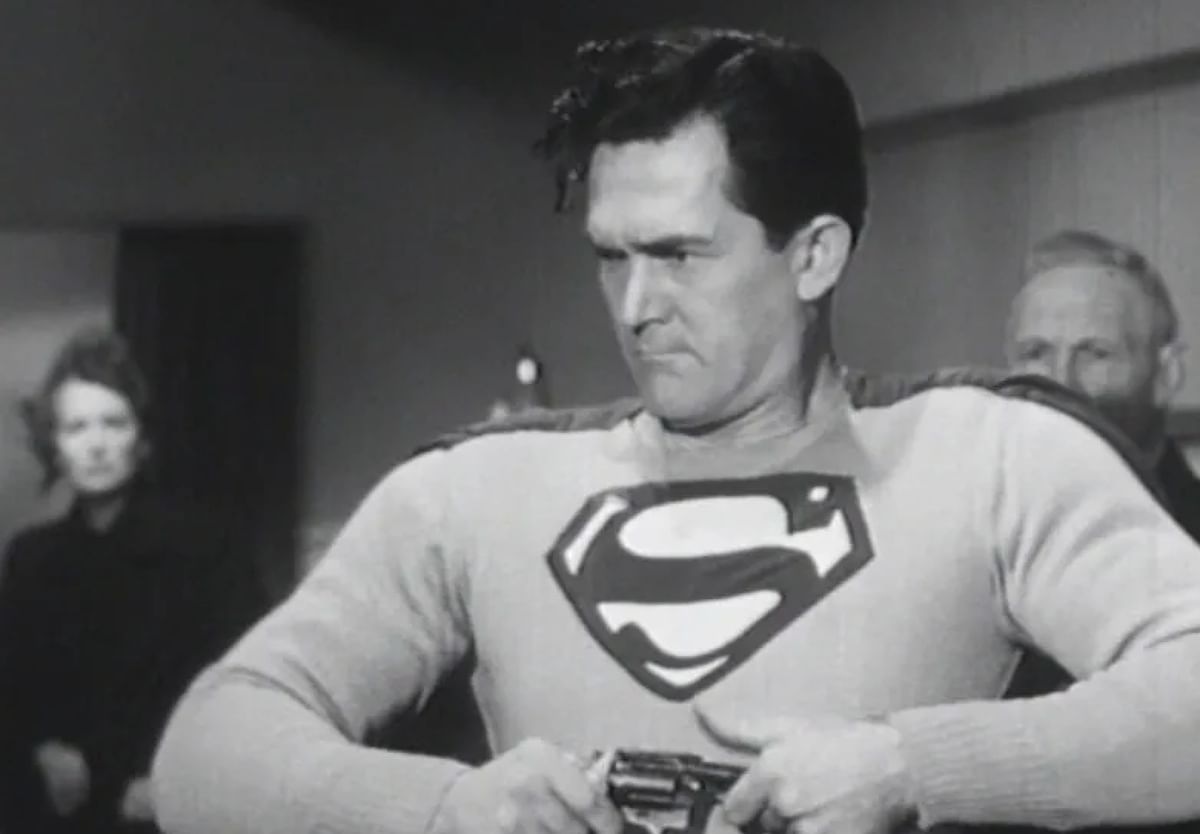
| Kirk Alyn | 1948–1950 | First live-action Superman | Established the visual of the flight sequence. |
| George Reeves | 1952–1958 | Television accessibility | Defined the character's moral code for the 1950s. |
| Christopher Reeve | 1978–1987 | The definitive performance | Set the standard for secret identities and medical advocacy. |
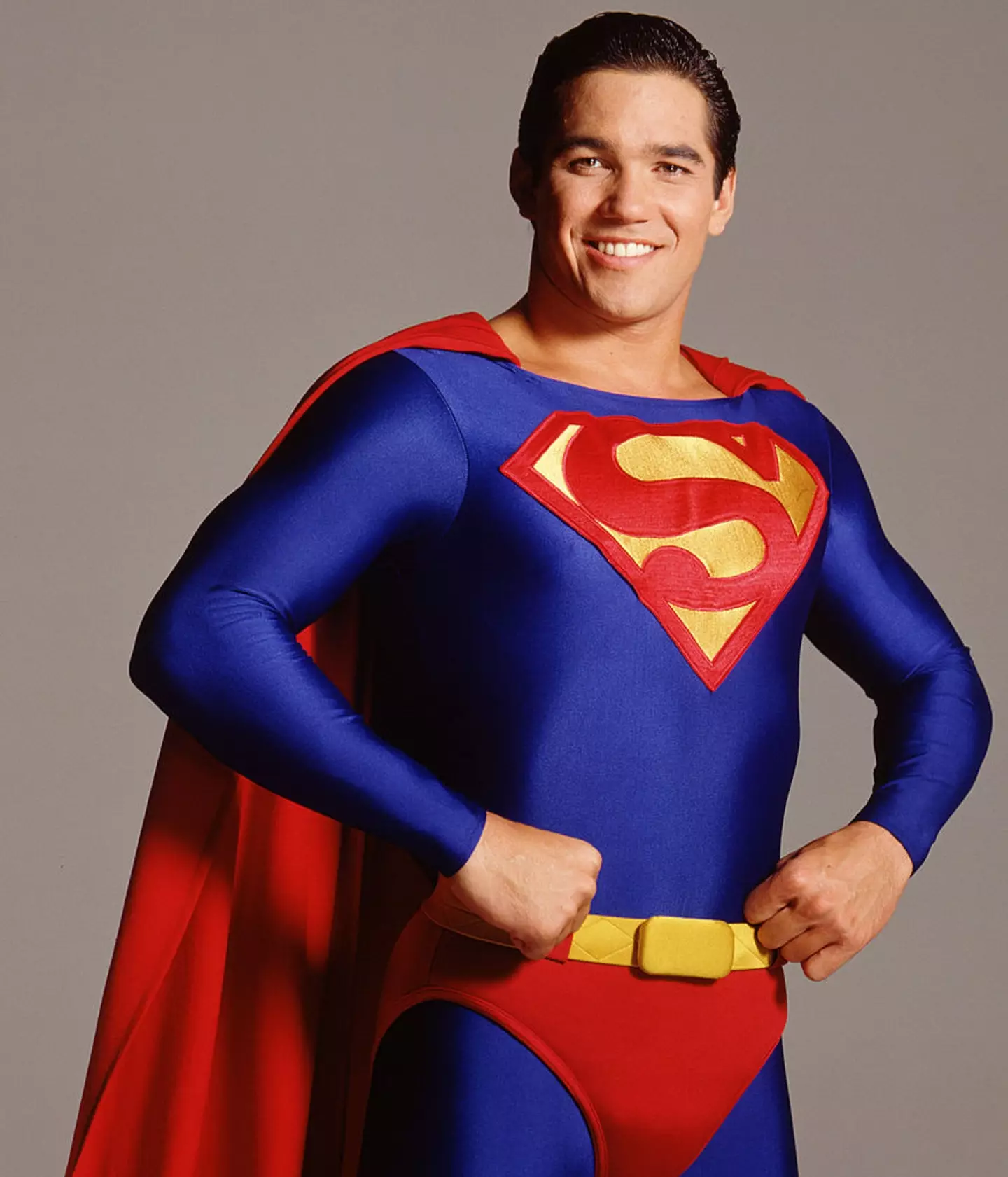
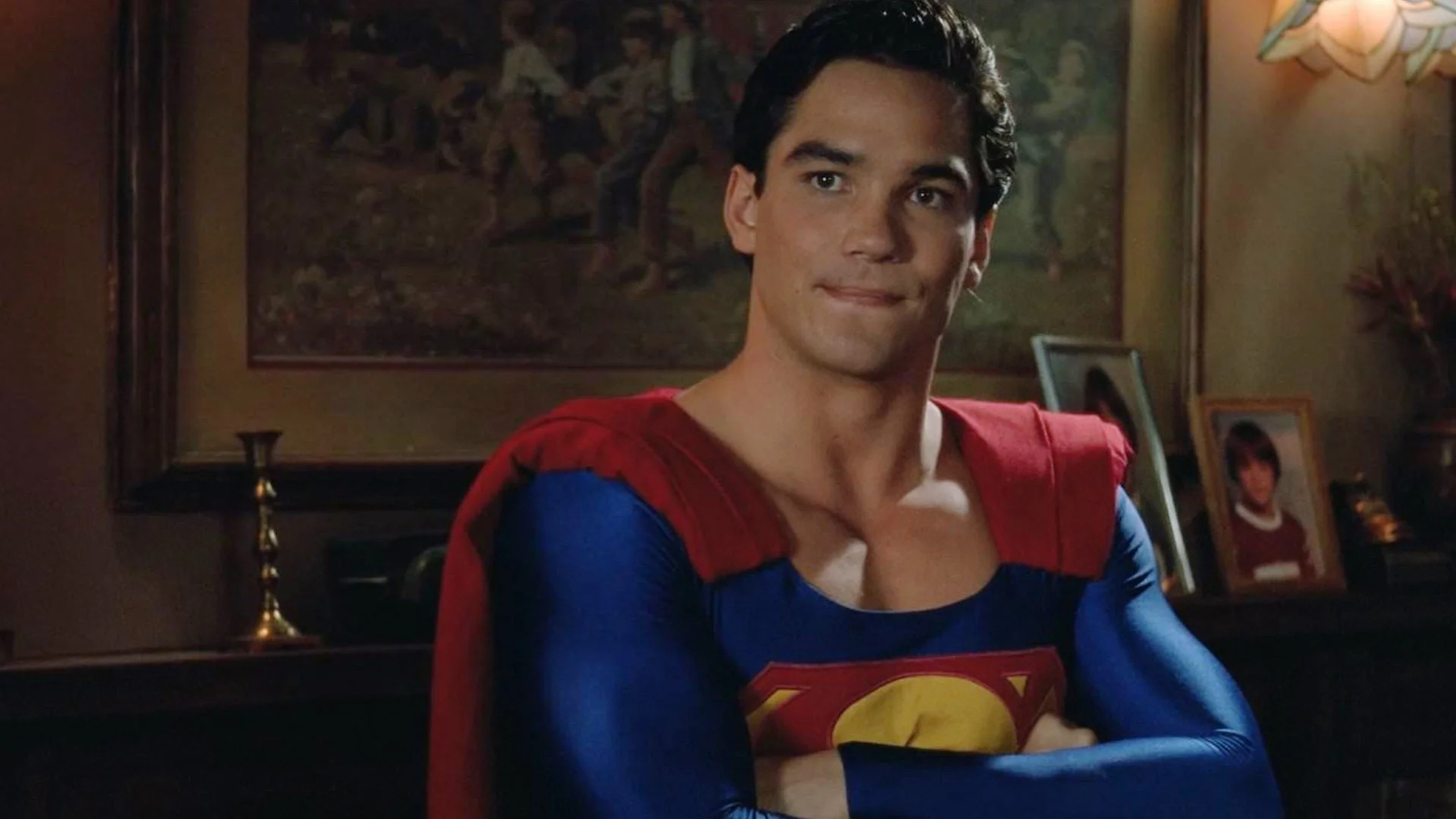
| Dean Cain | 1993–1997 | Romanticized lead | Humanized the character via the Lois & Clark relationship. |
| Tom Welling | 2001–2011 | The "No Tights, No Flights" rule | Focused on the humanity of Clark Kent's adolescence. |
| Brandon Routh | 2006 | Homage to the past | A bridge between the Reeve era and modern styles. |
| Henry Cavill | 2013–2023 | Modern mythological deconstruction | Redefined the character's power scale and physical presence. |
The "Superman Curse": Separating Fact from Fiction
A significant part of the legacy of former Superman actors involves the discussion of the "Superman Curse." This Hollywood legend suggests that playing the Man of Steel leads to career stagnation or personal tragedy.
- George Reeves: His mysterious death remains the cornerstone of the curse theory.
- Christopher Reeve: His paralyzing accident is often cited, though Reeve himself rejected the notion of a curse, focusing instead on his ability to use his platform for good.
- The Counter-Evidence: Many former actors have had thriving careers. Dean Cain, Tom Welling, and Brandon Routh have worked consistently in television and film for decades. Henry Cavill remains one of the most sought-after leading men in Hollywood, recently spearheading new franchises like Warhammer 40,000.
In 2026, the "curse" is largely viewed as a relic of tabloid journalism, replaced by an appreciation for the "Superman Blessing"—the unique platform the role provides for long-term career stability and philanthropic influence.
The Evolution of Superman's Moral Compass
The former actors didn't just play a role; they steered the character’s ethics. Christopher Reeve’s Superman was a "friend," famously saving a cat from a tree and promising to fight for "truth, justice, and the American way." This reflected a post-Watergate desire for simple, earnest heroism.
Henry Cavill’s Superman, however, navigated a world of geopolitical complexity. His legacy involves the "Man of Steel" dilemma: how does a god-like being exist in a world that fears him? By 2026, with the new DCU in full swing, historians recognize that Cavill’s darker, more introspective version was a necessary evolution to keep the character relevant in an era of anti-heroes.
Philanthropic and Cultural Impact in 2026
The legacy of the former Superman actor extends into the very fabric of Hollywood's charitable culture. Christopher Reeve’s children, Matthew, Alexandra, and Will, continue to lead the Reeve Foundation, ensuring that their father’s name is synonymous with courage in the face of adversity.
Furthermore, the "Superman family" of actors often reunites at fan conventions, a tradition that reinforces a shared legacy. Former actors like Brandon Routh and Tyler Hoechlin (who transitioned from TV Superman to a legacy figure) have frequently appeared together, showing a level of camaraderie that is rare in other franchise roles like Batman or James Bond.
FAQ: The Legacy of Former Superman Actors
Who is considered the most influential former Superman actor?
Christopher Reeve is widely considered the most influential. His portrayal in the 1978 film is the template upon which all subsequent versions are built, and his real-life courage after his injury cemented his status as a global icon of resilience.
Why did Henry Cavill stop being Superman?
Henry Cavill’s departure was part of a strategic reboot of the DC cinematic franchise. In late 2022, James Gunn and Peter Safran were appointed as co-CEOs of DC Studios and decided to focus on a younger version of the character for the 2025 film Superman, leading to the casting of David Corenswet.
What is the "Reeve Legacy" in medical science?
The legacy involves the shift in how the world views spinal cord injuries. Before Reeve, paralysis was often seen as a permanent, static condition. His advocacy shifted the focus toward active recovery, neuroplasticity, and increased federal funding for stem cell research and rehabilitative technology.
Did the former Superman actors ever meet or work together?
Yes. The Superman legacy is known for its "passing of the torch" cameos. Christopher Reeve appeared in Smallville alongside Tom Welling. Dean Cain and Teri Hatcher appeared in Supergirl. Brandon Routh even played Superman again in the Crisis on Infinite Earths TV event, paying tribute to both his own version and Reeve's.
How did the former actors' training differ?
Christopher Reeve focused on a "swimmer’s build," gaining approximately 30 pounds of muscle under the guidance of David Prowse. Henry Cavill, utilizing modern sports science and high-calorie bulking, achieved a significantly more muscular "powerlifter" aesthetic, reflecting the modern audience's expectation for superhero physicality.
Preserving the Cape: A Final Recommendation
For those interested in exploring the legacy of the former Superman actors, the best course of action is to view their work chronologically to witness the evolution of the American hero. Start with Christopher Reeve’s 1978 Superman to understand the foundation of the character's warmth, then move to Henry Cavill’s Man of Steel to see the character’s modernization. To truly appreciate the real-world legacy, visit the official site of the Christopher & Dana Reeve Foundation to see how a fictional hero's influence can create tangible, life-saving change in the 21st century.
Image Gallery