Why Hans in Frozen Matters: Subverting the Disney Prince Trope
Prince Hans of the Southern Isles remains one of the most significant characters in the Disney canon because he functions as a narrative deconstruction of the "Prince Charming" archetype. By serving as a "mirror" villain, Hans challeng...
Prince Hans of the Southern Isles remains one of the most significant characters in the Disney canon because he functions as a narrative deconstruction of the "Prince Charming" archetype. By serving as a "mirror" villain, Hans challenges the traditional concept of "love at first sight" and forces the protagonist, Anna, to undergo genuine emotional growth, ultimately shifting the film’s focus from romantic to platonic and sisterly love.
Contents
The Deconstruction of the "True Love" Myth
Since the release of Snow White and the Seven Dwarfs in 1937, the Disney "Prince" was often a secondary figure—a reward for the protagonist’s virtue or a literal savior who provides "True Love's Kiss." Hans matters because he was the first major character in the Disney Revival era to weaponize this trope against both the protagonist and the audience.
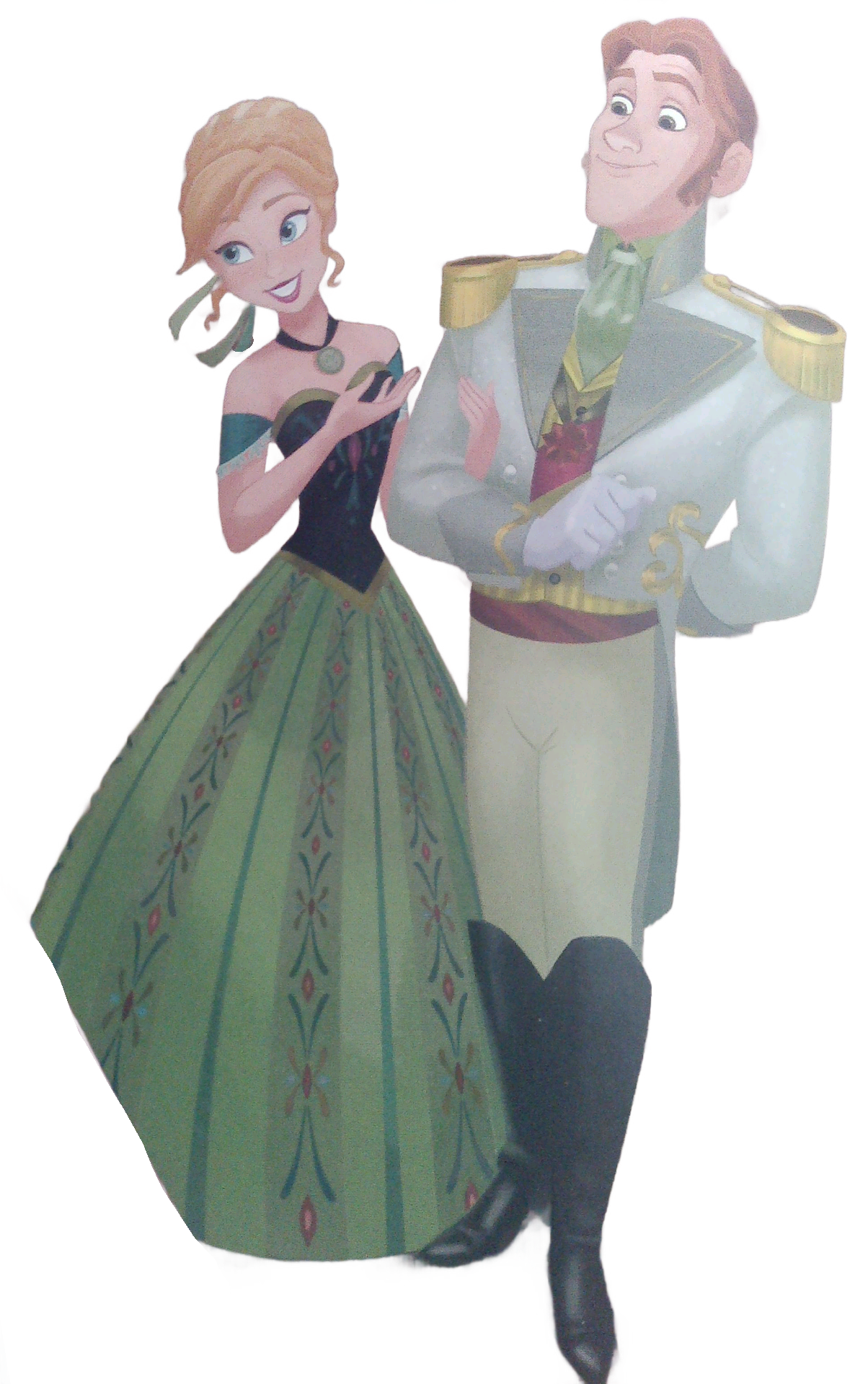
For decades, audiences were conditioned to believe that a handsome royal who shares a song and a dance with a princess is inherently virtuous. Hans exploits this meta-narrative expectation. When he first meets Anna, he checks every box of the traditional prince: he is charming, empathetic, and shares her social awkwardness. His importance lies in the harsh reality check he provides. He demonstrates that "True Love" cannot be manufactured in a single evening, a lesson that was revolutionary for a Disney film at the time.
In the context of 2026, where media literacy regarding "love bombing" and emotional manipulation has increased, Hans remains a relevant case study in how narratives can mask toxic behavior under the guise of romantic tradition.
The Mirror Villain: Hans as a Psychological Reflection
One of the most technically sophisticated aspects of Hans’s character design is his role as a "mirror." Throughout the first two acts of Frozen, Hans does not possess a consistent personality of his own; instead, he reflects the needs and desires of whoever he is interacting with. This is why he "matters" from a screenwriting perspective—he is a void that the other characters fill with their own expectations.
- With Anna: He is quirky, adventurous, and seemingly desperate for connection. He finishes her sentences (or "sandwiches") because he is actively monitoring her speech patterns to build instant rapport.
- With Elsa: He adopts a tone of regal concern and diplomacy. He presents himself as the steady hand that Arendelle needs, positioning himself as a leader in her absence.
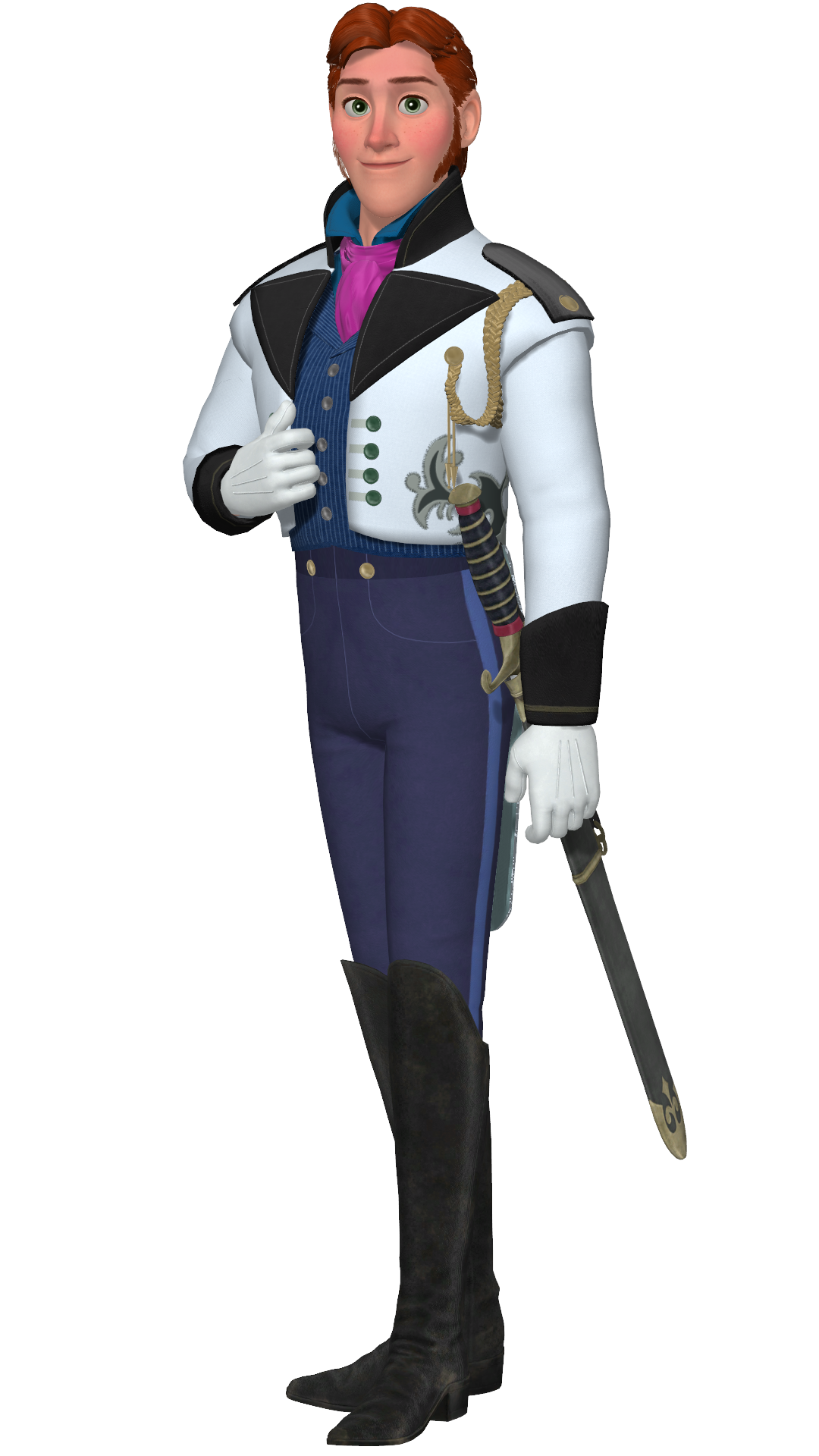
- With the Dignitaries: He plays the role of the selfless hero, distributing blankets and hot glogg, carefully crafting a public image that makes his eventual ascension to the throne seem like a natural, democratic choice.
This mirroring makes Hans a far more dangerous villain than a sorcerer or a monster. His power isn't magical; it is psychological. He identifies the specific emotional vacuum in each character—Anna’s loneliness and Elsa’s fear—and fills it with a tailored performance.
Hans vs. Traditional Disney Villains
To understand why Hans matters, it is useful to compare his methods and motivations with the villains who preceded him. Unlike Maleficent or Jafar, Hans has no magical abilities. His threat is entirely grounded in social engineering and political ambition.
| Feature | Traditional Villains (e.g., Ursula, Jafar) | Prince Hans |
|---|---|---|
| Source of Power | Magic, Sorcery, or Supernatural Contracts | Manipulation, Gaslighting, and Social Status |
| Motivation | Revenge or Absolute Global Power | Socio-political advancement (13th in line) |
| Visibility | Obvious from the first scene (dark colors, sharp features) | Hidden (bright colors, "heroic" design) |
| Method | Overpowering the hero through force | Infiltrating the hero's emotional life |
| Narrative Role | The external obstacle to be defeated | The internal catalyst for the hero's growth |
The Socio-Political Context of the 13th Son
While many Disney villains are motivated by a generic desire for "evil," Hans is grounded in a very real historical and social motivation: the law of primogeniture. As the youngest of thirteen brothers, Hans has zero chance of inheriting his own father’s kingdom.
This detail is crucial because it humanizes his villainy without excusing it. He matters because his evil is born of a recognizable human trait—the desperation for status and the resentment of being "invisible." By making him the 13th son, the writers provided a logical, grounded framework for his actions. He isn't trying to destroy the world; he is trying to "get a job" through the most ruthless means possible. This makes him a foil to Elsa, who was born into power she didn't want, whereas Hans is willing to kill to obtain power he wasn't born to.
Impact on Anna’s Character Arc
Without Hans, Anna’s journey would be a standard quest for romantic validation. Hans’s betrayal is the "inciting incident" for Anna’s true maturity. When he utters the infamous line, "Oh, Anna... if only there was someone out there who loved you," he shatters her idealistic worldview.
This betrayal is necessary for the film’s climax. It forces Anna to look past the "Prince" and realize that the most important relationship in her life is with her sister. If Hans had been a legitimate love interest or a simple "bad guy" who kidnapped her, the resolution—an act of true love being a sisterly sacrifice—would not have had the same thematic weight. Hans matters because he is the catalyst that allows Disney to pivot from 20th-century romantic tropes to 21st-century themes of familial loyalty and self-discovery.
The Shift from External to Internal Conflict
Hans represents a shift in Disney storytelling where the villain is no longer a physical threat located in a "Forbidden Mountain" or a "Cave of Wonders." Instead, the villain is often "in the house." This transition to "twist villains" (seen later in characters like Bellwether in Zootopia or King Magnifico in Wish) started largely with the success of Hans.
He teaches the audience—especially younger viewers—that evil doesn't always look like a monster. It can look like exactly what you've been taught to want. This adds a layer of sophistication to the narrative, requiring the protagonist to use discernment and intuition rather than just bravery and a sword.
The Significance of "Love is an Open Door"
The duet "Love is an Open Door" is often cited as a standard love song, but in the context of Hans's importance, it is a masterpiece of foreshadowing. Hans spends the entire song agreeing with Anna. When she says something, he repeats it or adds a "synchronized" harmony. While it seems romantic, it is actually a musical representation of his mirroring. He is literally opening "doors" into her psyche to find a way to the throne.
Frequently Asked Questions
Did Hans ever actually love Anna?
No, Hans never loved Anna. His actions were entirely transactional. His primary goal was to marry into the Arendelle royalty to secure a throne for himself. Every romantic gesture, including the "Love is an Open Door" sequence, was a calculated move to gain her trust and the trust of the kingdom.
Why didn't Hans just kill Elsa immediately?
Hans needed to be perceived as a hero by the people of Arendelle and the visiting dignitaries. If he had killed Elsa in the ice palace or executed her without a "valid" reason, he would have been viewed as a usurper or a murderer. By waiting until Elsa "accidentally" froze Anna's heart, he could position himself as the grieving widower-to-be who was "forced" to execute a "monster" for the safety of the kingdom.
Is Hans a "Sociopath" or a "Psychopath"?
While these are clinical terms, in a narrative sense, Hans exhibits traits often associated with antisocial personality disorders, specifically his lack of empathy, grandiosity, and manipulative behavior. He views people as chess pieces rather than individuals with feelings.
What happened to Hans after Frozen?
As of the events of Frozen II and the short film Frozen Fever, Hans was sent back to the Southern Isles to face the punishment of his twelve older brothers. His reputation in Arendelle is completely destroyed, and he is largely treated as a punchline or a cautionary tale in subsequent Arendelle history.
Why is Hans considered a "Twist Villain"?
He is considered a twist villain because the narrative deliberately hides his true intentions until the final act. Unlike Gaston in Beauty and the Beast, who is presented as arrogant from the start, Hans is presented as a traditional hero for the first two-thirds of the movie, leading the audience to believe the "villain" is either Elsa or the Duke of Weselton.
Practical Takeaway: Lessons from Hans
When analyzing media or teaching narrative structure, Hans serves as the perfect example of Subverted Expectations. His presence in Frozen reminds us that:
- Characters should have grounded motivations: Hans's status as a 13th son makes his ambition believable.
- Villains can be catalysts for growth: Anna’s maturity is a direct result of her dealing with Hans’s betrayal.
- Themes of discernment are vital: The story encourages looking beyond surface-level charm to see the character underneath.
For writers and creators, Hans remains a gold standard for how to successfully flip a long-standing trope on its head while still serving the core emotional needs of the story.
Image Gallery