Understanding the 2018 TSA Liquids Carry On Regulations and Powder Updates
The 2018 TSA liquids carry-on regulations are centered on the 3-1-1 rule, which limits passengers to containers of 3.4 ounces (100 milliliters) or less, all contained within a single quart-sized, clear plastic zip-top bag. Additionally...
The 2018 TSA liquids carry-on regulations are centered on the 3-1-1 rule, which limits passengers to containers of 3.4 ounces (100 milliliters) or less, all contained within a single quart-sized, clear plastic zip-top bag. Additionally, a significant 2018 policy update requires separate screening for powder-based substances exceeding 12 ounces (350 milliliters) to enhance aviation security.
Contents
Navigating airport security in 2026 still requires a firm grasp of the protocols established years ago. While screening technology has advanced significantly, the foundational "3-1-1" liquids rule and the 2018 powder amendments remain the standard operating procedure for the Transportation Security Administration (TSA). Understanding these specific requirements prevents delays at the checkpoint and ensures that your personal items are not confiscated during the screening process.
The Foundation: The TSA 3-1-1 Rule Explained
The "3-1-1" acronym was developed to help travelers remember the specific limitations placed on liquids, gels, and aerosols in carry-on luggage. Although security technology has evolved, these restrictions have remained remarkably consistent because they are based on the physical volume of potential liquid explosives that could be combined to cause a security threat.
3: The 3.4 Ounce Container Limit
Every liquid, gel, or aerosol you pack in your carry-on must be in a container that is 3.4 ounces (100 milliliters) or smaller. It is a common mistake to assume that the volume of the liquid inside the bottle is what matters; however, TSA officers focus on the printed capacity of the container. If you have a 6-ounce bottle of lotion that is only half-full, it will still be prohibited. The container itself must be manufactured to hold 3.4 ounces or less.
1: The One-Quart Bag
All of your travel-sized containers must fit comfortably into a single, clear, quart-sized plastic bag. This bag serves as a "limit" on the total volume of liquids any one passenger can bring into the cabin. The bag must be transparent to allow officers to quickly see the contents without opening it, and it must be able to seal completely. If the bag is bursting at the seams or cannot be zipped shut, you may be asked to discard items until it fits.
1: One Bag Per Passenger
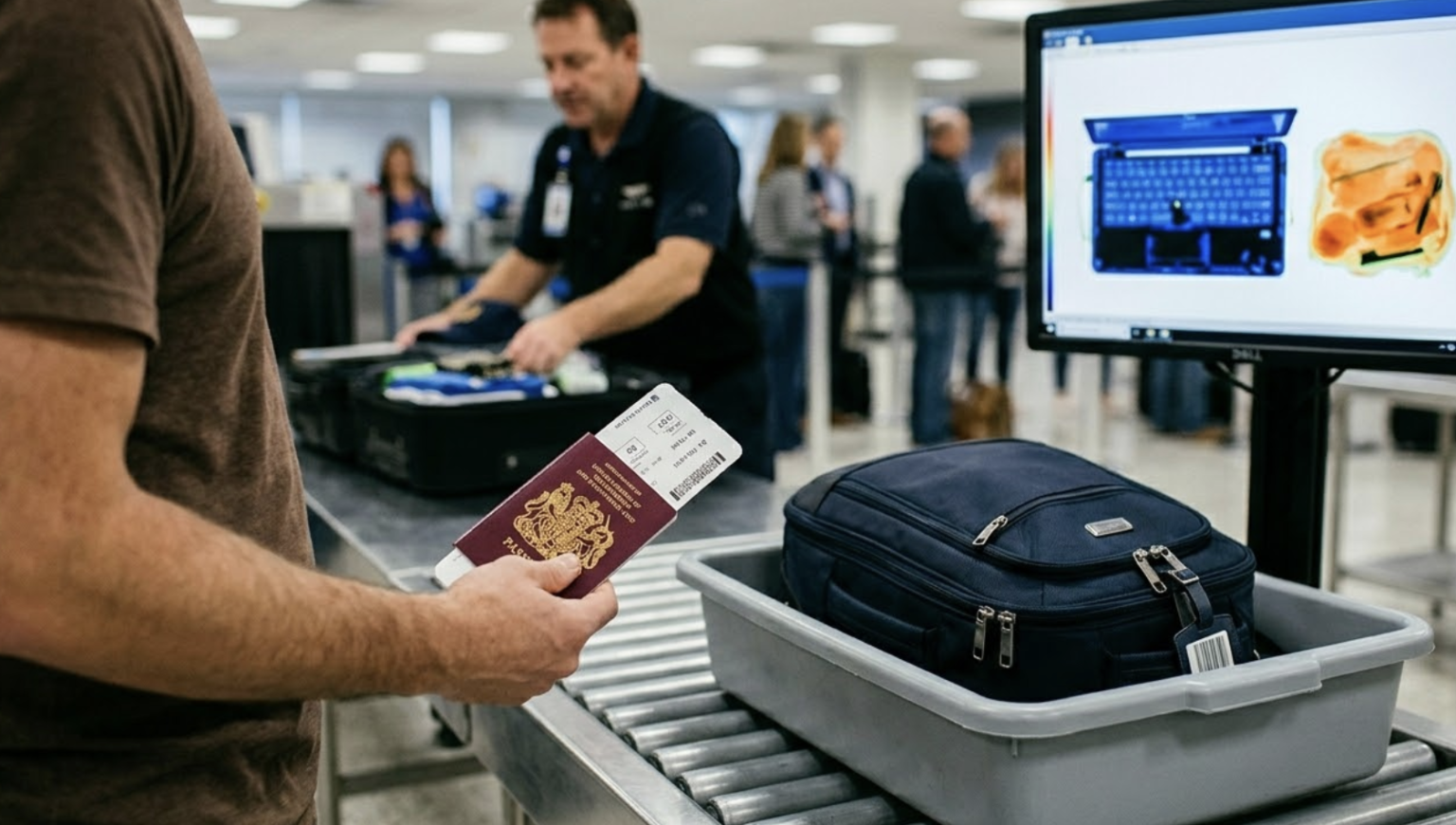
Each traveler is limited to one bag for liquids. This rule applies to everyone, including children. By centralizing all liquids in one place, the TSA can streamline the X-ray process. During standard screening, you are typically required to remove this bag from your carry-on and place it in a bin so it can be X-rayed separately from other electronics and personal items.
The 2018 Pivot: New Rules for Powder-Like Substances
On June 30, 2018, the TSA implemented a major policy update regarding powder-like substances in carry-on bags. This change was prompted by evolving security threats and the potential for powders to be used in improvised explosive devices or to obscure other prohibited items during X-ray screening.
The 12-Ounce Threshold
Under the 2018 regulations, any powder-like substance exceeding 12 ounces (approximately 350 milliliters) must be removed from the carry-on bag and placed in a separate bin for X-ray screening. For reference, 12 ounces is roughly the size of a standard soda can.
Common items that fall under this regulation include:
- Protein powders and meal replacement shakes.
- Baby powder and talcum powder.
- Ground coffee, spices, and flour.
- Cosmetics like loose setting powders.
- Sand (often found in souvenirs).
Secondary Screening for Powders
If a powder is identified in your bag and it exceeds the volume limit, TSA officers may subject it to secondary screening. This involves opening the container to test for explosive residues. If the substance cannot be resolved by the officer—meaning they cannot definitively prove it is safe—it will not be allowed into the cabin. To avoid these delays, the TSA recommends packing large quantities of powders in checked luggage whenever possible.
Essential Exceptions to the Liquid Limits
While the 3-1-1 rule is strict for standard toiletries, the TSA provides vital exceptions for items that are considered medically necessary or essential for infant care. These items are allowed in volumes greater than 3.4 ounces, provided they are declared to an officer at the start of the screening process.
Medically Necessary Liquids
If you require liquid medications, saline solution for contacts, or large quantities of hand sanitizer for medical reasons, these are permitted in your carry-on. You do not need to fit these into your quart-sized bag. Instead, you should:
- Inform the TSA officer that you have medically necessary liquids.
- Remove them from your bag for separate inspection.
- Be prepared for additional screening, which may include opening the bottles or a pat-down of your person.
Baby Formula, Breast Milk, and Juice
Parents traveling with infants or toddlers (usually defined as age 2 and under) are permitted to carry "reasonable quantities" of formula, breast milk, and juice. These do not have to be in 3.4-ounce containers. They are treated as medically necessary liquids and must be declared at the checkpoint. Interestingly, frozen cooling packs or gel packs used to keep these liquids cold are also permitted, even if the gel inside the pack exceeds 3.4 ounces, as long as the packs are frozen solid at the time of screening. If the packs are slushy or melted, they may be subject to the standard 3.4-ounce rule.
Duty-Free Liquids and International Travel
The 2018 regulations also address liquids purchased at duty-free shops after you have passed through security. If you are traveling on an international flight with a connection in the United States, you may be allowed to carry duty-free liquids (such as alcohol or perfumes) larger than 3.4 ounces in your carry-on, provided they meet specific criteria.
The liquids must be:
- Purchased at a duty-free shop and placed in a Secure Tamper-Evident Bag (STEB).
- Accompanied by a receipt showing the purchase was made within the last 48 hours.
- Screened and cleared by TSA officers at the connecting airport.
If the bag shows signs of tampering or if the officer cannot verify the contents through the STEB, the items will be confiscated. This is a critical consideration for travelers flying from Europe or Asia into the U.S. and then connecting to a domestic flight.
Comparing Liquid and Powder Regulations
The following table summarizes the key differences between the standard 3-1-1 liquid rules and the 2018 powder-like substance requirements.
| Category | Substance Examples | Container Limit | Screening Requirement |
|---|---|---|---|
| Standard Liquids | Shampoo, toothpaste, gel, aerosol | ≤ 3.4 oz (100ml) | Must fit in 1-quart bag; remove from luggage. |
| Powders | Protein powder, makeup, spices | No hard limit, but >12 oz triggers extra screening | Remove from luggage if >12 oz (350ml). |
| Medical Liquids | Insulin, contact solution, IV fluids | Reasonable quantities | Declare to officer; separate X-ray. |
| Infant Care | Formula, breast milk, baby food | Reasonable quantities | Declare to officer; separate X-ray. |
| Duty-Free | Spirits, perfumes, wine | > 3.4 oz allowed in STEB | Must be in sealed STEB with receipt. |
The Role of TSA PreCheck and Modern Technology
As of 2026, many airports have integrated Computed Tomography (CT) scanners. These advanced machines create 3D images of bag contents, allowing TSA officers to better distinguish between liquids and other materials.
For travelers enrolled in TSA PreCheck, the experience is significantly simplified. PreCheck members generally do not have to remove their 3-1-1 liquids bag or their powders from their carry-on luggage, regardless of the scanner type. However, the volume limits still apply. Even with PreCheck, you cannot bring a 12-ounce bottle of water through the checkpoint unless it is empty.
For those in the standard screening lanes at airports equipped with CT scanners, you may be instructed to leave your liquids inside your bag. It is essential to follow the specific instructions of the officers at each individual checkpoint, as protocols can vary based on the equipment being used that day.
Common Mistakes to Avoid
Even seasoned travelers often run into trouble with the 2018 regulations due to simple oversights. Avoiding these common errors can save you time and money:
- Peanut Butter and Spreads: Many people view peanut butter, hummus, or jam as food, but the TSA classifies them as liquids/gels. They must adhere to the 3.4-ounce rule.
- Solid vs. Liquid Deodorant: Solid stick deodorant has no size limit. However, gel or spray deodorants must be 3.4 ounces or less and fit in your quart bag.
- Frozen Items: If you are carrying a frozen liquid (like a water bottle or ice pack), it must be completely solid when it reaches the X-ray. If there is any liquid sloshing around at the bottom, it will be treated as a liquid and must meet the 3.4-ounce requirement.
- Stacked Items: Packing liquids and powders directly on top of one another can create a "dense" image on the X-ray that the machine cannot see through. Spreading your items out in your bag or using multiple bins can prevent the need for a manual bag search.
Frequently Asked Questions
Can I bring a full bottle of water if I tell the TSA I need it for a medical condition?
While you can bring medically necessary liquids, water is generally not considered one unless you have a specific, documented medical requirement that necessitates a particular type of water. In most cases, the TSA recommends bringing an empty reusable bottle through security and filling it at a water fountain or "hydration station" once you are inside the terminal.
Does toothpaste count as a liquid?
Yes, the TSA classifies toothpaste as a gel. Therefore, it must be in a container of 3.4 ounces or less and must be placed inside your quart-sized liquids bag. Large tubes of toothpaste are one of the most commonly confiscated items at security checkpoints.
What happens if my powder-like substance is flagged?
If you have more than 12 ounces of powder, a TSA officer will likely perform a test for explosives. This usually involves wiping the outside of the container or taking a small sample of the powder to be analyzed in a specialized machine. If the test is negative, you can keep the item. If the test is positive or inconclusive, you will have to abandon the item or take it back to the check-in counter to put it in a checked bag.
Are there restrictions on wet wipes or baby wipes?
No, wet wipes are not considered liquids by the TSA. You can bring as many as you like in your carry-on, and they do not need to be placed in your quart-sized bag. This applies to baby wipes, disinfectant wipes, and makeup remover wipes.
How should I pack my 2018-compliant liquids to speed up the line?
The most efficient way to pack is to place your quart-sized clear bag in an outside pocket of your carry-on or at the very top of the main compartment. This allows you to retrieve it instantly when you reach the bin area without digging through your clothes.
Final Recommendation for Travelers
When preparing for a flight in 2026, the best strategy remains "when in doubt, check it." If you have liquids or powders that are near the limit or are valuable to you, placing them in your checked luggage is the only way to guarantee they will not be confiscated at the security checkpoint. For your carry-on, strictly adhere to the 3-1-1 rule and keep your powders under 12 ounces to ensure the fastest possible transit through the airport. Always check the official TSA website before you head to the airport for the most current updates on prohibited items and screening procedures.
Image Gallery