When Whole Life Insurance Is Worthy: A Strategic Financial Evaluation for 2026
Whole life insurance is worthy when an individual requires permanent death benefit protection, has maximized traditional tax-advantaged retirement accounts, or needs a specialized estate planning tool to cover future tax liabilities. I...
Whole life insurance is worthy when an individual requires permanent death benefit protection, has maximized traditional tax-advantaged retirement accounts, or needs a specialized estate planning tool to cover future tax liabilities. It serves as a foundational financial asset for those prioritizing guaranteed cash value growth and lifelong coverage over the lower initial costs of term insurance.
Contents
Determining the value of a whole life insurance policy requires moving beyond simple premium comparisons. In 2026, the financial landscape has evolved, with interest rates and tax regulations making permanent coverage a more nuanced tool for wealth preservation and liquidity. Unlike term insurance, which provides a payout only if the insured dies within a specific window, whole life insurance is designed to remain in force for the duration of the policyholder's life, provided premiums are paid.
The Core Mechanisms of Whole Life Insurance
To understand when this product is worthy, one must first grasp its dual-purpose structure. Whole life insurance is a contract between an insured individual and an insurance carrier that combines a death benefit with a savings component, known as cash value.
Guaranteed Death Benefit and Level Premiums
The primary "worthy" feature for many is the guarantee. Once a policy is issued, the premium remains fixed for life. In an inflationary environment like that of the mid-2020s, a level premium becomes relatively "cheaper" in real dollars over several decades. The death benefit is also guaranteed, ensuring that beneficiaries receive a specific sum regardless of when the insured passes away, which is critical for those with lifelong dependents or complex estate needs.
Cash Value Accumulation
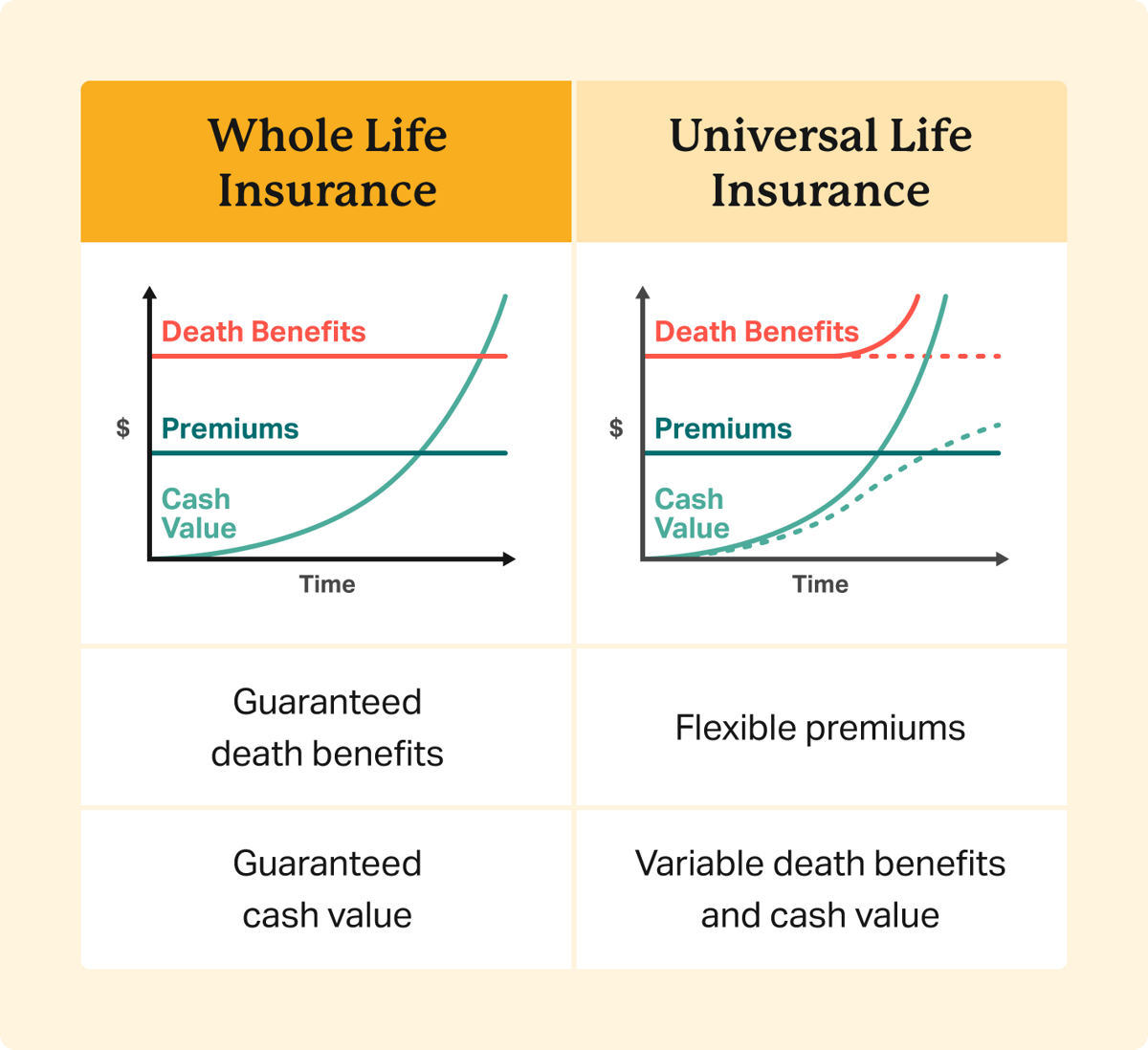
A portion of every premium payment is directed into a cash value account. This account grows on a tax-deferred basis at a rate guaranteed by the insurer. By 2026, many carriers have adjusted their dividend scales to reflect current economic conditions, making the internal rate of return (IRR) on these policies competitive with other low-risk, fixed-income vehicles. This cash value is not just a theoretical number; it represents equity that the policyholder can access via withdrawals or policy loans.
Scenarios Where Whole Life Insurance is Worthy
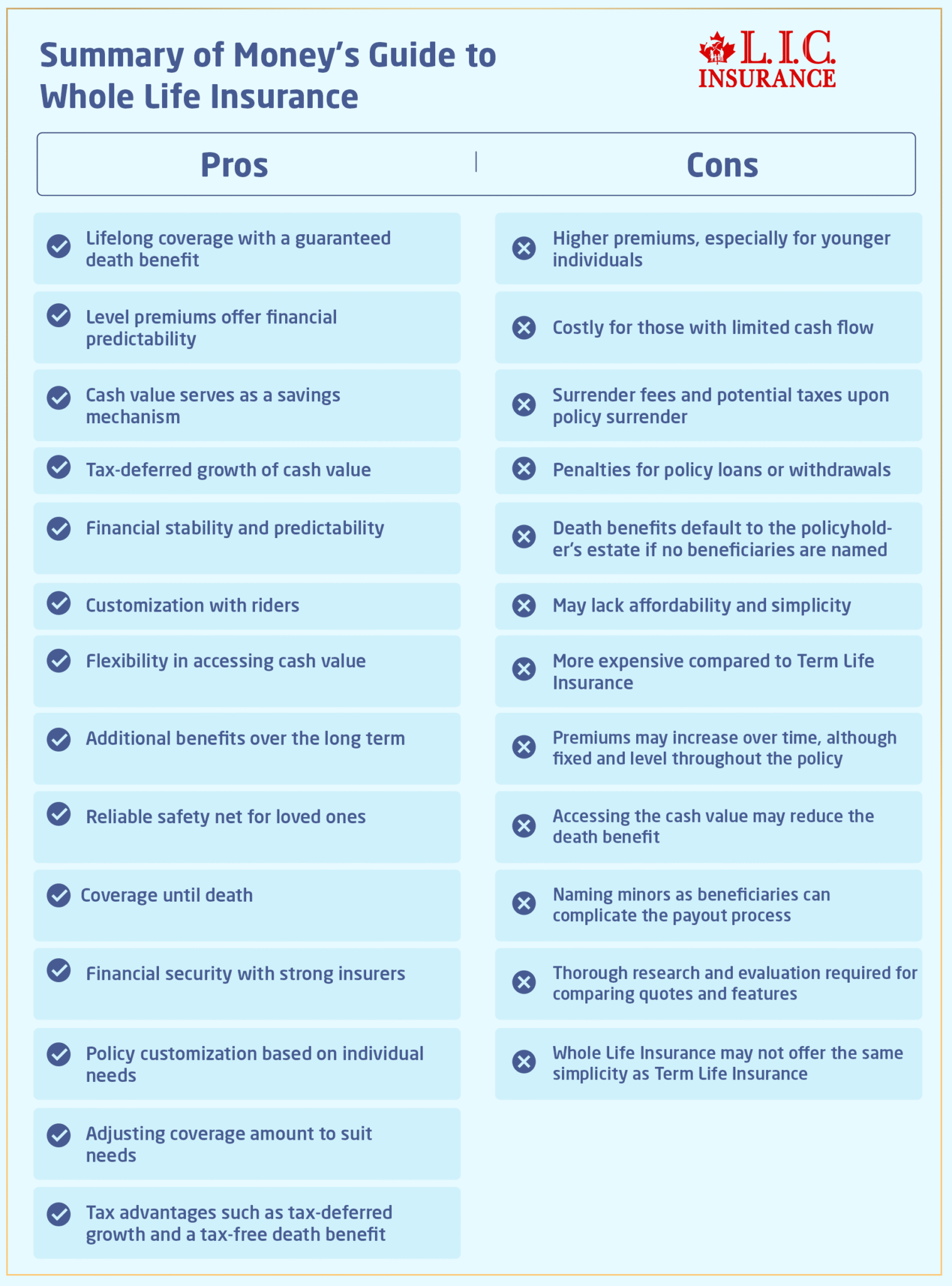
While whole life is often criticized for its high initial cost—sometimes five to ten times more expensive than term insurance for the same death benefit—certain financial profiles make it a mathematically sound choice.
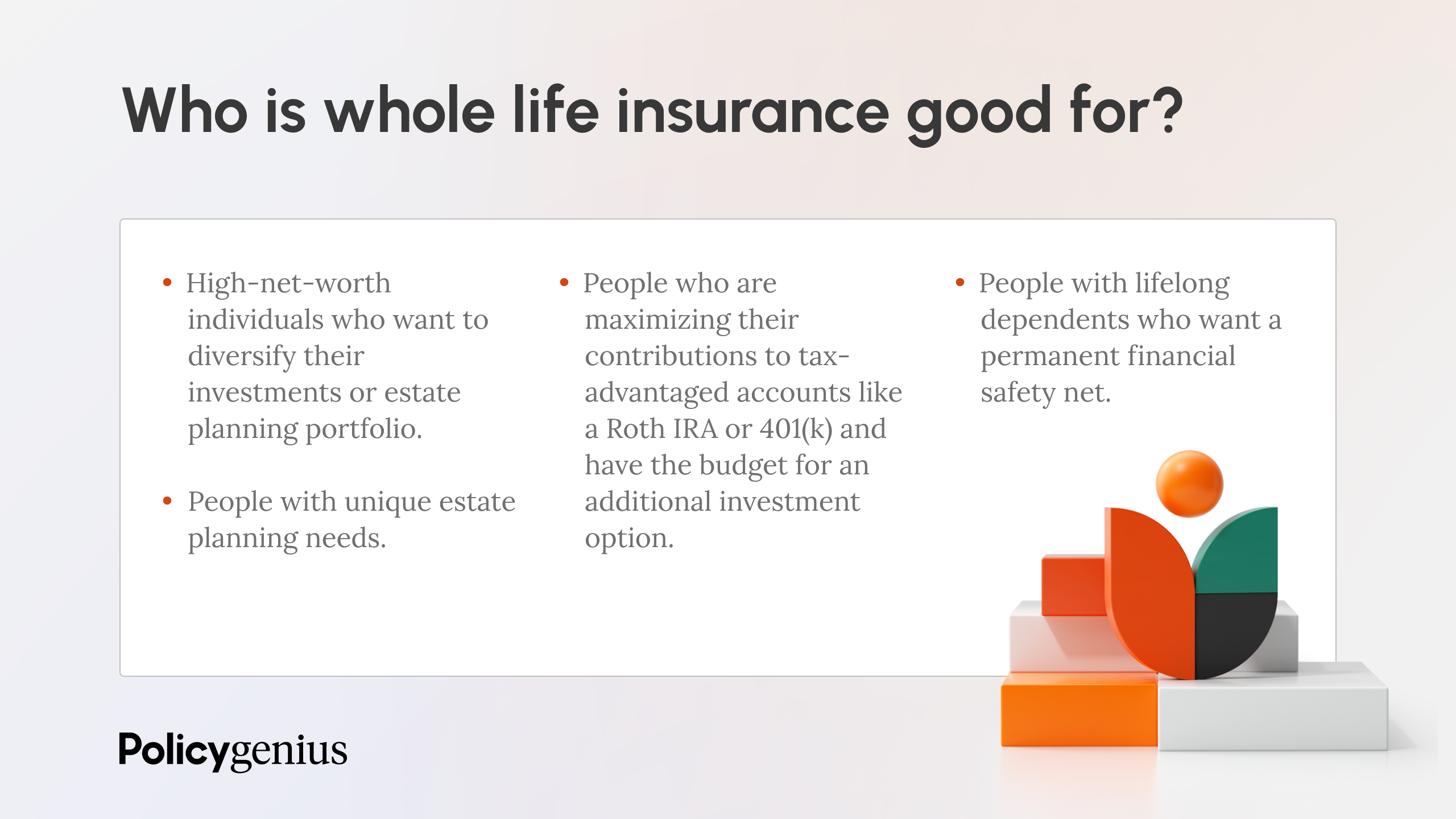
1. High-Net-Worth Estate Planning
For individuals whose estates exceed the federal estate tax exemption limits, whole life insurance is a vital liquidity tool. In 2026, tax laws continue to place a burden on large transfers of wealth. A whole life policy, often held within an Irrevocable Life Insurance Trust (ILIT), provides the cash necessary to pay estate taxes without forcing the heirs to liquidate real estate, private business interests, or other illiquid assets.
2. Maximizing Tax-Advantaged Contributions
When an investor has already reached the maximum contribution limits for their 401(k), 403(b), and IRAs, whole life insurance offers an additional "bucket" for tax-deferred growth. Under Internal Revenue Code Section 7702, the cash value growth inside a life insurance policy is not taxed annually. This makes it an attractive vehicle for high-earners looking to reduce their current taxable footprint while building a conservative asset base for the future.
3. Funding Lifelong Obligations
Standard term insurance is insufficient for families caring for children with special needs or adults who will never be financially independent. Because a whole life policy never expires (as long as premiums are met), it guarantees that a "Special Needs Trust" or a similar vehicle will be funded upon the parents' death, providing peace of mind that a 20-year or 30-year term policy cannot offer.
4. The "Forced Savings" Requirement
For many individuals, the discipline of saving is difficult to maintain. Whole life insurance acts as a forced savings mechanism. Because the premium is a billed obligation, it compels the policyholder to build equity. Over 20 or 30 years, this accumulation can result in a significant sum that can be used to supplement retirement income through tax-free policy loans.
Comparing Whole Life vs. Term Life Insurance
To decide if whole life is worthy for your specific situation, it is helpful to compare it directly against the most common alternative: Term Life.
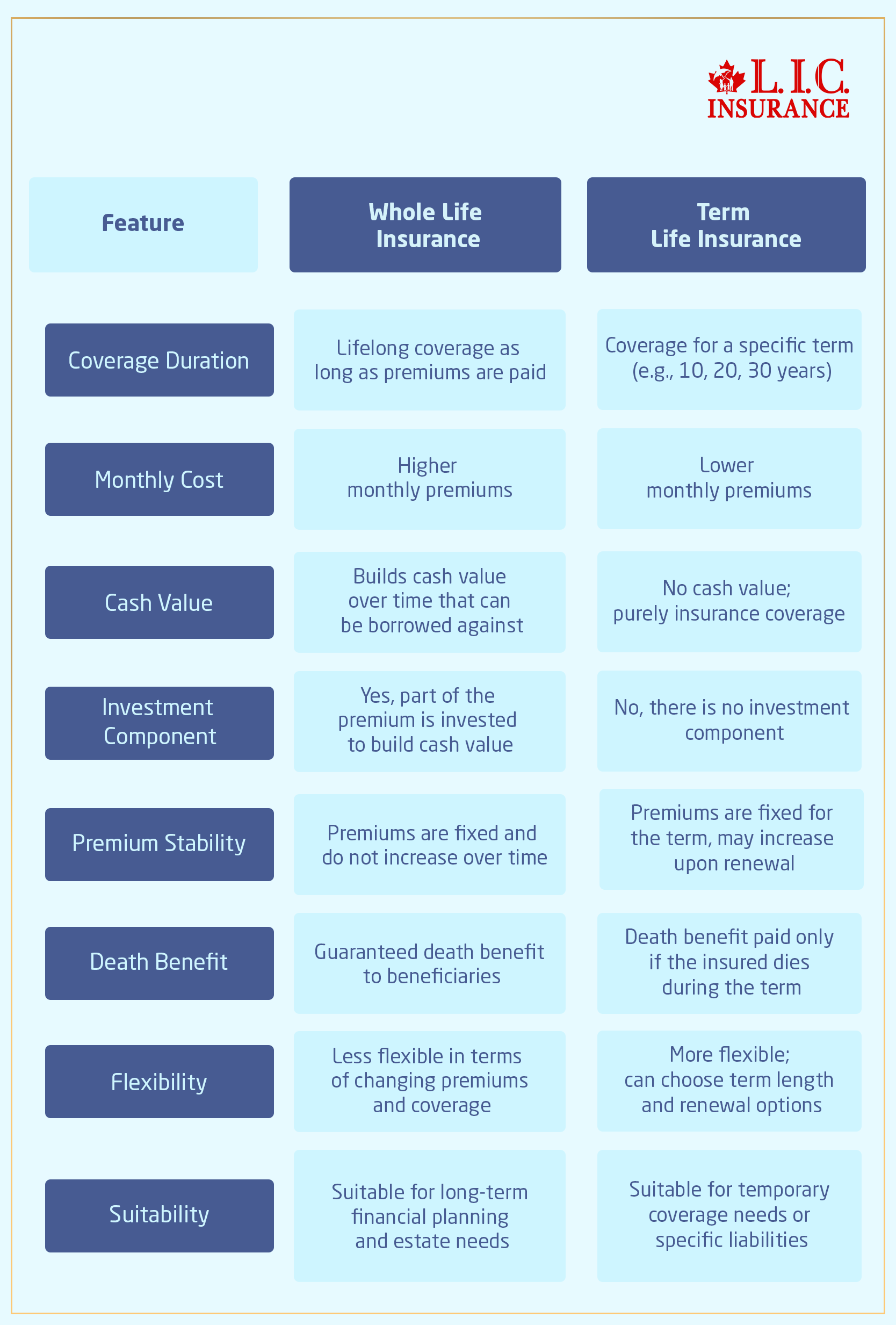
| Feature | Whole Life Insurance | Term Life Insurance |
|---|---|---|
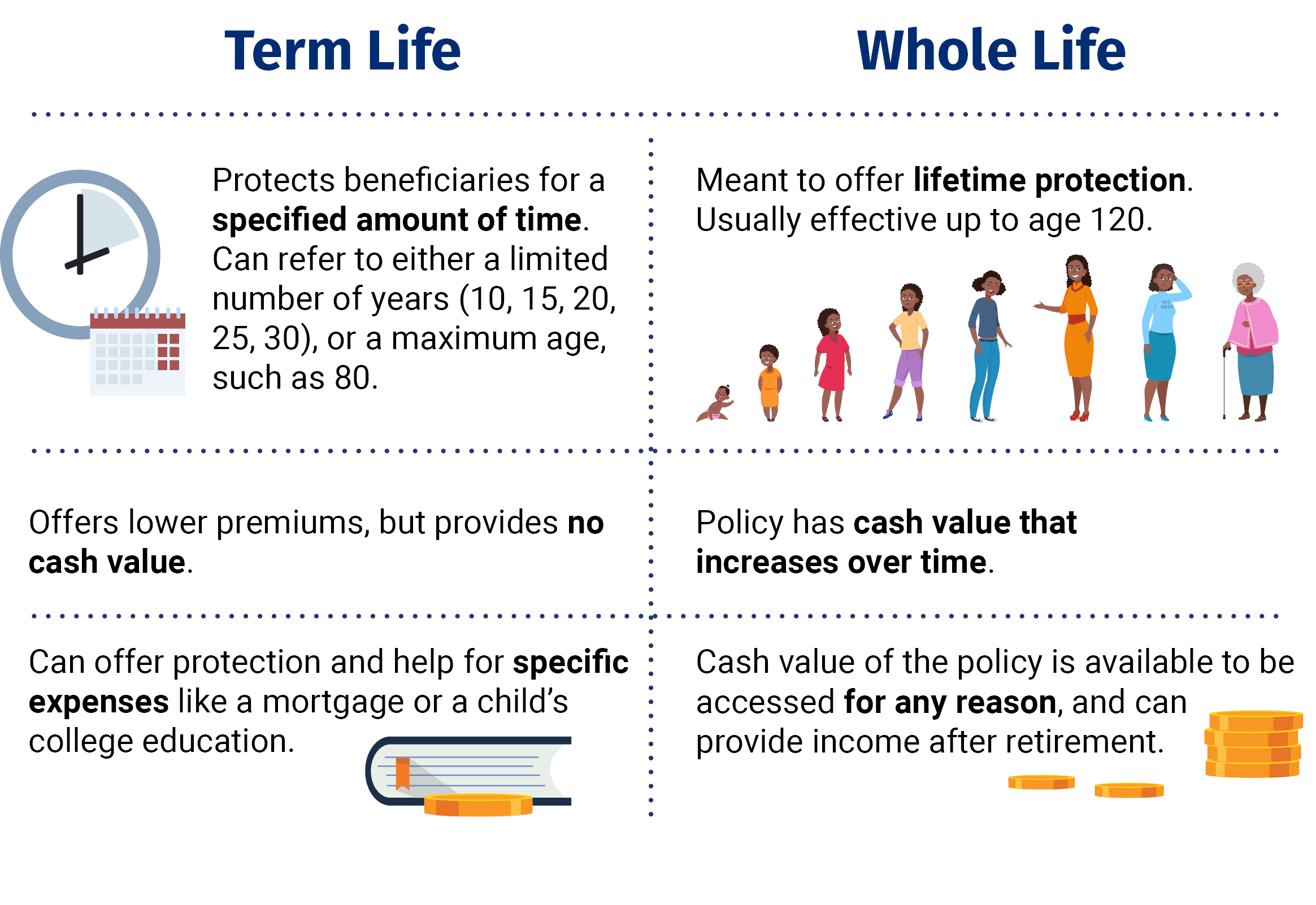
| Duration | Lifelong (to age 100 or 121) | Specific period (10, 20, or 30 years) |
| Premium Cost | High (but fixed for life) | Low (initially, but increases upon renewal) |
| Cash Value | Yes (guaranteed growth) | No |
| Tax Benefits | Tax-deferred growth; Tax-free loans | Tax-free death benefit only |
| Flexibility | Policy loans and dividend options | Pure protection; no living benefits |
| Best For | Estate planning, high earners, lifelong needs | Young families, income replacement, debt coverage |
Technical Considerations: Dividends and Riders
A policy becomes significantly more "worthy" when it is "participating." Participating whole life insurance policies, typically issued by mutual insurance companies, are eligible to receive dividends. While dividends are not guaranteed, they represent a return of premium based on the insurer's profitability, mortality experience, and investment performance.
In 2026, policyholders often use dividends in the following ways:
- Paid-Up Additions (PUA): Using dividends to buy more insurance coverage, which in turn increases the death benefit and accelerates cash value growth.
- Premium Reduction: Applying dividends toward the annual premium to lower out-of-pocket costs.
- Cash Accumulation: Leaving dividends with the insurer to earn interest.
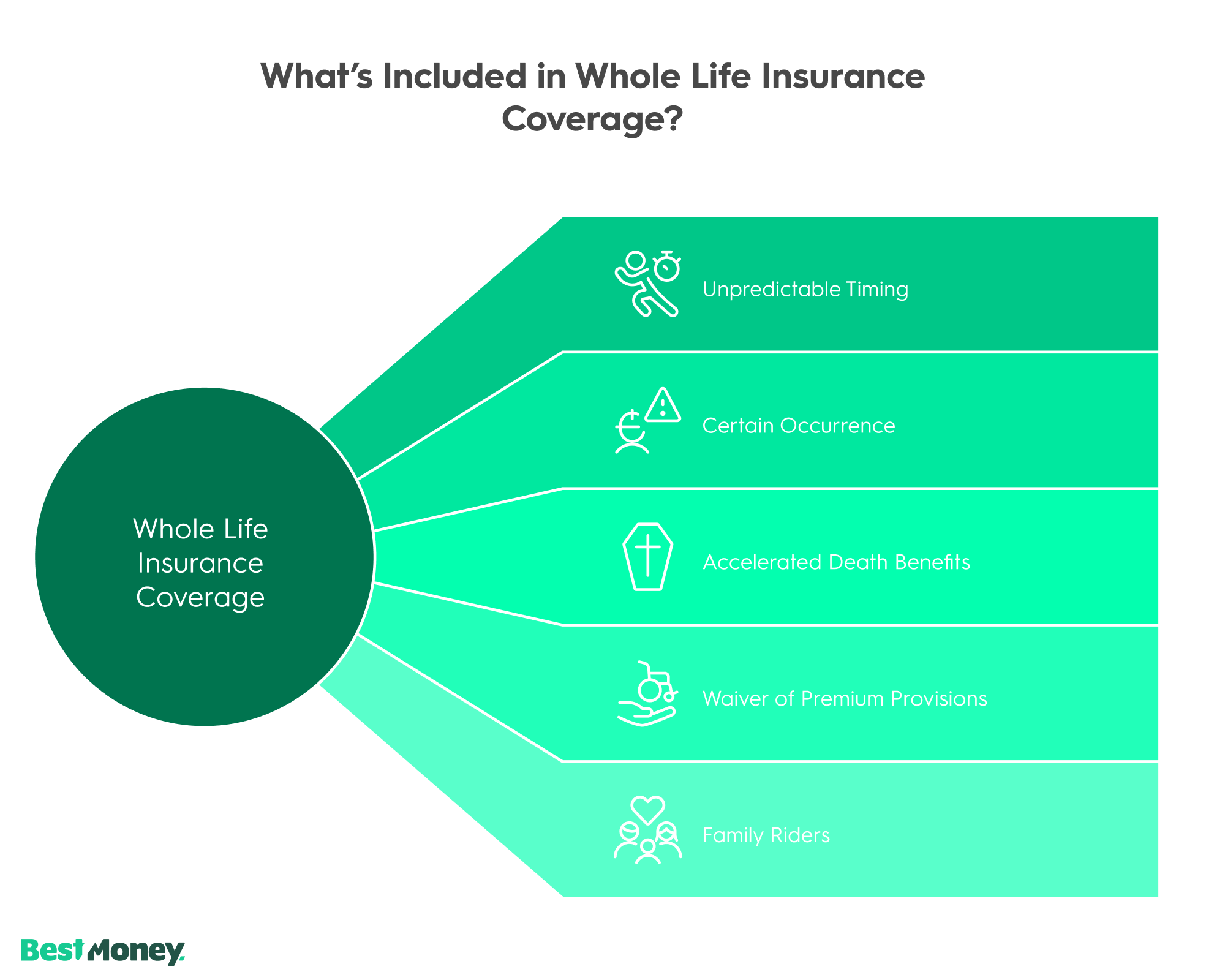
Furthermore, specific riders can enhance the policy's utility. An Accelerated Death Benefit Rider allows the policyholder to access a portion of the death benefit while still alive if they are diagnosed with a terminal or chronic illness. This provides a layer of long-term care protection that makes the high premium of whole life insurance more justifiable.
Common Mistakes and When to Avoid Whole Life
Whole life insurance is not a universal solution. It is often deemed "unworthy" or a poor fit in several common scenarios:
- Short-Term Needs: If you only need to cover a 20-year mortgage or ensure your children reach college age, term insurance is vastly more efficient.
- Budget Constraints: If paying the high premium for whole life forces you to under-insure yourself (e.g., buying $250k of whole life when you actually need $1M of coverage), you are putting your family at risk.
- Early Surrender: Whole life insurance has high "surrender charges" and front-loaded commissions. If you cancel the policy within the first 7–10 years, you will likely receive very little cash value back, resulting in a net loss.
Professional Verification and Regulatory Context
When evaluating a policy in 2026, it is essential to verify the financial strength of the carrier. Organizations like AM Best and Moody's provide ratings that indicate an insurer's ability to meet its ongoing insurance obligations. A policy is only as worthy as the company's ability to pay the claim fifty years from now.
Furthermore, the National Association of Insurance Commissioners (NAIC) provides resources for consumers to understand the standard non-forfeiture laws that protect policyholders' equity in their cash value accounts.
Disclaimer: This article provides general information and does not constitute professional financial, legal, or tax advice. Consult with a qualified financial advisor or tax professional to discuss your specific circumstances.
Frequently Asked Questions
Can I lose money on a whole life insurance policy?
In the short term, yes. Because of the way policies are structured, the internal costs and commissions are paid upfront. If you surrender the policy in the first few years, the cash value will be less than the total premiums paid. However, the cash value itself is guaranteed not to decline due to market performance, unlike a Variable Life policy.
Is the cash value separate from the death benefit?
Generally, when the insured passes away, the beneficiaries receive the face amount (death benefit), and the cash value is retained by the insurance company. However, if you have purchased "Paid-Up Additions," your death benefit will have grown over time, effectively passing on the value of that growth to your heirs.
How do policy loans work?
You can borrow against your cash value at any time without a credit check, as you are essentially borrowing your own money held as collateral by the insurer. While you must pay interest on the loan, you are not required to pay back the principal. However, any outstanding loan balance at the time of death will be deducted from the final payout to your beneficiaries.
Is whole life insurance better than investing in the stock market?
They serve different purposes. The stock market offers higher potential returns but comes with the risk of loss. Whole life insurance offers lower, guaranteed returns and a death benefit. Most financial experts suggest using whole life as a "volatility buffer" or a conservative component of a broader portfolio, rather than a replacement for equity investments.
What happens if I can no longer afford the premiums?
Most policies have "non-forfeiture options." You can use the existing cash value to pay the premiums (Automatic Premium Loan), convert the policy to "reduced paid-up" insurance (where you stop paying but keep a smaller death benefit), or surrender the policy for its current cash value.
Next Actions for Prospective Buyers
If you believe whole life insurance might be worthy for your financial plan, your next step should be a Needs Analysis. Calculate your total lifelong liabilities, including estate taxes and dependent care. Request a "full illustration" from a reputable carrier that shows both the guaranteed and non-guaranteed (dividend-inclusive) projections for the next 40 years. Pay close attention to the "surrender value" column to understand your liquidity in the early years of the contract.
Image Gallery