Is November a Good Time to Visit Mexico? An In-Depth Travel Analysis
November is widely considered one of the absolute best months to visit Mexico, as it marks the transition from the rainy season to the cooler, drier high season. Travelers arriving in November benefit from moderate temperatures across...
November is widely considered one of the absolute best months to visit Mexico, as it marks the transition from the rainy season to the cooler, drier high season. Travelers arriving in November benefit from moderate temperatures across most of the country, the conclusion of the hurricane season, and the opportunity to experience profound cultural events, such as the Día de los Muertos festivities, while avoiding the peak pricing and heavy crowds of the mid-winter holiday rush.
Contents
The Climatic Transition: Understanding Mexico in November
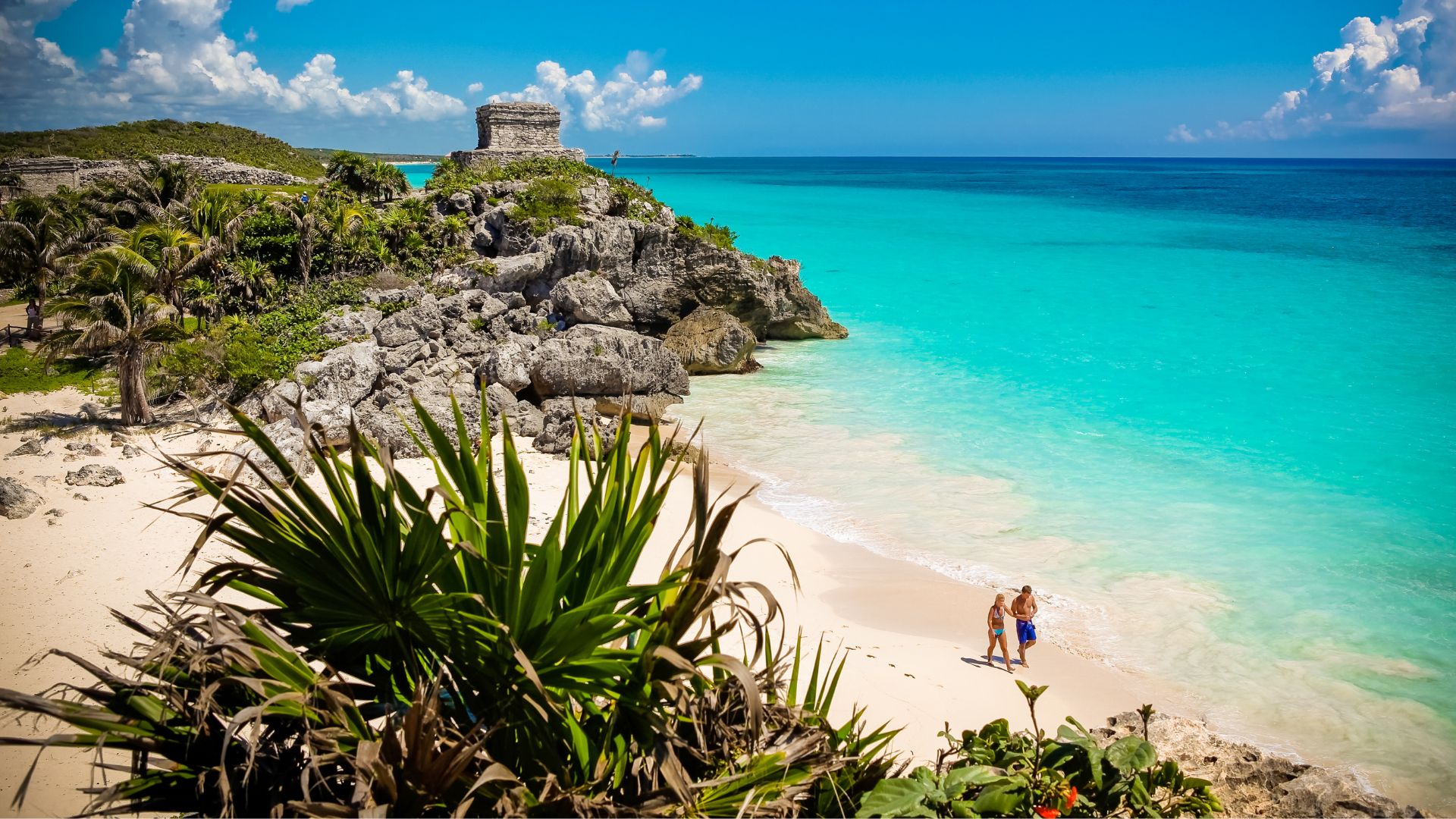
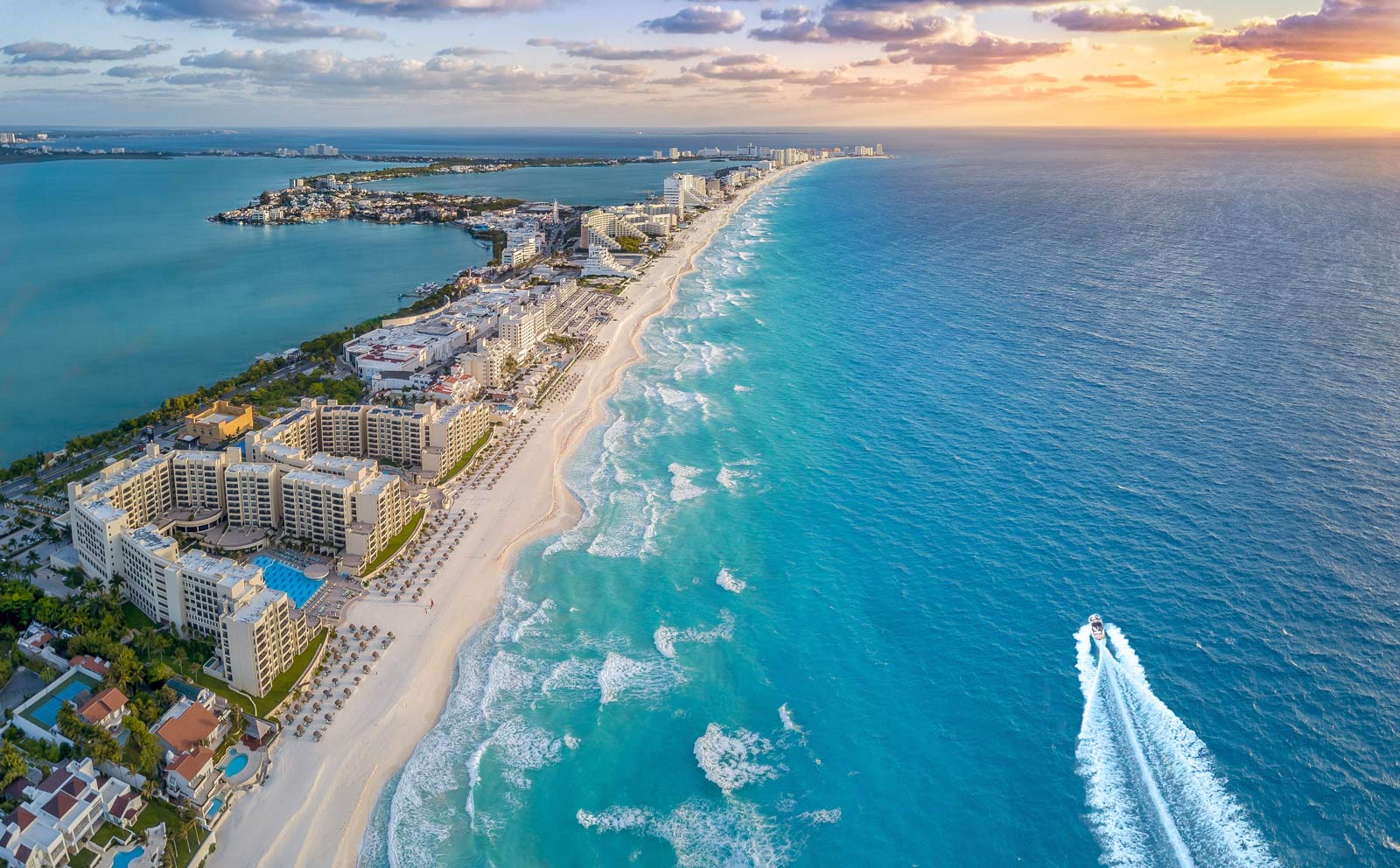
Mexico’s geography spans vast climatic zones, but generally, November offers a "sweet spot" for visitors. The heavy precipitation characteristic of the tropical summer and early autumn months begins to taper off significantly by early November. In the coastal regions of the Yucatan Peninsula and the Mexican Pacific, humidity levels drop, making outdoor activities like snorkeling, hiking, and exploring ancient ruins far more comfortable than during the sweltering months of August or September.
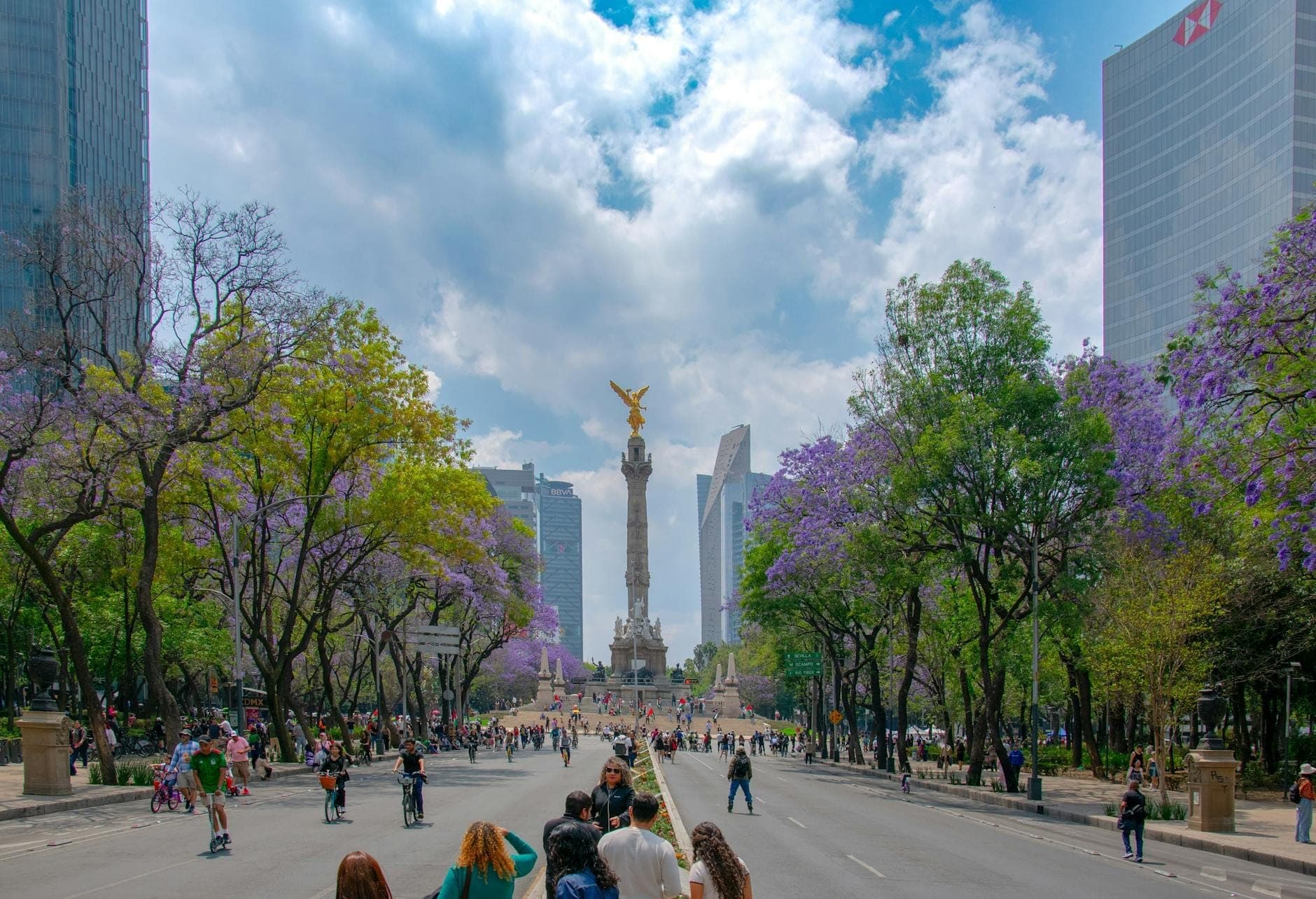
In the central highlands—which include Mexico City, San Miguel de Allende, and Puebla—November brings crisp, clear days and chilly evenings. While coastal temperatures typically range from 24°C to 30°C (75°F to 86°F), the high-altitude regions may see nighttime temperatures dip toward 10°C (50°F), requiring travelers to pack versatile layers. By choosing to travel in November, you effectively bypass the peak heat and the risk of significant storm disruption that characterizes the Atlantic hurricane season, which officially concludes on November 30.
Cultural Significance: The Experience of Día de los Muertos
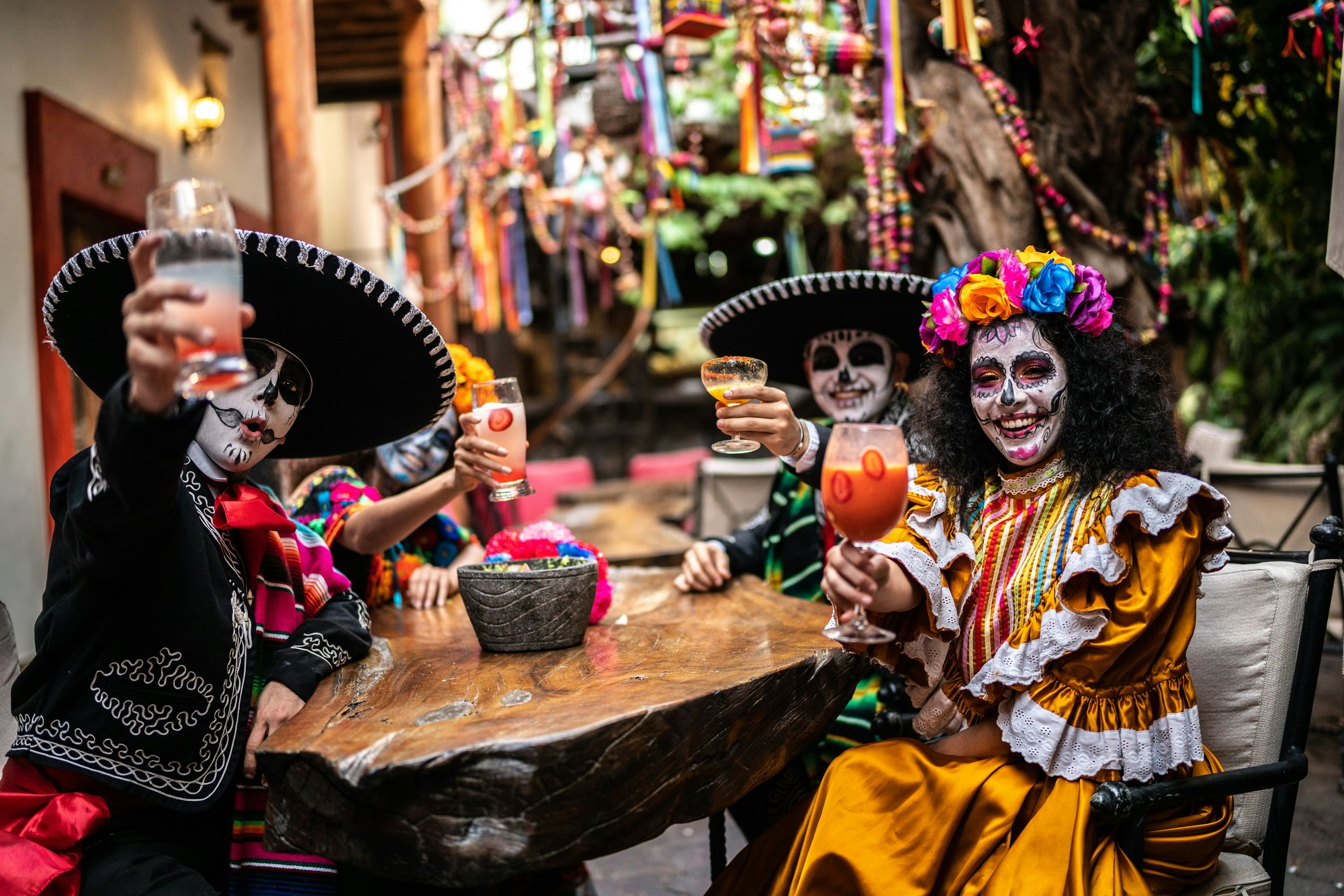
One of the most compelling reasons to visit Mexico in November is to participate in or observe Día de los Muertos (Day of the Dead). Celebrated on November 1st and 2nd, this UNESCO-recognized tradition is deeply rooted in Mexican identity. Unlike somber commemorations in other cultures, this period is a vibrant, celebratory honoring of deceased loved ones.
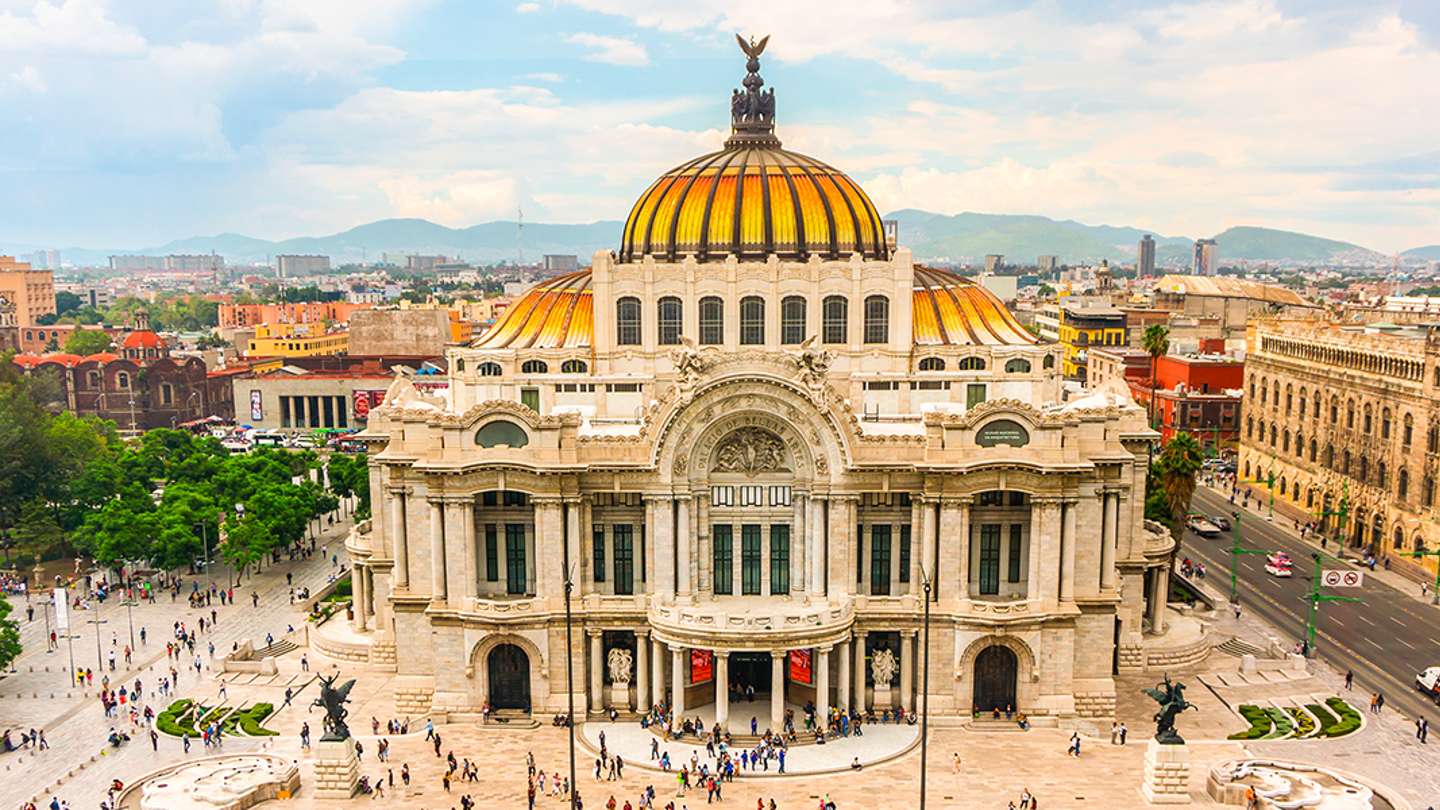
In regions like Oaxaca, Michoacán (specifically the island of Janitzio), and Mexico City, the atmosphere is electric. Public spaces are adorned with ofrendas (altars), bright marigolds (cempasúchil), and sugar skulls. Museums, city squares, and cemeteries host parades and vigils. Travelers interested in cultural immersion should book accommodations well in advance for these specific dates, as major cultural hubs often sell out months ahead of time. It is a period of high demand, even if the rest of the month remains relatively accessible.
Economic and Logistical Advantages
From a logistical standpoint, November serves as the "shoulder season" buffer before the December holiday surge. While early November experiences a spike in interest due to holiday travel, the weeks following the second week of the month often see a lull in pricing before the Christmas and New Year's premiums take effect.
Airfare and accommodation rates are generally more competitive in mid-to-late November compared to the high-season months of January and February. Furthermore, popular tourist sites like Chichén Itzá or the beaches of Tulum are less densely packed than they will be during the upcoming winter break. For travelers seeking a balance between good weather and value, the third week of November is frequently the optimal time to secure lower rates on boutique hotels and guided excursions.
Regional Variations and Travel Planning
Because Mexico is geographically diverse, "good weather" means different things depending on your destination. The following table provides a high-level comparison to help guide your planning:
| Region | Primary Characteristics in November | Average Temp (Day) | Best For |
|---|---|---|---|
| Yucatan Peninsula | Decreasing humidity, calm seas | 28°C (82°F) | Beaches, cenotes, Mayan ruins |
| Central Highlands | Sunny, dry, cool nights | 22°C (72°F) | Culture, history, city exploration |
| Pacific Coast | Dry, pleasant breeze | 29°C (84°F) | Surfing, whale watching, nightlife |
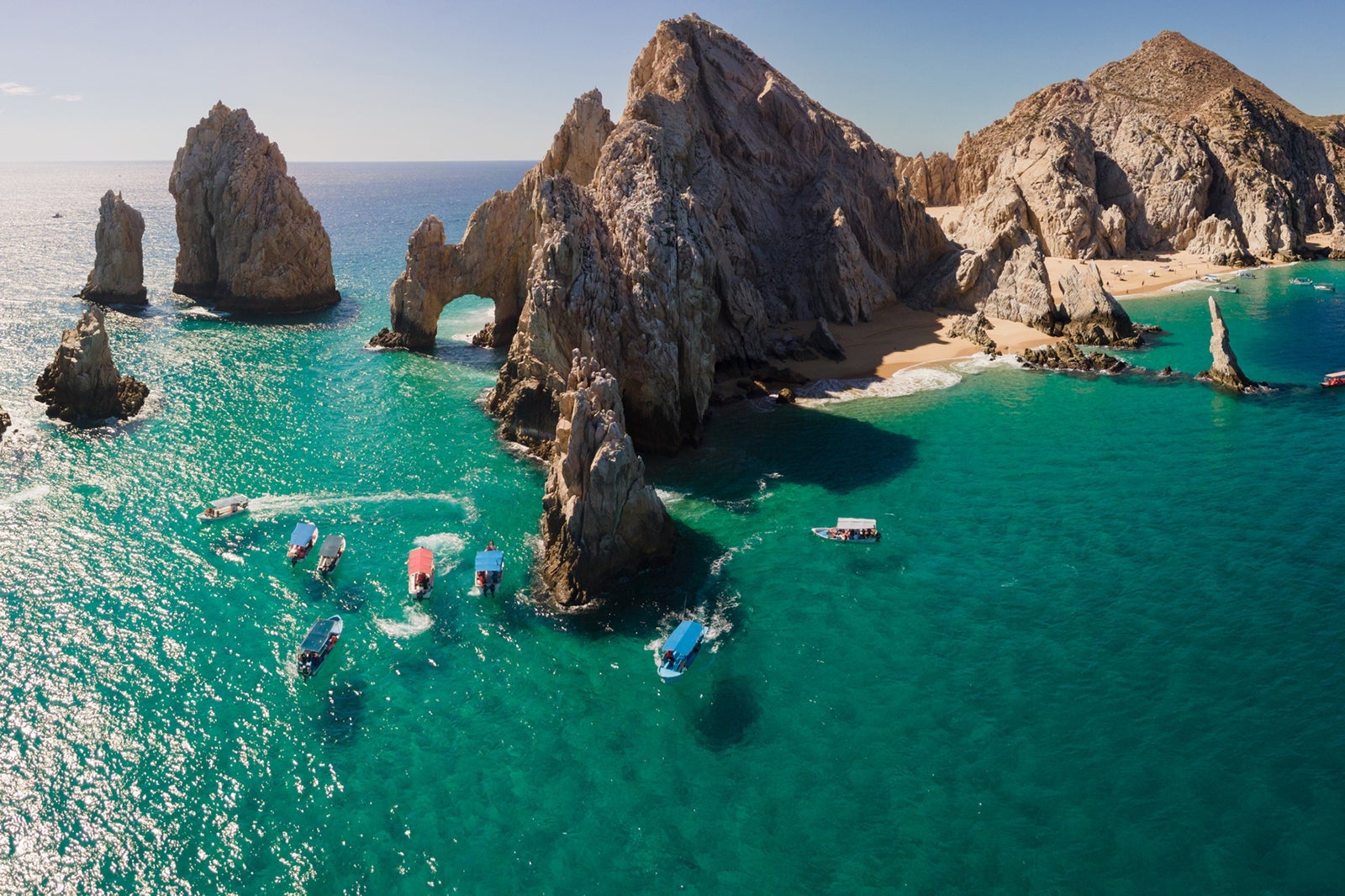
| Baja California | Warm days, very little rain | 24°C (75°F) | Desert landscapes, water sports |
Important Considerations and Potential Drawbacks
While November is an ideal time to travel, it is not without specific considerations that require proactive planning. First, the Atlantic hurricane season does not officially end until the final day of November. While major storms are statistically less frequent in November than in September or October, the risk remains. Travelers should prioritize purchasing comprehensive travel insurance that includes trip cancellation coverage for weather-related events.
Second, if your travel plans coincide with the American Thanksgiving holiday (which falls in late November), be aware that this period often triggers a "mini-peak" in travel demand. Many U.S.-based travelers flock to Mexican resorts during this week, which can lead to increased flight prices and limited availability in popular coastal destinations. If you are looking to avoid crowds, plan your trip for the second or third week of the month, specifically avoiding the Thanksgiving holiday corridor.
Frequently Asked Questions
Is the water warm enough for swimming in November? Yes, the Caribbean and Pacific waters remain warm throughout November. In the Caribbean, water temperatures stay around 27°C (80°F), which is comfortable for extended periods of swimming, snorkeling, or diving.
Do I need a visa to visit Mexico in 2026? Requirements depend on your nationality. Many tourists from the U.S., Canada, and parts of Europe can enter Mexico as visitors for up to 180 days without a formal visa, provided they obtain a Forma Migratoria Múltiple (FMM). Always check the official government immigration website of your home country and the Mexican National Institute of Migration (Instituto Nacional de Migración) for the most current entry protocols before your departure.
What should I pack for a trip to Mexico in November? Pack for two distinct climates: lightweight, breathable cotton or linen clothing for coastal heat, and a medium-weight jacket or sweater for the central highlands or cooler evenings. If you plan to visit religious sites or formal cultural events, conservative attire—such as long pants or skirts—is recommended.
Are all-inclusive resorts cheaper in November? Generally, yes, but with exceptions. Prices are typically lower than in December, January, or February. However, prices spike around Día de los Muertos (Nov 1-2) and the U.S. Thanksgiving holiday. If you book outside of these two windows, you can often find significant value.
Is it safe to travel to Mexico during this time? Safety varies by region. The Mexican government provides updated travel information, and many countries issue specific advisories for different states within Mexico. It is recommended to check your home country's embassy travel advice page for the most recent, verified guidance on specific regions you intend to visit.
Recommendation for Your Trip
For the best possible experience in November, aim to arrive between November 5th and November 20th. This window allows you to avoid the high prices and crowded transport of the holiday periods while benefiting from the most stable, pleasant weather. If you have a specific interest in cultural history, prioritize a visit to Oaxaca for the first few days of the month; if you prefer beach relaxation, focus on the Riviera Maya or the Pacific coast during the mid-month period. Regardless of your choice, ensure your travel documents and insurance are in order at least 60 days before your intended arrival.
Image Gallery