A Detailed Profile of Rachel Cruze: Career, Philosophy, and Contributions to Personal Finance
Rachel Cruze is a prominent American author, speaker, and financial educator who serves as a core personality within the Ramsey Solutions organization. As the daughter of Dave Ramsey, she has spent her professional career focusing on t...
Rachel Cruze is a prominent American author, speaker, and financial educator who serves as a core personality within the Ramsey Solutions organization. As the daughter of Dave Ramsey, she has spent her professional career focusing on teaching millennial and Gen Z audiences the mechanics of budgeting, debt avoidance, and intentional living through a framework consistent with her father’s well-known "Baby Steps" methodology.
Contents
Background and Early Career
Born into a family where financial discipline was the cornerstone of household management, Rachel Cruze grew up observing the principles that would later define her public career. While many assume her entry into the personal finance space was purely a result of her family name, her career has been marked by a consistent effort to translate legacy financial wisdom into formats accessible to younger generations.
Cruze graduated from the University of Tennessee, where she earned a degree in Communication. Following her graduation, she began working at The Lampo Group (now branded as Ramsey Solutions) in Franklin, Tennessee. Her early roles were foundational, focusing on content creation, media production, and public speaking. Over the last decade, she has transitioned from a supporting contributor to a lead host of podcasts and a primary author of books that address the specific stressors of modern middle-class life, such as student loans, credit card reliance, and the pressures of social media-driven consumerism.
Professional Philosophy and Methodology
The professional profile of Rachel Cruze is inseparable from the Ramsey Solutions brand. Her methodology is fundamentally rooted in the "Baby Steps," a sequential financial plan designed to move individuals from a state of crisis to financial independence. However, her contribution has been to evolve the tone of these lessons. Whereas her father’s approach is often characterized by high-intensity, "tough love" coaching, Cruze’s communication style is frequently described as empathetic, focusing on the psychological and emotional triggers that lead to poor financial decision-making.
Her work emphasizes "intentional living"—a term she frequently uses to describe the process of aligning one's spending with one's values rather than reacting to external societal pressures. She frequently addresses the "comparison trap," suggesting that digital connectivity has made it easier than ever for individuals to feel inadequate based on the curated lives of others, which in turn leads to impulsive or status-driven spending.
Core Publications and Contributions
Cruze has authored or co-authored several books that serve as the primary conduits for her financial philosophy. These publications are typically geared toward readers who are overwhelmed by debt or looking for a structured path to wealth building.
- Love Your Life, Not Theirs: This work serves as her primary exploration of the intersection between social media consumption and financial health. It posits that the constant pursuit of an idealized lifestyle is the primary driver of modern debt.
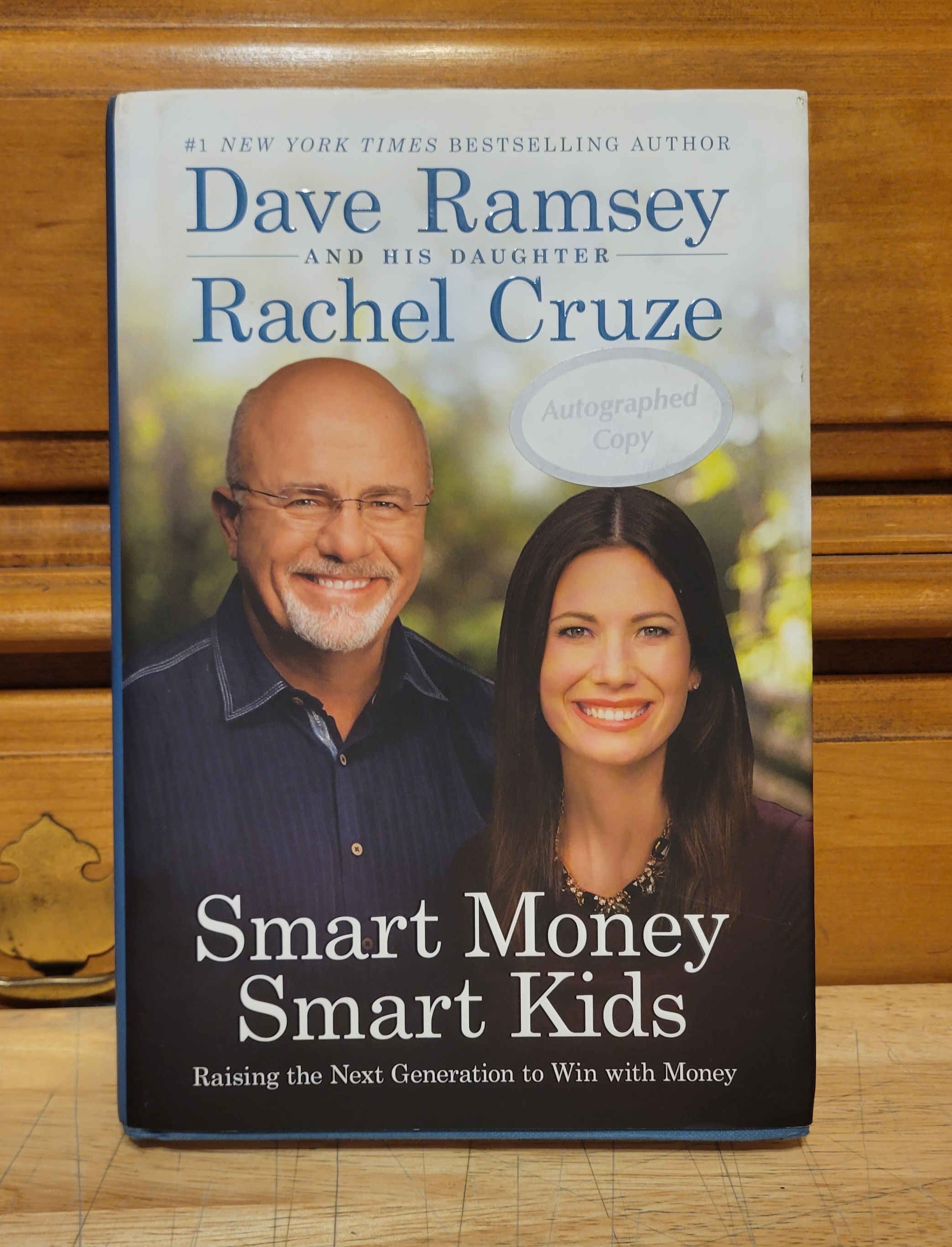
- Smart Money Smart Kids: Co-authored with Dave Ramsey, this book focuses on the importance of teaching children about work, spending, saving, and giving. It serves as a guide for parents who wish to break the cycle of generational debt.
- The Contentment Journal: This serves as a practical, interactive resource that encourages readers to track their daily expenditures alongside their emotional states, aiming to build a habit of gratitude that acts as a buffer against excessive consumerism.
Comparison of Key Financial Perspectives
To understand where Rachel Cruze fits within the landscape of personal finance experts, it is helpful to contrast her focus areas with the broader industry.
| Focus Area | Rachel Cruze / Ramsey Solutions | General Financial Planning |
|---|---|---|
| Debt Strategy | Debt Snowball (Smallest to Largest) | Avalanche (Highest Interest Rate) |
| Credit Usage | Advocates for 0% credit card use | Advocates for rewards/credit building |
| Emergency Fund | Flat $1,000 to start | 3–6 months of expenses to start |
| Core Goal | Behavioral change and freedom | Optimization of interest and credit |
| Primary Audience | Debt-averse individuals; families | Investors; credit-score focused |
The Role of Media and Digital Outreach
A significant portion of Cruze’s reach is attributed to her presence in digital media. She hosts a long-running podcast that features a mix of listener-submitted questions and interviews with various experts. Unlike traditional financial journalism, which often relies on technical analysis of market trends or tax codes, her media output is almost exclusively behavioral.
She often functions as a "coach" for callers, applying her established framework to complex personal scenarios. This format allows for a high degree of transparency regarding the "cost" of living according to these principles. Because she operates within a for-profit organization, much of her content serves as an entry point for Ramsey Solutions products, including financial coaching services, budgeting software (such as EveryDollar), and live seminars.
Financial Literacy and Regulatory Considerations
It is important for readers to note that while Rachel Cruze provides substantial educational resources, her content is not a substitute for professional legal or financial advice regarding specific investment portfolios, tax filings, or bankruptcy law.
- Scope of Influence: Her methodology is designed for personal debt reduction and household budgeting. It is not intended for complex corporate restructuring, estate planning, or sophisticated asset management.
- Disclaimer of Professional Advice: As with most media personalities in the financial space, she operates as an educator. Decisions involving significant capital, insurance products, or retirement vehicles should always be vetted by certified professionals (such as a CFP or CPA) who understand the individual’s specific legal and tax jurisdiction.
- Regional Differences: Her advice is largely tailored to the United States market. Concepts such as the "emergency fund" or "debt snowball" are applicable globally, but specific terminology, interest rates, and loan forgiveness programs are highly dependent on US federal and state legislation.
Practical Application: Implementing the Methodology
For those looking to adopt the principles advocated by Rachel Cruze, the process generally follows a standardized sequence. The implementation phase requires a high degree of transparency regarding one’s own cash flow.
- Audit Phase: The first step involves listing all debts and calculating the total monthly income versus outflow. This requires the use of tools like the "zero-based budget," where every dollar is assigned a purpose before the month begins.
- Prioritization: The Debt Snowball is the primary tool. Unlike the "Avalanche" method, which prioritizes interest rates, the Snowball prioritizes the psychological win of paying off the smallest balance first. This is intended to create momentum.
- Behavioral Modification: This involves cutting up credit cards and transitioning to debit or cash-only transactions. The goal is to create "friction" between the individual and the ability to spend, forcing a moment of reflection before a purchase is made.
Frequently Asked Questions
Is the advice provided by Rachel Cruze considered professional financial advice? No. Rachel Cruze is an author and educator. Her content provides general strategies for debt management and household finance. Because she does not have access to your personal tax or legal situation, her content should be viewed as educational material rather than personalized financial counsel.
How does Rachel Cruze’s approach differ from standard financial advice? Her approach prioritizes human behavior over mathematical optimization. While many financial planners suggest leveraging debt to maximize investment returns, Cruze advocates for the total avoidance of debt due to the risk inherent in borrowing and the psychological burden it places on households.
Are there costs associated with following this program? While her books, podcasts, and video content are widely available for free or at a low retail price, the broader Ramsey Solutions ecosystem includes paid budgeting software, financial coaching certifications, and live event tickets. The core principles—budgeting and paying off debt—can be implemented independently without any purchase.
What is the "Comparison Trap" she frequently mentions? The "Comparison Trap" refers to the tendency of individuals to compare their financial reality with the carefully curated images they see on social media. She argues that this comparison leads to unnecessary spending on luxury goods, vehicles, and lifestyle upgrades, which ultimately prevents long-term wealth building.
Can this methodology be used by someone with a high income? Yes. While the program is often associated with debt relief, the principles of zero-based budgeting, intentional spending, and investing for the long term are applicable to high-income earners. For this group, the focus usually shifts from basic debt elimination to wealth building and tax-advantaged retirement planning.
Next Steps for Implementation
If you are interested in exploring these financial principles further, the most effective next step is to perform a comprehensive review of your current financial status. Begin by gathering your most recent bank statements and credit card bills to build a list of all outstanding liabilities. Once you have a clear picture of your total debt and monthly cash flow, compare your current spending habits against your long-term goals. If you find that your current trajectory does not align with your financial objectives, consider creating a zero-based budget as a primary tool to control your monthly outflow. Utilizing publicly available educational resources from authors like Cruze can help you build the behavioral habits necessary to maintain financial discipline over the long term.
Image Gallery