Why Pennywise Is Not a True Story: Fact-Checking the Origins of It
Pennywise the Dancing Clown is a fictional character created by author Stephen King for his 1986 novel It. While the character’s "evil clown" persona was influenced by the real-life crimes of serial killer John Wayne Gacy and a persona...
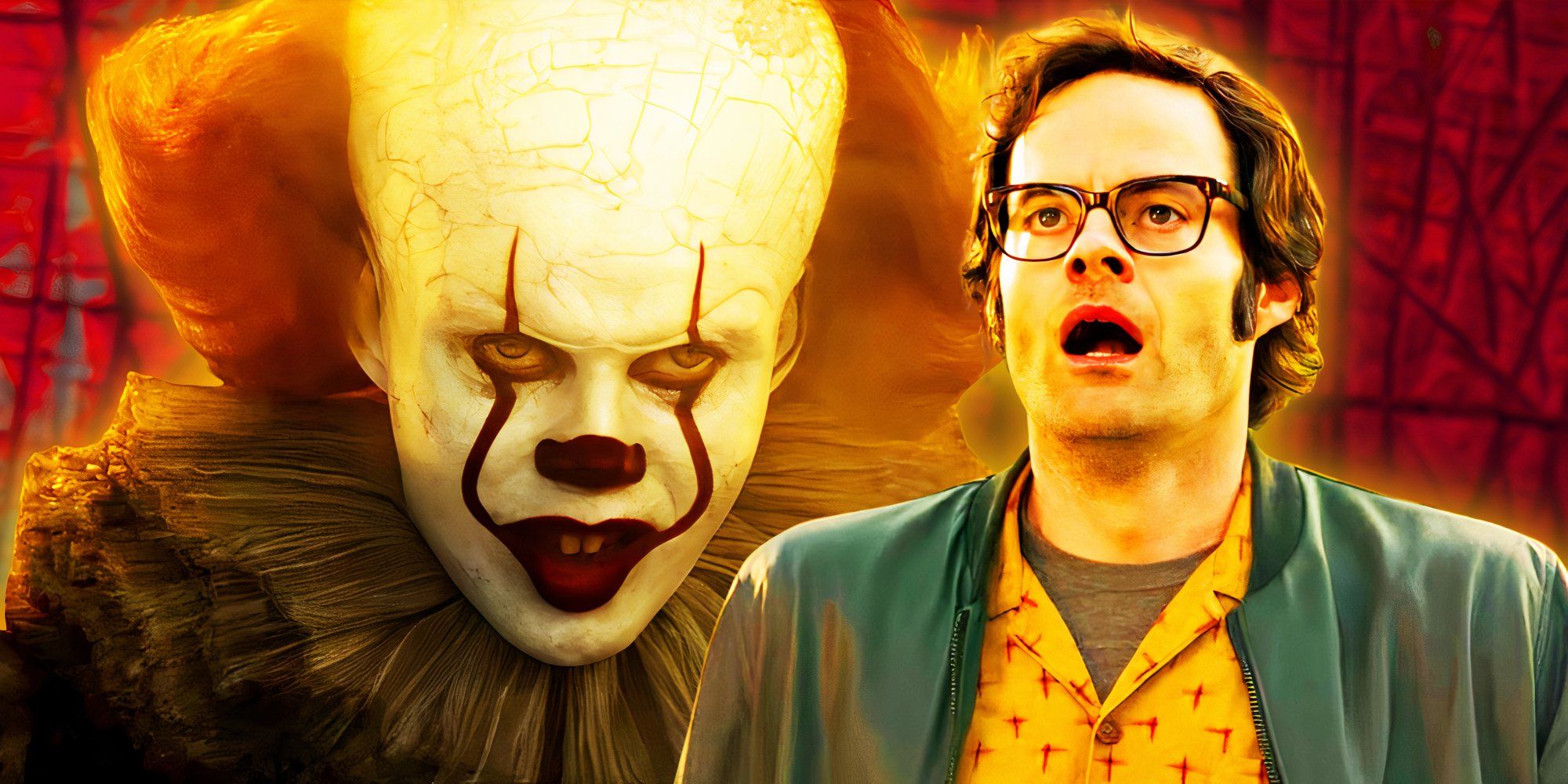
Pennywise the Dancing Clown is a fictional character created by author Stephen King for his 1986 novel It. While the character’s "evil clown" persona was influenced by the real-life crimes of serial killer John Wayne Gacy and a personal encounter King had on a bridge, Pennywise is a supernatural, shape-shifting entity from a fictional cosmic dimension, not a representation of a real person or event.
Contents
The question of whether Pennywise is "real" has persisted for decades, fueled by the visceral horror of King’s writing and the subsequent cinematic adaptations in 1990, 2017, and 2019. In 2026, as we look back on the legacy of the It franchise—including the recent expansion of the lore through the Welcome to Derry series—it is essential to distinguish between the terrifying myths and the historical facts that inspired them.
The Myth of the John Wayne Gacy Connection
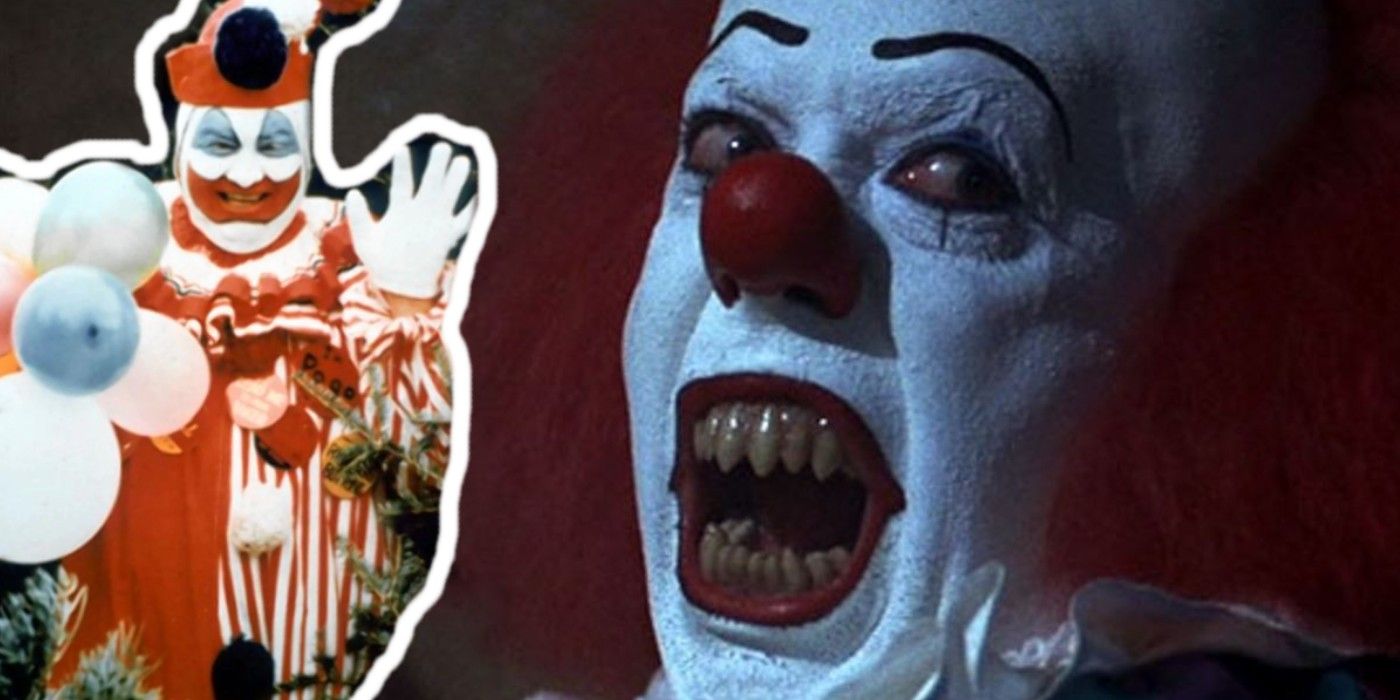
The most common theory suggests that Pennywise is a direct biographical adaptation of John Wayne Gacy, the notorious serial killer who murdered at least 33 young men and boys in the 1970s. Gacy famously performed at charitable events and children's parties as "Pogo the Clown" or "Patches the Clown."
While the timing of Gacy’s arrest in 1978 and the publication of It in 1986 overlap, Stephen King has clarified that Gacy was not the primary blueprint for the character. Instead, Gacy served as a cultural proof of concept. He proved to the public that the archetype of the clown, intended to be a symbol of joy, could be a mask for something truly monstrous.
King has noted in various interviews that he chose a clown as the primary form for "It" because he believed clowns were what children feared most. Gacy’s real-world crimes "validated" this fear for the general public, making the fictional character of Pennywise feel more plausible. However, Gacy was a human predator; Pennywise is a cosmic predator. The distinction is crucial for understanding the horror of the novel.
Literary Origins: The Troll Under the Bridge
If Pennywise isn't a true story, where did the specific idea of a monster living in the sewers of a small town come from? Stephen King has pointed toward a classic piece of folklore: The Three Billy Goats Gruff.
While living in Boulder, Colorado, in the late 1970s, King was walking home across a wooden bridge. He recalled the sound of his own footsteps and remembered the fairy tale about the troll that lives under the bridge, waiting to eat those who cross. He began to wonder what would happen if a troll lived under a bridge in a modern setting, and how that "bridge" could be reimagined as the sewer system of a city.
This kernel of an idea led to the creation of Derry, Maine. Derry is a fictional town, but it is heavily based on Bangor, Maine, where King has lived for much of his life. By grounding a supernatural entity in the mundane infrastructure of a real-style town, King created a sense of "truth" that leads many readers to believe the story is based on local history.
The Real Tragedy Behind the Fiction: Charlie Howard
While the supernatural elements of It are entirely fictional, the novel contains scenes inspired by real-life events in Maine. One of the most famous and harrowing sequences—the murder of Adrian Mellon at the beginning of the book—is based on the real-life 1984 murder of Charlie Howard in Bangor.
Charlie Howard was a young gay man who was harassed and then thrown over the State Street Bridge into the Kenduskeag Stream by three teenagers. He drowned in the shallow water. This horrific act of real-world violence deeply affected King, who was living in Bangor at the time. He used the tragedy to illustrate that the true "monster" in Derry wasn't just the clown, but the town’s own history of apathy, prejudice, and violence.
This inclusion of a real-life hate crime is often why readers feel the story is "true." It captures a genuine psychological and social truth about small-town America, even though the clown who appears under the bridge in the book is a work of fiction.
Comparing Pennywise to Real-Life Counterparts
To better understand why Pennywise is not a true story, it is helpful to compare the fictional entity to the real-life figures and events people often associate with him.
| Feature | Pennywise (Fictional Entity) | John Wayne Gacy (Real Person) |
|---|---|---|
| Origin | An interdimensional being from the "Macroverse." | Born in Chicago, Illinois, 1942. |
| Primary Form | A shape-shifter that often appears as a clown. | A human man who occasionally dressed as a clown. |
| Method of Killing | Supernatural manipulation and psychological terror. | Luring victims to his home under the guise of work or authority. |
| Timeline | Active every 27 years for centuries in Derry. | Active primarily between 1972 and 1978. |
| Conclusion | Defeated by a group of friends (The Losers' Club). | Convicted in 1980 and executed in 1994. |
| Base of Operations | The sewers of the fictional town of Derry, Maine. | His residential home in Norwood Park Township, Illinois. |
The "Evil Clown" Archetype in Psychology
Pennywise isn't a true story, but he taps into a "true" phenomenon known as coulrophobia, or the fear of clowns. Psychologists suggest that clowns are frightening because their makeup hides their true emotions and facial expressions. This creates "uncanny valley" discomfort; the brain sees a human-like figure but cannot read its intentions.
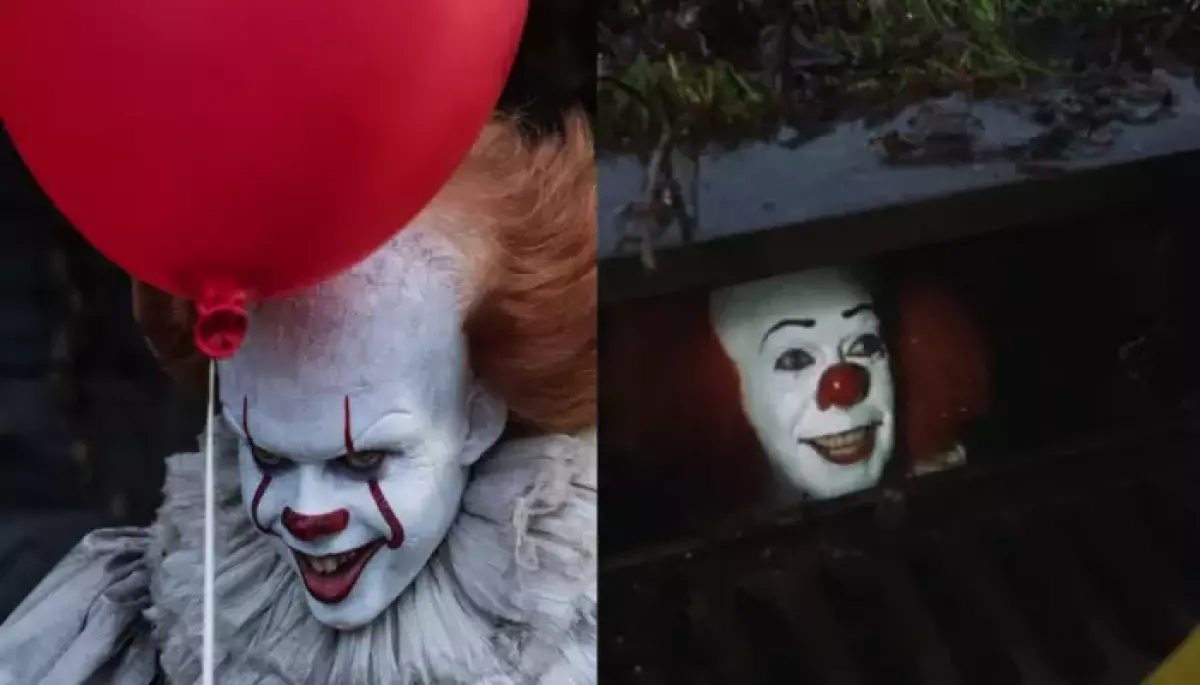
Stephen King’s genius was in taking this existing psychological discomfort and attaching it to a narrative. Before It, clowns were generally viewed as benevolent, if slightly annoying, circus performers. After the publication of It and the subsequent 1990 miniseries starring Tim Curry, the "evil clown" became a dominant trope in global pop culture. This cultural shift is so profound that many people misremember the fictional character as being based on a series of real "killer clown" sightings, rather than the other way around.
The Cosmic Lore: Why Science Fiction Proves Fiction
One of the strongest arguments against Pennywise being a true story is the sheer scale of the character's backstory. In the original novel, Pennywise is not just a killer in a suit. He is an ancient being that arrived on Earth in a cataclysmic event similar to an asteroid strike millions of years ago.
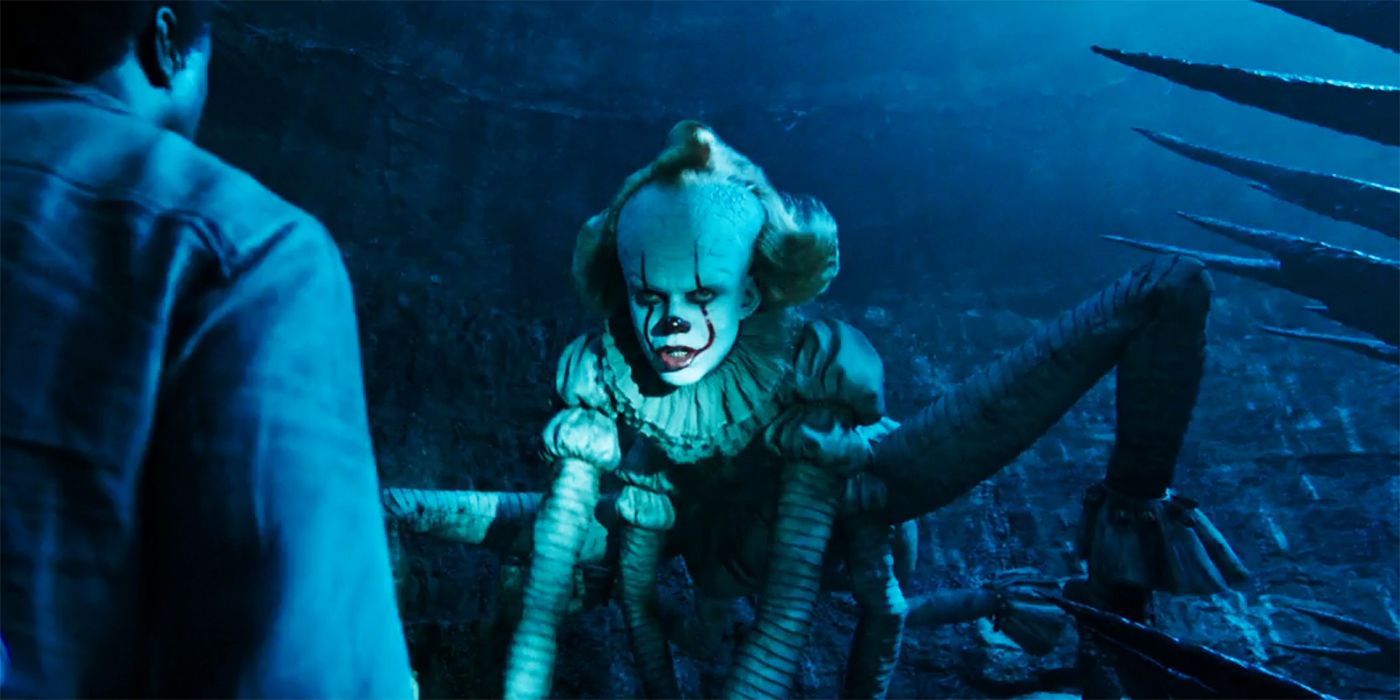
He exists in a state of "Deadlights," a form of orange light that is so incomprehensible to the human mind that seeing it causes instant insanity or death. He is also the binary opposite of a giant space turtle named Maturin, who vomited out the universe. These elements of "cosmic horror" place the story firmly in the realm of speculative fiction and fantasy. No real-world crime or historical event mirrors the metaphysical battle between the Losers' Club and a trans-dimensional spider-clown.
FAQ: Debunking Common Misconceptions
Did Stephen King ever meet John Wayne Gacy?
No. Stephen King has never met John Wayne Gacy. He has only commented on Gacy’s influence on the public perception of clowns as a medium for horror. King’s inspiration was derived from observing societal reactions to the Gacy case rather than the man himself.
Is Derry, Maine a real place you can visit?
No, Derry is a fictional town. However, fans of the story often visit Bangor, Maine, which served as the visual and atmospheric inspiration for Derry. Many locations in Bangor, such as the "Paul Bunyan" statue and the Standpipe, have counterparts in the It universe.
Why do people say Pennywise comes back every 27 years in real life?
This is a fictional plot point from the book. The 27-year cycle is used by King to show how the monster feeds on different generations of the same families. In the real world, there is no historical data supporting a cycle of clown-related crimes occurring every 27 years.
Were there real clown sightings that inspired the movie?
The 2016 "killer clown" craze, where people dressed as clowns to scare others in various cities, occurred after the announcement of the 2017 It movie. These sightings were a real-world phenomenon, but they were inspired by the existing fictional trope of Pennywise, not the other way around.
Is the "Deadlights" concept based on any real scientific theory?
The "Deadlights" is a purely fictional concept used by King to represent an eldritch, unknowable force. While it shares some thematic similarities with high-level theoretical physics regarding multi-dimensional space, it is a literary device used to enhance the supernatural horror of the story.
Final Summary and Next Actions
To summarize, Pennywise is not a true story. He is a sophisticated literary creation that blends several real-world elements—the fear of clowns, the crimes of John Wayne Gacy, the folklore of bridge trolls, and a tragic hate crime in Bangor—into a singular, terrifying entity. The "truth" in It is found not in the monster, but in the exploration of childhood trauma and the power of memory.
If you are interested in exploring the real history that shaped the story of It, you may find these steps useful:
- Research the Charlie Howard Case: To understand the real-life darkness that King was trying to address, look into the history of LGBTQ+ rights and the 1984 events in Bangor.
- Visit Bangor, Maine: Take a tour of the sites that inspired Derry to see how King transformed a real city into a landscape of nightmares.
- Study the "Uncanny Valley" in Psychology: Understanding why the human brain reacts negatively to distorted human features can explain why characters like Pennywise are so effective.
- Read "Danse Macabre": This non-fiction book by Stephen King explains his personal philosophy on horror and gives further insight into how he constructs his fictional monsters.
Image Gallery