Understanding Jared Vennett: The Real-World Inspiration and Cinematic Force Behind The Big Short
Jared Vennett is a fictionalized character in Adam McKay’s 2015 film The Big Short, representing Greg Lippmann, a high-performing bond salesperson at Deutsche Bank who famously marketed credit default swaps to investors before the 2007...
Jared Vennett is a fictionalized character in Adam McKay’s 2015 film The Big Short, representing Greg Lippmann, a high-performing bond salesperson at Deutsche Bank who famously marketed credit default swaps to investors before the 2007–2008 financial crisis.
Contents
Introduction to Jared Vennett and the Context of The Big Short
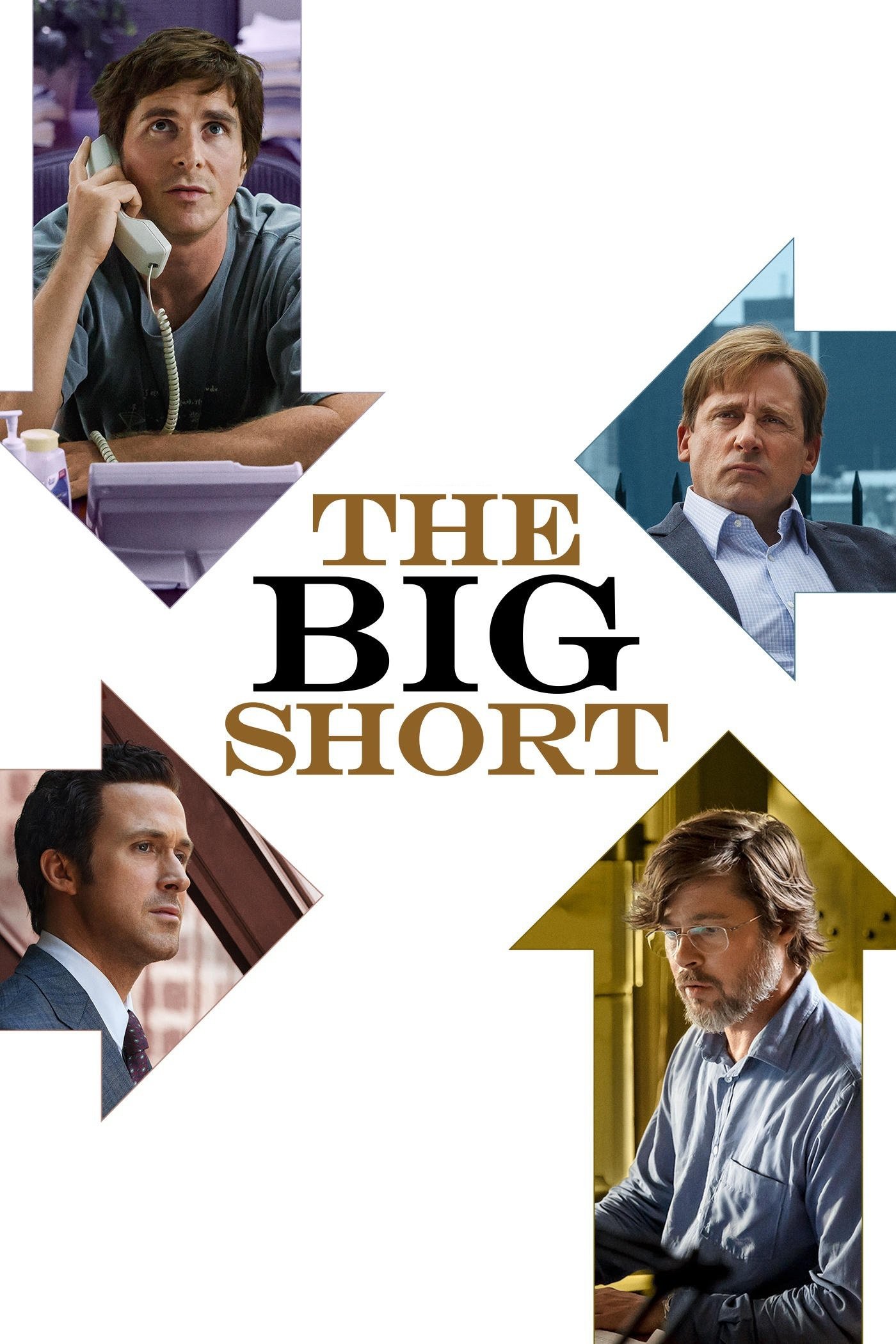
To understand who Jared Vennett is, one must examine the intersection of Hollywood storytelling and Wall Street history. In The Big Short, an adaptation of Michael Lewis’s bestselling book The Big Short: Inside the Doomsday Machine, Ryan Gosling plays Jared Vennett. The character serves as both the narrative’s slick, self-aware narrator and a core catalyst for the financial trade that exposes systemic vulnerabilities in the United States housing market.
While The Big Short utilizes stylistic choices—such as breaking the fourth wall and employing celebrity cameos to explain complex financial derivatives—Vennett’s character arc is grounded in real-world mechanics. He acts as the bridge between eccentric, foresight-driven hedge fund managers and conservative institutional banking structures that initially scoffed at the idea of shorting the American housing market.
The Real-World Counterpart: Greg Lippmann
Jared Vennett is based directly on Greg Lippmann, who during the mid-2000s served as the head of the global asset-backed securities trading desk at Deutsche Bank. Just as Vennett is portrayed in the film, Lippmann recognized early on that subprime mortgages were packaged with underlying toxic debt.
Lippmann’s journey from a traditional bond salesman to a vocal proponent of shorting the housing market mirrors cinematic events closely. He traveled across the United States pitching credit default swaps (CDS) on subprime mortgage-backed securities to various hedge funds. These pitches were designed to convince institutional investors that they could buy insurance against a housing market collapse, paying a relatively small periodic premium in exchange for massive payouts if default rates rose.
Key Parallels Between Jared Vennett and Greg Lippmann
| Feature | Jared Vennett (Film Character) | Greg Lippmann (Real-World Figure) |
|---|---|---|
| Institution | Deutsche Bank (fictionalized presentation) | Deutsche Bank |
| Primary Role | Managing Director / Bond Salesperson | Head of ABS Trading Desk |
| Core Trade | Selling credit default swaps to short the housing market | Structuring and pitching subprime shorting vehicles |
| Key Clients | FrontPoint Partners (Steve Eisman/Mark Baum) | FrontPoint Partners (Steve Eisman), Cornwall Capital |
| Persona | Charismatic, aggressive, deeply cynical about Wall Street | Analytical, highly competitive, aggressive institutional trader |
The Mechanics of the Trade: How Vennett Connected Capital to Crisis
The primary function of Jared Vennett within the narrative of The Big Short is demonstrating how complex financial engineering permitted investors to bet against the housing market. Before Vennett and his real-world counterpart popularized credit default swaps tailored for this purpose, shorting mortgages was an exceptionally difficult, illiquid endeavor.
Vennett’s pitch deck to prospective hedge fund clients outlined a straightforward economic thesis: lending standards had deteriorated significantly, predatory lending (such as option-ARM and NINJA loans—No Income, No Job, or Asset verification) was widespread, and once introductory interest rates reset, widespread defaults would follow.
By utilizing credit default swaps, Vennett enabled funds like FrontPoint Partners (modeled after Steve Eisman's team) to acquire asymmetric risk positions. If the housing market remained stable, the hedge funds would bleed capital through continuous premium payments to the investment banks. However, if defaults spiked, the payout multipliers would generate exponential returns.
Narrative Function and Cinematic Style
Beyond his role as a historical proxy, Jared Vennett functions as a structural device for the film. Director Adam McKay uses Vennett to address the audience directly, utilizing props like Jenga towers to explain collateralized debt obligations (CDOs) and synthetic CDOs.
This meta-narrative style helps demystify Wall Street jargon. Vennett’s infamous line, "I'm standing in the middle of a swamp, and I'm yelling, 'Alligators! Alligators!' and everybody's laughing," encapsulates the frustration experienced by those who recognized the impending crash long before rating agencies or federal regulators acknowledged systemic vulnerabilities.
Legacy and Impact of the 2007–2008 Short
The trade executed by Greg Lippmann through Deutsche Bank, and popularized on screen via Jared Vennett, ultimately generated hundreds of millions of dollars in profits for the participating hedge funds while highlighting structural failures across the financial sector.
Vennett's character underscores a critical lesson of the 2008 financial crisis: institutional greed and intellectual laziness can blind major rating agencies (such as Standard & Poor's, Moody's, and Fitch) to catastrophic risks, leaving room for sharp-eyed traders to exploit structural mispricings.
Frequently Asked Questions
Is Jared Vennett a real person?
No. Jared Vennett is a fictionalized character. However, he is directly based on Greg Lippmann, a former managing director and high-yield bond trader at Deutsche Bank who pitched the subprime short trade to hedge funds during the mid-2000s.
Which actor plays Jared Vennett in The Big Short?
Ryan Gosling portrays Jared Vennett in the 2015 film adaptation directed by Adam McKay. His performance earned widespread acclaim for its high-energy delivery and breaking of the fourth wall.
What is a credit default swap, as explained by Jared Vennett?
A credit default swap (CDS) is effectively an insurance contract on a bond or debt security. In the context of The Big Short, investors paid regular premiums to financial institutions to insure against the failure of mortgage bonds, yielding massive payouts when subprime mortgages defaulted en masse.
Why did Deutsche Bank support Jared Vennett's shorting strategy?
Although Deutsche Bank traditionally profited from underwriting and selling mortgage-backed securities, Lippmann’s trading desk recognized an opportunity to make substantial fees by structuring and selling credit default swaps while simultaneously managing their own risk exposure to the deteriorating housing sector.
Final Recommendation
For those interested in exploring the events behind Jared Vennett in greater depth, the primary source material remains Michael Lewis’s book The Big Short: Inside the Doomsday Machine. Pairing the book with the 2015 film provides a comprehensive view of how institutional salesmanship, complex derivatives, and real estate market dynamics converged to trigger the global financial crisis.
Image Gallery