Finding the Perfect Backpack for Traveling
The perfect travel backpack is a balance of carry-on compliance (typically 35–45 liters), ergonomic support (load lifters and padded hip belts), and durable, weather-resistant materials like 1000D Cordura or X-Pac. It must facilitate s...
The perfect travel backpack is a balance of carry-on compliance (typically 35–45 liters), ergonomic support (load lifters and padded hip belts), and durable, weather-resistant materials like 1000D Cordura or X-Pac. It must facilitate seamless organization through a clamshell opening while protecting electronics with a dedicated, suspended laptop compartment.
Contents
Defining the "Perfect" Backpack: Capacity and Dimensions
The quest for the perfect travel backpack begins with understanding the constraints of modern air travel. In 2026, airline regulations for carry-on luggage remain strictly enforced, with most international carriers adhering to the International Air Transport Association (IATA) guideline of 56 x 45 x 25 cm (22 x 18 x 10 inches). However, budget carriers often impose even tighter limits. Choosing a backpack that maximizes this "box" without exceeding it is the first step in achieving "one-bag" travel freedom.
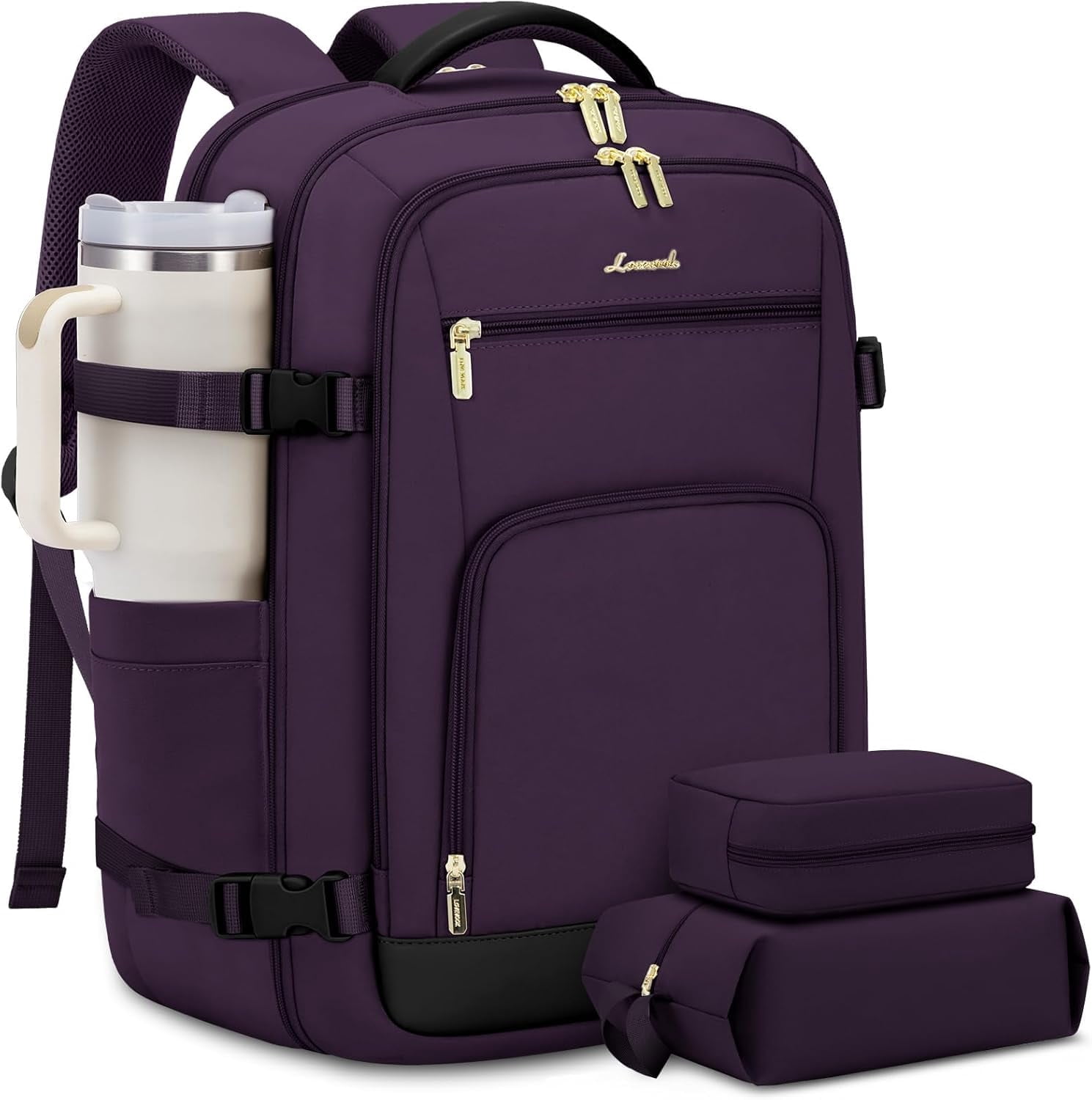
Capacity is measured in liters (L), and for most travelers, the "sweet spot" lies between 30L and 45L. A 30L bag is ideal for minimalist travelers or those on shorter trips (3-5 days), as it usually fits under the seat of most aircraft. A 40L to 45L bag represents the maximum legal carry-on size for overhead bins. Choosing a bag larger than 45L often moves the user into "checked luggage" territory, which introduces the risks of lost gear and additional fees.
When evaluating dimensions, travelers must account for the harness system. A bag may technically meet the measurement requirements, but if the shoulder straps or hip belt are overly bulky and cannot be stowed, the bag may fail to fit into airline sizer bins. High-end travel packs now frequently feature "stowable harnesses," allowing the user to zip the straps away, effectively turning the backpack into a sleek duffel for check-in or tight overhead compartments.
Material Science: Durability and Weather Resistance
The longevity of a travel backpack is determined by its fabric and hardware. By 2026, the industry has standardized several high-performance materials that offer a balance of weight and abrasion resistance.
Denier and Fabric Types
Denier (D) measures the thickness of the fibers in the fabric. While a higher denier usually means more durability, it also adds weight.
- 1000D Cordura Nylon: Historically the gold standard for durability. It is incredibly resistant to tears and abrasions but can be heavy and abrasive against delicate clothing.
- 500D Cordura: A popular middle ground, offering sufficient strength for world travel at a significantly lower weight than 1000D.
- X-Pac (VX21/VX42): Originally developed for sailcloth, X-Pac is a multi-layer laminate that is waterproof, lightweight, and has a distinctive "X-ply" reinforcement pattern. It has become a favorite for premium "tech-wear" travel bags due to its structural rigidity.
- Ballistic Nylon: Known for its high-sheen finish and exceptional tear resistance, originally designed for military flak jackets.
Hardware and Zippers
The zipper is the most common point of failure on a travel bag. The perfect backpack should utilize YKK zippers, specifically the RC (Racquet Coil) series, which are designed for luggage to resist abrasion and burst pressure. For travel in variable climates, YKK AquaGuard zippers provide a polyurethane coating that repels water, though they may be slightly stiffer to operate than standard zippers.
Ergonomics and the Suspension System
A 40L backpack filled with tech, clothing, and toiletries can easily weigh between 10kg and 15kg (22–33 lbs). Without a sophisticated suspension system, this weight can cause significant strain on the shoulders and lower back.
Load Lifters and Sternum Straps
Load lifters are small adjustable straps located at the top of the shoulder straps. When pulled, they shift the top of the bag closer to the user’s center of gravity, preventing the bag from pulling backward. The sternum strap, which connects the two shoulder straps across the chest, prevents the straps from sliding off the shoulders and helps distribute weight across the torso.
The Role of the Hip Belt
For bags over 30L, a padded hip belt is essential. A well-designed hip belt transfers approximately 70-80% of the bag's weight from the shoulders to the hips, which are much better suited for carrying heavy loads. In 2026, many "perfect" travel bags offer removable hip belts, allowing users to strip the bag down for lighter city use while keeping the heavy-duty support for long transit days.
Back Panel Ventilation
To combat "sweaty back syndrome," look for back panels featuring EVA foam with deep air channels or raised mesh. This allows air to circulate between the bag and the wearer's back, a critical feature for travelers navigating tropical climates or rushing through humid subway stations.
Internal Organization: Clamshell vs. Top-Loading
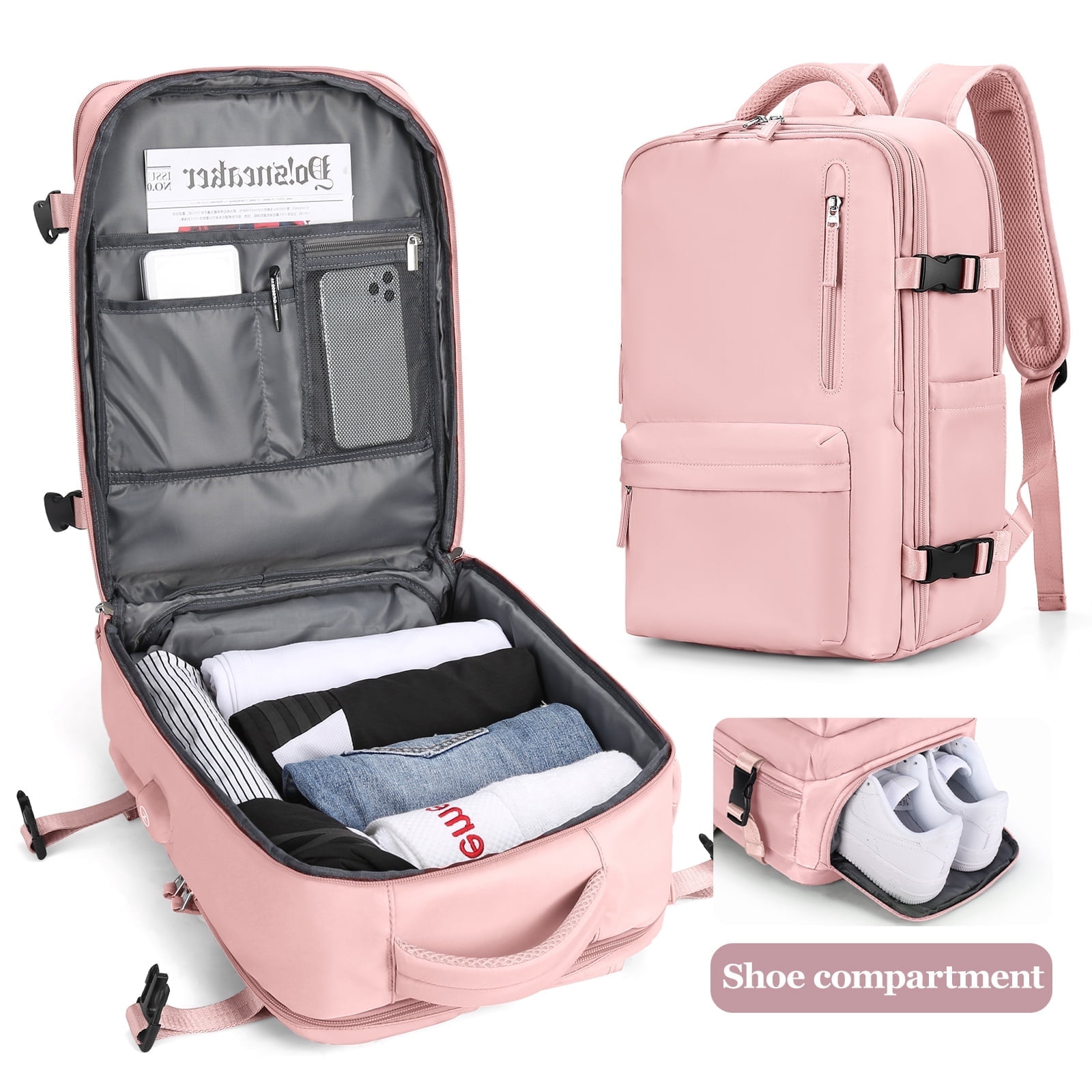
Traditional hiking backpacks are often "top-loaders," requiring the user to dig through everything to reach an item at the bottom. The perfect travel backpack utilizes a clamshell (or suitcase-style) opening. This allows the main compartment to zip open fully, providing immediate access to all contents.
Dedicated Technology Compartments
A hallmark of modern travel gear is the dedicated laptop sleeve. To be considered "perfect," this sleeve must be suspended (featuring a "false bottom"). This means the laptop pocket ends an inch or two above the bottom of the bag, so if the bag is dropped, the laptop never makes contact with the ground. In 2026, these compartments are often lined with scratch-resistant microfiber and include additional slots for tablets and power banks.
Admin Panels and Quick-Access Pockets
Organization is not just about the big items. A front "admin panel" with slots for pens, passports, charging cables, and sunglasses keeps essential items within reach. Furthermore, a small, fleece-lined "quick-access" pocket at the top of the bag is indispensable for items needed during security screenings or while seated on a plane.
Security Features for the Modern Traveler
Security is a primary concern when navigating unfamiliar cities. The perfect backpack incorporates passive security measures that do not hinder the user but discourage opportunistic theft.
- Lockable Zippers: The main compartments should feature "interlocking" zipper sliders that allow a TSA-approved padlock to pass through both, preventing the bag from being easily opened.
- Puncture-Resistant Zippers: Some premium bags use double-coil zippers that cannot be breached by a ballpoint pen—a common trick used by thieves to open zippers and then slide the puller back to hide the evidence.
- Hidden Passports Pockets: A zippered pocket located on the back panel (resting against the user's back) provides a secure location for a passport and emergency cash that is inaccessible while the bag is being worn.
- RFID Protection: While the actual threat of RFID skimming is often debated, many 2026 models include RFID-blocking pockets as a standard "peace of mind" feature for credit cards and electronic passports.
Comparison of Travel Backpack Categories
The "perfect" bag depends on the travel style. The following table compares the three primary categories of travel backpacks available in 2026.
| Category | Typical Volume | Best For | Key Materials | Pros | Cons |
|---|---|---|---|---|---|
| Max-Size Carry-on | 40–45L | Indefinite world travel; "One-baggers" | 1000D Cordura, Ballistic Nylon | Maximum capacity; suitcase-like packing. | Can be heavy; often too large for daily use at destination. |
| Technical Hybrid | 30–38L | City-to-trail; active travelers | X-Pac, Robic Nylon | Excellent harness systems; lightweight; versatile. | Less structured; might look "outdoorsy" in professional settings. |
| Minimalist Commuter | 20–28L | Short trips; digital nomads; weekenders | 500D Cordura, Recycled Polyester | Extremely portable; fits under seats; doubles as a daypack. | Requires strict packing discipline; limited space for souvenirs. |
Maintenance and Long-term Care
Even the most durable backpack requires maintenance to reach its full lifespan. Zippers should be cleaned occasionally with a dry brush to remove grit, and the fabric should be spot-cleaned with mild soap and water. Users should avoid machine washing, as the agitation can damage the internal coatings (like TPU or DWR) that provide water resistance.
Furthermore, checking the integrity of the stitching at high-stress points—such as where the shoulder straps meet the body of the bag—can prevent catastrophic failure during a trip. Many premium manufacturers in 2026 offer lifetime warranties, reflecting the "buy it for life" (BIFL) philosophy that has become central to the travel community.
Frequently Asked Questions
Is a 45L backpack too big for a carry-on?
In most cases, 45L is the absolute upper limit for domestic US flights and major international carriers. However, if the bag is overstuffed, it may bulge beyond the allowed dimensions. For budget European or Asian airlines (like Ryanair or AirAsia), a 40L bag is a safer "max" size, and a 30-35L bag is preferred to ensure it passes visual inspections by gate agents.
Why are travel backpacks so expensive?
A high-quality travel backpack often ranges from $200 to $400. This price reflects the cost of premium materials like YKK zippers and X-Pac fabric, as well as the complex labor required to sew ergonomic harness systems and multiple internal compartments. Cheaper bags often use "no-name" zippers and low-density foams that degrade quickly, leading to discomfort and potential gear damage.
Should I choose a backpack or a wheeled carry-on?
Backpacks offer superior mobility, especially in cities with cobblestone streets, stairs, or crowded public transit. They also keep both hands free for navigating maps or handling documents. Wheeled luggage is better for those with back issues or those who spend most of their time in airports and paved hotels. For the "perfect" middle ground, some manufacturers offer "convertible" bags that have both wheels and a hideaway backpack harness.
Can I use a hiking backpack for city travel?
While possible, hiking packs are usually "top-loading" and have many dangling straps and mesh pockets that can get caught in transit belts or overhead bins. They also lack the specialized tech protection (laptop sleeves) and security features (lockable zippers) found in dedicated travel backpacks.
How do I know if a backpack fits me correctly?
The most important measurement is your torso length, not your overall height. A backpack that is too long will hit your buttocks, while one that is too short will not allow the hip belt to sit on your iliac crest (hip bone). Many premium brands offer "S/M" and "M/L" sizes or adjustable back lengths to accommodate different body types.
Final Recommendation
When selecting your perfect travel backpack, prioritize harness comfort and material quality over aesthetic trends. If you are a digital nomad or business traveler, ensure the laptop compartment is suspended and easily accessible. For those embarking on indefinite travel, a 40L clamshell-opening pack made of 500D Cordura provides the best balance of capacity and durability. Always test the bag with a full load before your departure to ensure the suspension system aligns with your torso, and remember that the "perfect" bag is ultimately the one that disappears on your back, allowing you to focus on the journey rather than your gear.
Image Gallery