How Many Deaths at the Cecil Hotel: A Comprehensive Historical Record
While there is no single official government tally, historical records and investigative reports confirm at least 16 documented deaths occurred at the Cecil Hotel due to suicide, murder, or accidents. However, researchers and former st...
While there is no single official government tally, historical records and investigative reports confirm at least 16 documented deaths occurred at the Cecil Hotel due to suicide, murder, or accidents. However, researchers and former staff suggest the actual number could be significantly higher, potentially dozens more, given the hotel's 100-year history and its location near Los Angeles’ Skid Row.
Contents
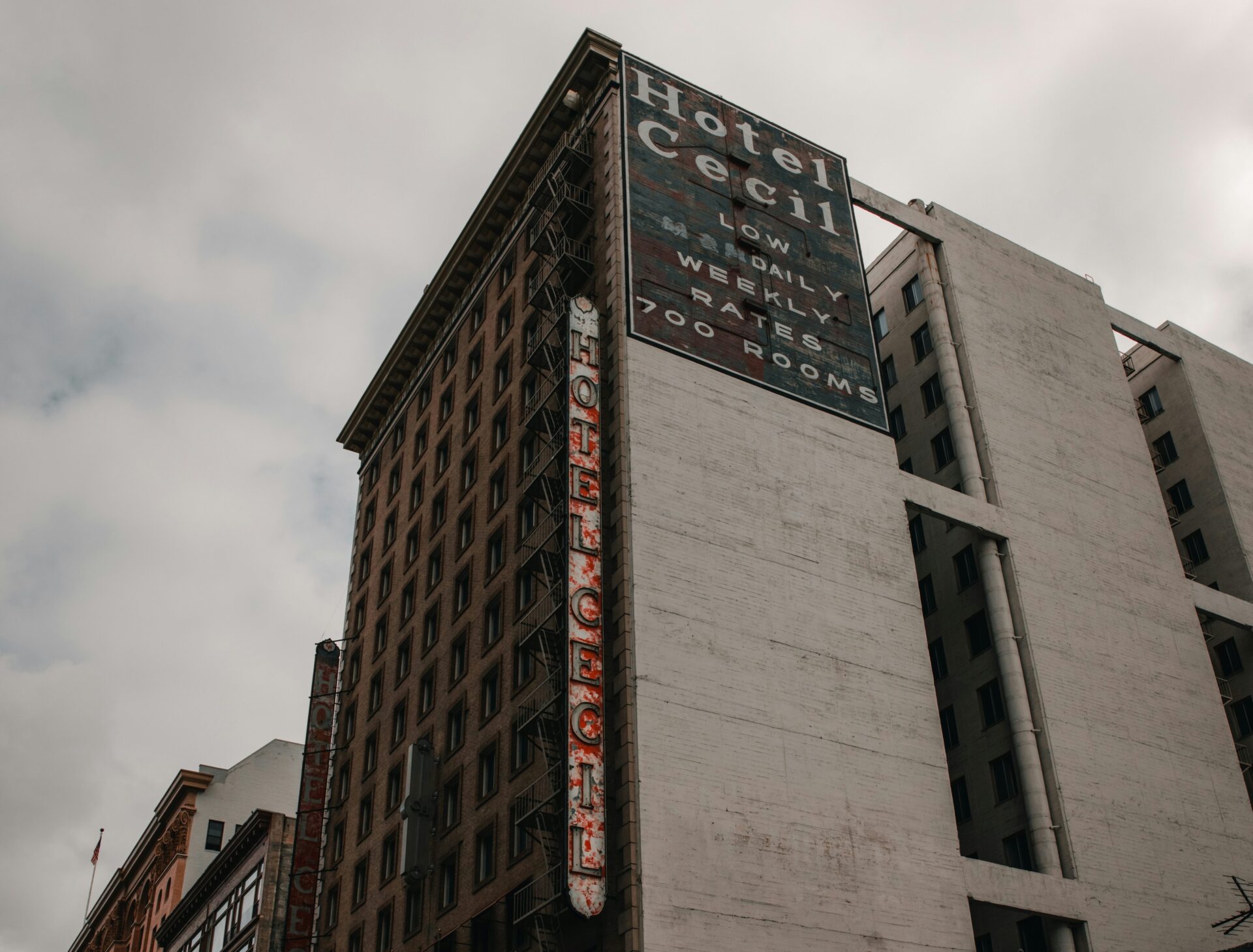
The Cecil Hotel, located at 640 South Main Street in Los Angeles, has earned a reputation as one of the most "haunted" or "deadly" buildings in the United States. Since its opening in 1924, the establishment has been the site of numerous tragedies that have captivated the public imagination, inspired television seasons like American Horror Story: Hotel, and been the subject of multiple true-crime documentaries. To understand the volume of deaths at the Cecil, one must look past the sensationalism and examine the documented cases, the environmental factors of the surrounding area, and the specific individuals who met their ends within its walls.
Documenting the Count: Why Numbers Vary
Estimating the exact number of deaths at the Cecil Hotel is challenging because the building operated for decades as a low-budget residential hotel. In the mid-20th century, deaths occurring in single-room occupancy (SRO) hotels—often involving elderly residents or those experiencing poverty—were not always front-page news.
Most historians and true-crime researchers agree on a core list of approximately 16 to 18 high-profile deaths. These are cases that were reported in the Los Angeles Times or other major outlets at the time of their occurrence. However, if one were to include every natural death, overdose, or medical emergency that resulted in a fatality over a century of operation, the number would likely exceed 50 or even 100. For the purposes of historical record in 2026, we focus on the documented instances of violence, suicide, and unexplained occurrences that have defined the hotel’s legacy.
The Most Notable Deaths at the Cecil Hotel
The Cecil’s history of tragedy began shortly after its inception, but several specific cases have remained in the public consciousness due to their unusual or brutal nature.
The Death of Elisa Lam (2013)
The most famous case in the hotel's recent history is that of Elisa Lam, a 21-year-old Canadian student who disappeared in January 2013. Her body was discovered weeks later in one of the hotel’s rooftop water tanks after guests complained of low water pressure and "funny-tasting" water. The case gained international notoriety due to a viral video of Lam acting strangely in the hotel elevator. While internet theories suggested foul play or paranormal activity, the Los Angeles County Medical Examiner officially ruled her death an accidental drowning, with bipolar disorder listed as a significant factor.
The Murder of "Pigeon Goldie" Osgood (1964)
In June 1964, a retired telemarketer named Goldie Osgood was found dead in her room. Known as "Pigeon Goldie" because she frequently fed birds in nearby Pershing Square, she was a well-liked resident. She had been raped, stabbed, and strangled. Despite a massive investigation and the arrest of one suspect (who was later cleared), her murder remains unsolved. This case is often cited as one of the most tragic examples of the violence that plagued the hotel during the mid-20th century.
The "Suicide Hotel" Era (1930s–1960s)
During the Great Depression and the decades following World War II, the Cecil became a frequent site for "jumpers." The hotel’s height and easy access to windows made it a destination for those in despair.
- Helen Gurnee (1954): Gurnee jumped from a seventh-floor window and landed on the Cecil’s marquee.
- Julia Moore (1962): Moore jumped from the eighth floor.
- Pauline Otton (1962): In one of the hotel's most bizarre tragedies, Otton jumped from the ninth floor after an argument with her husband. She landed on a 65-year-old pedestrian named George Gianinni, killing both of them instantly.
Timeline of Documented Major Deaths
The following table outlines the most well-documented fatalities that occurred at the Cecil Hotel. This list focuses on cases confirmed through police records or contemporary news reporting.
| Year | Individual | Cause of Death | Details |
|---|---|---|---|
| 1927 | Percy Cook | Suicide | Shot himself in his room after failing to reconcile with his wife. |
| 1931 | W.K. Norton | Suicide | Ingested poison; one of the first recorded suicides at the hotel. |
| 1934 | Sgt. Louis Borden | Suicide | Slit his throat with a razor; left several suicide notes. |
| 1937 | Grace Magro | Fall/Suicide | Fell from a ninth-story window; it was never determined if it was a leap or an accident. |
| 1944 | Dorothy Purcell | Infanticide | Threw her newborn baby out of a window; she was found not guilty by reason of insanity. |
| 1954 | Helen Gurnee | Suicide | Jumped from a seventh-floor window. |
| 1962 | Julia Moore | Suicide | Jumped from an eighth-floor window. |
| 1962 | Pauline Otton | Suicide | Jumped from the ninth floor, killing a pedestrian on the sidewalk. |
| 1964 | Goldie Osgood | Murder | Unsolved; discovered by a hotel employee. |
| 1975 | "Jane Doe" | Suicide | Jumped from the 12th floor; she was never identified. |
| 1992 | Unknown Male | Fall | Found in the alleyway; ruled a suicide or accidental fall. |
| 2013 | Elisa Lam | Accident | Accidental drowning in a rooftop water tank. |
| 2015 | Unknown Male | Suicide | Found outside the hotel; believed to have jumped from a higher floor. |
The Serial Killer Connection
While not every death at the Cecil was a murder, the hotel served as a temporary home for two of the most prolific serial killers in American history, adding to its dark reputation.
Richard Ramirez (The Night Stalker)
In the mid-1980s, Richard Ramirez reportedly stayed at the Cecil Hotel during the height of his killing spree. According to local lore and several biographical accounts, Ramirez would return to the hotel after a murder, dispose of his bloody clothes in the hotel’s dumpsters, and walk through the lobby in his underwear without being questioned. The hotel's proximity to the bus station and its low-cost, "no-questions-asked" atmosphere made it an ideal hideout.
Jack Unterweger
In 1991, Austrian serial killer Jack Unterweger stayed at the Cecil while working as a journalist covering crime in Los Angeles. During his stay, he murdered at least three sex workers in the city. It is believed he chose the Cecil specifically to emulate Ramirez, whom he reportedly admired. His presence at the hotel solidified the building's link to violent crime and predatory behavior.
Environmental and Social Factors of Skid Row
To accurately assess why so many deaths occurred at the Cecil Hotel, one must consider its geography. The hotel is situated on the edge of Skid Row, an area with one of the highest concentrations of homeless individuals and people experiencing mental health crises in the United States.
Throughout the 20th century, the Cecil shifted from a glamorous destination for business travelers to a "transient" hotel. As the neighborhood declined, the hotel became a housing of last resort. This environment naturally led to a higher incidence of drug overdoses, violence, and suicides. The "dark" reputation of the hotel often overshadowed the systemic issues of poverty and lack of mental health resources that contributed to these tragedies. In many ways, the deaths at the Cecil were a reflection of the struggles of the surrounding community rather than any inherent "curse" on the building itself.
The Cecil Hotel in 2026: A Change of Purpose
As of 2026, the Cecil Hotel has moved away from its identity as a tourist destination or a traditional hotel. Following the massive public interest generated by the Elisa Lam case and various Netflix documentaries, the building underwent significant changes.
The hotel was designated as a Los Angeles Historic-Cultural Monument in 2017. In recent years, it has been repurposed as an affordable housing complex. Operated by private developers in partnership with local social services, the building now provides hundreds of permanent supportive housing units for formerly homeless individuals. This transition aims to strip away the "haunted" stigma and address the very social issues—homelessness and lack of support—that contributed to its high death toll for nearly a century. While the dark history remains part of the city’s lore, the building’s current function is focused on rehabilitation and community stability.
Frequently Asked Questions
Is the Cecil Hotel still open for guests?
No, the Cecil Hotel is no longer a standard hotel for tourists. It currently operates primarily as affordable and supportive housing for residents of Los Angeles. While part of it was briefly rebranded as "Stay on Main" in an attempt to attract a younger demographic, that project has largely been phased out in favor of long-term residential use.
Did the Black Dahlia stay at the Cecil Hotel?
There is a persistent rumor that Elizabeth Short (the Black Dahlia) was seen at the Cecil Hotel bar shortly before her murder in 1947. However, there is no verified police evidence or historical documentation to support this. Most historians believe this is an urban legend created to link two of Los Angeles' most famous dark mysteries.
How did Elisa Lam get onto the roof?
The roof was supposed to be protected by an alarmed door. However, investigations suggested that fire escapes were accessible, and the alarm system was not consistently monitored. The rooftop water tanks themselves were located on a raised platform, and Lam would have had to climb a ladder to reach the top of the tank.
Why is the hotel called "the most haunted hotel in LA"?
The title comes from the high density of documented suicides and murders, as well as its association with serial killers. These facts, combined with the eerie atmosphere of the aging building, have made it a staple of paranormal investigation shows and true-crime media.
Are the water tanks still used for drinking water?
After the Elisa Lam incident in 2013, the plumbing system and water tanks were extensively cleaned, tested, and eventually updated. Under the current 2026 management and residential standards, the building must comply with strict health and safety regulations governing potable water.
Next Steps for Researchers
If you are researching the history of the Cecil Hotel for academic or historical purposes, the best resources are the Los Angeles Public Library's digital archives and the Los Angeles County Department of Medical Examiner's historical records. These sources provide the most objective data regarding the identities and causes of death for those who passed away at the property, helping to separate verified history from urban legend.
Image Gallery