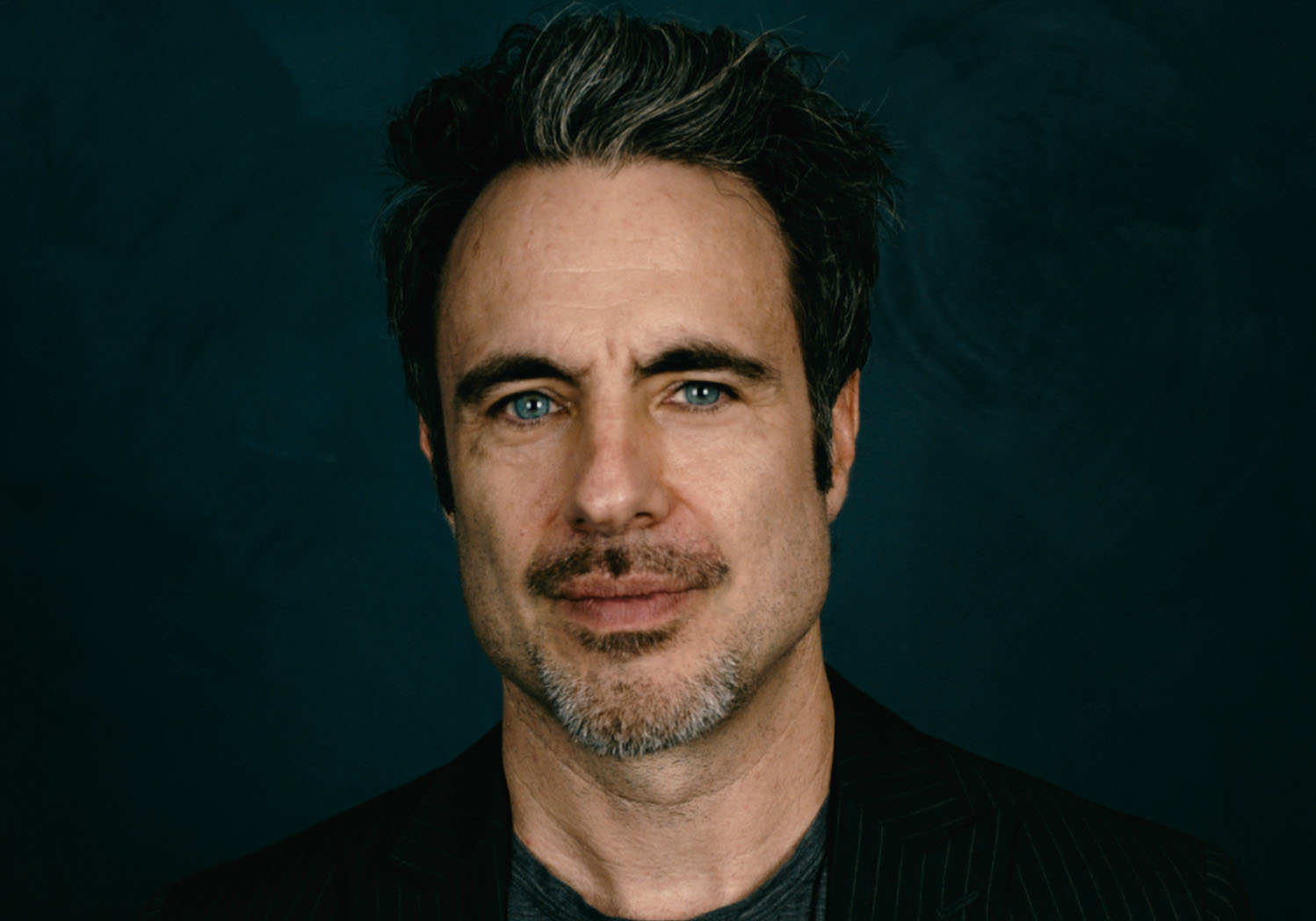
Understanding the Matt Cook Model Profile: Professional Standards and Career Trajectory
The Matt Cook model profile refers to the professional portfolio, career background, and public representation of the individual frequently identified in commercial modeling, fitness modeling, and social media influence circles. This p...
The Matt Cook model profile refers to the professional portfolio, career background, and public representation of the individual frequently identified in commercial modeling, fitness modeling, and social media influence circles. This profile encompasses a specific aesthetic standard, historical body of work, and the operational requirements typically associated with freelance talent management in the contemporary modeling industry.
Contents
Defining the Professional Scope of the Profile
In the context of the modeling industry, a "model profile" serves as the primary currency for talent. For an individual such as Matt Cook, who has navigated the intersection of commercial fitness, print modeling, and digital influencer marketing, the profile is not merely a static document but a dynamic repository of work.
The profile functions as a digital resume that includes headshots, full-body shots, measurements, and a record of prior collaborations. In the modern industry, these profiles are often hosted on centralized agency platforms or personal professional websites. For talent in this specific niche, the profile must convey consistency, physical fitness, and versatility, as these elements are non-negotiable for commercial casting directors and brand managers.
Key Components of a Professional Model Portfolio
A high-standard model profile, regardless of the specific niche, must include standardized elements to be considered legitimate by agents and scouts. These components allow potential clients to assess whether a model fits a brand’s aesthetic and technical requirements.
- Comp Card (Composite Card): This is the essential snapshot of a model’s career. It typically features a headshot on one side and a variety of poses—ranging from lifestyle to fitness-oriented—on the reverse.
- Measurement Metrics: Standard industry requirements include height, chest circumference, waist size, inseam, shoe size, and hair/eye color. Maintaining accuracy in these figures is a prerequisite for any booking, as deviations lead to production delays on set.
- Portfolio Gallery: This section showcases the range of the model. For a career centered on fitness and commercial work, it includes high-quality editorial images, "test shoots" with established photographers, and documentation of past commercial campaigns.
- Career Highlights and Credits: A verified list of brands worked with, publications featured in, or significant digital media projects completed. This establishes the "professional pedigree" of the subject.
The Role of Fitness Modeling in the Contemporary Market
The career of a fitness model like Matt Cook is intrinsically tied to the "fitness and health" niche. This market requires more than just a photogenic presence; it demands a high degree of physical discipline and the ability to project an aspirational lifestyle.
Clients in this sector—which include sports apparel brands, supplement companies, and high-end gym chains—look for specific physical characteristics. These include defined muscularity that is aesthetic yet functional, a look of "approachable health," and the ability to maintain this physique consistently across long-term contract periods. The professional profile, therefore, must reflect an ongoing commitment to health, often evidenced by current photography that reflects a model's state of fitness in the present year.
Standardized Comparison: Fitness Model Requirements vs. Commercial Model
Understanding the distinctions between modeling tiers helps in evaluating the professional requirements of a profile.
| Feature | Fitness Model Profile | General Commercial Profile |
|---|---|---|
| Physical Focus | High muscular definition; athletic | Broad, diverse, relatable |
| Primary Industry | Apparel, Supplements, Gyms | Retail, Banking, Consumer Goods |
| Media Format | High-motion, video/social heavy | Still photography, TV commercials |
| Key Metric | Body composition/Leanness | Height/Versatile style range |
| Longevity | Linked to training consistency | Linked to marketability/age range |
Evaluating Professional Credibility and Verification
When researching a model profile, one must distinguish between official representation and speculative digital presence. Professional models are typically represented by agencies that provide a layer of vetting. To verify the legitimacy of a profile:
- Agency Representation: Check the rosters of reputable modeling agencies. If a subject claims representation, their name will appear on the agency’s official website.
- Portfolio Consistency: Look for consistent professional branding. Legitimate professional profiles do not rely solely on low-resolution mobile photography; they feature work produced by professional photographers and editors.
- Cross-Platform Activity: Professional models maintain a coherent presence across platforms like Instagram, LinkedIn, and specialized modeling databases like Model Mayhem or industry-specific agency portals. If a profile is found, comparing it against these platforms can clarify the model's level of professional activity.
Navigating Career Longevity and Transitions
A common challenge in the modeling industry is the transition from a "new face" to an established professional. For individuals in the fitness niche, this often involves moving from purely visual-based work to digital influence and brand ambassadorships.
An effective profile in 2026 must demonstrate the ability to engage an audience. It is no longer enough to look the part; the professional must have a measurable reach. Brands often look for engagement metrics, audience demographics, and the ability to produce high-quality content independently. As such, modern profiles frequently integrate a link to an influencer media kit, which details reach, impressions, and conversion potential alongside traditional physical statistics.
Frequently Asked Questions
1. What is the most important element of a model profile? The most important element is the "Comp Card" or the primary set of portfolio images. These images represent the model’s current look and dictate whether they meet the specific visual requirements of a potential casting.
2. How often should a model update their profile? Profiles should be updated every six to twelve months, or whenever there is a significant change in appearance (e.g., changes in hair color, significant changes in physique, or new, higher-quality work).
3. Are social media numbers required for a professional profile? While not strictly required for every agency, in 2026, social media engagement is frequently requested by commercial clients to determine the potential reach of a marketing campaign.
4. Can I use smartphone photos for my professional profile? While smartphone photos can be used for informal scouting, professional-grade imagery is a strict requirement for agency representation and high-end commercial bookings.
5. What is the difference between a fitness model and an influencer? A fitness model focuses on physical aesthetics for print or video advertisements, whereas an influencer focuses on personal branding and direct engagement with an audience through social channels. Many individuals now combine both roles.
Next Steps for Professional Talent Management
If you are managing or building a profile similar to the Matt Cook model profile, the most effective next action is to curate a high-quality, professional portfolio that aligns with your specific niche. Ensure that your physical statistics are documented accurately, secure high-quality imagery that demonstrates versatility, and maintain an organized digital presence that potential clients can easily navigate. Professionalism in this industry is ultimately judged by the ease with which a brand can view your assets, verify your legitimacy, and assess your suitability for a project.
Image Gallery