Understanding Workers Compensation Insurance in Davidson NC: A Comprehensive Guide for 2026
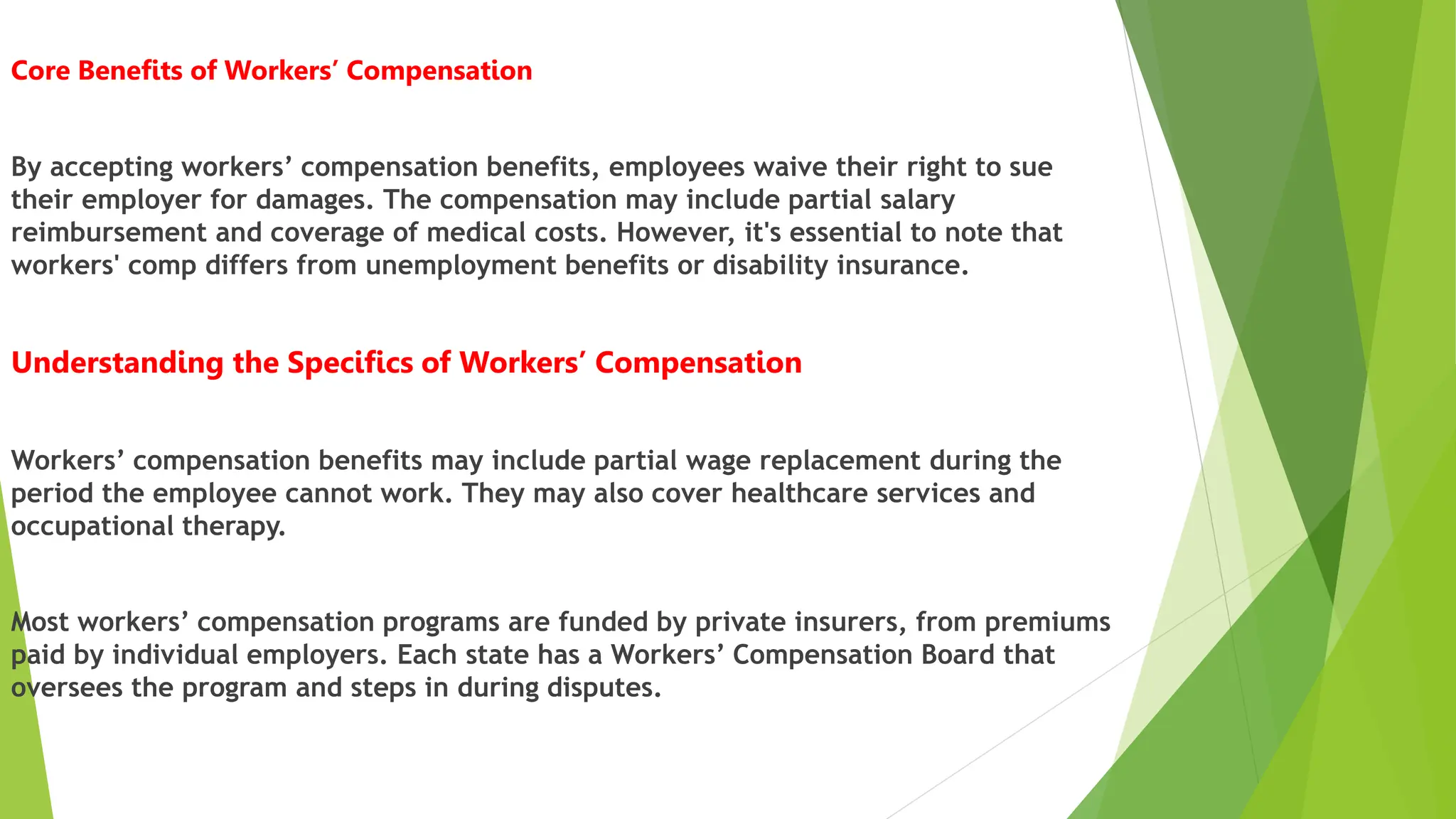
Workers’ compensation insurance in Davidson, North Carolina, is a state-mandated program requiring most businesses with three or more employees to provide benefits for work-related injuries or illnesses. This insurance covers medical e...
Workers’ compensation insurance in Davidson, North Carolina, is a state-mandated program requiring most businesses with three or more employees to provide benefits for work-related injuries or illnesses. This insurance covers medical expenses, a portion of lost wages, and vocational rehabilitation, protecting local employers from civil litigation while ensuring employees receive necessary care regardless of who was at fault for the accident.
Contents
In the small business landscape of Davidson, ranging from the boutique shops on Main Street to the professional services near Davidson College, understanding the nuances of the North Carolina Workers’ Compensation Act is essential for legal compliance and financial stability. As of 2026, the regulatory environment remains focused on ensuring that the "Rule of Three" is strictly followed, and that businesses accurately classify their workforce to avoid significant penalties.
The Legal Framework: North Carolina’s Mandate in 2026
The North Carolina Workers’ Compensation Act, administered by the North Carolina Industrial Commission (NCIC), serves as the primary legal authority for workplace injury claims in Davidson. The core of this legislation is the "exclusive remedy" doctrine. This means that in exchange for providing guaranteed medical and disability benefits, employers are generally protected from being sued by their employees for negligence related to a workplace injury.
For a business in Davidson to be subject to the Act, it must meet the threshold of having three or more employees. However, there are critical nuances in how these individuals are counted. The law applies to:
- Corporations: All corporate officers count as employees, even if they are the sole owners of the business. While they may elect to exclude themselves from coverage for benefits, they still count toward the three-employee threshold that triggers the requirement to carry insurance.
- Sole Proprietorships and Partnerships: These entities are required to carry insurance if they have three or more employees in addition to the owner or partners. Owners and partners are not automatically counted as employees but can choose to be covered under their own policy.
- Limited Liability Companies (LLCs): Similar to partnerships, members of an LLC are not automatically counted toward the three-employee requirement but can opt-in for coverage.
It is important to note that Davidson businesses operating in specific high-risk sectors, such as those involving the presence of radiation or certain agricultural activities, may face different thresholds or specific carve-outs. However, for the vast majority of local retail, dining, and professional firms, the "three-employee rule" is the standard.
Determining Employee Status and Classification
One of the most common mistakes Davidson business owners make is misclassifying workers to avoid paying premiums. In 2026, the NCIC and the North Carolina Department of Insurance (NCDI) continue to scrutinize the distinction between employees and independent contractors.
Employees vs. Independent Contractors
Simply labeling a worker as an "independent contractor" or providing them with a 1099 tax form does not exempt a business from workers' compensation requirements. The state uses the "right to control" test. If a Davidson employer controls the hours, provides the tools, directs the specific methods of work, and has the right to fire the worker, that individual is likely an employee under the law.
Part-Time and Seasonal Workers
Davidson’s seasonal events and the student workforce from Davidson College often lead businesses to hire temporary or part-time help. Under the North Carolina statute, part-time, seasonal, and even family-member employees count toward the three-employee requirement. If you hire two full-time managers and one part-time student for weekend shifts, your business has reached the three-employee threshold and must secure a policy.
What Does Workers’ Compensation Cover in Davidson?
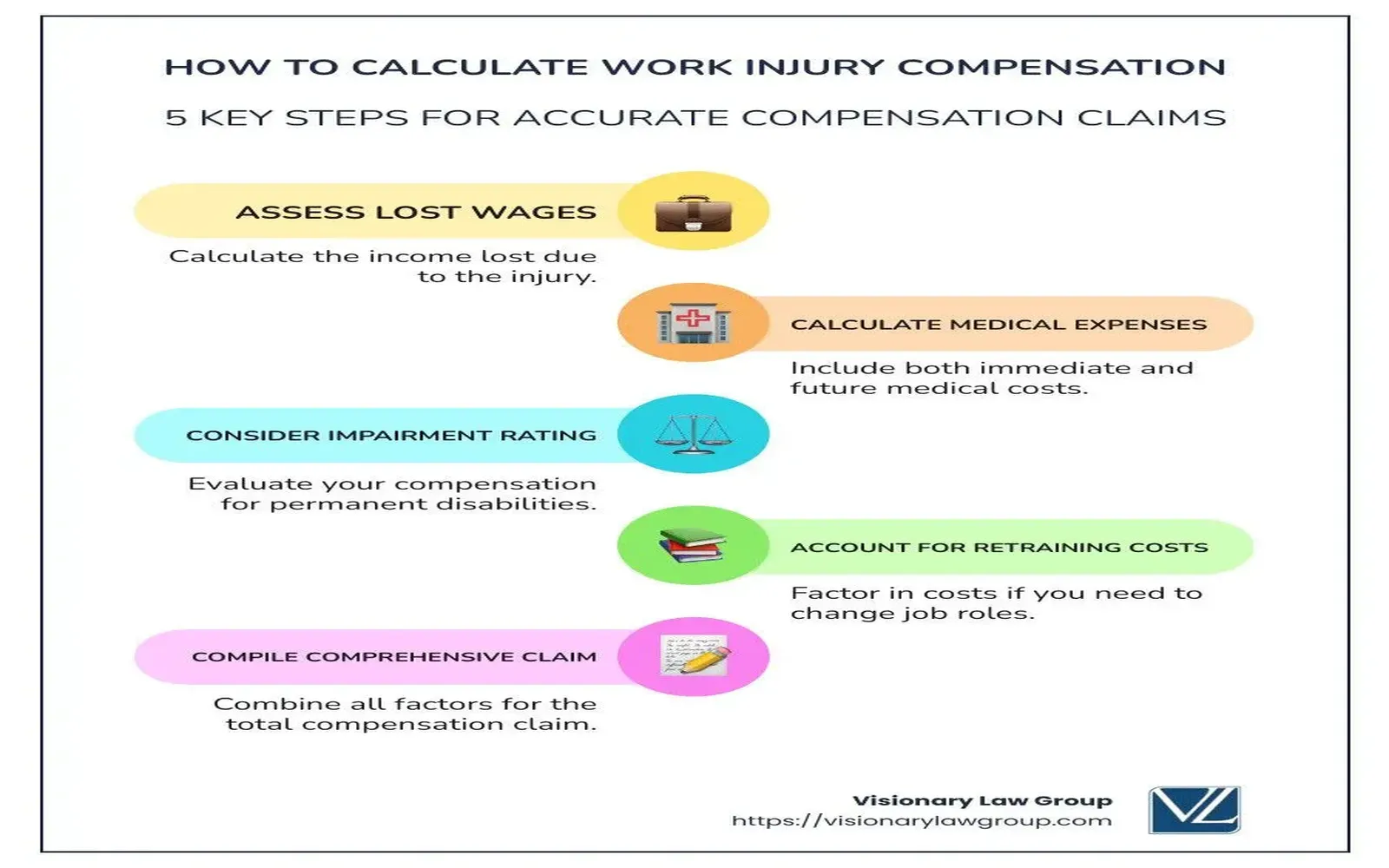
When an injury occurs at a workplace—whether it is a slip-and-fall in a restaurant or a repetitive motion injury in a corporate office—the insurance policy provides several tiers of benefits. These are standardized across North Carolina and do not vary by city.
Medical Expenses
The insurance carrier is responsible for all "necessary and reasonable" medical treatments related to the workplace injury. This includes emergency room visits, surgeries, prescription medications, physical therapy, and medical devices. In North Carolina, the employer (or their insurance carrier) generally has the right to choose the treating physician. If an employee in Davidson wishes to change doctors, they must typically seek approval from the insurance company or the Industrial Commission.
Wage Replacement (Disability Benefits)
If an employee is unable to work for more than seven days due to their injury, they are eligible for disability benefits.
- Temporary Total Disability (TTD): Paid if the employee cannot work at all during their recovery. The benefit is generally two-thirds (66.67%) of the employee’s average weekly wage, subject to a state-mandated maximum.
- Temporary Partial Disability (TPD): Paid if the employee can return to work in a limited capacity but at a lower wage than they earned before the injury.
- Permanent Partial Disability (PPD): Paid if the injury results in a permanent impairment to a specific body part (like a hand or leg) as defined by the NCIC rating schedule.
Death Benefits
In the tragic event of a workplace fatality, workers' compensation provides benefits to the dependents of the deceased worker. This includes funeral expenses (up to a statutory limit) and weekly wage replacement for a set period, typically 500 weeks, though extensions can occur under specific legal circumstances.
The Cost of Workers' Compensation in Davidson
The cost of a workers’ compensation policy in Davidson is determined by several factors, largely overseen by the North Carolina Rate Bureau (NCRB). Understanding these variables can help business owners manage their overhead more effectively.
| Factor | Description | Impact on Premium |
|---|---|---|
| Classification Code | Every job type is assigned a four-digit code by the NCCI based on risk. | Higher risk (construction) costs more than lower risk (accounting). |
| Total Payroll | Premiums are calculated per $100 of payroll. | Larger workforces lead to higher total premiums. |
| Experience Modifier | A multiplier based on the business's individual claims history. | Businesses with fewer accidents receive a "mod" below 1.0, lowering costs. |
| Safety Programs | Documented safety training and return-to-work programs. | Can qualify the business for credits or lower "mod" scores over time. |
The Role of the Experience Rating Modifier (E-Mod)
For businesses that have been in operation for several years and meet certain premium thresholds, the E-Mod is a critical number. If a Davidson business has a claim frequency significantly higher than the industry average, their E-Mod will rise above 1.0, acting as a surcharge. Conversely, a safe work environment can drive the E-Mod below 1.0, providing a competitive advantage through lower insurance costs.
How to Obtain Coverage in Davidson
Business owners in Davidson have three primary avenues for obtaining workers’ compensation insurance in 2026:
- Voluntary Market: This is the most common route. Business owners work with a local Davidson insurance agent to get quotes from private carriers like Travelers, Hartford, or Liberty Mutual. Competition in the voluntary market usually results in the best rates.
- Assigned Risk Pool: If a business is in a high-risk industry or has a poor claims history and cannot find coverage in the voluntary market, they may be placed in the North Carolina Workers’ Compensation Assigned Risk Pool. This is often more expensive but ensures the business remains legal.
- Self-Insurance: Larger corporations with significant assets may apply to the North Carolina Department of Insurance to become self-insured. This requires proving the financial ability to pay claims out of pocket and is rarely used by small to mid-sized Davidson firms.
Step-by-Step: Handling a Workplace Injury Claim
If an accident occurs at your place of business, the following steps are required to remain compliant with NC law:
- Immediate First Aid: Ensure the employee receives medical attention. In non-emergencies, direct them to the authorized medical provider designated by your insurance policy.
- Employee Notification: The employee must provide written notice of the accident to the employer within 30 days.
- Employer Filing (Form 19): The employer must file Form 19 ("Employer’s Report of Employee’s Injury or Occupational Disease to the Industrial Commission") within five days of learning about an injury that results in more than $2,000 in medical costs or more than one day of lost work.
- Employee Filing (Form 18): To formally protect their rights, the employee should file Form 18 with the Industrial Commission, usually within two years of the injury.
- Insurance Response: The carrier must decide to accept or deny the claim (Form 60, 61, or 63) within a specific timeframe, usually 14 to 30 days.
Penalties for Non-Compliance
Operating a business in Davidson without required workers' compensation insurance is a serious offense. The North Carolina Industrial Commission's Criminal Investigation Division is tasked with identifying non-compliant businesses.
- Financial Penalties: Fines can range from $1 to $100 per day of non-compliance, which can quickly accumulate into tens of thousands of dollars.
- Criminal Charges: Failure to carry insurance can be a Class H felony or a Class 1 misdemeanor, depending on the severity and intent.
- Civil Liability: Without insurance, the employer loses the "exclusive remedy" protection. This means an injured worker can sue the business owner directly in civil court, potentially leading to massive jury awards that are not capped by workers' compensation schedules.
Frequently Asked Questions
Do I need insurance if I only hire independent contractors in Davidson?
If the "contractors" meet the legal criteria for employees (i.e., you control their work methods and hours), you likely need insurance. Additionally, if a subcontractor does not have their own workers' compensation policy, you may be held liable for their injuries as the "statutory employer." It is standard practice in Davidson to require a Certificate of Insurance (COI) from all contractors before work begins.
What happens if a Davidson employee is injured while working from home?
In 2026, remote work is common. If a Davidson-based employee is injured while performing duties for their employer at home, the injury is generally compensable. The challenge often lies in proving the injury "arose out of and in the course of employment." Employers should have clear remote-work safety guidelines to mitigate these risks.
Are there any employees who don't count toward the three-person rule?
Certain agricultural workers, domestic servants (like nannies or housekeepers) employed in a private home, and certain railroad employees may be exempt. However, for the majority of businesses in the 28035 and 28036 zip codes, the three-person rule is absolute regardless of the specific job title.
Can an employee sue me if I have workers’ compensation insurance?
In almost all cases, no. Workers' compensation is the "exclusive remedy" for workplace injuries. The only rare exception is if the employer intentionally caused the injury or engaged in "willful and wanton" misconduct that was substantially certain to cause injury (often referred to as a Woodson claim in North Carolina).
How can I lower my workers' compensation premiums?
Implementing a formal safety program, conducting regular workplace hazard assessments, and offering a "light duty" return-to-work program are the most effective ways. By getting an injured worker back to work in a modified capacity, you reduce the "lost time" portion of the claim, which is a major driver of the Experience Modifier calculation.
Strategic Recommendation for Davidson Employers
For businesses operating in the Davidson area, workers’ compensation should be viewed as a vital risk management tool rather than a mere regulatory burden. To ensure full protection, business owners should perform an annual audit of their workforce to ensure all part-time and seasonal staff are accounted for. Working with a local insurance professional who understands the specific North Carolina Industrial Commission rules will help ensure that job classifications are accurate and that the business is taking advantage of all available safety credits. If you are unsure of your current status, contacting the North Carolina Industrial Commission directly or reviewing the NC General Statutes Chapter 97 is the best first step to ensuring your business remains protected in 2026.
Image Gallery