Kelly Ellard Now: The Current Status and Legal Journey of Kerry Marie Sim
As of 2026, Kelly Ellard—who now legally goes by the name Kerry Marie Sim—remains under the jurisdiction of the Correctional Service of Canada while serving a life sentence for the 1997 murder of Reena Virk. She currently resides in th...
As of 2026, Kelly Ellard—who now legally goes by the name Kerry Marie Sim—remains under the jurisdiction of the Correctional Service of Canada while serving a life sentence for the 1997 murder of Reena Virk. She currently resides in the community under day parole conditions, a status she has maintained for several years after repeatedly waiving her right to a full parole hearing.
Contents
The case of Kelly Ellard is one of the most notorious in Canadian criminal history, not only for the brutality of the crime but for the protracted legal battle that followed. For nearly three decades, the Canadian public has followed the transformation of a teenage assailant into a middle-aged mother living under the strict oversight of the parole board. Understanding her current situation requires a deep dive into the legal nuances of the Canadian justice system, the specifics of her parole conditions, and the lasting impact of the Reena Virk tragedy.
The Evolution from Kelly Ellard to Kerry Marie Sim
For many years, the name Kelly Ellard was synonymous with youth violence in Canada. However, in an effort to distance herself from her past and perhaps facilitate a degree of reintegration, Ellard legally changed her name to Kerry Marie Sim. This change occurred during her lengthy incarceration and has been the name used in all official Parole Board of Canada (PBC) documentation for the last decade.
The name change did not erase her criminal record or her life sentence, but it marked a psychological shift in her identity. While the public and media often still refer to her as Ellard, her community life and interactions with the justice system are conducted under her new identity. This transition is a common occurrence for high-profile offenders seeking to live a relatively quiet life post-release, though in Sim's case, the notoriety of the Virk murder makes true anonymity nearly impossible.
Current Parole Status and Residence
As we look at the landscape in 2026, Kerry Sim’s status is defined by expanded day parole. Unlike full parole, which allows an offender to live more independently, day parole requires the offender to reside at a community residential facility (a halfway house) or, in specific cases like Sim’s, a private residence approved by the Parole Board.
The 2024 Waiver of Full Parole
A significant development occurred in May 2024, which continues to dictate her status today. Sim was scheduled for a hearing to transition from day parole to full parole. However, she chose to waive her right to that hearing. By doing so, she essentially accepted that she was not yet ready—or that the board was not yet ready—to grant her the increased freedom that comes with full parole.
Legal experts suggest that waiving a hearing is often a strategic decision made when an offender believes a denial is likely. A denial on the record can sometimes be more detrimental to future applications than a voluntary waiver. Consequently, Sim remains on the "step-down" process of day parole, which provides the board with a high level of control over her movements and associations.
Living Conditions and Motherhood
Sim is the mother of two children, both of whom were conceived during private family visits while she was incarcerated. Her role as a mother has been a central pillar of her rehabilitation narrative presented to the Parole Board. She has argued that her responsibilities to her children have provided her with the stability and motivation necessary to remain law-abiding.
The Parole Board has acknowledged that Sim has shown growth in her parental role, noting that she has been "stable" and "compliant" with her conditions. However, they also remain cautious, frequently citing her past history of volatility and the gravity of her original offense.
Timeline of Legal Milestones and Parole History
The path from the 1997 crime to her 2026 status has been marked by an unprecedented series of trials and appeals. The following table summarizes the key dates that shaped the current legal standing of Kerry Marie Sim.
| Year | Event | Significance |
|---|---|---|
| 1997 | Murder of Reena Virk | The crime occurred under the Craigflower Bridge in Saanich, BC. |
| 2000 | First Trial | Convicted of second-degree murder; later overturned on appeal. |
| 2004 | Second Trial | Ended in a mistrial after the jury deadlocked. |
| 2005 | Third Trial | Convicted again; sentence was challenged up to the Supreme Court. |
| 2009 | Supreme Court Ruling | The SCC upheld the second-degree murder conviction and life sentence. |
| 2017 | First Day Parole | Granted conditional day parole for the first time after 15 years in prison. |
| 2020 | Parole Expansion | Permitted to live in a private residence under day parole conditions. |
| 2022 | Suspension Threat | Concerns over her "honesty" led to a temporary review, but parole was maintained. |
| 2024 | Full Parole Waiver | Sim waived her hearing, choosing to stay on day parole indefinitely. |
| 2026 | Current Status | Continues on day parole with strict reporting requirements. |
The Conditions of Her Release
Life on day parole in 2026 for Kerry Sim is far from "free." The Parole Board of Canada imposes several "special conditions" that she must follow to avoid being returned to a federal penitentiary. These conditions are designed to mitigate the risk to the public and ensure she remains on a path of rehabilitation.
- No Alcohol or Drug Consumption: Sim has a history of substance use issues that the board believes contributed to her past instability. She is subject to random testing.
- No Contact with Victims: This includes the family of Reena Virk. Any attempt to contact the Virk family would result in immediate revocation of parole.
- Psychological Counseling: She is required to attend regular sessions to address the underlying issues related to her past violence and current stress management.
- Reporting Requirements: She must meet regularly with a parole officer and provide detailed accounts of her activities, employment, and social circles.
- Travel Restrictions: She cannot leave a designated area without prior written permission from her supervisor.
The Reena Virk Case: Why the Context Still Matters
The reason Kerry Sim remains a figure of intense public scrutiny in 2026 is rooted in the horrific nature of the crime committed in November 1997. Reena Virk, a 14-year-old girl who was struggling to fit in, was swarmed by a group of teenagers (the "Shoreline Six") near the Craigflower Bridge in Saanich, British Columbia.
While the initial swarm ended and most of the teenagers left, Ellard and co-accused Warren Glowatski followed Virk. Evidence presented at trial showed that they continued the assault, eventually drowning Virk in the Gorge Waterway. Glowatski was also convicted of second-degree murder but took a very different path toward rehabilitation. He embraced restorative justice, met with the Virk family, and was granted full parole in 2010 with the family's support.
Sim’s journey has been more contentious. For years, she denied her full involvement, only partially admitting to her role much later in her sentence. This perceived lack of full accountability was a primary reason her transition to parole took significantly longer than Glowatski's.
The Influence of Media: "Under the Bridge"
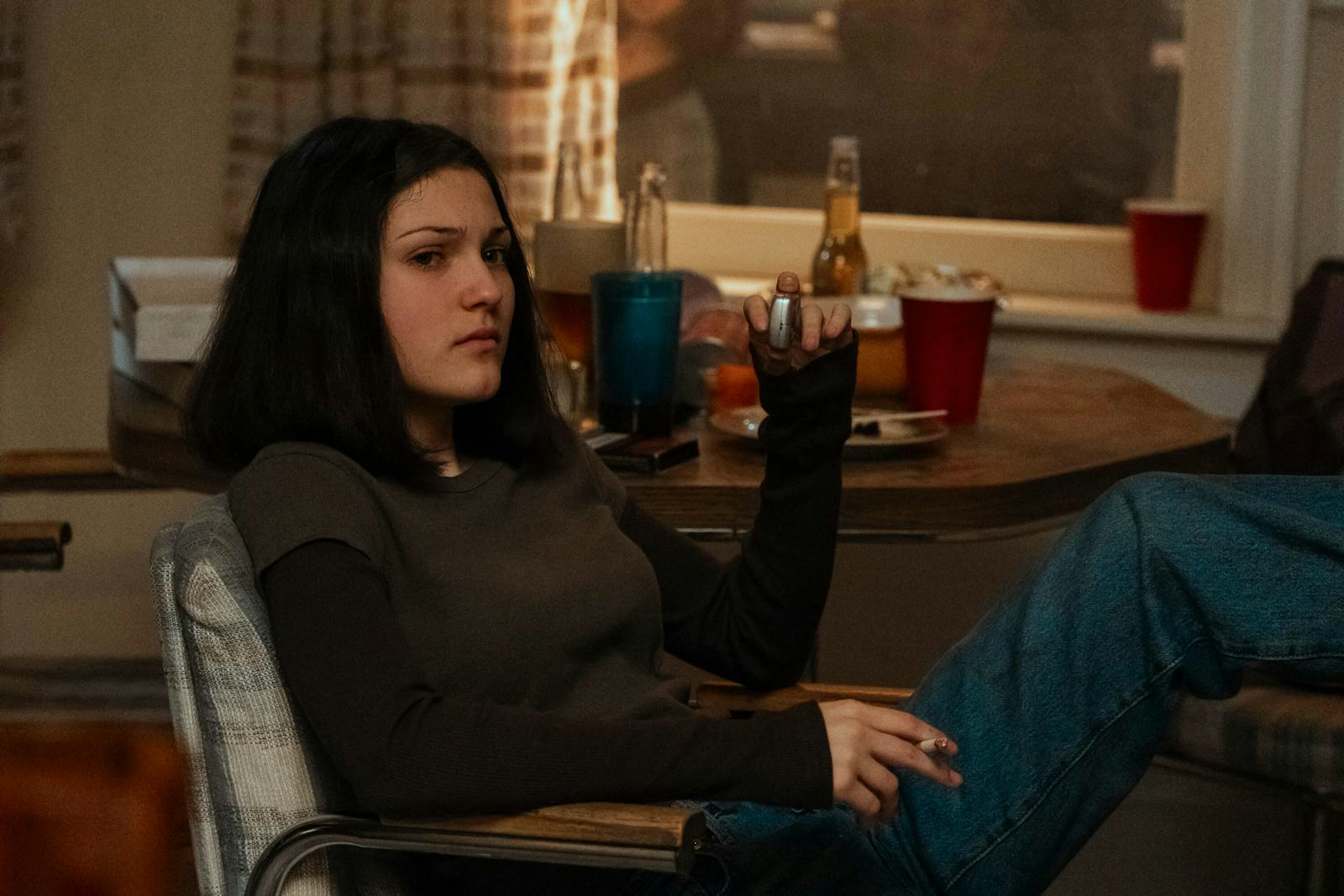
Interest in "Kelly Ellard now" saw a massive spike in recent years due to the adaptation of Rebecca Godfrey’s book, Under the Bridge, into a high-profile television miniseries. This cultural re-examination of the case brought the details of the murder to a new generation and reignited debates about youth justice and the possibility of redemption.
For Sim, this media attention presents a challenge to her reintegration. In her parole hearings, it has been noted that she must manage the stress of public recognition and the lingering stigma of her name. The Parole Board monitors how she handles this pressure, as any "acting out" or signs of the old volatility would be grounds for a status review.
Comparison: Day Parole vs. Full Parole in Canada
To understand why Sim remains on day parole in 2026 rather than full parole, one must look at the technical differences in the Canadian Corrections and Conditional Release Act.
- Day Parole: Requires the offender to return to a community residential facility or an approved residence nightly. It is intended to prepare the offender for full parole by testing their ability to function in society while still under heavy supervision.
- Full Parole: Allows the offender to serve the remainder of their sentence in the community, usually living in their own home. They still report to a parole officer, but the level of daily monitoring is significantly reduced.
By staying on day parole, Sim is essentially in a "holding pattern." She has enough freedom to raise her children and work, but she remains on a "shorter leash" than those on full parole.
Frequently Asked Questions
Is Kelly Ellard (Kerry Sim) free in 2026?
She is not "free" in the traditional sense. While she lives in the community, she is serving a life sentence. This means she will be under the supervision of the Correctional Service of Canada for the rest of her life. If she violates any conditions, she can be returned to prison immediately without a new trial.
Does she have children?
Yes, Kerry Sim has two children. Both were born while she was still an inmate, though she was allowed to care for them through various correctional programs and now raises them in the community while on day parole.
Why did she change her name?
She legally changed her name to Kerry Marie Sim to facilitate a degree of privacy and to distance herself from the "Kelly Ellard" identity associated with the 1997 murder.
What happened to Warren Glowatski?
Warren Glowatski, the co-accused in the Reena Virk murder, was granted full parole in 2010. He successfully participated in restorative justice programs and received the support of Reena Virk's parents, Suman and Manjit Virk, before his release.
Can she ever be "off" parole?
No. Because she was convicted of second-degree murder, she was sentenced to life in prison. In Canada, a life sentence means that even if an individual is granted full parole, they remain under the authority of the Parole Board until death.
The Path Forward
As Kerry Marie Sim continues her life in 2026, her future remains contingent on her ability to maintain the stability she has demonstrated over the last few years. The Parole Board of Canada continues to prioritize public safety while acknowledging her progress in domestic life.
The legacy of Reena Virk remains a permanent fixture in the Canadian consciousness, serving as a reminder of the consequences of youth violence. For Sim, the "next step" would be a successful application for full parole, but her 2024 waiver suggests that this transition may still be years away. For now, she remains a "lifer" in the community—monitored, restricted, and forever tied to the events of 1997.
Image Gallery