Navigating 1,000 mg Omega-3 Capsule Dosage Guidance for Optimal Health
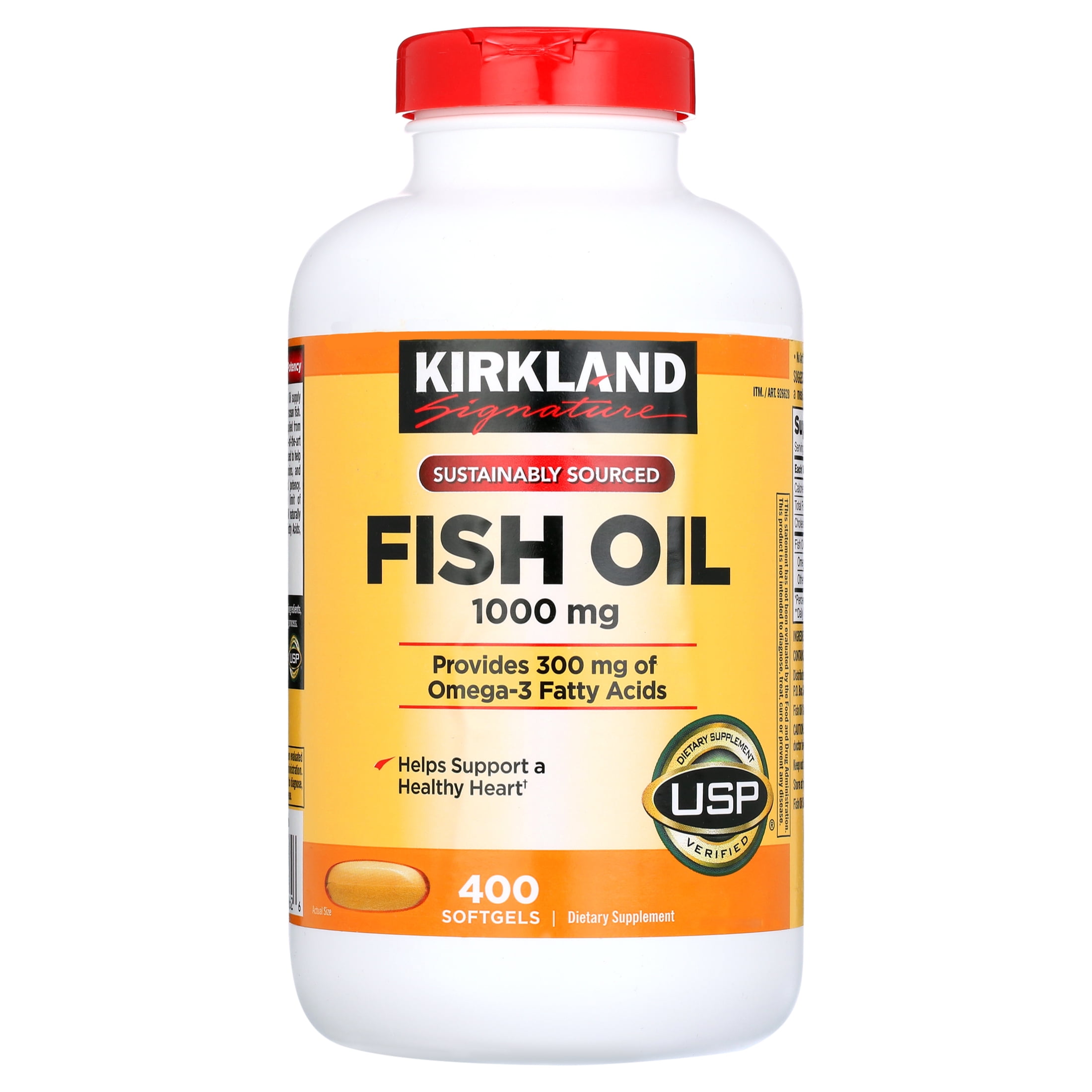
A standard 1,000 mg fish oil or omega-3 capsule typically contains around 300 mg of combined EPA (eicosapentaenoic acid) and DHA (docosahexaenoic acid), though the total oil volume is 1,000 mg. General wellness guidelines from health o...
A standard 1,000 mg fish oil or omega-3 capsule typically contains around 300 mg of combined EPA (eicosapentaenoic acid) and DHA (docosahexaenoic acid), though the total oil volume is 1,000 mg. General wellness guidelines from health organizations often suggest 250–500 mg of combined EPA and DHA daily for healthy adults, meaning one to two standard capsules usually suffice, though specific health goals or medical advice may alter this requirement.
Contents
Understanding how to properly integrate omega-3 fatty acids into a daily routine requires moving past marketing labels on the front of supplement bottles and examining the concentration of active ingredients inside. Because manufacturing standards and oil purities vary widely across the dietary supplement industry, consumers must learn to decipher nutrition facts labels, evaluate personal health objectives, and recognize potential safety limitations. This guide explores the foundational principles of omega-3 supplementation, offering an analytical framework for determining appropriate intake levels, identifying high-quality formulations, and avoiding common pitfalls associated with marine oil consumption.
Understanding the Difference Between Total Oil Volume and Active Omega-3 Content
The most common point of confusion for consumers revolves around the distinction between the physical weight of a capsule and the actual quantity of active therapeutic compounds it delivers. When a manufacturer labels a product as a "1,000 mg omega-3 capsule," it generally means the softgel contains 1,000 mg (or one gram) of total fish oil. However, fish oil is a complex mixture of various fatty acids, and only a fraction of that total volume consists of the essential omega-3 polyunsaturated fats known as EPA and DHA.
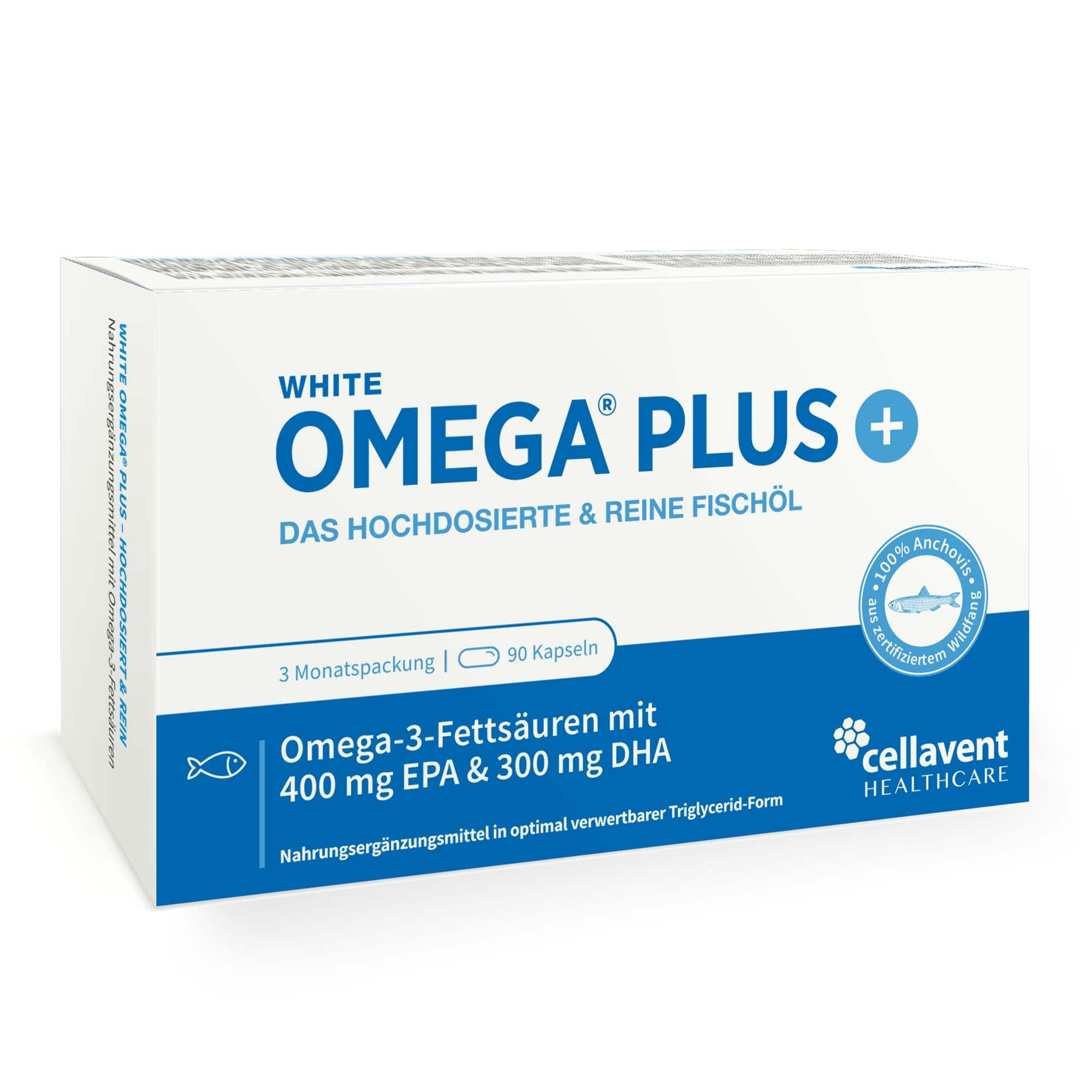
Standard, unrefined fish oil derived from pelagic species typically exhibits a natural concentration profile where a 1,000 mg capsule yields roughly 180 mg of EPA and 120 mg of DHA, totaling 300 mg of active omega-3s. The remaining 700 mg consists of other fats, including saturated fatty acids, monounsaturated fats, and trace compounds. Conversely, pharmaceutical-grade or molecularly distilled concentrates undergo processing steps like supercritical fluid extraction or enzymatic transesterification to strip away unwanted fats. These concentrated products can pack up to 500 mg, 700 mg, or even 900 mg of EPA and DHA into a single 1,000 mg capsule.
Failing to read the Supplement Facts panel can lead to severe under-dosing or over-dosing. If a clinical recommendation or organizational guideline specifies a daily intake of 1,000 mg of active omega-3s, consuming a standard, unrefined 1,000 mg capsule means a person would need to swallow three to four softgels daily to meet that target.
| Capsule Type | Total Fish Oil Volume | Typical EPA Content | Typical DHA Content | Total Active Omega-3s | Capsules Needed for 900 mg Active Dose |
|---|---|---|---|---|---|
| Standard / Unconcentrated | 1,000 mg | 180 mg | 120 mg | 300 mg | 3 capsules |
| Moderate Concentrate | 1,000 mg | 360 mg | 240 mg | 600 mg | 2 capsules |
| High Concentrate | 1,000 mg | 500 mg | 400 mg | 900 mg | 1 capsule |
| Ultra-Concentrated / Prescription | 1,000 mg | 465 mg (approx.) | 375 mg (approx.) | 840 mg+ | 1 to 2 capsules (under medical supervision) |
Establishing Baseline Dosage Recommendations From Health Authorities
Public health institutions, scientific societies, and regulatory agencies worldwide have established dietary intake benchmarks for marine-derived omega-3 fatty acids. These recommendations generally distinguish between healthy individuals seeking general cardiovascular maintenance and clinical populations managing specific health parameters, such as elevated triglyceride levels.
Organizations like the World Health Organization (WHO) and the European Food Safety Authority (EFSA) suggest that a daily intake of 250 to 500 mg of combined EPA and DHA is adequate for healthy adults to support normal heart function and cognitive maintenance. For individuals consuming two servings of fatty fish per week—such as salmon, mackerel, herring, or sardines—supplementation may be entirely unnecessary, as whole foods naturally provide these nutrients alongside lean protein and micronutrients.
For therapeutic applications, such as managing hypertriglyceridemia, guidelines from the American Heart Association (AHA) and clinical endocrinology groups often scale up significantly. Under medical supervision, adult patients with high triglycerides are frequently advised to consume 2,000 to 4,000 mg of combined EPA and DHA per day. Achieving these high tiers using standard 1,000 mg unrefined capsules requires consuming up to 13 softgels daily, which increases caloric intake, fat consumption, and the risk of gastrointestinal side effects. In such clinical scenarios, physicians typically prescribe concentrated pharmaceutical formulations to minimize pill burden.
Factors Influencing Personal Omega-3 Requirements
No single dosage applies universally to every demographic or physiological state. Determining the correct number of 1,000 mg capsules to ingest requires factoring in individual dietary patterns, life stages, metabolic characteristics, and underlying health profiles.
Dietary Habits and Plant-Based Alpha-Linolenic Acid Conversion
Dietary background remains a primary determinant. Individuals who regularly consume fatty fish several times a week maintain high tissue levels of EPA and DHA, reducing the utility of daily supplementation. Conversely, strict vegetarians and vegans consume zero preformed EPA or DHA, relying instead on plant-based alpha-linolenic acid (ALA) found in flaxseeds, chia seeds, and walnuts.
Human conversion rates of ALA into long-chain EPA and subsequently DHA are notably inefficient, often hovering below 5% to 10% in optimal conditions and lower in men due to hormonal differences. Consequently, plant-based individuals or those who entirely avoid seafood may require specialized algal oil supplements—which bypass the fish stage and deliver direct EPA and DHA—to maintain equivalent blood plasma levels.
Life Stage and Physiological Demands
Pregnancy and lactation impose unique metabolic demands. Developing fetal brains and retinal tissues rely heavily on a maternal supply of DHA. Health agencies often recommend an additional 200 mg of DHA daily during pregnancy and nursing, over and above standard adult baseline intake. Conversely, pediatric supplementation requires careful calculation by weight and age, typically favoring liquid formulations with precise dropper measurements over bulk 1,000 mg capsules that present choking hazards and excessive potency for young children.
Evaluating Product Quality, Purity, and Oxidation Risks
Because dietary supplements operate under different regulatory frameworks than pharmaceutical drugs in many jurisdictions, product quality control falls heavily on independent testing organizations and conscientious manufacturers. Poor manufacturing practices can compromise the safety and efficacy of 1,000 mg omega-3 capsules.
Marine Contaminants and Heavy Metals
Large predatory fish situated high on the marine food chain can bioaccumulate environmental toxins, including heavy metals like methylmercury, polychlorinated biphenyls (PCBs), and dioxins. Reputable manufacturers utilize molecular distillation processes to strip these contaminants below detectable limits. Consumers should look for third-party certifications from independent laboratories such as:
- USP (United States Pharmacopeia)
- NSF International
- IFOS (International Fish Oil Standards)
- Informed-Sport / Informed-Choice
These independent verifications confirm that the contents match the label claims and that heavy metal concentrations comply with strict international safety thresholds.
Lipid Oxidation and Rancidity
Omega-3 fatty acids feature multiple double bonds in their chemical structures, making them highly susceptible to oxidation when exposed to heat, light, and oxygen. Oxidized fish oil develops a rancid odor, an unpalatable fishy taste, and generates harmful free radicals that counteract the anti-inflammatory benefits of the supplement.
To assess freshness, consumers should check expiration dates, inspect capsules for cloudiness or leakage, and examine whether the product incorporates natural antioxidants like vitamin E (tocopherols) or rosemary extract to preserve stability. Storing capsules in a cool, dark environment—or refrigerating them after opening—significantly reduces the rate of lipid degradation.
Potential Side Effects, Medication Interactions, and Safety Precautions
While omega-3 fatty acids are generally recognized as safe for daily use, high-dose supplementation is not entirely free of adverse effects. Understanding physiological boundaries ensures that supplementation supports wellness without introducing unintended complications.
Common Gastrointestinal Adjustments
The most frequently reported side effects of 1,000 mg omega-3 capsules are mild and gastrointestinal in nature. Users occasionally experience "fish burps" (regurgitation with a fishy aftertaste), mild nausea, loose stools, or indigestion. Enteric-coated capsules—which resist breakdown in the acidic environment of the stomach and instead dissolve in the alkaline environment of the small intestine—frequently eliminate fishy aftertastes. Taking capsules alongside a main meal containing dietary fats also improves tolerability and enhances overall absorption rates.
Pharmacological Interactions and Bleeding Risks
EPA and DHA possess mild antiplatelet properties, meaning they can inhibit blood clotting at high pharmacological doses. Individuals taking anticoagulant or antiplatelet medications (such as warfarin, clopidogrel, or daily low-dose aspirin) must exercise caution. Combining high-dose fish oil with these drugs can theoretically increase bruising or bleeding tendencies.
Anyone scheduled for elective surgery or invasive dental procedures should consult their surgeon or primary care physician regarding the timing of temporary supplement discontinuation. Furthermore, individuals being treated for hypertension should monitor their blood pressure, as high-dose omega-3s can exert an additive blood-pressure-lowering effect.
Frequently Asked Questions About Omega-3 Dosages
How many 1,000 mg omega-3 capsules should I take daily for general health?
For a healthy adult seeking general cardiovascular and cognitive support, one to two standard 1,000 mg capsules usually provide the recommended 250 to 500 mg of combined EPA and DHA. Always verify the active ingredient breakdown on the Supplement Facts panel, as lower-concentration products may require more capsules to hit this range.
Can I take omega-3 supplements on an empty stomach?
While it is technically permissible, taking omega-3 capsules on an empty stomach frequently triggers mild nausea or fish-flavored burps. Consuming the softgels with a meal that includes dietary fat stimulates the release of digestive enzymes and bile acids, which significantly enhances the bioavailability and absorption of the fatty acids.
What is the difference between fish oil, krill oil, and algal oil?
Fish oil is extracted from the tissues of oily marine fish and typically provides triglycerides or ethyl esters of EPA and DHA. Krill oil is harvested from small crustacean species and delivers its omega-3s bound to phospholipids, which some studies suggest may improve cellular uptake. Algal oil is derived directly from marine microalgae—the original source of omega-3s in the marine food chain—making it a completely vegan-friendly option that provides direct EPA and DHA without marine contaminants.
Are there upper limits for daily omega-3 consumption?
The European Food Safety Authority indicates that supplemental intakes of combined EPA and DHA up to 5,000 mg per day do raise safety concerns regarding bleeding risks or immune function suppression. However, routine clinical supplementation rarely exceeds 3,000 mg unless specifically managed by a physician for conditions like severe hypertriglyceridemia.
How do I know if my fish oil capsules have gone rancid?
Rancid fish oil emits a sharp, foul, chemical, or overwhelmingly fishy odor that resembles rotting seafood. If piercing a capsule releases an offensive smell, or if taking the supplement consistently causes severe digestive distress and foul burps, the product has oxidized and should be discarded.
Conclusion and Next Actions
Optimizing omega-3 intake requires looking beyond blanket statements and analyzing individual dietary habits, product labels, and physiological goals. To implement a safe and effective regimen, start by auditing your weekly seafood consumption to establish your dietary baseline. Next, inspect the Supplement Facts panel of your chosen 1,000 mg capsules to calculate the precise milligrams of active EPA and DHA per serving rather than relying on total oil weight. Purchase products backed by third-party purity testing to ensure freedom from heavy metals and oxidation, and consult a qualified healthcare professional before exceeding baseline wellness dosages or combining high-dose supplements with prescription blood thinners.
Image Gallery