Professional Guide to Water Damage Restoration in Atlanta: Steps for Immediate Response and Recovery
When water damage occurs in an Atlanta property, immediate action is the most critical factor in preventing structural degradation, electrical hazards, and the rapid onset of mold growth. Effective restoration involves a methodical app...
When water damage occurs in an Atlanta property, immediate action is the most critical factor in preventing structural degradation, electrical hazards, and the rapid onset of mold growth. Effective restoration involves a methodical approach: securing the property, mitigating the source of the water, utilizing industrial-grade extraction equipment, and implementing structural drying protocols compliant with IICRC standards.
Contents
Assessing the Severity of Water Damage
In the Atlanta metropolitan area, water damage typically stems from aging plumbing infrastructure, extreme weather events, or HVAC malfunctions. Before beginning any restoration, you must categorize the water damage based on the guidelines set by the Institute of Inspection, Cleaning and Restoration Certification (IICRC). Understanding these categories is essential for safety and insurance documentation:
- Category 1 (Clean Water): Originates from a sanitary source, such as a broken supply line or an overflowing sink. While initially safe, it can quickly degrade if left untreated.
- Category 2 (Grey Water): Contains significant contamination, such as water from a dishwasher, washing machine, or toilet overflow containing urine. This requires specialized cleaning and sanitization.
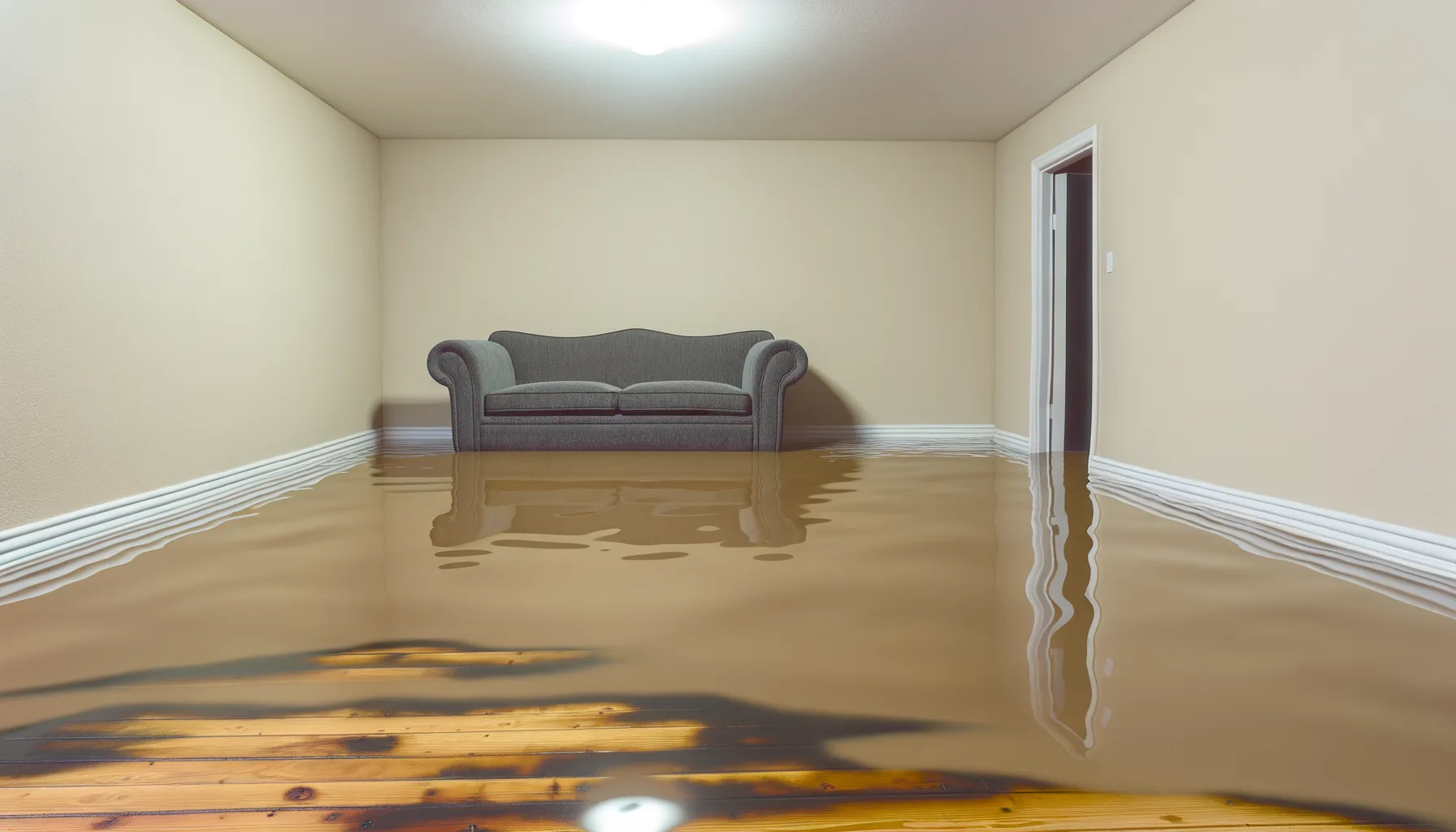
- Category 3 (Black Water): Highly unsanitary, containing pathogenic agents. This includes sewage, seawater, or rising water from rivers and streams. This requires professional remediation and biohazard safety protocols.
Immediate Steps for Property Owners
If you detect water intrusion, your priority is the safety of occupants. Shut off the main water valve if the source is internal. If the damage involves electrical outlets or appliances, turn off the power at the breaker panel—but only if you can do so without stepping into standing water.
Contacting a professional restoration service in Atlanta should happen within the first 24 to 48 hours. This timeframe is the industry-standard window before microbial growth, such as Aspergillus or Stachybotrys (black mold), begins to colonize porous building materials like drywall, carpet padding, and insulation.
The Professional Restoration Process
Professional restoration companies follow a standard operating procedure designed to return the property to its "pre-loss" condition. You should expect the following technical sequence:
- Emergency Inspection and Scoping: Technicians use moisture meters and thermal imaging cameras to map the extent of the saturation, even behind walls or under flooring.
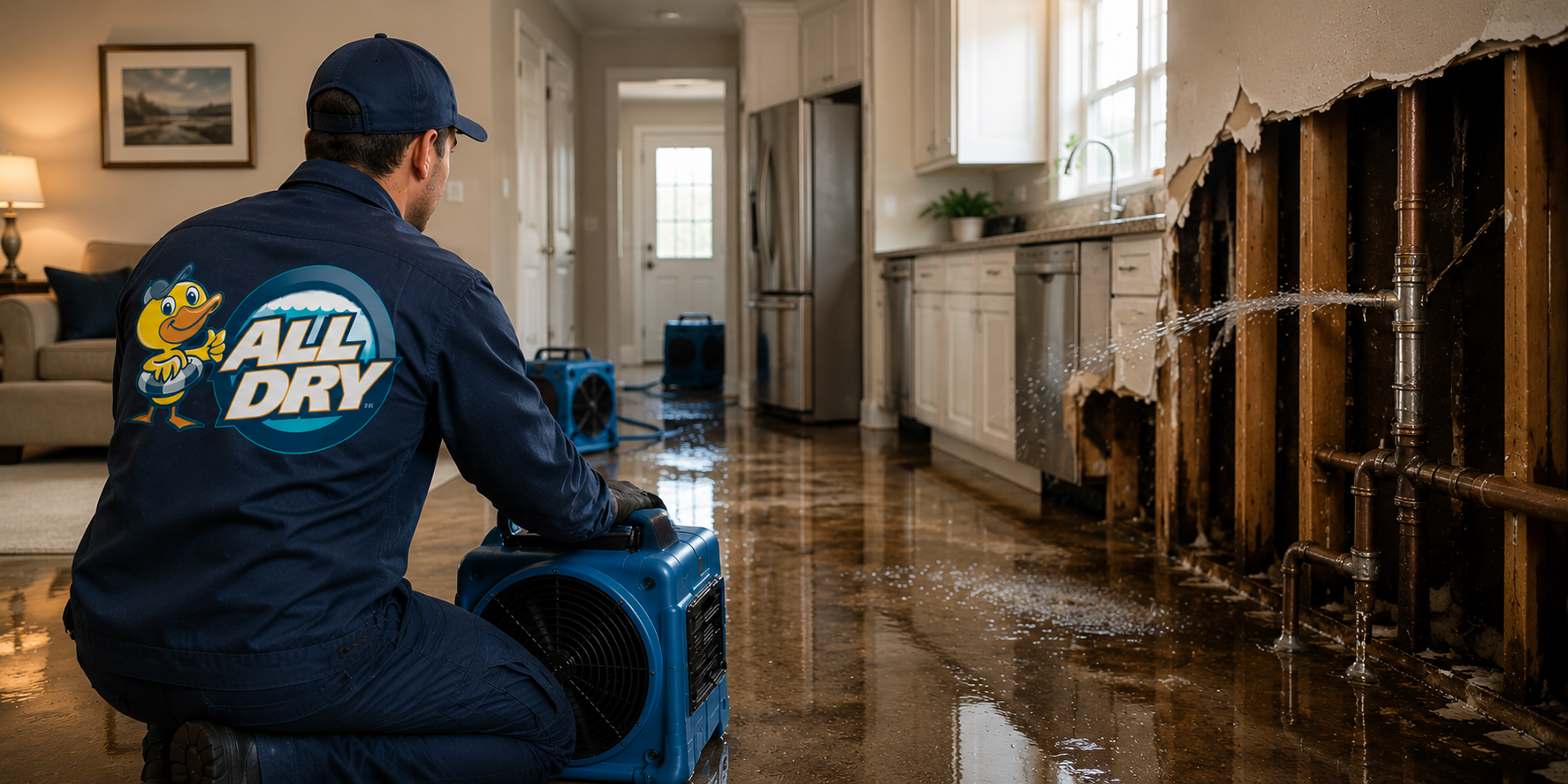
- Water Extraction: Using high-capacity portable or truck-mounted extraction units, contractors remove the bulk of standing water.
- Drying and Dehumidification: This is the most crucial phase. High-velocity air movers are placed strategically to promote evaporation, while industrial-grade dehumidifiers extract that moisture from the air to maintain a relative humidity level that discourages secondary damage.
- Cleaning and Sanitization: All salvageable materials are treated with antimicrobial agents. Porous items that cannot be thoroughly cleaned, such as saturated carpet padding, are typically removed and disposed of.
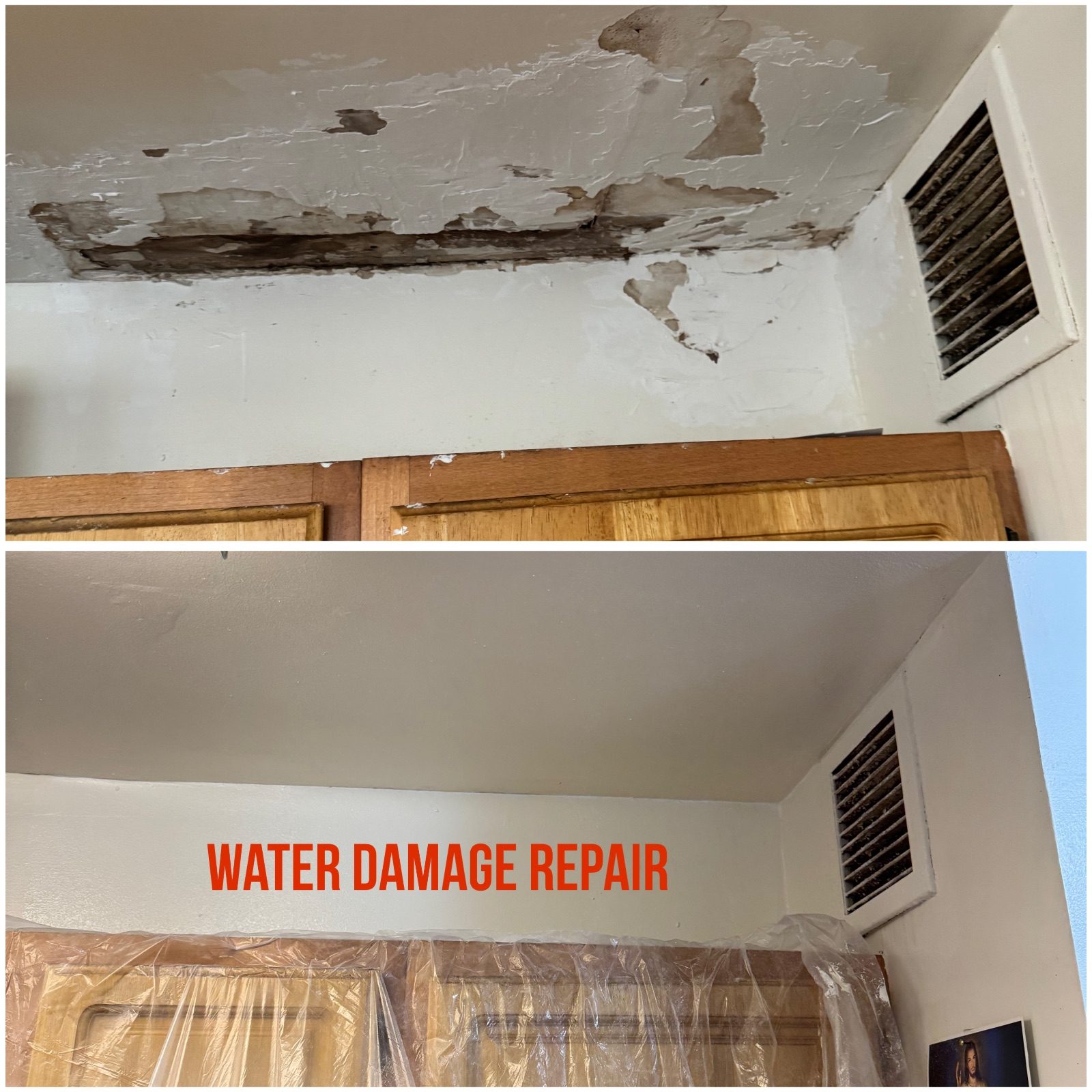
- Restoration and Reconstruction: Once the structural moisture content has returned to acceptable levels (as verified by moisture sensors), the repair phase begins, involving the installation of new flooring, drywall, and paint.
Comparing Water Damage Mitigation Strategies
| Strategy | When to Apply | Expected Outcome |
|---|---|---|
| Emergency Extraction | Immediate (0–12 hours) | Prevents saturation of deep structures |
| Structural Drying | Long-term (48+ hours) | Prevents microbial growth and warping |
| Content Remediation | Ongoing | Salvages furniture and personal effects |
| Controlled Demolition | Post-Inspection | Removes unsalvageable, contaminated materials |
Navigating Insurance Claims in Georgia
Most standard homeowners’ insurance policies in Georgia cover sudden and accidental water damage (e.g., a burst pipe). However, damage resulting from lack of maintenance, such as a slow leak that persists for months, is rarely covered.
When filing a claim:
- Document Everything: Take high-resolution photos and videos before anything is moved or removed.
- Keep Receipts: All expenses related to temporary lodging, emergency repairs, and protective measures should be documented for reimbursement.
- Review Your Policy: Check for specific endorsements regarding mold or sewer backup coverage, as these are often excluded or limited in standard policies.
Managing Environmental Factors in Atlanta
Atlanta’s climate—characterized by high humidity levels during the spring and summer—adds an extra layer of complexity to restoration. Even after the standing water is removed, the ambient humidity in the local environment can slow down the structural drying process. Professional restoration teams in the area must account for this by using specialized LGR (Low Grain Refrigerant) dehumidifiers, which are significantly more efficient than standard residential dehumidifiers at removing moisture from the air in humid conditions.
Preventing Future Water Damage
After the restoration is complete, consider the following preventative measures to protect your property:
- Install Leak Detection Systems: These sensors can shut off your water main automatically if they detect moisture.
- Regular HVAC Maintenance: Ensure your condensate drain lines are clear to prevent overflow.
- Check Plumbing Connections: Inspect hoses behind washing machines, refrigerators, and toilets annually for signs of fraying or corrosion.
Frequently Asked Questions
How quickly should I call a professional? Ideally, within 1 to 2 hours of discovery. The rapid deployment of equipment is the most effective way to minimize the total cost of repair and prevent long-term structural issues.
Can I dry out the house on my own? For minor spills, a shop vacuum and residential dehumidifiers may suffice. However, for significant floods, professional equipment is required to reach moisture levels trapped behind baseboards or inside wall cavities where mold often develops.
How do professionals determine if a wall is dry? They use moisture content (MC) meters to measure the percentage of water in wood and drywall. They compare these readings against "dry" standards for similar materials in the unaffected areas of your home.
Is mold guaranteed if I have water damage? Not if the area is dried properly within 48 hours. Mold requires moisture to germinate; by controlling the humidity and removing the water source, you remove the conditions necessary for mold to thrive.
What if my insurance denies the claim? If a claim is denied based on policy language, you have the right to request a formal explanation in writing. You may also consult with a public adjuster or a legal professional specializing in Georgia insurance law to review the denial.
Next Steps for Property Restoration
If your property is currently experiencing active water intrusion, prioritize stopping the source of the water and ensuring the electricity is safe. Contact a reputable, IICRC-certified restoration firm to perform a site assessment. Ensure they provide a written estimate and a clear scope of work that outlines the drying equipment to be used, the estimated time to completion, and the protocols for handling contaminated materials. Always communicate with your insurance provider concurrently to ensure your documentation aligns with their claims requirements.
Image Gallery