Understanding Roller Burns: Comprehensive Prevention, Treatment, and Technical Safety Standards in 2026
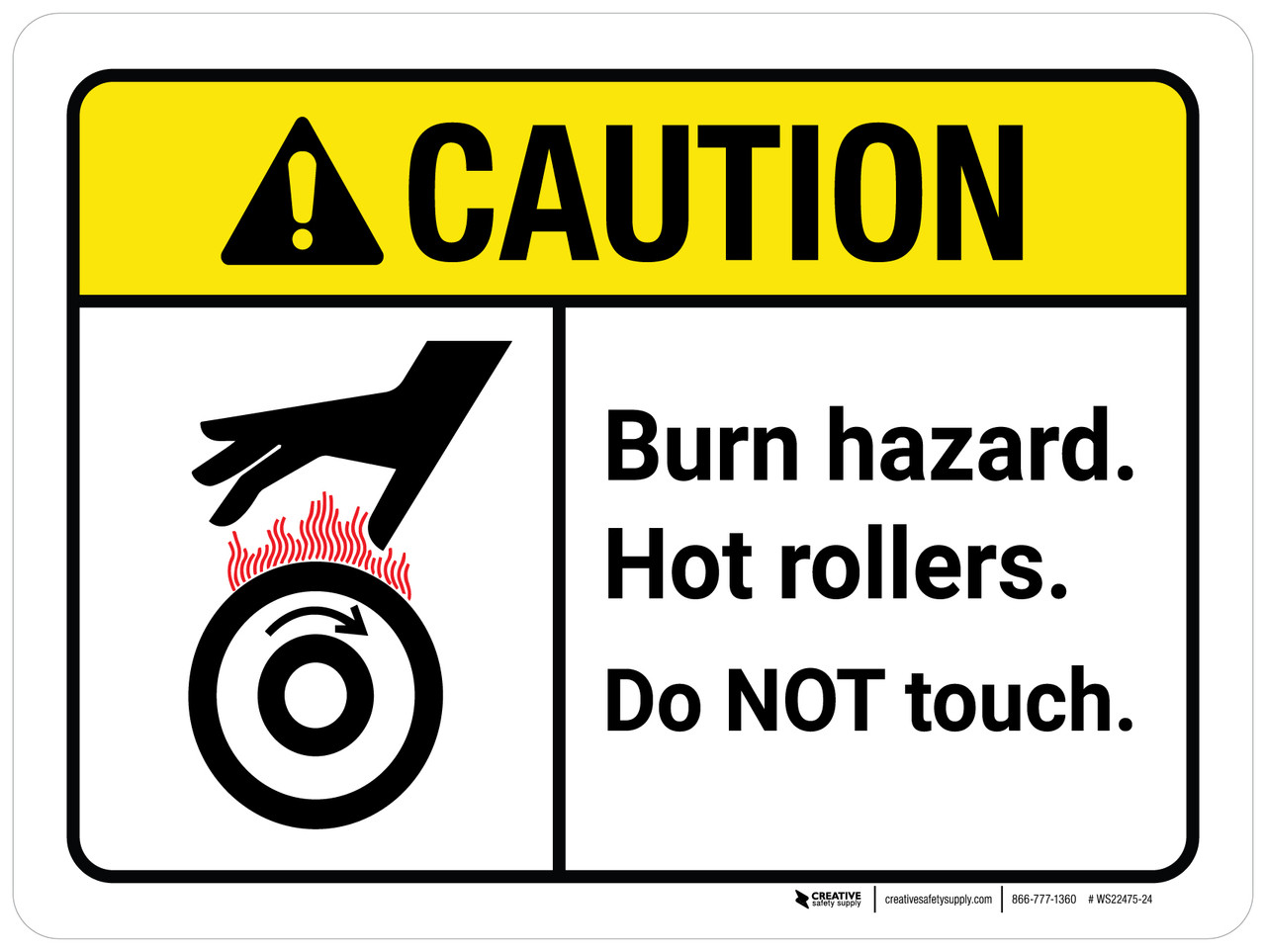
Roller burns—frictional thermal injuries caused by rapid skin contact with moving mechanical rollers, conveyor belts, printing presses, industrial laminators, and fitness equipment—represent a critical occupational and recreational haz...
Roller burns—frictional thermal injuries caused by rapid skin contact with moving mechanical rollers, conveyor belts, printing presses, industrial laminators, and fitness equipment—represent a critical occupational and recreational hazard. As manufacturing lines, gym machinery, and automated processing plants accelerate production efficiency in 2026, the mechanical forces and localized heat generated by rotating cylinders continue to pose severe clinical risks. This guide explores the mechanical etiology of roller burns, immediate emergency protocols, advanced wound care management, and regulatory safety benchmarks designed to protect operators and athletes alike.
Contents
The Mechanics of Roller Burns: How Friction and Pressure Create Severe Tissue Damage
When skin or protective apparel makes contact with a counter-rotating or single high-speed roller, a complex chain of physical forces is unleashed instantaneously. Unlike static thermal burns caused by scalding liquids or open flames, roller burns combine mechanical shear stress, intense kinetic friction, and rapid localized compression.
As the material is pulled into the nip point—the space where two converging rollers meet—the outer epidermal layers experience extreme lateral tension. This friction coefficient spikes within milliseconds, converting mechanical energy into thermal energy that can easily exceed 70 degrees Celsius (158 degrees Fahrenheit). The resulting trauma is often misclassified as a simple friction abrasion, but the underlying pathology closely mirrors a deep partial-thickness or full-thickness thermal burn combined with crush injuries.
- Frictional Heat Generation: Rapid surface sliding strips the stratum corneum and denatures cellular proteins on contact.
- Shearing Stress: Subcutaneous blood vessels are violently stretched and ruptured, leading to immediate hematoma formation and localized tissue ischemia.
- Compression Trauma: Deep muscle fascia and nerves can sustain crush damage, complicating standard burn healing trajectories.
- Contaminant Inoculation: Industrial rollers frequently carry machine oils, metal shavings, and micro-debris that deeply penetrate open wounds, drastically increasing infection risks.
Clinical Classification and Wound Depth Assessment
Accurately staging a roller burn requires specialized medical evaluation because the combined nature of the injury can mask the true depth of tissue necrosis during the first 24 to 48 hours. Occupational health physicians and emergency clinicians categorize these injuries based on standard thermal burn metrics while accounting for mechanical compromise.
Clinical Evaluation Standard Medical professionals must continuously monitor roller burn patients for compartment syndrome, a dangerous condition where swelling within enclosed muscle compartments cuts off blood flow. Immediate surgical intervention or fasciotomy may be required if distal pulses diminish or if unrelenting pain persists despite analgesics.
The following matrix outlines the clinical characteristics, healing expectations, and standard intervention protocols for the spectrum of roller burn severities encountered in industrial and fitness environments.
| Burn Classification | Clinical Presentation | Tissue Depth Affected | Typical Healing Time | Primary Intervention Protocol |
|---|---|---|---|---|
| First-Degree (Superficial) | Erythema, mild localized pain, no blistering. | Epidermis only. | 3 to 7 days with minimal scarring. | Cool running water, aloe vera, barrier creams, and non-adherent dressings. |
| Second-Degree (Partial-Thickness) | Severe pain, fluid-filled blisters, wet weeping surface, blanching with pressure. | Epidermis and upper-to-deep dermis. | 14 to 28 days; risk of pigment changes. | Debridement of loose tissue, antimicrobial silver dressings, and close monitoring. |
| Third-Degree (Full-Thickness) | Leathery texture, charred or white appearance, insensate (lack of pain due to nerve destruction). | Epidermis, entire dermis, and subcutaneous fat. | Months; requires skin grafting. | Surgical excision, specialized burn unit admission, and long-term physical therapy. |
Immediate First Aid and Emergency Response Protocol
When a roller burn occurs, the speed and accuracy of initial first aid directly dictate the final scarring outcome and infection vulnerability. Whether an incident happens on a heavy industrial printing press or an automated conveyor system, responders must act decisively.
- Immediate De-energization: Instantly hit the emergency stop (E-stop) switch or cut the power supply to the machinery. Never attempt to pull a trapped limb backward against the mechanical rotation if it risks worsening tissue shear. Reverse the roller mechanism safely if the machine design permits.
- Thermal Neutralization: Flush the affected area with cool (not freezing) running tap water for a minimum of 20 minutes. Avoid ice application, as extreme cold causes vasoconstriction and deepens cellular necrosis.
- Gentle Contaminant Removal: Carefully remove loose clothing or jewelry near the site. If fabric is melted or fused directly into the burn wound, do not forcibly rip it away; cut around it and leave removal to trained medical personnel.
- Sterile Cover: Protect the exposed tissue using a sterile, non-adherent dressing or a clean, lint-free cloth. Avoid applying home remedies such as butter, oils, or adhesive bandages directly onto open burn wounds.
- Seek Emergency Care: Transport the patient to the nearest specialized emergency department or occupational health center, especially if the burn covers a surface area larger than the palm of the hand, affects the hands, face, or joints, or shows signs of deep tissue charring.
Advanced Clinical Management and Rehabilitation
Treating a roller burn extends far beyond acute stabilization. Because these injuries involve both thermal destruction and mechanical shearing, multidisciplinary care teams—including plastic surgeons, physical therapists, and occupational health specialists—collaborate to restore full range of motion.
In 2026, advanced wound care protocols prioritize moist wound healing environments utilizing bio-engineered skin substitutes, negative pressure wound therapy (NPWT) for complex open wounds, and nanocrystalline silver dressings to prevent opportunistic bacterial colonization by pathogens like Pseudomonas aeruginosa.
As re-epithelialization occurs, scar management becomes paramount. Hypertrophic scarring and contractures are common complications of roller burns due to the vector forces involved. Patients are routinely fitted with custom compression garments, silicone sheeting, and subjected to aggressive physical therapy regimens to break down newly forming collagen bonds and prevent permanent joint stiffness.
Occupational Safety Standards and Injury Prevention in 2026
Preventing roller burns requires rigorous adherence to modern engineering controls and safety management systems. Regulatory bodies and facility managers enforce strict compliance protocols to eliminate nip point hazards across manufacturing, packaging, and fitness sectors.
- Nip Point Guards: Permanent or interlocking physical barriers must encase all converging roller assemblies to prevent accidental operator contact during active cycles.
- Emergency Trip Wire Systems: Perimeter safety cables and pull-cord trips must be installed within immediate arm's reach of all high-speed rolling machinery, allowing instant shutdown from any angle.
- Lockout/Tagout (LOTO) Compliance: Maintenance personnel must strictly execute zero-energy state verification procedures before clearing jams, cleaning cylinders, or performing mechanical adjustments.
- Mandatory Personal Protective Equipment (PPE): Workers operating near exposed rollers are strictly prohibited from wearing loose clothing, ties, dangling jewelry, or uncontained long hair. High-tensile, cut-resistant gloves must be evaluated carefully to ensure they do not catch in rotating mechanisms.
Frequently Asked Questions About Roller Burns
What makes a roller burn different from a standard thermal burn?
Roller burns combine thermal heat generated by friction with mechanical shear stress and intense pressure. This unique combination causes deep tissue destruction, vascular rupture, and crush injuries that require specialized medical evaluation compared to simple liquid scalds.
Can roller burns cause permanent nerve damage?
Yes, second-degree deep partial-thickness and third-degree roller burns can destroy dermal nerve endings, resulting in localized numbness. As the tissue attempts to heal or regenerate nerves, chronic neuropathic pain or hypersensitivity frequently develops.
What should I do if clothing is fused into a roller burn wound?
Do not attempt to forcefully pull melted or fused fabric away from the skin, as this tears fragile underlying tissue and increases infection risk. Cut around the adhered material, cover the area loosely with a sterile dressing, and seek emergency medical treatment immediately.
Are roller burns common in fitness facilities?
While less frequent than industrial incidents, roller burns can occur in commercial and home gyms when users make direct skin contact with motorized treadmills, massage rollers, or weight-training cable pulleys moving at high speeds.
How long does a typical roller burn take to heal?
Healing timelines vary dramatically based on injury severity. Superficial burns may resolve within a week, while deep partial-thickness injuries can take up to a month. Severe third-degree roller burns often require surgical debridement, skin grafts, and months of rehabilitation.
Conclusion and Professional Safety Consultation
Roller burns present a severe clinical challenge that demands immediate first aid, specialized medical intervention, and rigorous industrial safety measures. By understanding the mechanical forces behind these injuries and enforcing strict engineering controls, facility operators and safety professionals can drastically reduce workplace accidents. For organizations seeking comprehensive safety audits, machinery guard retrofits, or occupational health response planning, consult certified industrial hygienists and regional safety compliance officers to ensure your facility meets all current 2026 standards.
Image Gallery