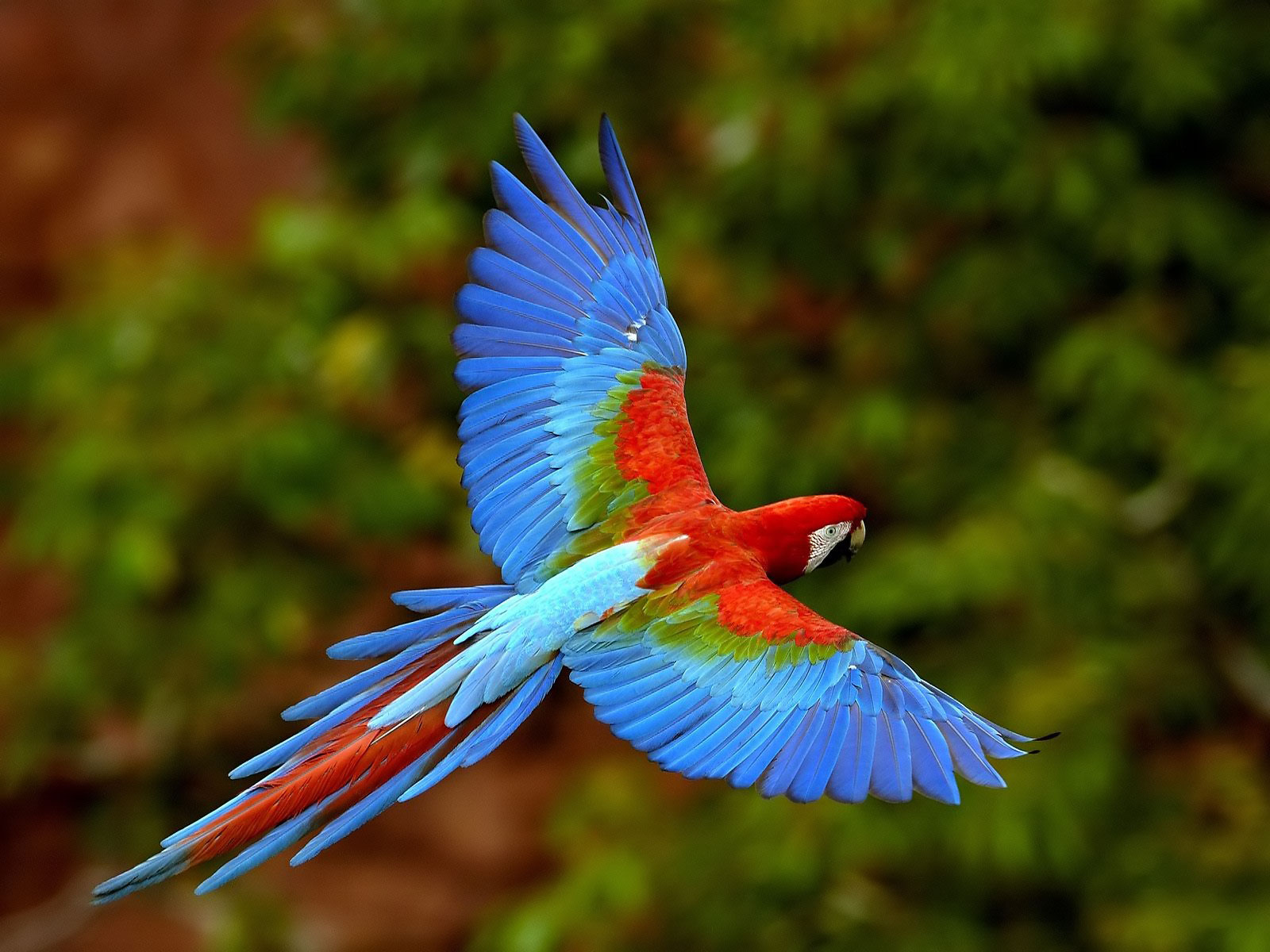
What Is Considered a Wild Animal? Definitions, Traits, and Legal Classifications
A wild animal is any species that lives and grows in its natural environment without human intervention, maintaining its ancestral genetic traits and behavioral patterns. Unlike domesticated animals, wild animals are not selectively br...
A wild animal is any species that lives and grows in its natural environment without human intervention, maintaining its ancestral genetic traits and behavioral patterns. Unlike domesticated animals, wild animals are not selectively bred for human companionship or utility and typically sustain themselves within complex, self-regulating ecosystems independent of human care.
Contents
In 2026, the distinction between wild and domestic animals remains a cornerstone of environmental law, conservation biology, and public safety. As urban expansion continues to encroach upon natural habitats, understanding what constitutes a "wild" animal is no longer just a matter of biological curiosity; it is a vital component of legal compliance, ethical wildlife management, and ecological preservation.
The Biological Foundation of Wild Animals
At its most fundamental level, a wild animal is defined by its evolutionary history and its relationship—or lack thereof—with human selection. While a domesticated dog or cow has undergone thousands of years of selective breeding to favor traits like docility, increased milk production, or specific aesthetic features, a wild animal is the product of natural selection.
Genetic Independence
The primary differentiator is genetic. Wild animals possess a genome that has evolved to maximize survival in a specific niche. This includes physical adaptations for hunting, foraging, or defense, and complex instinctual behaviors that are hard-coded into their DNA. Even if a wild animal is born in a zoo or a rehabilitation center in 2026, it remains a wild animal because its genetic makeup has not been altered through the process of domestication.
Behavioral Autonomy
Wild animals exhibit "wild" behaviors, which are survival-oriented actions independent of human prompts. These include:
- Self-Sustainment: The ability to find food, water, and shelter within their habitat.
- Natural Social Structures: Forming packs, herds, or solitary territories based on species-specific needs rather than human-imposed grouping.
- Avoidance of Humans: Most wild animals possess a natural "flight or fight" response when encountering humans, a trait essential for their survival in the wild.
Wild vs. Domesticated vs. Tame: Clearing the Confusion
One of the most common points of confusion in wildlife education is the difference between a "tame" animal and a "domesticated" one. These terms are often used interchangeably in casual conversation, but in technical and legal contexts, they represent vastly different realities.
The Domestication Process
Domestication is a multi-generational genetic process. It involves humans selecting specific individuals within a population to breed, thereby amplifying desired traits over hundreds or thousands of years. Species like horses, sheep, and cats are domesticated. They have been biologically altered to live alongside humans.
The Concept of Taming
Taming is a behavioral modification of an individual animal, not a change in the species. A "tame" lion or hawk has been conditioned to tolerate human presence and perhaps obey certain commands, but it remains a wild animal. Its instincts, physical capabilities, and genetic requirements remain identical to those of its counterparts in the wild. Taming does not remove the inherent risks associated with wild animals, nor does it make them suitable for domestic life.
Feral Animals: The Middle Ground
A feral animal is a domesticated animal that has returned to a wild state. Examples include feral hogs or stray cat colonies. While these animals may behave like wild animals—finding their own food and avoiding humans—they are biologically domesticated. This distinction is crucial for wildlife management in 2026, as feral species often become invasive, disrupting the balance of local ecosystems because they do not "fit" into the natural food web like indigenous wild species.
Legal and Regulatory Definitions of Wild Animals
From a regulatory standpoint, the definition of a wild animal is often codified to manage public safety, prevent the spread of zoonotic diseases, and protect endangered species. Jurisdictions in 2026 generally categorize wild animals based on their native status and the potential danger they pose.
Native vs. Exotic Wildlife
Laws often distinguish between native wild animals (those naturally occurring in a specific region) and exotic wild animals (those introduced from other parts of the world). Native wildlife is typically protected by state or national conservation agencies, such as the U.S. Fish and Wildlife Service or the European Environment Agency. Exotic wild animals are often subject to strict import and possession laws to prevent them from becoming invasive or posing a threat to local biodiversity.
Dangerous Wild Animal Acts
Many regions have implemented "Dangerous Wild Animal Acts" which list specific species that cannot be kept as pets. These usually include:
- Large Carnivores: Lions, tigers, bears, and wolves.
- Non-Human Primates: Chimpanzees, gorillas, and macaques.
- Venomous Reptiles: Certain snakes and lizards whose bites or stings can be fatal.
- Large Constrictors: Heavy-bodied snakes like pythons or boas that pose a physical risk.
| Category | Typical Species Examples | Legal Status (General) | Biological Status |
|---|---|---|---|
| Native Wildlife | Whitetail Deer, Bald Eagle, Red Fox | Highly protected; usually illegal to keep as pets. | Wild |
| Exotic Wildlife | Capybara, African Grey Parrot | Requires permits; restricted trade under CITES. | Wild |
| Dangerous Wildlife | Bengal Tiger, King Cobra | Strictly prohibited or requires professional licensure. | Wild |
| Domesticated | Labrador Retriever, Holstein Cow | Legally considered property; high human dependency. | Domesticated |
| Feral | Feral Swine, Mustangs | Often managed as invasive species or "nuisance" wildlife. | Biologically Domestic |
The Ecological Role of Wild Animals
A wild animal is not just an individual entity; it is a functional component of an ecosystem. This ecological context is a major part of what makes them "wild." In 2026, ecologists emphasize the "niche" that wild animals fill, which helps maintain the health of our planet.
Apex Predators and Trophic Cascades
Wild predators, such as wolves or sharks, regulate the populations of prey species. Without these wild animals, herbivore populations can explode, leading to overgrazing and the collapse of local plant life. This "top-down" regulation is a hallmark of a functioning wild environment.
Seed Dispersers and Pollinators
Many wild animals, from birds to primates, play a critical role in plant reproduction. By consuming fruits and moving across large distances, they disperse seeds in their waste, ensuring the genetic diversity of forests. Similarly, wild insects and bats act as pollinators for countless plant species, many of which are essential for human agriculture.
Common Misconceptions About Wild Animals
As human-wildlife interactions increase, several myths persist regarding what constitutes a wild animal and how they behave.
1. "If it's friendly, it's not wild." An animal’s lack of fear toward humans (often called "habituation") does not change its biological status. Squirrels in city parks may approach humans for food, but they remain wild animals with wild nutritional needs and unpredictable behaviors. Habituation is often dangerous for the animal, as it leads to "nuisance" behavior that may result in the animal being euthanized by authorities.
2. "Wild animals are only found in the wilderness." In 2026, many wild animals have adapted to urban and suburban environments. Coyotes, raccoons, and peregrine falcons are frequently found in major cities. These are still considered wild animals because they hunt and survive independently, even if their "habitat" happens to be a concrete jungle.
3. "Small animals aren't wild animals." Size has no bearing on the definition. A wild mouse, a butterfly, or a frog is just as much a wild animal as an elephant or a whale. Each follows the same rules of natural selection and ecological independence.
Why We Must Distinguish Wild Animals
Defining what is considered a wild animal is essential for three primary reasons:
1. Conservation and Ethics
Wild animals have specific environmental and social needs that cannot be met in a domestic setting. Recognizing an animal as "wild" helps prevent the unethical practice of keeping unsuitable species as pets, which often leads to physical and psychological distress for the animal.
2. Public Health and Safety
Wild animals are reservoirs for various diseases (zoonoses) that can jump to humans, such as rabies or certain avian flus. Maintaining a clear distinction helps public health officials create barriers—such as vaccination zones or hunting regulations—to protect human populations.
3. Legal Responsibility
From a liability perspective, the law treats "wild" and "domestic" animals differently. Owners of domestic animals are generally liable for their pets' actions, whereas "wild" animals are often considered ferae naturae (of a wild nature), and no one "owns" them while they are in their natural state. However, if a person brings a wild animal into a domestic setting, they often face "strict liability" for any harm it causes, regardless of the precautions taken.
Practical Recommendations for Interacting with Wildlife
When encountering what you suspect is a wild animal, follow these guidelines to ensure both your safety and the animal's welfare:
- Maintain Distance: Use binoculars or long lenses for viewing. Never approach a wild animal, especially if it appears young or vulnerable, as the mother is likely nearby.
- Do Not Feed: Feeding wild animals disrupts their natural foraging habits and causes them to associate humans with food, leading to aggressive behavior.
- Secure Attractants: In suburban areas, keep trash cans sealed and pet food indoors to avoid attracting wild animals like bears or raccoons to your home.
- Contact Professionals: If you find an injured wild animal, do not attempt to rescue it yourself. Contact a licensed wildlife rehabilitator or your local fish and wildlife agency.
Frequently Asked Questions
Are stray cats considered wild animals? No, stray cats are considered feral. While they may survive on their own and avoid humans, they are biologically domesticated (Felis catus). They do not fill a natural ecological niche in most environments and are often classified as an invasive species rather than native wildlife.
Can a wild animal ever truly become a pet? While some people keep wild animals, they do not become "pets" in the traditional sense. They remain wild animals living in captivity. Their instincts and needs remain unchanged, and they often become unmanageable or dangerous as they reach sexual maturity, leading to many being abandoned or sent to sanctuaries.
What is the difference between "wildlife" and "wild animals"? "Wildlife" is a broad collective term that includes not just wild animals (fauna) but often the plants (flora) and other organisms within an ecosystem. "Wild animal" specifically refers to individual members of non-domesticated animal species.
Is a zoo animal still considered a wild animal? Yes. Zoos house wild animals for conservation, education, and research. While these individuals may be habituated to keepers and live in enclosures, they are genetically wild. Most modern zoo programs in 2026 focus on preserving these wild traits to ensure that, if necessary, the species could eventually be reintroduced to their natural habitats.
Why are some wild animals called "nuisance wildlife"? This is a management term used for wild animals that interfere with human activities, such as raccoons nesting in attics or deer eating commercial crops. Calling them "nuisance" wildlife is a legal designation that allows for specific management actions, but it does not change their status as wild creatures.
Image Gallery