Damon Wayans: The Career, Impact, and Legacy of the Iconic Actor and Comedian
Damon Wayans is an influential American actor, stand-up comedian, writer, and producer who redefined sketch comedy in the 1990s as a star and co-creator of In Living Color. Known for memorable characters like Homey D. Clown and leading...
Damon Wayans is an influential American actor, stand-up comedian, writer, and producer who redefined sketch comedy in the 1990s as a star and co-creator of In Living Color. Known for memorable characters like Homey D. Clown and leading roles in Major Payne and My Wife and Kids, Wayans built a multi-decade career across stand-up, cinema, and network television.
Contents
Early Life and Stand-Up Comedy Roots
Born on September 4, 1960, in Harlem, New York, Damon Kyle Wayans grew up in a large, creative household as one of ten children raised by Howell Wayans, a supermarket manager, and Elvira Wayans, a social worker and singer. Growing up in public housing, Wayans developed his comedic instincts early in life as a coping mechanism and a way to stand out among his gifted siblings. As a child, he wore leg braces to correct a clubbed foot, an experience that honed his self-deprecating wit and physical resilience—traits that later became hallmarks of his physical comedy on stage and screen.
Wayans launched his professional stand-up comedy career in 1982, performing in local New York comedy clubs. His sharp observational humor, impression talent, and kinetic physical delivery quickly earned him industry attention. In 1984, he landed his first feature film appearance with a brief cameo in Beverly Hills Cop, playing a flamboyant hotel room service waiter who hands Eddie Murphy a banana.
This early exposure led to a cast membership spot on NBC's Saturday Night Live (SNL) during the 1985–1986 season. However, Wayans' tenure on SNL was brief and tumultuous. Frustrated by limited airtime and creative restrictions, Wayans took a major professional gamble during a live broadcast by improvising a minor police officer character as openly gay without prior script approval. The unexpected ad-lib resulted in his immediate termination from the show by executive producer Lorne Michaels. Rather than harming his career, this act of creative defiance highlighted Wayans' desire for artistic control and paved the way for his groundbreaking collaborative work with his brother, Keenen Ivory Wayans.
The Revolution of In Living Color
In 1990, Damon Wayans partnered with his older brother Keenen Ivory Wayans to launch In Living Color, a sketch comedy series on the Fox network designed to challenge the predominantly white television landscape. The show featured a predominantly Black cast, an edgy hip-hop soundtrack, live dancers (the Fly Girls), and sharp socio-political satire. It became an immediate cultural phenomenon, providing a counter-cultural alternative to mainstream sketch shows and launching the careers of Jim Carrey, Jamie Foxx, and Jennifer Lopez.
Key Sketch Highlights: - Homey D. Clown: Satirized institutional marginalization and racial expectations. - Men on Film: Cultural criticism delivered with theatrical flair and humor. - Anton Jackson: Physical comedy and absurd philosophy in an urban setting.
Wayans served as both a principal performer and a core writer for the series, creating several of television's most enduring sketch characters:
- Homey D. Clown: A former convict working as a children's party clown as part of his parole, Homey refused to perform humiliating tricks for spoiled children, delivering his iconic catchphrase, "Homey don't play dat!" while bopping patrons with a soft bat. The character offered a layered commentary on systemic oppression, racial expectations, and individual dignity.
- Blaine Edwards: Appearing alongside David Alan Grier in the recurring "Men on Film" sketches, Wayans played a wildly expressive film critic whose reviews featured memorable catchphrases like "Two snaps up, in a circle!" The sketches parodied contemporary pop culture and media review formats.
- Anton Jackson: A filthy, philosophical unhoused man who drank cheap wine out of a paper bag and offered absurd life advice on fake public access broadcasts, showcasing Wayans' ability to combine high-energy physical commitment with sharp writing.
For his work on In Living Color, Wayans received four Emmy Award nominations between 1990 and 1992 for outstanding writing and performing, solidifying his reputation as one of the premier comedy creators of his generation.
Cinematic Career: Action Comedy, Satire, and Cult Classics
Following his departure from In Living Color in 1992, Wayans transitioned into a successful movie career as a leading man, screenwriter, and executive producer. He focused on blending physical comedy with high-stakes action and character-driven satire.
The Last Boy Scout (1991)
Wayans co-starred alongside Bruce Willis in the Tony Scott-directed action thriller The Last Boy Scout. Playing Jimmy Dix, a disgraced former professional football star who teams up with a cynical private investigator, Wayans demonstrated his capability to hold his own in big-budget Hollywood action cinema. His chemistry with Willis and sharp comedic timing helped the film become a cult favorite in the buddy-cop subgenre.
Mo' Money (1992) and Blankman (1994)
Wayans showcased his writing and producing abilities with Mo' Money, a romantic comedy-crime film in which he starred as a small-time con artist who takes a corporate job to win over a woman (played by Stacey Dash), only to get wrapped up in a credit card fraud scheme. In 1994, he wrote and starred in Blankman, a superhero parody co-starring David Alan Grier. Playing Edward Ackers, a naive inventor who creates a low-tech superhero persona to clean up his neighborhood, Wayans delivered a warm, slapstick-driven performance that parodied the comic book genre long before superhero films dominated the box office.
Major Payne (1995)
Perhaps Wayans' most enduring cinematic hit, Major Payne featured him as Benson Winifred Payne, a hardened, recently discharged U.S. Marine Corps officer who takes a job leading a ragtag ROTC cadet unit at a private military academy. Wayans co-wrote the screenplay, loosely basing it on the 1955 film The Private War of Major Benson. His distinctive vocal cadence, strict physical posture, and precise comedic delivery produced memorable quotes and cemented the film as a nineties comedy staple.
Bamboozled (2000)
In Spike Lee's biting satirical film Bamboozled, Wayans delivered one of his most critically acclaimed dramatic performances as Pierre Delacroix, a frustrated Black television executive who creates a modern minstrel show in an attempt to expose corporate hypocrisy, only for the show to become an unironic hit. The role demonstrated Wayans' range beyond pure comedy, allowing him to tackle dark thematic material regarding media representation and systemic racism.
Prime-Time Television and Sitcom Success
In the 2000s and beyond, Wayans shifted his focus back to broadcast television, building a legacy as a executive producer and network star.
My Wife and Kids (2001–2005)
Co-created by Wayans and Don Reo, the ABC sitcom My Wife and Kids starred Wayans as Michael Kyle, the patriarch of an upper-middle-class African American family in Connecticut. Across five seasons and 123 episodes, the series earned strong ratings and widespread syndication. Wayans brought a fresh perspective to television fatherhood, using tough-love parenting tactics, practical jokes, and sarcastic humor to navigate raising three children alongside his wife, Jay (played by Tisha Campbell). Wayans earned multiple BET Comedy Awards and People's Choice Award nominations for his performance.
Lethal Weapon (2016–2019)
Wayans returned to network drama-comedy in the Fox television adaptation of the classic film franchise Lethal Weapon. Taking on the iconic role of LAPD Detective Roger Murtaugh, Wayans brought warmth, humor, and veteran action chops to the character across three seasons, balancing domestic family scenes with high-octane police procedural elements.
Poppa's House (2024–Present)
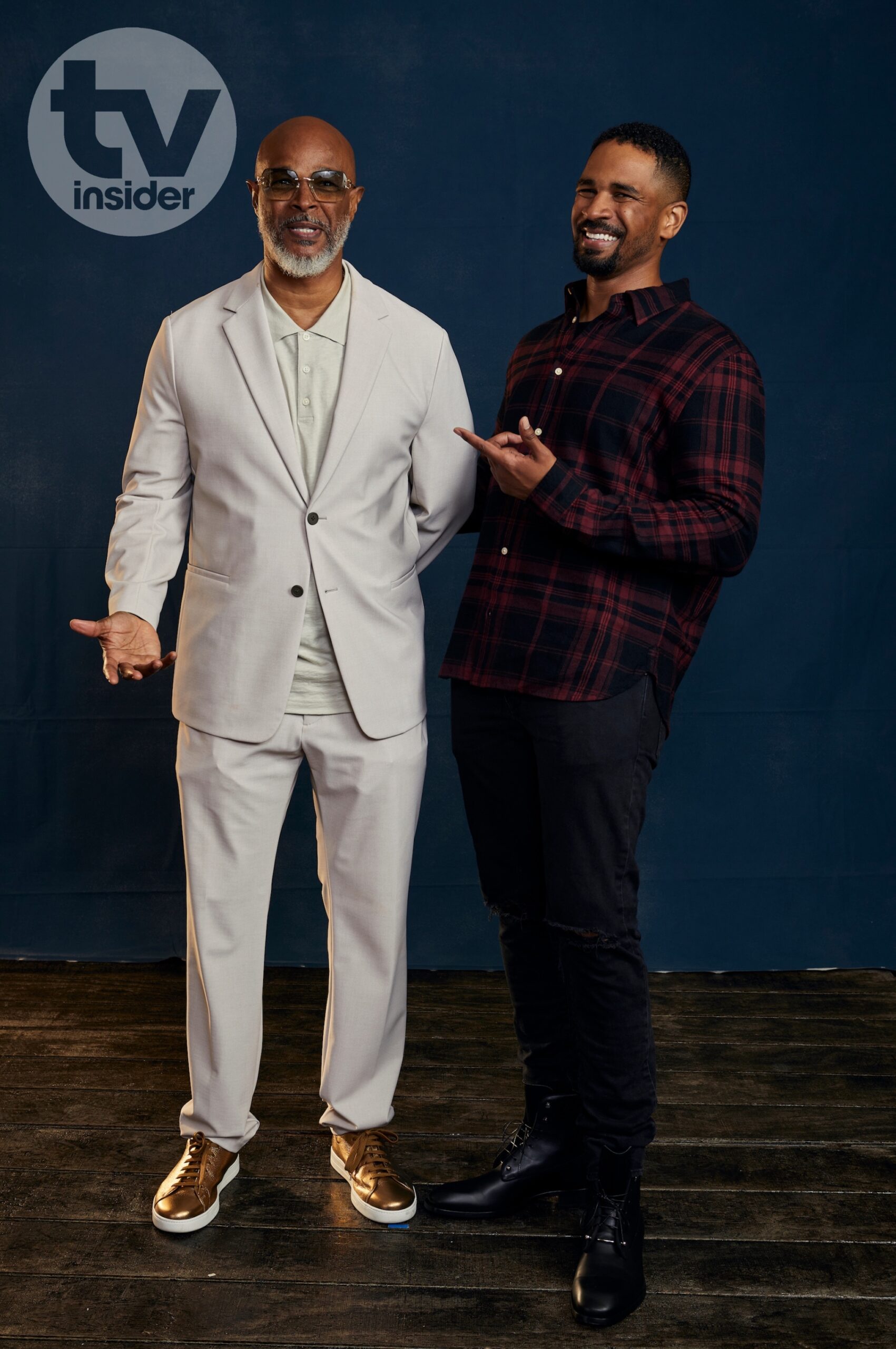
Continuing his work in multi-camera comedy, Wayans partnered with his son, actor-comedian Damon Wayans Jr., for the CBS sitcom Poppa's House. Wayans stars as a legendary, opinionated talk radio host navigating work life alongside a new co-host while guiding his adult son, offering audiences a rare, real-life father-son comedy dynamic on prime-time television.
Key Career Milestones and Works
The following table summarizes the primary projects across Damon Wayans' multi-decade career, detailing his creative involvement and the historical impact of each title:
| Project Title | Release Years | Role / Format | Key Contributions |
|---|---|---|---|
| Saturday Night Live | 1985–1986 | Cast Member / TV | Brief tenure that demonstrated his insistence on creative control. |
| In Living Color | 1990–1992 | Co-Creator, Writer, Star | Created iconic characters like Homey D. Clown; revolutionized TV sketch comedy. |
| The Last Boy Scout | 1991 | Lead Actor / Feature Film | Established his versatility in high-budget action-comedy opposite Bruce Willis. |
| Mo' Money | 1992 | Writer, Producer, Star | Early example of his multi-hyphenate film leadership in romantic crime-comedy. |
| Major Payne | 1995 | Co-Writer, Executive Producer, Star | Created a classic comedic character in a box-office success. |
| Bamboozled | 2000 | Lead Actor / Feature Film | Played Pierre Delacroix in Spike Lee's satire on media representation. |
| My Wife and Kids | 2001–2005 | Co-Creator, Executive Producer, Star | Headlined hit ABC sitcom; redefined 2000s television fatherhood. |
| Lethal Weapon | 2016–2019 | Lead Actor / TV Series | Played Detective Roger Murtaugh in Fox's reboot of the action franchise. |
| Poppa's House | 2024–Present | Executive Producer, Co-Star | Co-stars alongside his son, Damon Wayans Jr., on CBS network comedy. |
The Wayans Family Dynasty and Creative Philosophy
Damon Wayans is a pivotal member of the Wayans family, often regarded as one of the most successful entertainment dynasties in American comedy history. Alongside his brothers Keenen Ivory, Shawn, and Marlon, and his sister Kim, the family established a collaborative pipeline that produced sketch shows, film franchises (such as Scary Movie), and sitcoms over three decades.
The Wayans Creative Method: - High physical energy paired with meticulous facial work. - Subversion of authority figures and institutional rules. - Observational satire targeting societal hypocrisy. - Independent production control across writing and casting.
Wayans' creative philosophy centers on autonomy and direct connection with audiences. Rather than relying on traditional studio systems, he has consistently written and produced his own material, ensuring that Black perspectives, physical comedy, and sharp family humor remain central to his projects. This independent spirit extended to his literary pursuits; in 2000, Wayans authored the New York Times bestseller Bootleg, a humorous collection of essays discussing marriage, raising children, and family dynamics.
His influence extends to the next generation of performers, most visibly in his son Damon Wayans Jr., who has established his own successful career in film (Let's Be Cops) and television (New Girl, Happy Endings).
Frequently Asked Questions
Why was Damon Wayans fired from Saturday Night Live?
Damon Wayans was fired from Saturday Night Live in 1986 after changing his performance during a live broadcast without executive permission. Frustrated by script cuts and minor roles, he played a minor police officer character as flamboyantly gay during a sketch. Producer Lorne Michaels fired him immediately after the show aired due to the unauthorized break from the script.
What was the inspiration behind Homey D. Clown on In Living Color?
Homey D. Clown was created by Damon Wayans as a satire on systemic prejudice, forced corporate conformity, and tokenism. The character, an ex-con working as a party clown, refused to compromise his dignity or perform degrading tricks for money, coining the famous phrase "Homey don't play dat!" as a rejection of societal expectations.
Are Damon Wayans and Damon Wayans Jr. related?
Yes, Damon Wayans Jr. is the real-life son of Damon Wayans. Both are accomplished stand-up comedians and actors who have collaborated on television projects, including the sitcom Poppa's House.
Has Damon Wayans won any major awards for his work?
Damon Wayans has received four Primetime Emmy Award nominations for his writing and performances on In Living Color. He has also won multiple BET Comedy Awards, a People's Choice Award nomination, and several NAACP Image Award nominations for his work on My Wife and Kids.
What stand-up comedy specials has Damon Wayans produced?
Wayans has performed numerous stand-up routines throughout his career, including featured sets on HBO's One Night Stand series and his solo special Damon Wayans: The Underground. His stand-up emphasizes physical impressions, observational commentary on family life, and social commentary.
Next Steps for Fans and Media Researchers
To fully appreciate Damon Wayans' contributions to television history and stand-up comedy, consider exploring his body of work chronologically:
- Explore Early Sketch Work: Watch seasons 1 through 3 of In Living Color to observe how Wayans helped modernize sketch comedy and pioneer multicultural network television.
- Review Feature Comedy Films: Stream Major Payne and The Last Boy Scout to analyze his transition from live television to action-comedy film lead.
- Examine Television Sitcom Architecture: Watch key episodes of My Wife and Kids to evaluate how Wayans altered traditional family sitcom formulas during the early 2000s.
- Track Contemporary Projects: Follow his current network work on CBS's Poppa's House to see how he continues to evolve his comedic style alongside his son, Damon Wayans Jr.
Image Gallery