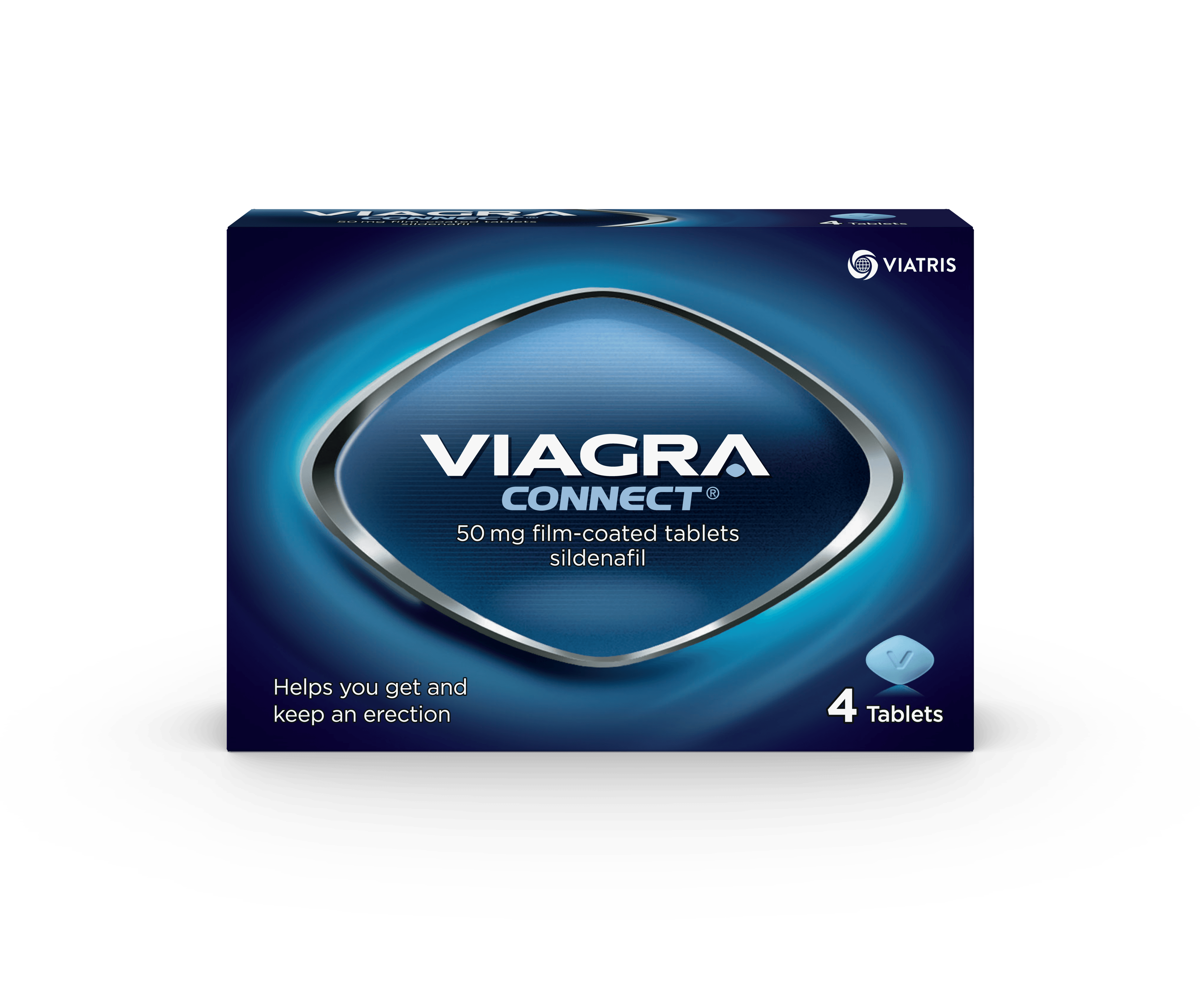
Understanding Optimal Timing: How Long Before to Take Viagra
The generally recommended window for taking Viagra (sildenafil citrate) is approximately 30 to 60 minutes before engaging in sexual activity. While it can begin working as quickly as 30 minutes post-ingestion, the medication’s peak pla...
The generally recommended window for taking Viagra (sildenafil citrate) is approximately 30 to 60 minutes before engaging in sexual activity. While it can begin working as quickly as 30 minutes post-ingestion, the medication’s peak plasma concentration typically occurs within one hour, providing the most reliable window for effect within the following four hours.
Contents
The Mechanism of Action and Onset
Viagra is a phosphodiesterase type 5 (PDE5) inhibitor. Its primary function is to increase blood flow to the penis by relaxing the smooth muscles in the blood vessels, but it does not function as an automatic trigger for an erection. To work effectively, sexual stimulation is a fundamental prerequisite.
When you take the tablet, it undergoes absorption in the gastrointestinal tract. The "30 to 60 minutes" guideline exists because this is the time required for the active ingredient, sildenafil, to reach sufficient concentrations in the bloodstream to inhibit the PDE5 enzyme effectively. If you take the medication too soon after a heavy meal—specifically one high in fat—you may notice a delayed onset. Fat molecules can coat the stomach lining and slow down the absorption rate of the medication, potentially pushing the effective onset time toward the 90-minute or two-hour mark.
The Window of Effectiveness
While the medication is designed to be taken "as needed," it is important to understand that its presence in your system is finite. Most clinical guidelines suggest that the effects of Viagra are most pronounced within the first four hours after ingestion.
It is a common misconception that the drug provides a "constant" erection for those four hours. Instead, it creates a physiological environment where the body is more responsive to sexual stimuli. If sexual arousal occurs during this window, the drug assists the body in achieving and maintaining an erection. As the medication is metabolized by the liver—primarily through the CYP3A4 enzyme pathway—the concentration in the blood begins to decline, and the ease of achieving an erection will gradually diminish.
Factors That Influence Timing and Efficacy
Several variables can alter how long it takes for Viagra to work or how well it performs for an individual. Recognizing these factors can help you better manage your expectations and ensure the medication is used safely.
- Dietary Intake: As previously noted, high-fat meals (such as steak, fried foods, or cheese-heavy dishes) can significantly delay absorption. For the fastest response, it is generally advised to take the medication on an empty stomach or after a light meal.
- Alcohol Consumption: While moderate alcohol use is not strictly contraindicated, excessive alcohol can act as a central nervous system depressant and a vasodilator, which may make it harder to achieve an erection, effectively working against the goal of the medication.
- Dosage Strength: Viagra is available in 25mg, 50mg, and 100mg dosages. A higher dose does not necessarily mean "faster" onset; rather, it increases the concentration of the drug available to inhibit PDE5. Adjustments to dosage must be made exclusively under the guidance of a physician.
- Underlying Health Conditions: Conditions such as diabetes, hypertension, or nerve damage can impact how the body responds to PDE5 inhibitors. If you are experiencing slower-than-expected results, it may be a reflection of overall vascular health rather than a failure of the medication itself.
Comparative Timing of Erectile Dysfunction Medications
When evaluating the timing of Viagra, it is helpful to understand how it compares to other common treatments in the PDE5 inhibitor class. These medications share a similar mechanism but differ in their pharmacokinetics—the way the body processes the drug.
| Medication | Generic Name | Typical Onset Time | Duration of Effect |
|---|---|---|---|
| Viagra | Sildenafil | 30–60 Minutes | 4–5 Hours |
| Levitra | Vardenafil | 25–60 Minutes | 4–5 Hours |
| Cialis | Tadalafil | 30–60 Minutes | Up to 36 Hours |
| Stendra | Avanafil | 15–30 Minutes | Up to 6 Hours |
This table illustrates that while Viagra is a standard for reliability, other options exist depending on whether the user requires a shorter onset time or a longer window of activity.
Safety and Medical Considerations
Viagra is a prescription medication that carries specific health risks, particularly for those with cardiovascular issues. It is strictly prohibited for use by individuals taking nitrates (often prescribed for chest pain), as the combination can lead to a dangerous, life-threatening drop in blood pressure.
Always ensure you are obtaining your medication from a licensed pharmacy. In 2026, the proliferation of counterfeit medications remains a significant safety concern. Only medications prescribed by a healthcare provider after an assessment of your medical history are considered safe. If you find that the standard timing (30–60 minutes) is not yielding the desired results, do not simply increase the dose on your own. Schedule a consultation with your doctor to discuss whether a change in medication, dosage, or lifestyle adjustments might be more appropriate.
Frequently Asked Questions
Does taking more than the prescribed dose make it work faster? No. Taking more than your prescribed dose does not speed up the onset of the medication and significantly increases the risk of side effects, such as headaches, flushing, dizziness, or the dangerous condition of priapism (a prolonged, painful erection lasting more than four hours).
What should I do if I forget to take it an hour before? If you take it closer to the time of activity, it may still work, but you risk having it peak after you have finished. Do not double up on doses to "make up" for lost time.
Can I take Viagra every day? Viagra is approved for use as an "as needed" medication, typically not to exceed one dose per 24-hour period. If you feel you need medication daily, discuss daily-use alternatives, such as low-dose tadalafil, with your doctor.
Why did it work once but not another time? Erectile dysfunction is often multifactorial. Anxiety, fatigue, relationship stress, or simply having a larger meal prior to taking the pill can cause variations in performance. Consistency in lifestyle and following the "empty stomach" recommendation can help stabilize results.
Are there natural alternatives that work like Viagra? There are many supplements marketed for performance, but they are not regulated with the same rigor as pharmaceutical drugs. Many lack evidence for safety or efficacy. Always prioritize FDA-approved treatments vetted by a medical professional.
Recommended Next Actions
If you are currently struggling with the timing or effectiveness of your medication, the most practical next step is to maintain a "treatment diary." Note the time of day you took the pill, what you ate, how long you waited before activity, and the level of success. Bring this record to your next appointment. This objective data allows your physician to make evidence-based adjustments to your treatment plan, ensuring you achieve the best possible results safely.
Image Gallery