A New Giant Sets Sail with Royal Caribbean: Navigating the Era of Star of the Seas
Royal Caribbean’s newest giant, Star of the Seas, represents the pinnacle of maritime engineering and family-focused vacationing in 2026. As the second Icon-class vessel, it features a gross tonnage of approximately 250,800, utilizing...
Royal Caribbean’s newest giant, Star of the Seas, represents the pinnacle of maritime engineering and family-focused vacationing in 2026. As the second Icon-class vessel, it features a gross tonnage of approximately 250,800, utilizing Liquefied Natural Gas (LNG) to provide a more sustainable, high-capacity cruising experience from its homeport in Port Canaveral.
Contents
The Evolution of the Icon Class: Why Size Matters in 2026
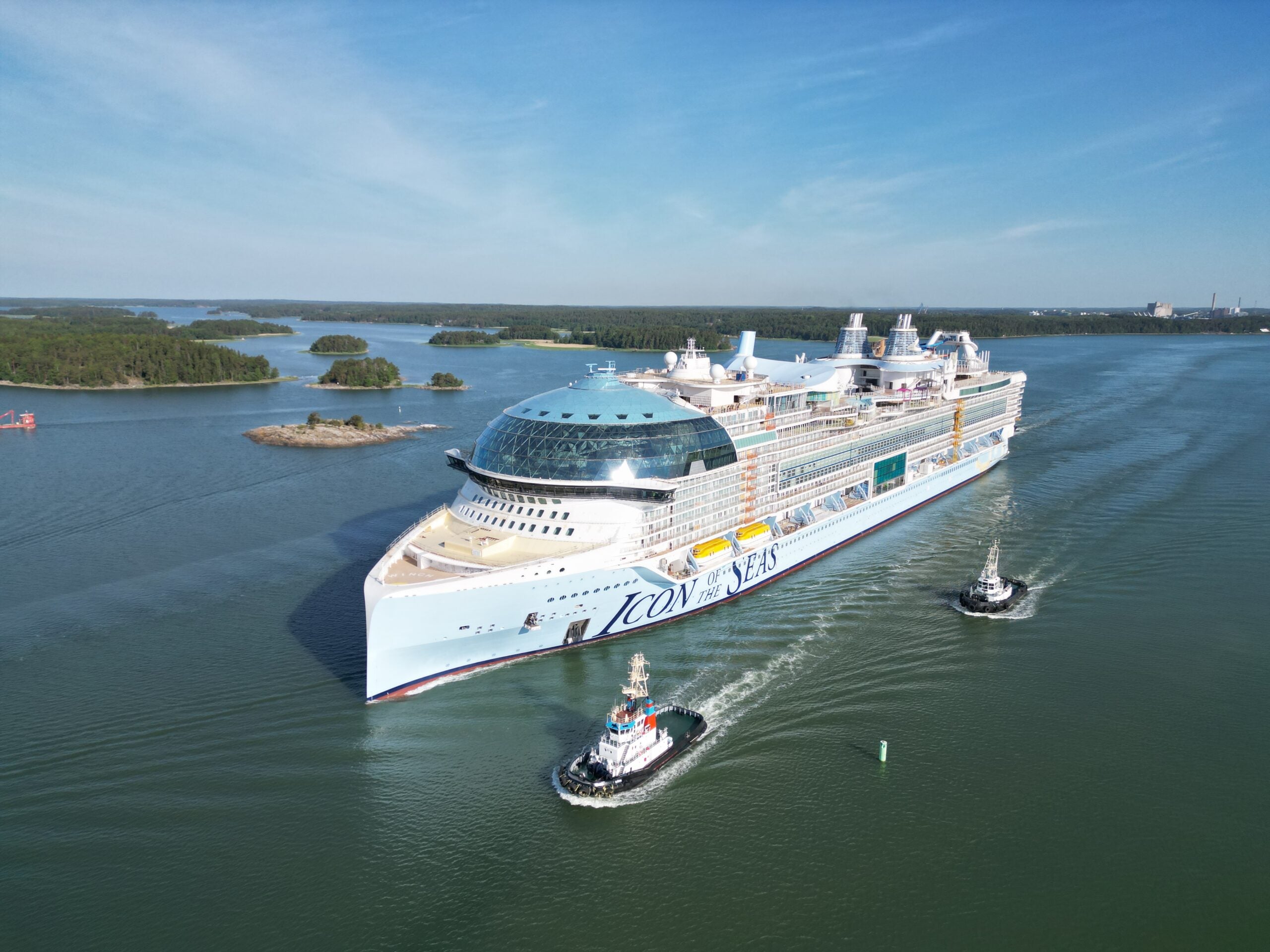
The maritime landscape has undergone a significant transformation since the introduction of the Icon of the Seas in 2024. As we move through 2026, the debut of its sister ship, Star of the Seas, solidifies Royal Caribbean’s dominance in the "mega-ship" category. The Icon class was designed not merely to be larger than the preceding Oasis class, but to fundamentally change how space is utilized at sea.
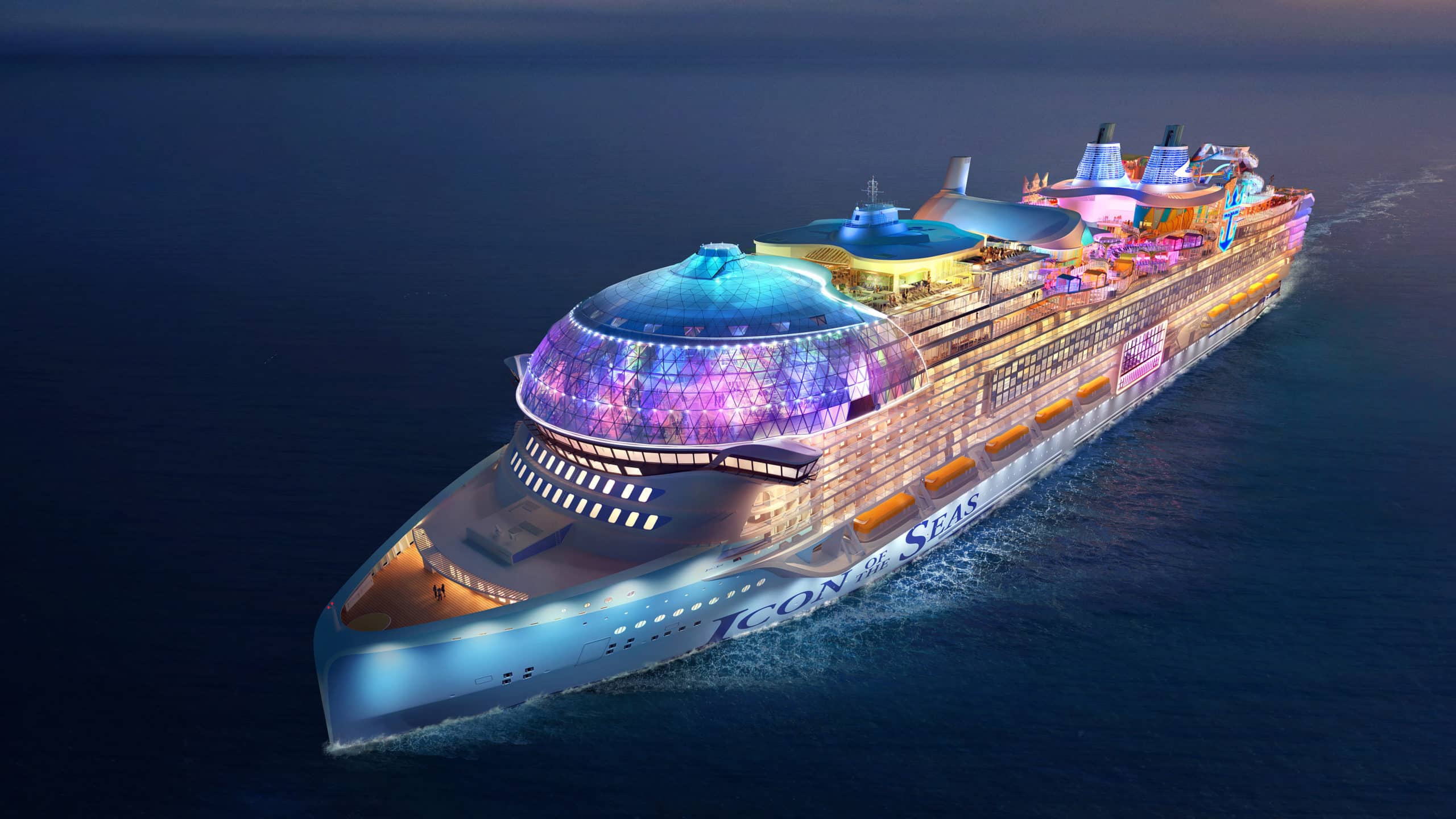
When we discuss a "new giant," we are referring to a vessel that balances massive scale with intricate guest-flow management. The engineering challenge for Star of the Seas was to accommodate over 7,600 passengers while maintaining a sense of intimacy and accessibility. This is achieved through the neighborhood concept, a structural philosophy that divides the ship into eight distinct areas. Each neighborhood serves a specific demographic or mood, preventing the "crowd fatigue" often associated with older generations of large-scale vessels.
From a technical perspective, the "giant" status is backed by record-breaking statistics. The ship spans nearly 1,200 feet in length and features 20 decks. However, the true innovation lies in its weight distribution and the use of the Parabolic Bow, a design feature that enhances stability and fuel efficiency by slicing through waves rather than riding over them.
Technical Specifications and Sustainable Engineering
For the technical-minded traveler or industry analyst, the Star of the Seas is a marvel of 2026 maritime technology. It is powered by six multi-fuel engines, primarily utilizing Liquefied Natural Gas (LNG). In the current environmental climate, this is a critical distinction, as LNG is the cleanest-burning marine fuel available at this scale, significantly reducing sulfur and nitrogen oxide emissions.
Energy Management and Waste-to-Energy Systems
Beyond the fuel source, the ship employs an advanced waste-to-energy system called MAPS (Microwave-Assisted Pyrolysis System). This technology converts shipboard waste into syngas, which can then be used to generate additional energy. This circular approach to waste management is a cornerstone of Royal Caribbean's "Destination Net Zero" initiative, which aims for net-zero emissions by 2050.
Furthermore, the ship utilizes fuel cell technology to power specific onboard operations, reducing the load on the main engines. This is supplemented by a sophisticated heat recovery system that captures excess heat from the engines to warm the ship’s massive water supply, including the thousands of gallons used in the Category 6 waterpark.
Shore Power Capabilities
In 2026, port regulations regarding emissions have become increasingly stringent. Star of the Seas is built with "plug-and-play" shore power capabilities. This allows the ship to turn off its engines entirely while docked in ports like Miami or Nassau, drawing electricity directly from the local grid—provided the port infrastructure supports it. This drastically reduces the carbon footprint of the vessel during its stay in Caribbean destinations.
Exploring the Eight Neighborhoods of Star of the Seas
To understand the scope of this new giant, one must examine the neighborhoods that define the guest experience. Royal Caribbean has refined these areas based on data collected from the first two years of Icon of the Seas' operations.
1. Thrill Island
This neighborhood is home to Category 6, the largest waterpark at sea. It features six record-breaking slides, including the "Frightening Bolt," the tallest drop slide at sea, and the "Pressure Drop," the industry's first open free-fall slide. In 2026, these attractions remain the primary draw for adrenaline seekers. The engineering of these slides involves complex pumping systems capable of moving thousands of gallons of treated seawater per minute.
2. Chill Island
Spanning three decks, Chill Island houses four of the ship’s seven pools. The standout feature here is Cloud 17, an adults-only retreat that provides a more sophisticated atmosphere away from the high-energy family zones. The "Swim & Tonic" bar, Royal Caribbean’s first swim-up bar at sea, remains a focal point for social interaction within this neighborhood.
3. Surfside
Specifically designed for families with children aged six and under, Surfside is a self-contained ecosystem. It features the Splashaway Bay and Baby Bay water parks, an arcade, and a carousel. In 2026, Royal Caribbean has expanded the dining options in this area to include more nutritious, kid-friendly "grab-and-go" stations, recognizing that parents in this demographic prioritize convenience and health.
4. The AquaDome
Located at the very front of the ship, the AquaDome is a feat of structural engineering. It is a massive glass dome that offers 220-degree views and houses a transformational theater. During the day, it is a quiet lounge space; at night, it becomes a high-tech performance venue featuring diving, acrobatics, and localized projection mapping. The weight of the glass and the hydraulic systems for the diving pool required a complete reimagining of the ship's forward center of gravity.
5. Central Park
A carry-over from the Oasis class but significantly upgraded, Central Park features thousands of real plants and trees. In 2026, the park on Star of the Seas includes new high-end specialty dining venues and the "Lou’s Jazz ‘n Blues" club. The park serves as a natural lung for the ship, providing a serene open-air environment that contrasts with the high-tech nature of other neighborhoods.
6. Royal Promenade
The heart of the ship’s interior, the Royal Promenade, features the "The Pearl," a multi-sensory kinetic art installation that also serves a structural purpose by supporting the decks above without the need for traditional pillars. This creates a wide-open, mall-like atmosphere filled with retail, dining, and bars.
7. Suite Neighborhood
For luxury travelers, the Suite Neighborhood is a "ship-within-a-ship" concept. It includes a private sun deck, a private pool, and the Coastal Kitchen restaurant. The 2026 season sees a higher demand for the Ultimate Family Townhouse, a three-story suite that includes an in-suite slide, a cinema room, and a private patio with direct access to Surfside.
8. The Hideaway
Tucked away at the back of the ship, The Hideaway is designed to mimic a beach club vibe. It features the first suspended infinity pool at sea, positioned eight decks above the ocean. This area is restricted to adults and offers some of the best sunset views on the vessel.
Comparison of Icon-Class Giants (2026 Data)
The following table compares the specifications and key features of the current "giants" in the Royal Caribbean fleet as of 2026.
| Feature | Icon of the Seas (2024) | Star of the Seas (2025/2026) | Wonder of the Seas (Oasis Class) |
|---|---|---|---|
| Gross Tonnage | 248,663 | ~250,800 | 236,857 |
| Max Capacity | 7,600 | 7,600+ | 6,988 |
| Primary Fuel | LNG | LNG | Ultra-low-sulfur Diesel |
| Waterpark | Category 6 | Category 6 (Enhanced) | Perfect Storm (3 slides) |
| Neighborhoods | 8 | 8 | 8 |
| Unique Feature | The Pearl | Expanded AquaDome Tech | Central Park (Original) |
| Homeport | Miami, FL | Port Canaveral, FL | Port Canaveral / Europe |
Planning a Voyage on Star of the Seas in 2026
Booking a cruise on a vessel of this magnitude requires strategic planning, especially as demand for the Icon class remains high through the 2026 season.
Itinerary Trends
In 2026, Star of the Seas primarily operates 7-night Eastern and Western Caribbean itineraries. A mandatory stop for almost all sailings is Perfect Day at CocoCay, Royal Caribbean’s private island in the Bahamas. In 2026, the island has been updated with "Hideaway Beach," an adults-only area that mirrors the vibe found in The Hideaway neighborhood on the ship.
Cost Considerations
Travelers should expect a premium price point for Star of the Seas compared to older Oasis-class or Freedom-class ships. In 2026, an average interior stateroom for a 7-night sailing starts at approximately $1,800 per person, while the higher-end suites can exceed $10,000 per person. Booking at least 12 to 18 months in advance is recommended to secure specific cabin types, particularly the Family Infinite Balconies.
Practical Tips for Passengers
- The Royal App: In 2026, the Royal Caribbean app is essential. It is used for everything from boarding (using facial recognition) to booking show reservations and tracking luggage.
- Dining Reservations: Specialty dining venues like "Empire Supper Club" and "Celebration Table" fill up months in advance. Secure these as soon as the cruise planner opens.
- The Pearl Entrance: Use the Royal Promenade entrance through The Pearl for the most efficient boarding process on Deck 5.
Frequently Asked Questions
What makes Star of the Seas different from Icon of the Seas?
While they share the same hull design and neighborhood layout, Star of the Seas features updated entertainment lineups in the AquaDome and Royal Theater, as well as new specialty dining concepts. It also incorporates minor structural refinements based on guest feedback from the Icon’s first two years of operation, particularly in the flow of the Surfside family area.
Is Star of the Seas the largest cruise ship in the world?
In 2026, Star of the Seas is officially recognized as one of the two largest ships in the world, sharing that title with its sister, Icon of the Seas. Depending on the final weight certifications, Star may technically hold the record by a few hundred gross tons.
Does the ship use environmentally friendly fuel?
Yes, Star of the Seas is powered by Liquefied Natural Gas (LNG), which is the cleanest-burning fossil fuel available for large ships. This significantly reduces CO2 emissions and almost entirely eliminates particulate matter and sulfur dioxides.
How many pools are on the Star of the Seas?
There are seven pools in total, including the "Royal Bay" pool (the largest pool at sea), the "Swim & Tonic" swim-up bar, and the "Hideaway" suspended infinity pool.
Is the ship suitable for travelers without children?
While the ship is heavily marketed to families, neighborhoods like The Hideaway, Cloud 17, and the Suite Neighborhood are designed specifically to provide a kid-free, luxury environment. The variety of upscale dining and late-night lounges also caters to an adult demographic.
Final Recommendations for 2026 Travelers
If you are planning to sail on this new giant in 2026, prioritize your "must-do" activities early. The scale of Star of the Seas is such that it is virtually impossible to experience everything in a single seven-day sailing. Focus on one or two neighborhoods that align with your interests—whether that is the high-energy thrills of Thrill Island or the serene botanical atmosphere of Central Park.
For the best value, consider sailing during the "shoulder" seasons (early May or September), as peak summer and holiday weeks see the highest price surges and maximum capacity crowds. Regardless of when you sail, Star of the Seas represents the current zenith of the cruise industry's efforts to blend massive scale with personalized, high-tech vacationing.
Image Gallery