Understanding the Current Work of Rowley Jefferson: Literary Context and Evolution
Rowley Jefferson, the iconic best friend and frequent foil to Greg Heffley in Jeff Kinney’s Diary of a Wimpy Kid series, occupies a unique space in contemporary children’s literature. While he remains a fictional character, his "curren...
Rowley Jefferson, the iconic best friend and frequent foil to Greg Heffley in Jeff Kinney’s Diary of a Wimpy Kid series, occupies a unique space in contemporary children’s literature. While he remains a fictional character, his "current work" refers to his role as the author of the spin-off series Diary of an Awesome Friendly Kid and his continued presence in the core franchise as of 2026. These literary contributions offer a distinct perspective on the Wimpy Kid universe, shifting the focus from Greg’s cynical self-obsession to Rowley’s earnest, often naive, worldview.
Contents
The Literary Persona of Rowley Jefferson
To understand Rowley Jefferson’s current work, one must first recognize his function within the literary framework established by Jeff Kinney. Throughout the primary Diary of a Wimpy Kid series, Rowley serves as the moral anchor—albeit a flawed one. He is characterized by his unrelenting optimism, his literal-minded interpretation of social cues, and his genuine, if sometimes overbearing, loyalty to Greg.
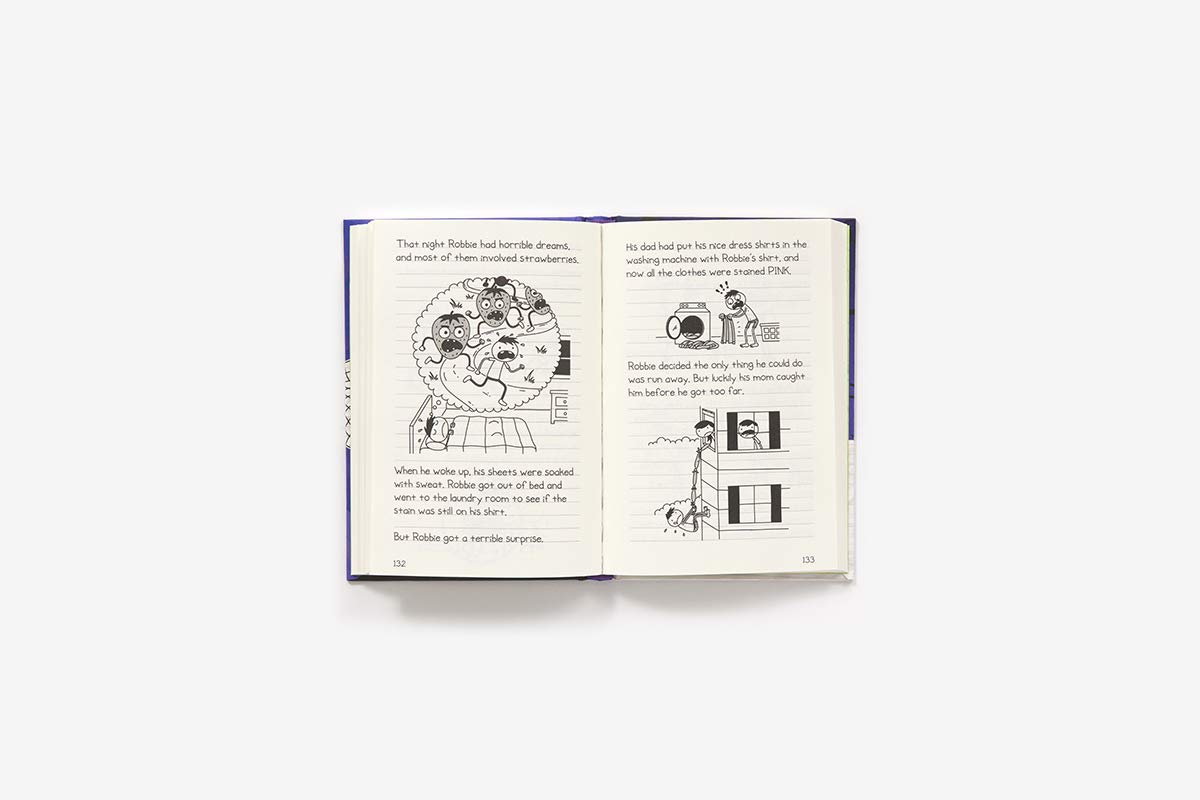
As of 2026, Rowley’s "work" has transitioned from being a mere supporting character to a published author within the internal logic of the book series. The shift began with the 2019 release of Diary of an Awesome Friendly Kid: Rowley Jefferson's Journal. This pivot was significant because it allowed readers to see the events of the series through a lens that was fundamentally different from Greg’s. Where Greg records events to curate his own legend, Rowley records them as a testament to his friendship and his own, often misunderstood, moral development.
Analyzing the Spin-off Series Structure
The series attributed to Rowley Jefferson acts as a "companion" rather than a traditional sequel. This editorial choice by Jeff Kinney allows for a meta-narrative complexity that is rarely seen in middle-grade fiction. The "current work" of Rowley consists of:
- Diary of an Awesome Friendly Kid: A retelling of events from Rowley's perspective, introducing his unique voice.
- Rowley Jefferson's Awesome Friendly Adventure: A departure into the fantasy genre, reflecting Rowley’s love for role-playing games and creative storytelling.
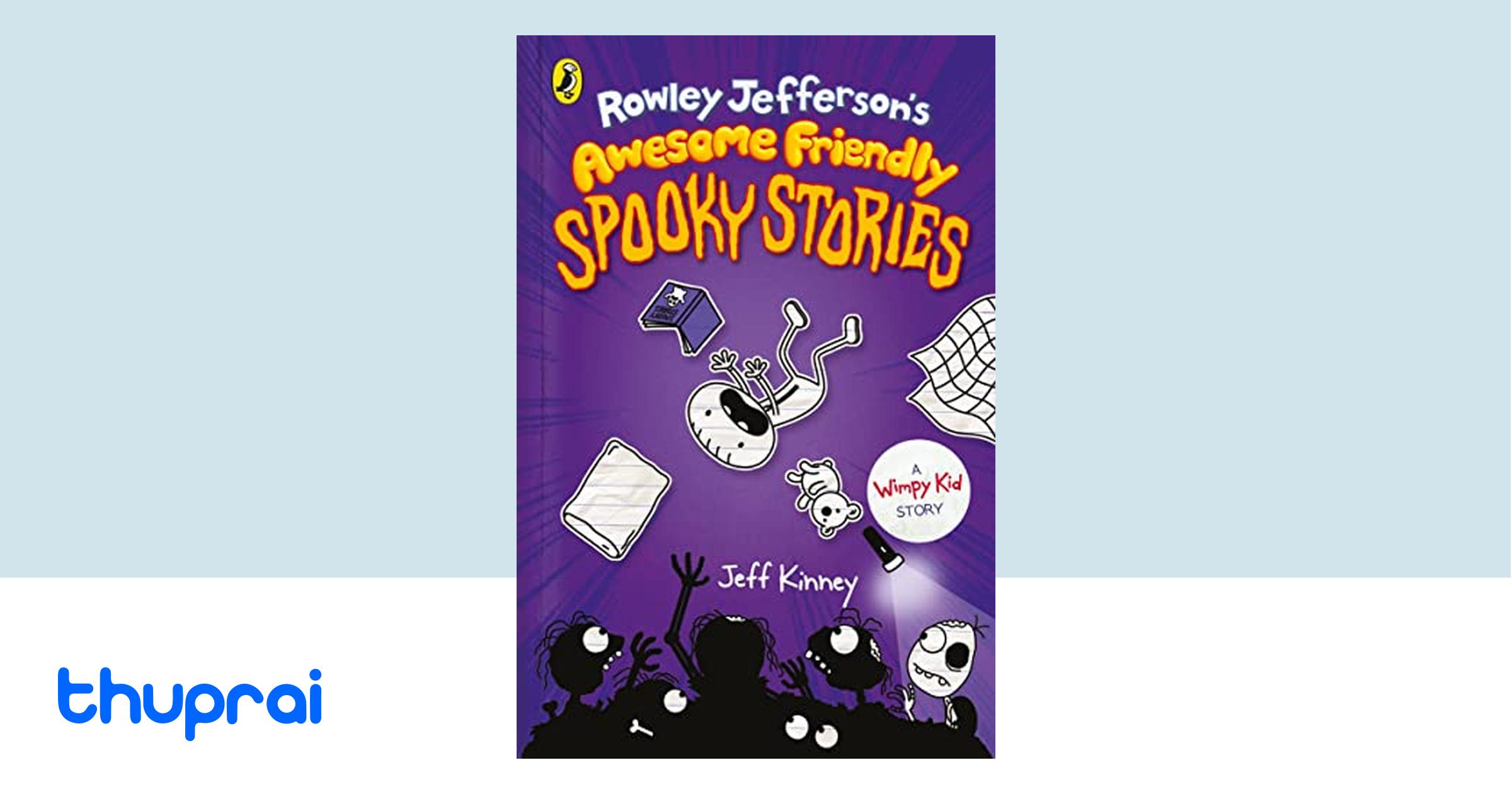
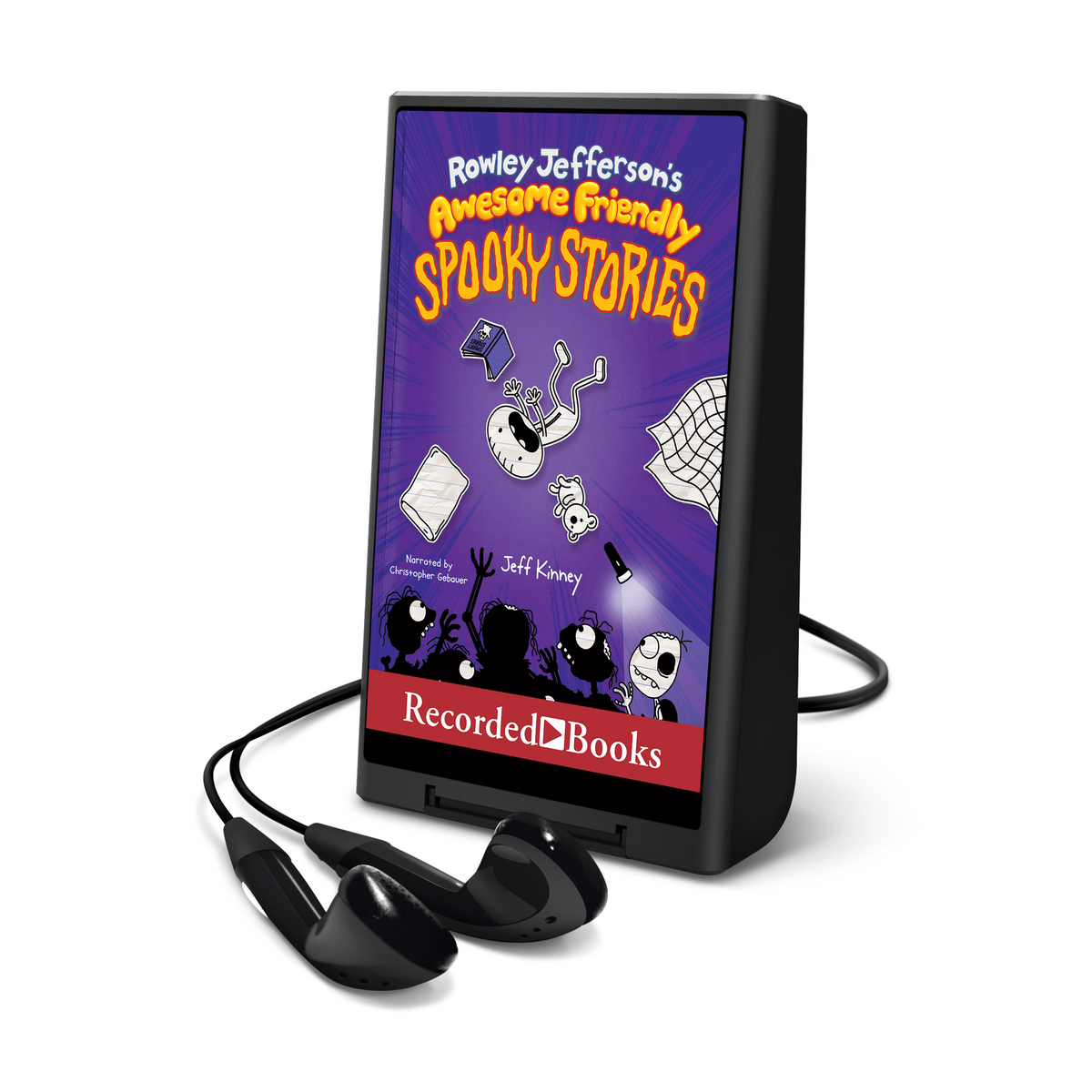
- Rowley Jefferson's Awesome Friendly Spooky Stories: A collection of short, campfire-style tales that highlight Rowley’s earnest attempts at "scary" writing, which often veer into the absurd or overly polite.
These books are not written as professional literature but are framed as the authentic journals of a middle schooler. This requires a specific technical writing style: simplistic sentence structures, honest grammatical errors, and a reliance on visual storytelling through illustrations that feel drawn by a child rather than a professional illustrator.
Comparison of Narrators: Greg Heffley vs. Rowley Jefferson
The effectiveness of Rowley’s work relies on the contrast between his voice and Greg’s. In the following table, we examine how the two characters handle the same literary themes within the series.
| Feature | Greg Heffley (Core Series) | Rowley Jefferson (Spin-off Series) |
|---|---|---|
| Primary Intent | Strategic self-promotion | Sincere documentation |
| View of Conflict | A hurdle to be overcome/avoided | A misunderstanding to be resolved |
| Use of Illustrations | To highlight his own superiority | To document events literally |
| Moral Compass | Flexible and ego-driven | Rigid, earnest, and kind |
| Humor Style | Satirical and cynical | Slapstick and situational irony |
This comparison highlights why Rowley’s work resonates with readers. While Greg’s journals represent the "unreliable narrator" trope used for comedic effect, Rowley’s work represents the "overly reliable" narrator, where the humor is derived from his inability to perceive the absurdity or irony of the situations he documents.
Pedagogical Impact and Target Audience
The target audience for Rowley Jefferson’s books remains the 8–12 age demographic, yet the reach extends to educators and librarians who utilize these texts for reluctant readers. Because Rowley’s "work" is presented as a journal, it provides a scaffolding for children to begin their own creative writing.
Teachers often use the transition from the core series to the spin-off series to teach the concept of "Point of View." By comparing how Greg describes an incident—such as a fight between the two—with how Rowley describes the same event, students learn that narrative is subjective. The current work of Rowley Jefferson serves as a functional tool in literacy education, proving that literature does not always need to be complex in vocabulary to be sophisticated in its structural intent.
The Mechanics of "Rowley’s Writing"
From a technical standpoint, the "work" of Rowley Jefferson is a masterclass in character consistency. Jeff Kinney maintains the integrity of the voice by adhering to specific stylistic constraints:
- The "Polite" Constraint: Unlike Greg, who frequently uses derogatory or dismissive language, Rowley’s vocabulary is strictly limited to his actual vernacular. He rarely uses sarcasm, and when he does, it is usually accidental.
- The Visual Constraint: Rowley’s drawings, while consistent with the art style of the series, contain different motifs. He focuses on things that interest him—dinosaurs, video games, and simple, wholesome activities—whereas Greg’s drawings focus on people, social statuses, and failures.
- Narrative Pacing: Because Rowley is a novice writer, his "journals" often feature abrupt shifts in topic, a hallmark of young students struggling to maintain a cohesive narrative thread.
Addressing Challenges and Common Misconceptions
A frequent point of confusion among new readers is whether the Rowley Jefferson books are "canon." In the literary sense, the events described in these books exist within the same continuity as the main series. They do not rewrite the past but instead fill in the gaps.
Another common issue is the expectation that Rowley’s books will mirror the satirical bite of Diary of a Wimpy Kid. Readers who approach the work expecting the same level of cynical wit may find the tone too "earnest." It is essential to recognize that the value of Rowley’s work is precisely its lack of cynicism. It is a subversion of the "anti-hero" trend, offering a protagonist who is consistently, frustratingly good-natured.
Next Actions for Fans and Readers
For those looking to engage with the current work of Rowley Jefferson in 2026, the best approach is to read the books in the order of their internal logic rather than publication date. If you are starting for the first time:
- Read the first three books of the core series: This establishes the dynamic between Greg and Rowley.
- Transition to Diary of an Awesome Friendly Kid: This provides the necessary context for the spin-off sub-series.
- Explore the thematic spin-offs: Engage with Awesome Friendly Adventure and Spooky Stories to see how the character’s voice adapts to different genres.
By approaching the texts in this manner, readers can better appreciate the character development of Rowley and understand why he has remained a cornerstone of the franchise for nearly two decades.
Frequently Asked Questions
Is Rowley Jefferson a real author?
No. Rowley Jefferson is a fictional character within the Diary of a Wimpy Kid universe. The books published under his name are authored by Jeff Kinney, who writes in Rowley’s voice as part of a creative stylistic exercise.
Are the Rowley Jefferson books suitable for younger readers?
Yes. The books are designed for the same age range as the main series (typically 8–12 years old). They contain mild themes and are generally considered highly appropriate for middle-grade literacy development.
Do I need to read the main series to understand Rowley’s books?
While it is not strictly mandatory, reading the first few books of the Diary of a Wimpy Kid series significantly enhances the experience. Much of the humor in Rowley’s work relies on the reader already knowing the "real" version of events as recorded by Greg Heffley.
Is Rowley Jefferson still appearing in the main Diary of a Wimpy Kid series?
Yes. As of 2026, Rowley remains an active, ongoing character in the primary series. His "work" as an author is an additional layer of content rather than a replacement for his role in the main books.
How do I distinguish between the core series and the Rowley spin-offs?
The core series is titled Diary of a Wimpy Kid. The spin-offs are consistently branded with the Rowley Jefferson’s Awesome Friendly prefix, making them easy to identify in bookstores and libraries.
Image Gallery