Why a Deep Breath Can Make the Chest Hurt: Common Causes and When to Seek Help
Sharp pain during a deep breath, known as pleuritic chest pain, often stems from inflammation of the lining around the lungs (pleurisy) or the chest wall. While causes range from minor muscle strains to serious conditions like blood cl...
Sharp pain during a deep breath, known as pleuritic chest pain, often stems from inflammation of the lining around the lungs (pleurisy) or the chest wall. While causes range from minor muscle strains to serious conditions like blood clots or infections, identifying the specific sensation and accompanying symptoms is essential for proper diagnosis.
Contents
The sensation of "catching" a sharp pain while inhaling can be alarming. In the medical field, this is frequently referred to as pleurisy or pleuritic pain. To understand why this happens, one must first look at the mechanics of the respiratory system. Your lungs are surrounded by two thin layers of tissue called the pleura. One layer wraps around the lungs, while the other lines the inside of the chest cavity. In a healthy state, these layers are lubricated by a small amount of fluid, allowing them to glide past each other smoothly as you breathe. When these layers become inflamed, they rub together like sandpaper, creating a sharp, stabbing sensation that intensifies whenever the chest expands—such as during a deep breath, a cough, or a sneeze.
As of 2026, clinical understanding of chest pain has become more nuanced, recognizing that while the lungs themselves do not have pain receptors, the surrounding structures—the pleura, the chest wall, and the diaphragm—are highly sensitive. Determining the root cause requires looking beyond the breath itself to the context of the pain, its location, and any secondary symptoms like fever or shortness of breath.
Common Musculoskeletal Causes of Breathing Pain
Not all pain associated with deep breathing originates in the lungs. In many cases, the culprit is the musculoskeletal structure of the chest wall. The rib cage is a complex system of bones, cartilage, and muscles designed to protect the vital organs while remaining flexible enough to expand and contract thousands of times a day.
Costochondritis
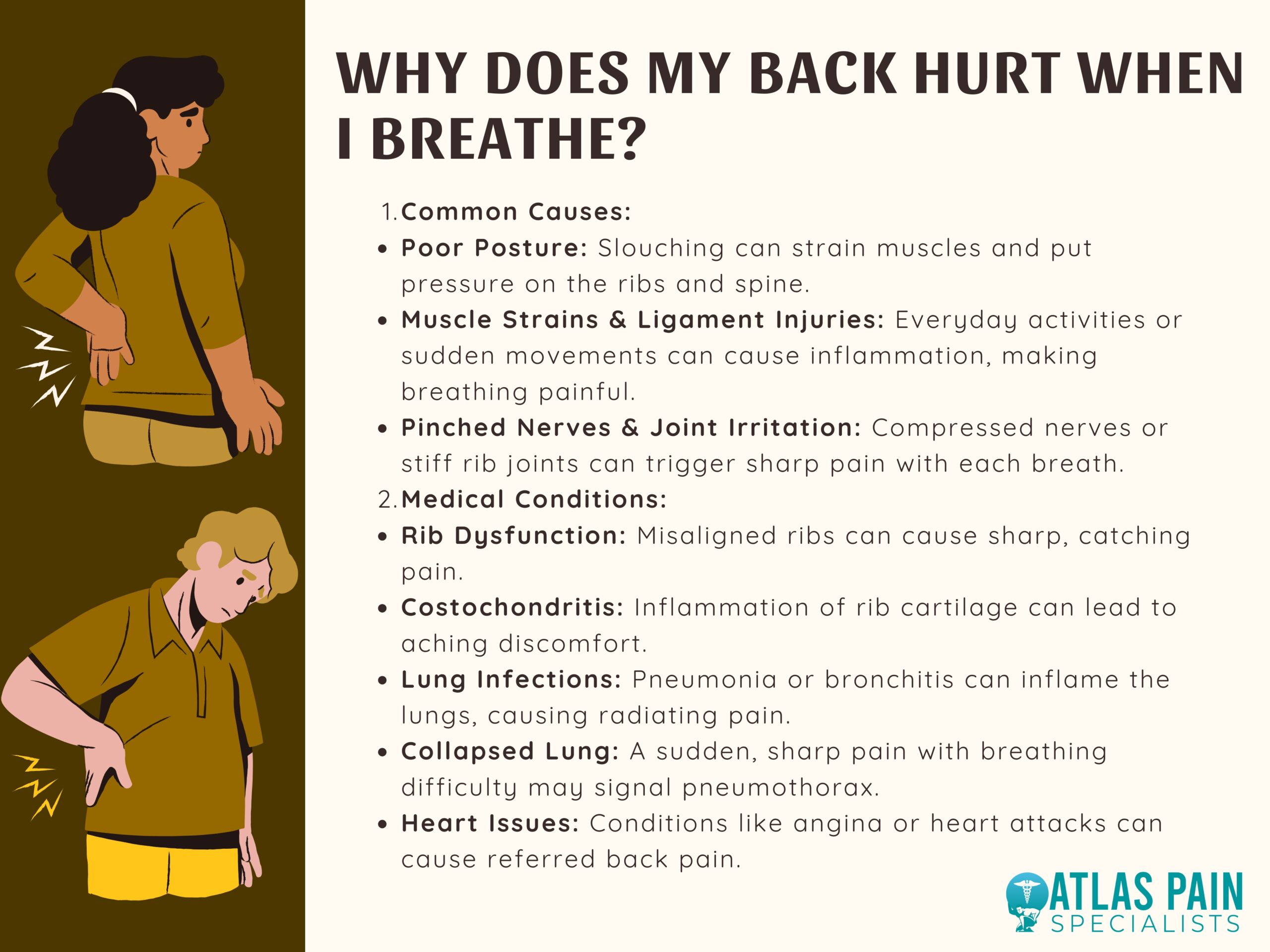
One of the most frequent causes of chest pain that worsens with deep breathing is costochondritis. This is an inflammation of the cartilage that joins the ribs to the sternum (breastbone). The pain is often described as sharp or pressure-like and can mimic a heart attack. However, a hallmark of costochondritis is that the area is usually tender to the touch. If pressing on the joint where your rib meets your breastbone increases the pain, inflammation of the cartilage is a likely suspect. This condition can be triggered by physical strain, respiratory infections that cause heavy coughing, or minor chest trauma.
Intercostal Muscle Strain
Between each of your ribs are the intercostal muscles, which are responsible for lifting the rib cage to allow the lungs to fill with air. Like any other muscle in the body, these can be strained or pulled. Overexertion during exercise, sudden twisting movements, or even a prolonged bout of severe coughing can lead to micro-tears in these muscles. When you take a deep breath, these injured muscles are stretched and forced to contract, resulting in a sharp, localized pain.
Respiratory Conditions and Pleurisy
When the pain is directly related to the respiratory system, it often involves the aforementioned pleura. This inflammation can be a primary condition or a secondary symptom of another underlying illness.
Pleurisy (Pleuritis)
Pleurisy occurs when the pleural membranes become swollen. Historically, viral infections (such as the flu or certain strains of pneumonia) have been the leading cause. When you inhale deeply, the lungs expand, forcing the inflamed pleural layers to grate against each other. This pain usually subsides when you hold your breath or take shallow breaths. In 2026, medical professionals continue to monitor post-viral syndromes that can leave the pleura sensitized for weeks after the initial infection has cleared.
Pneumothorax (Collapsed Lung)
A pneumothorax occurs when air leaks into the space between your lung and chest wall. This air pushes on the outside of the lung and makes it collapse. A collapsed lung can happen due to a chest injury, underlying lung disease (like COPD or cystic fibrosis), or sometimes for no obvious reason at all (spontaneous pneumothorax). The pain is typically sudden and sharp, worsening significantly with any attempt to take a deep breath, and is almost always accompanied by a feeling of air hunger or sudden shortness of breath.
Serious Vascular and Cardiac Issues
While many causes are benign, some conditions that cause pain during inhalation are life-threatening and require immediate emergency intervention.
Pulmonary Embolism (PE)
A pulmonary embolism is a blood clot that has traveled to the lungs, usually from the deep veins in the legs (Deep Vein Thrombosis). This is a critical medical emergency. The pain from a PE is often pleuritic—sharp and worsening with a deep breath—because the clot disrupts blood flow and causes inflammation in the lung tissue. Other warning signs include a rapid heart rate, coughing up blood, and sudden unexplained shortness of breath. According to the Mayo Clinic, risk factors include recent surgery, long periods of immobility, or underlying clotting disorders.
Pericarditis
The heart is also encased in a protective sac called the pericardium. If this sac becomes inflamed—a condition known as pericarditis—it can cause sharp chest pain that feels very similar to pleurisy. Interestingly, pericarditis pain often changes depending on your body position; it typically worsens when lying flat and may feel slightly better when leaning forward. Because the heart and lungs sit so close together, the expansion of the lungs during a deep breath can put pressure on the inflamed pericardium, triggering the pain.
Comparison of Common Causes for Pain During Deep Breathing
To help distinguish between these possibilities, the following table outlines the key characteristics of the most common causes.
| Condition | Primary Sensation | Key Identifying Feature | Medical Urgency |
|---|---|---|---|
| Pleurisy | Sharp, stabbing | Pain stops when holding breath | Moderate (See doctor) |
| Costochondritis | Sharp or aching | Tenderness when pressing on ribs | Low (Manageable) |
| Pulmonary Embolism | Sudden, sharp | Accompanied by rapid heart rate | High (Emergency) |
| Pneumothorax | Sudden, severe | Persistent shortness of breath | High (Emergency) |
| Muscle Strain | Aching or pulling | Follows physical activity or coughing | Low (Rest) |
| Pericarditis | Sharp, piercing | Pain improves when leaning forward | Moderate to High |
Diagnostic Procedures and Evaluations
If you visit a healthcare provider for chest pain when breathing, they will follow a systematic approach to rule out life-threatening issues first. The diagnostic process usually begins with a physical exam where the doctor uses a stethoscope to listen to your lungs. They are looking for a "pleural friction rub"—a specific sound that resembles two pieces of leather rubbing together, which is a classic sign of pleurisy.
Standard diagnostic tools in 2026 include:
- Chest X-ray: Useful for identifying a collapsed lung, pneumonia, or fluid buildup (pleural effusion).
- Electrocardiogram (ECG/EKG): Used to rule out heart-related issues like a heart attack or pericarditis.
- CT Angiogram: The gold standard for detecting blood clots in the lungs (pulmonary embolism).
- Blood Tests: Specifically the D-dimer test, which looks for signs of blood clots, or tests for inflammatory markers like C-reactive protein (CRP).
When to Seek Emergency Care
Because chest pain can be a sign of a cardiovascular or pulmonary crisis, it is vital to know when "waiting it out" is not an option. You should seek immediate emergency medical attention if the sharp pain during breathing is accompanied by any of the following:
- Sudden Shortness of Breath: Feeling like you cannot get enough air even when taking shallow breaths.
- Coughing up Blood: Even small amounts of bright red blood can indicate a pulmonary embolism or severe infection.
- Dizziness or Fainting: This suggests your heart or lungs are struggling to provide enough oxygen to your brain.
- Cyanosis: A bluish tint to the lips, skin, or fingernails, indicating low blood oxygen levels.
- Radiating Pain: Pain that spreads to the jaw, neck, left arm, or back.
While many instances of pain during a deep breath are related to minor muscle issues or viral pleurisy, the potential for serious complications means a professional evaluation is always the safest course of action. Medical guidance from the National Institutes of Health (NIH) emphasizes that new or worsening chest pain should never be ignored, particularly if it interferes with your ability to breathe comfortably.
Frequently Asked Questions
Can stress or anxiety cause pain when I breathe deeply?
Yes, stress and anxiety can lead to chest wall tension or hyperventilation. During periods of high anxiety, individuals often use their accessory muscles (neck and upper chest) rather than their diaphragm to breathe. This can lead to muscle fatigue and a sharp or tight sensation in the chest. However, anxiety is a "diagnosis of exclusion," meaning medical professionals will first rule out physical causes before attributing the pain to stress.
Does a sharp pain when breathing always mean a heart problem?
No. In fact, pain that is specifically "pleuritic" (triggered by breathing or coughing) is more likely to be related to the lungs or the chest wall than the heart. Heart attack pain is more typically described as a heavy pressure, squeezing, or fullness that does not necessarily change with the rhythm of your breath. However, pericarditis is a heart-related condition that does respond to breathing, so a medical checkup is still necessary.
How is pleurisy treated in 2026?
Treatment focuses on the underlying cause. If the pleurisy is caused by a bacterial infection, antibiotics are prescribed. For viral causes or general inflammation, nonsteroidal anti-inflammatory drugs (NSAIDs) like ibuprofen are the standard treatment to reduce swelling of the pleural layers. In cases where fluid has built up between the layers (pleural effusion), a doctor may need to drain the fluid to relieve pressure and pain.
Why does my chest hurt when I breathe deep after a cold?
This is often due to the lingering effects of a viral infection. Frequent coughing during a cold can strain the intercostal muscles or cause the pleura to become irritated. Even after the virus is gone, the inflammation may take several days or even a few weeks to fully subside. Rest and hydration are key, but if the pain worsens or a new fever develops, it could indicate secondary pneumonia.
Can sleeping in a certain position cause this pain?
Sleeping in an awkward position can lead to rib misalignment or localized muscle strain. If you wake up with a sharp pain that only occurs when you take a deep breath or twist your torso, it is likely musculoskeletal. This type of pain usually responds well to gentle stretching, heat application, and over-the-counter pain relief.
What should I do as a first step if I feel this pain?
If the pain is mild and not accompanied by emergency symptoms (shortness of breath, fainting, or blue lips), try to remain calm and take shallow breaths. Note whether the pain is localized to one spot or if it changes when you move. If the pain persists for more than 24 hours, or if it is severe, schedule an urgent appointment with your primary care physician or visit an urgent care clinic for an evaluation.
Image Gallery