The Tragic Death of Brandon Lee During the Filming of The Crow
The death of Brandon Lee on March 31, 1993, remains one of the most harrowing events in the history of motion picture production. While filming the final scenes for the cult classic The Crow, a tragic sequence of technical errors invol...
The death of Brandon Lee on March 31, 1993, remains one of the most harrowing events in the history of motion picture production. While filming the final scenes for the cult classic The Crow, a tragic sequence of technical errors involving a firearm resulted in a fatal injury. This event fundamentally altered safety standards within the film industry and remains a somber case study in the necessity of rigorous on-set protocols.
Contents
The Sequence of Events: March 31, 1993
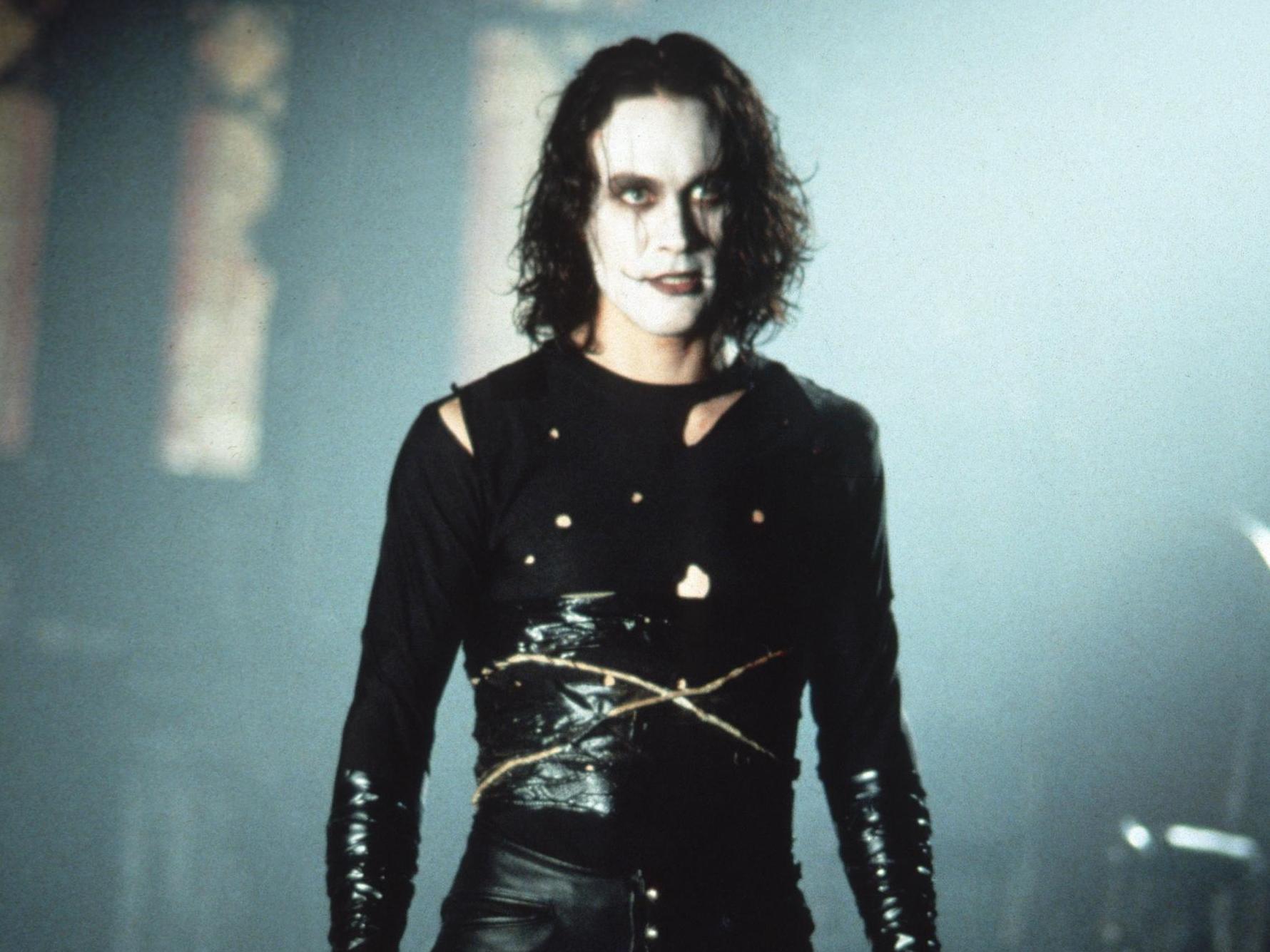
Brandon Lee was a rising star, the son of martial arts legend Bruce Lee, and he was nearing the completion of his breakout role as Eric Draven in Alex Proyas’s adaptation of James O'Barr’s graphic novel The Crow. The production was filming at the Carolco Studios in Wilmington, North Carolina.
The incident occurred during a scene in which Lee’s character is shot by a group of thugs. According to the investigation, the prop firearm used in the scene had been improperly modified. Earlier in the production, the crew had created custom "dummy" rounds by removing the gunpowder from live .44 Magnum cartridges and reseating the bullets. This was done to allow for realistic close-up shots of the cylinder where the audience could see the bullets inside.
However, the crew inadvertently left a live primer in one of the cartridges. When this dummy round was dry-fired, the force of the primer was enough to propel the bullet into the barrel of the gun, where it became lodged—a condition known as a "bore obstruction." When the firearm was later loaded with blank cartridges for the filming of the scene involving Lee, the blank charge provided enough explosive force to propel the previously lodged bullet out of the barrel with lethal velocity.
Technical Failures and Negligence
The tragedy was not caused by a single person but by a systemic failure in firearm management. The primary issues identified included:
- Reliance on live ammunition: The decision to manufacture custom dummy rounds on-set using components of live ammunition introduced unnecessary hazards.
- Absence of a qualified armorer: Reports indicated that a licensed firearms expert was not on set at the time of the incident. The responsibility for the firearm had been shifted to other crew members who lacked the specialized training required to recognize the dangers of a bore obstruction.
- Inadequate inspections: Standard industry protocol dictates that any firearm used on set must be inspected before and after every single use to ensure the barrel is clear. The failure to perform these visual and physical checks allowed the obstruction to remain undetected.
Comparison of Firearm Safety Protocols
The following table contrasts standard practices used in high-budget productions today compared to the failures observed during the 1993 incident.
| Safety Protocol | Previous Practice (Early 1990s) | Current Industry Standards (2026) |
|---|---|---|
| Armorer Presence | Sometimes delegated to props master | Mandatory on-set licensed expert |
| Ammunition Source | On-set modification of live rounds | Professionally manufactured inert rounds |
| Inspection Cycle | Spot checks by production staff | Constant triple-check by licensed experts |
| Barrel Verification | Visual inspection by eye | Physical clearing rods used every reset |
The Impact on Film Production Safety
The death of Brandon Lee led to significant changes in how Hollywood handles weapons. Following the investigation, no criminal charges were brought against the production company or the actor who fired the gun, as authorities determined the event was a tragic accident resulting from a series of oversights. However, the legal and professional ramifications were profound.
The incident prompted unions and studio heads to formalize the role of the "on-set armorer." Today, the protocols governed by organizations like the Industry-Wide Labor-Management Safety Committee explicitly forbid the use of live ammunition anywhere on a film set. The "Dummy" rounds used in modern films are now manufactured by specialized companies that ensure they are inert and visually distinct from live rounds.
Legacy and The Crow (1994)
Despite the tragedy, the production team, including Brandon Lee’s fiancée Eliza Hutton, made the decision to complete the film. They believed that Lee would have wanted the project finished. Using a combination of digital effects (an early use of CGI in this context) and clever editing involving a stunt double, the film was completed and released in 1994.
The movie became a massive success and is widely regarded as a visual masterpiece of the 1990s. Its success is heavily attributed to Lee’s performance, which many critics describe as his finest work. His death added a layer of unintended, melancholy weight to the themes of the film—grief, resurrection, and the struggle against injustice—which continues to resonate with audiences more than three decades later.
Frequently Asked Questions
Was the gun actually loaded with live ammunition? No, the gun was loaded with a blank cartridge. However, a lead bullet from a previous, improperly manufactured dummy round was stuck in the barrel. The blank's propellant acted as a propulsion charge, turning the stuck bullet into a live projectile.
Did the actor who fired the gun face legal consequences? No. The investigation concluded that the incident was a tragic accident. The actor involved was cleared of wrongdoing, as he was operating under the guidance of the production's safety staff, who had assured him the weapon was safe.
How has this event changed modern set safety? Today, the presence of a professional armorer is mandatory for any scene involving firearms. Strict protocols for the inspection of barrels and the total prohibition of live ammunition components are strictly enforced by SAG-AFTRA and other industry unions.
Is The Crow (1994) the only film where this has happened? While the death of Brandon Lee is the most famous example, firearm-related injuries have occurred in other productions throughout history. The industry treats the Lee incident as the primary catalyst for the current "Safety First" culture that mandates rigorous, documented training for everyone handling prop weapons.
Where can I find the official reports on this incident? The investigations were handled by the North Carolina authorities in 1993. Public records of the coroner's report and the subsequent district attorney's findings regarding the absence of criminal negligence are available through archival legal databases and contemporary media reporting from that period.
Recommendation for Further Understanding
For those interested in the technical aspects of set safety, it is recommended to review the official "Safety Bulletins" issued by the Contract Services Administration Trust Fund (CSATF). These bulletins are updated regularly and serve as the definitive guidelines for filmmakers regarding the use of firearms, pyrotechnics, and other dangerous equipment on sets. Understanding these protocols helps clarify why such tragedies are now statistically rare, despite the high-risk nature of dramatic action filmmaking.
Image Gallery