How Insurance Auto Auctions Work in Baltimore, MD: A Comprehensive Guide
Insurance auto auctions in Baltimore, Maryland, function as specialized secondary markets where vehicles recovered by insurance companies after accidents, thefts, or natural disasters are sold to the public and licensed dealers. These...
Insurance auto auctions in Baltimore, Maryland, function as specialized secondary markets where vehicles recovered by insurance companies after accidents, thefts, or natural disasters are sold to the public and licensed dealers. These auctions provide a pipeline for salvage yards, repair shops, and hobbyists to acquire vehicles at prices below retail, often reflecting the estimated cost of repairs or the salvage value of parts.
Contents
Understanding the Insurance Auction Ecosystem
The process begins when an insurance company declares a vehicle a "total loss." In Maryland, this determination is typically made when the cost of repairing the vehicle exceeds a specific percentage of its actual cash value (ACV), or if the vehicle cannot be safely restored to pre-accident conditions. Once the insurer settles the claim with the policyholder, the title is transferred to the insurance company.
The insurance company then partners with national auction houses that maintain physical holding facilities in or near Baltimore. These facilities act as regional hubs where damaged vehicles are cataloged, photographed, and stored until they reach the auction block. Because Maryland has specific statutes governing the titling of salvage vehicles, the auction process is heavily regulated to ensure that buyers understand the legal status of the vehicles they are purchasing.
Eligibility and Registration Requirements
In Baltimore, the ability to bid on a vehicle depends heavily on your buyer status. Auction houses generally categorize participants into two groups: Licensed Dealers and Public Buyers.
- Licensed Dealers: These individuals or entities possess a valid automotive dealer license issued by the Maryland Motor Vehicle Administration (MVA) or another state. Dealers typically have full access to all inventory, including vehicles with "clean" titles and those marked as "salvage."
- Public Buyers: Private individuals can participate in most Baltimore-area auctions but often face restrictions. Some auctions require public buyers to hire a licensed "broker" to bid on their behalf for high-risk or specific salvage-titled vehicles. Additionally, some auctions operate as "dealer-only" sales, meaning the general public is entirely excluded unless they partner with a third-party buying service.
To register, you must provide government-issued identification, proof of business licensure (if applicable), and a deposit or valid payment method to verify financial capability. Most facilities utilize digital platforms where you must create a verified account, upload your credentials, and wait for administrative approval before you are authorized to place a bid.
The Auction Lifecycle: From Arrival to Hammer Fall
The lifecycle of an auction vehicle follows a rigid sequence designed to maintain efficiency and legal compliance.
- Ingress and Inspection: Once a vehicle arrives at the Baltimore yard, it is assigned a lot number. You can often view these vehicles in person during designated preview days. It is crucial to use this time to inspect the frame, engine bay, and interior, as auction descriptions often provide only a basic summary and may not disclose every underlying mechanical issue.
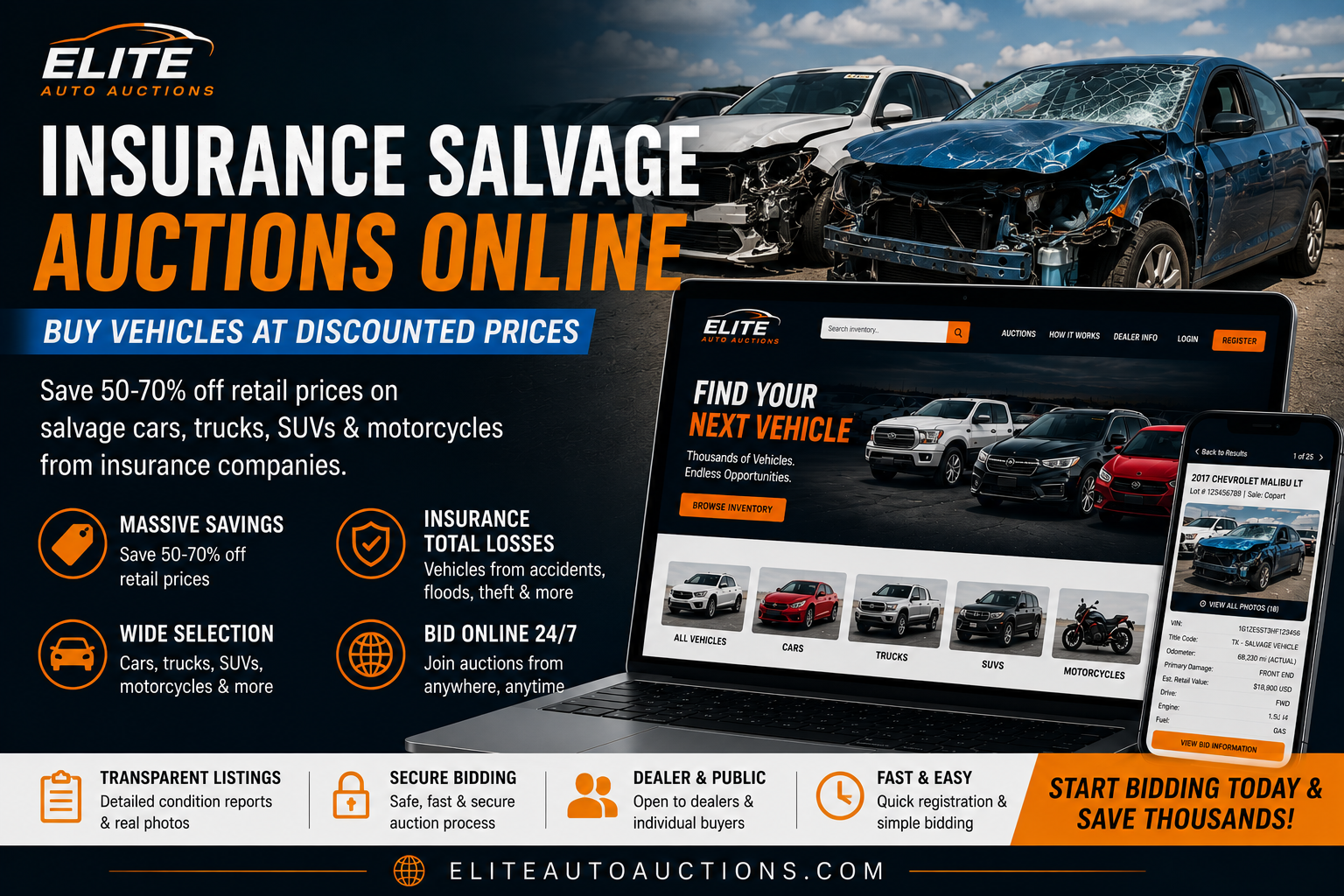
- Bidding Phase: Auctions are now almost exclusively conducted online through web-based platforms. Bidding can occur in two ways: "pre-bidding," where you place your maximum bid before the live event, or "live bidding," where you compete in real-time during the digital auction.
- The Hammer: Once the highest bid is accepted and the "reserve" (if applicable) is met, the sale is considered final. In the context of insurance auctions, most sales are "absolute," meaning the vehicle goes to the highest bidder regardless of price, provided the minimum starting bid is met.
- Invoicing and Removal: After winning, you are responsible for paying the hammer price plus "buyer fees," which vary based on the sale price and your membership tier. You must coordinate the transport of the vehicle—usually via a flatbed tow truck—as most auction vehicles are non-operational.
Comparing Purchase Channels in Maryland
| Feature | Licensed Dealer | Public Buyer (Self-Bid) | Public Buyer (via Broker) |
|---|---|---|---|
| Inventory Access | Full/Unlimited | Restricted | High/Unlimited |
| Broker Fee | N/A | N/A | Required |
| Legal Documentation | Direct Processing | Complex | Handled by Broker |
| Bid Responsibility | Full Liability | Full Liability | Limited/Shared |
Technical Considerations: Titles and Maryland MVA Regulations
The most critical aspect of buying at an insurance auction in Baltimore is understanding the Title Brand. When you purchase a vehicle from an insurance pool, the title will likely be stamped "Salvage" or "Scrap."
In Maryland, a "Salvage" title means the vehicle cannot be driven on public roads. To legally register the vehicle, you must complete the Maryland MVA "Salvage Inspection" process. This involves:
- Repairing the vehicle to meet all safety standards.
- Presenting the vehicle for an official inspection by the Maryland State Police or an MVA-authorized inspection station.
- Obtaining an "Adjusted" or "Rebuilt" title once the vehicle passes, which allows it to be titled and registered for road use.
Failure to research the specific brand assigned to a vehicle before bidding can result in the purchase of a "parts-only" vehicle that will never be eligible for road registration.
Common Pitfalls and Troubleshooting
New buyers often underestimate the ancillary costs associated with insurance auctions. Beyond the hammer price, expect to pay:
- Buyer Fees: These are often structured in tiers; the higher the bid, the higher the administrative fee.
- Storage Fees: If you do not arrange for the removal of your vehicle within the auction house's allotted time frame (usually 3–5 days), daily storage fees accumulate rapidly.
- Transportation Costs: Since you cannot drive the vehicle off the lot, the cost of professional towing must be factored into your total investment.
If you encounter issues, such as a vehicle that does not match its description or undisclosed structural damage, the recourse options are extremely limited. Almost all auction purchases are "as-is, where-is." Always document the condition of the vehicle at the moment of pickup.
Frequently Asked Questions
Can I inspect a car before I bid at a Baltimore auction? Yes. Most major auction houses in the region provide specific hours for "previewing." It is highly recommended to physically visit the yard to inspect the vehicle, as digital photos often obscure frame damage, flood water lines, or missing components.
Do I need a special license to buy a salvage car? In Maryland, you do not necessarily need a dealer license to buy a salvage vehicle for yourself, but you may need to use a licensed broker to access specific auctions that restrict public entry. Check the specific rules of the auction house before bidding.
What is the difference between a salvage title and a clean title? A clean title indicates a vehicle has never been deemed a total loss by an insurance company. A salvage title indicates the vehicle has been written off by an insurer. You cannot register or drive a salvage-titled vehicle in Maryland until it has been inspected and rebranded as "Rebuilt."
How do I pay for my auction purchase? Most auction facilities require payment via wire transfer, certified check, or specific digital payment gateways. Cash is rarely accepted for security reasons, and personal checks are almost never accepted. Ensure your funds are ready before the auction concludes, as late payment fees are strictly enforced.
Recommendations for Success
If you are planning to purchase a vehicle from an insurance auction, prioritize transparency in your own vetting process. Start by selecting a reputable auction house with a physical presence in the Baltimore area. Use your preview time to examine the vehicle against the MVA's safety inspection requirements. Factor in the "hidden" costs—towing, taxes, registration fees, and repair parts—before setting your maximum bid. If you are a first-time buyer, utilizing a professional broker service is the safest way to navigate the complexities of Maryland’s title branding and registration requirements.
Image Gallery