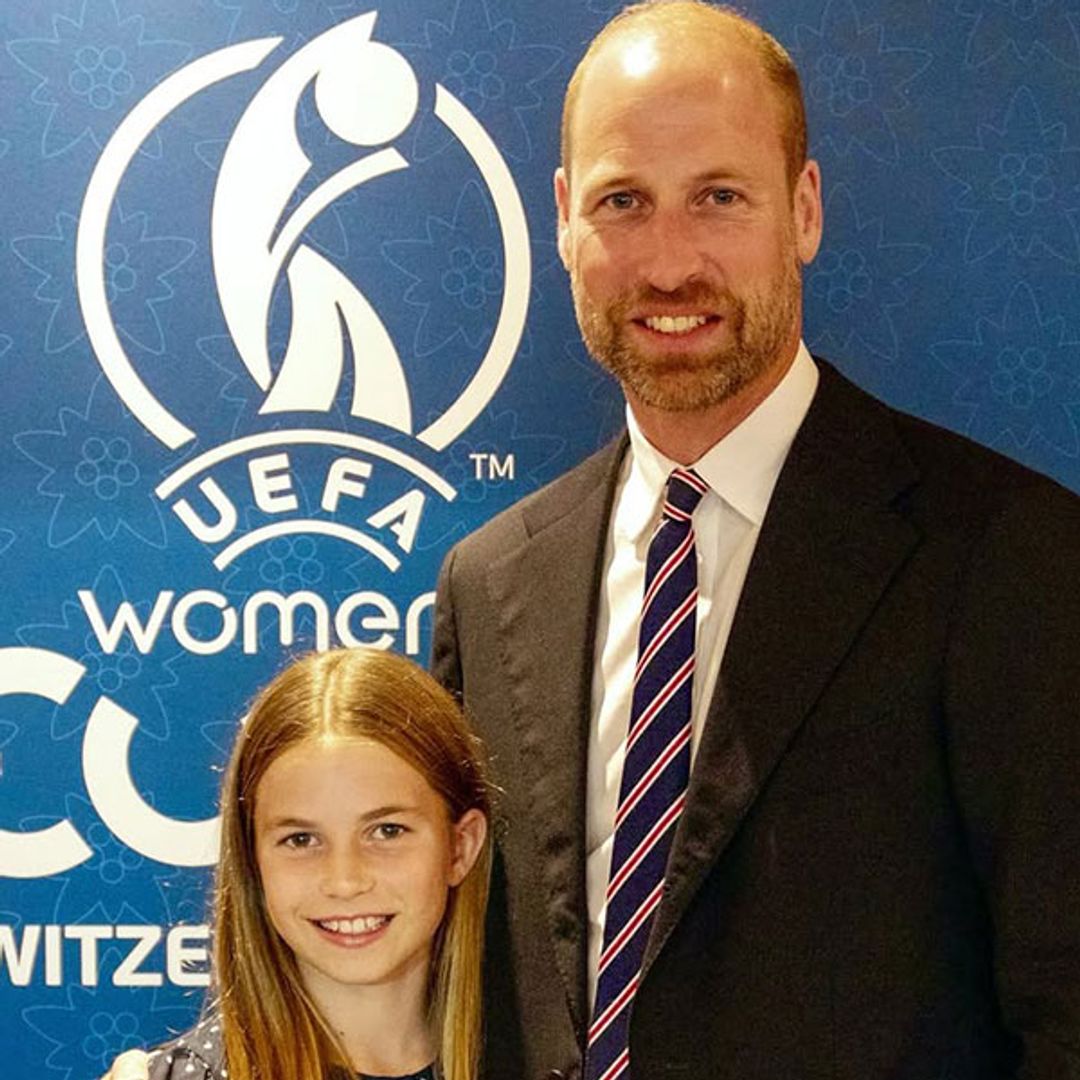
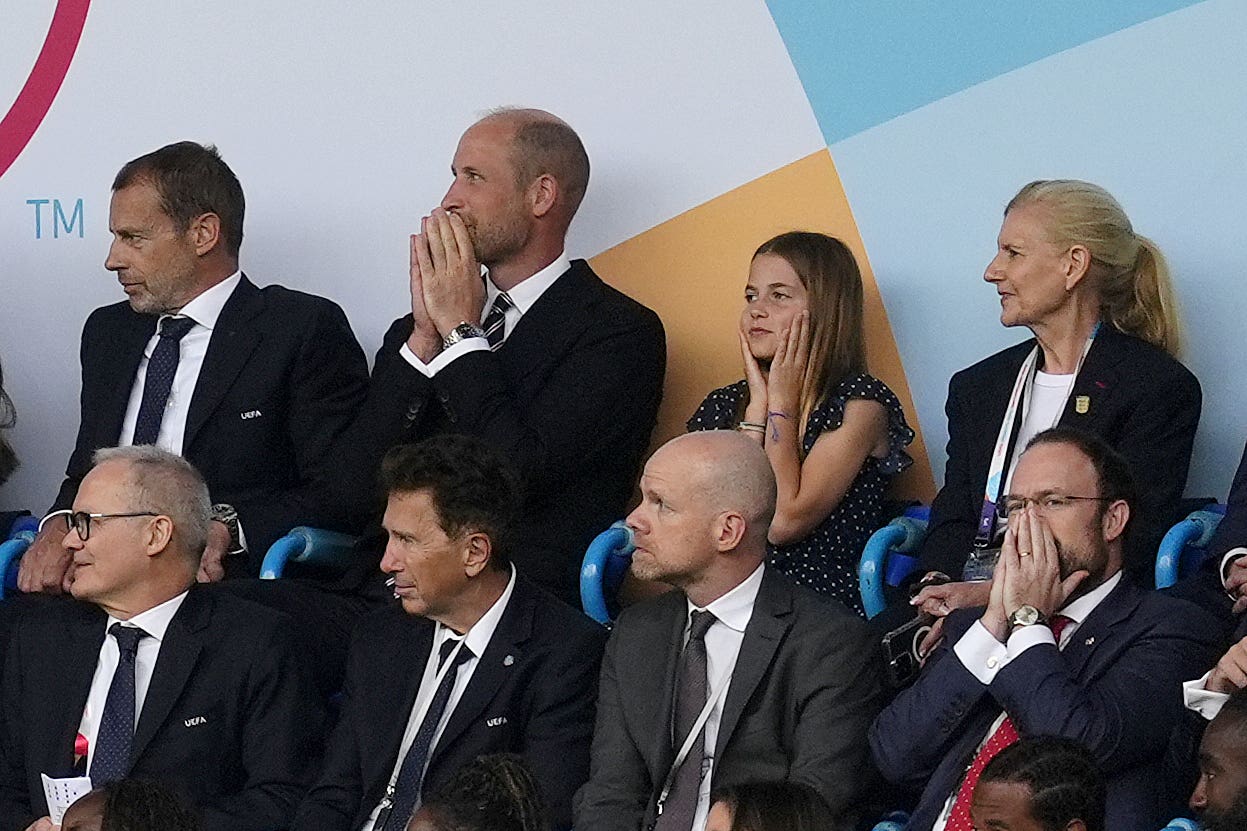
Princess Charlotte Applauds Lionesses in Basel: A Landmark Moment for Women’s Football
Princess Charlotte’s enthusiastic support for the England women’s national football team, affectionately known as the Lionesses, during their high-stakes matches in Basel represents a watershed cultural moment for youth sports engageme...
Princess Charlotte’s enthusiastic support for the England women’s national football team, affectionately known as the Lionesses, during their high-stakes matches in Basel represents a watershed cultural moment for youth sports engagement, royal patronage, and the exponential global rise of women’s association football.
Contents
The Cultural Significance of Royal Patronage in Modern Women’s Football
The evolution of women’s football from a marginalized recreational activity into a premier global spectator sport has been accelerated significantly by institutional backing, media visibility, and high-profile patronage. When senior members of the British royal family—particularly younger representatives like Princess Charlotte—actively engage with and celebrate the achievements of the Lionesses, it signals a fundamental shift in cultural norms regarding gender representation in elite sports.
Historically, royal patronage in athletics heavily favored traditional male-dominated disciplines, reflecting broader societal imbalances. The active, visible support demonstrated during international fixtures in European venues like Basel helps normalize athletic excellence for girls on an international stage. This public encouragement transcends mere pageantry; it functions as a powerful social validator that shifts public consciousness. For young girls across the United Kingdom and Europe, seeing a young royal figure mirror their own enthusiasm for football validates their participation in a sport that historically faced structural and cultural barriers.
Furthermore, this dynamic underscores the changing nature of public monarchy in the modern era. Engagement with women’s football allows the royal household to project a progressive, inclusive image that resonates with contemporary demographics. By aligning with a team characterized by resilience, tactical sophistication, and historic triumphs, the institution reinforces values of hard work, national unity, and athletic dedication.
Contextualizing the Fixtures in Basel: Tournament Dynamics and Strategic Importance
Basel, Switzerland, has frequently served as a strategic hub for major European football tournaments, hosting critical group-stage matches and knockout fixtures that dictate the trajectory of international competitions. Understanding the weight of the Lionesses' appearances in Basel requires examining the competitive pressure of UEFA European Women's Championships and international friendlies held within the region.
When the England squad travels to Switzerland for high-profile fixtures against formidable continental opponents, the tactical environment is unforgiving. European football federations have heavily invested in domestic development structures, leading to a narrowing of the competitive gap between traditional powerhouses. Matches played in Basel demand rigorous physical conditioning, tactical adaptability under pressure, and mental fortitude from the players.
Key Factors Influencing International Fixtures in Basel
- Altitude and Climate: While Basel does not present extreme altitude challenges, fluctuating seasonal weather patterns in central Europe require precise athletic preparation regarding footwear, hydration, and pacing.
- Travel Logistics: The geographic centrality of Basel allows for seamless transit for traveling supporters, creating an intense, high-pressure atmosphere inside the stadium.
- Officiating Standards: UEFA-sanctioned matches in Basel adhere strictly to elite international standards, requiring teams to maintain discipline under the scrutiny of VAR (Video Assistant Referee) technology.
- Opponent Familiarity: Swiss and neighboring continental federations often employ tactical formations designed to disrupt England's possession-based style of play, necessitating mid-game strategic adjustments from the coaching staff.
The Socio-Economic Impact on Grassroots Participation and Youth Engagement
The presence of influential supporters at major international matches directly feeds into a phenomenon sports sociologists term the "trickle-down inspiration effect." When national teams succeed on foreign soil and receive high-profile backing, local grassroots participation surges.
In the wake of heightened media coverage surrounding the Lionesses' international campaigns, the Football Association (FA) and regional sports councils have documented substantial increases in female youth registrations across local clubs. This surge creates specific operational challenges and opportunities for sports infrastructure management:
- International Success & High-Profile Support
- Surge in Youth Media Visibility
- Exponential Rise in Grassroots Registrations
- Challenge: Shortage of Qualified Coaches & Pitch Space
- Opportunity: Increased Corporate Investment & Facility Upgrades
- Exponential Rise in Grassroots Registrations
- Surge in Youth Media Visibility
Addressing this surge requires targeted investments in community coaching certifications, facility modernization, and dedicated funding for girls' school sports curriculums. Without these structural expansions, the enthusiasm generated by high-profile figures applauding from the stands risks bottlenecking at the local club level due to inadequate training grounds and equipment shortages.
Comparative Analysis: Evolution of Support and Media Coverage
The media landscape surrounding women’s football has undergone a radical transformation over the past decade. Examining the shift in coverage intensity, broadcast rights, and royal involvement illustrates how far the sport has progressed.
| Metric / Era | Historical Era (Pre-2018) | Modern Professional Era (2026 Context) |
|---|---|---|
| Broadcast Reach | Limited highlights packages; regional cable only | Global multi-platform live streaming and terrestrial TV |
| Royal / State Engagement | Occasional post-tournament congratulatory telegrams | Active stadium attendance, direct personal messaging, and public appearances |
| Average Attendance | Low hundreds to low thousands at domestic club matches | Sell-out crowds exceeding 40,000+ at major international venues |
| Commercial Sponsorship | Niche brands; heavy reliance on governing body subsidies | Multinational corporate partnerships and independent brand equity |
This comparative evolution demonstrates that public gestures of support from figures like Princess Charlotte do not occur in a vacuum; they are amplified by a mature, globally connected media ecosystem that treats women’s international fixtures with the exact same journalistic rigor and commercial importance as men's tournaments.
Frequently Asked Questions
Why are matches played in Basel significant for the England women’s team?
Matches hosted in Basel typically form part of critical UEFA tournament schedules or high-level international friendlies. Playing away in competitive European environments tests the team's tactical flexibility, resilience against hostile crowds, and ability to perform under continental tournament pressures.
How does royal patronage impact women's sports development?
Royal patronage increases mainstream media visibility, attracts commercial investment, and validates the sport in the eyes of the broader public. This institutional backing helps dismantle lingering cultural stereotypes and encourages higher rates of youth sports participation.
What measurable effects do international tournaments have on grassroots football?
Successful international campaigns consistently drive a surge in youth registrations, particularly among girls. This creates an increased demand for local pitch allocations, female coaching qualifications, and dedicated club infrastructure funded by national governing bodies.
Are royal appearances at sporting events planned for diplomatic purposes?
While public appearances involve careful scheduling by royal communications teams, personal enthusiasm often drives attendance at youth and sports events. These engagements serve a dual purpose of modernizing the monarchy's public image while providing genuine encouragement to national representatives.
Practical Next Actions and Future Outlook
For sports administrators, educators, and community leaders looking to capitalize on the momentum generated by international fixtures and high-profile support, the focus must shift toward sustainable infrastructure. Stakeholders should prioritize channeling increased broadcast revenues directly into grassroots facility upgrades, ensuring that the surge in young girls inspired by the Lionesses finds accessible, well-funded pathways into competitive play. As women's football continues its unprecedented trajectory, the intersection of cultural validation and structural investment will determine the long-term health of the sport.
Image Gallery