How to Fix Foundation Cracks in Sterling Heights: A Comprehensive Homeowner’s Guide
Fixing foundation cracks in Sterling Heights involves identifying the crack’s cause—often related to Michigan’s expansive clay soils—and applying specific solutions like epoxy injection for minor leaks or carbon fiber straps and pierin...
Fixing foundation cracks in Sterling Heights involves identifying the crack’s cause—often related to Michigan’s expansive clay soils—and applying specific solutions like epoxy injection for minor leaks or carbon fiber straps and piering for structural stabilization. Professional assessment is recommended to distinguish between cosmetic shrinkage and dangerous hydrostatic pressure or settlement issues.
Contents
Foundation integrity is a significant concern for homeowners in Sterling Heights, Michigan. The region’s unique geological profile, characterized by heavy lakebed clays and a volatile freeze-thaw cycle, puts immense stress on residential substructures. As we move through 2026, the technology for addressing these issues has become more refined, offering long-term stabilization methods that go beyond simple surface patches. Understanding how to address these cracks requires a look at the local environment, the mechanics of concrete failure, and the specific engineering solutions available to Macomb County residents.
Understanding Foundation Cracks in Sterling Heights
The soil in Sterling Heights is predominantly comprised of high-plasticity clay. This type of soil is "expansive," meaning it swells significantly when saturated with water and shrinks during the dry summer months. This constant movement creates a "shrink-swell" cycle that exerts immense force on basement walls.
In the spring, heavy rains and melting snow saturate the ground, leading to hydrostatic pressure. This is the pressure exerted by stagnant water against the exterior of your foundation. If the pressure exceeds the load-bearing capacity of the concrete or cinder blocks, the wall will bow inward or crack. Conversely, in dry periods, the soil pulls away from the foundation, removing the lateral support the wall relies on, which can lead to outward shifting or settling.
Furthermore, the Michigan frost line typically extends to about 42 inches. When the water in the soil freezes, it expands by approximately 9%, a phenomenon known as frost heave. If a foundation is not properly drained or if the footings are shallow, this upward force can snap concrete slabs and foundation walls.
Identifying Crack Types and Their Severity
Before applying a fix, you must categorize the crack. Not all cracks require the same level of intervention, and misdiagnosing a structural failure as a cosmetic issue can lead to catastrophic results.
Vertical and Diagonal Cracks
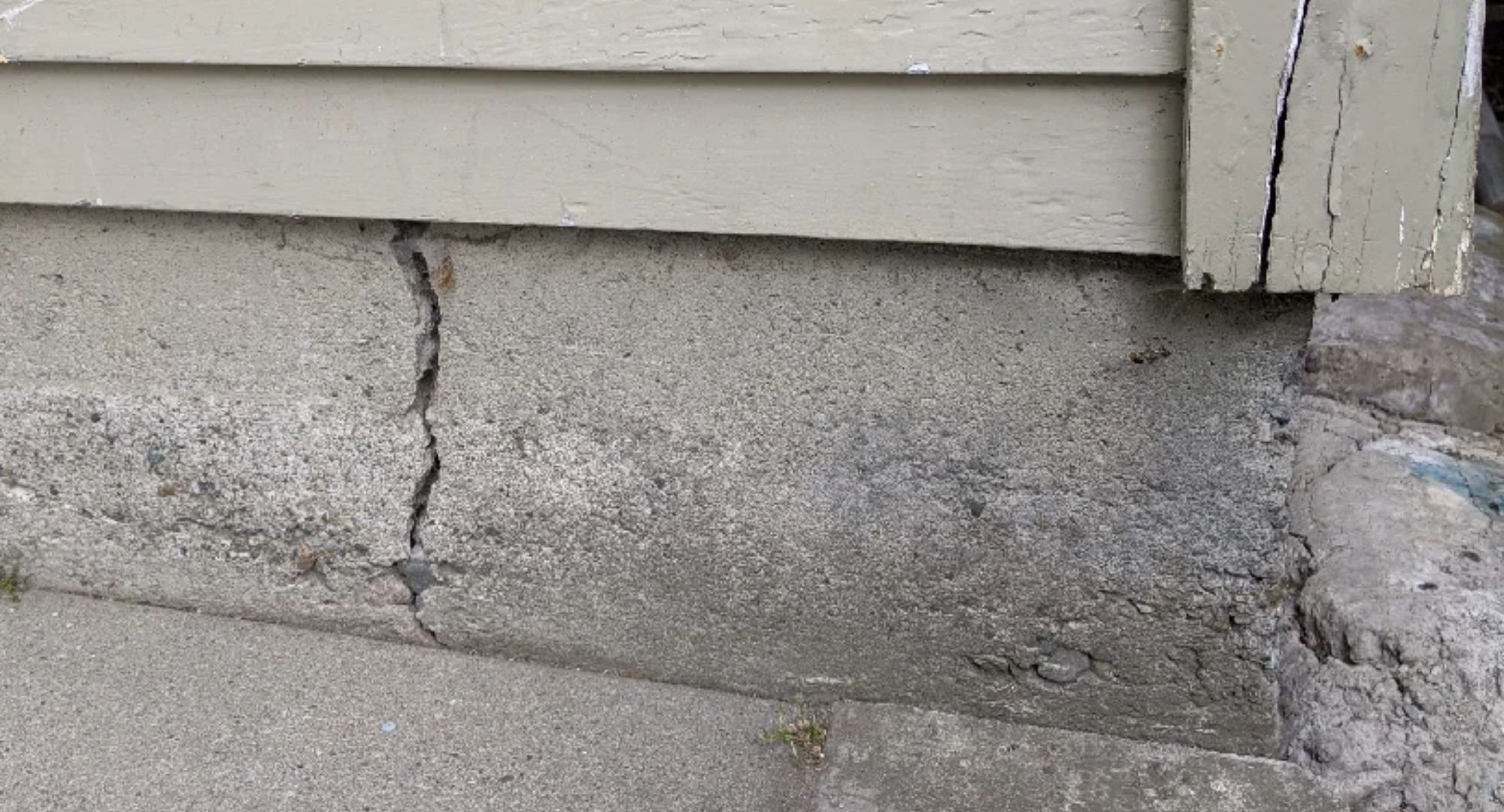
These are the most common cracks found in Sterling Heights basements. They often appear in poured concrete walls and are usually the result of concrete shrinkage during the initial curing process or minor settlement.
- The Fix: If the crack is narrow (less than 1/8 inch) and not leaking, it may only require monitoring. If water is seeping through, a high-pressure polyurethane injection is the standard 2026 industry solution to create a flexible, watertight seal.
Horizontal Cracks
A horizontal crack running along the middle of a wall is a major red flag. This almost always indicates that the wall is failing under hydrostatic pressure from the outside soil. In Sterling Heights, this is common in both poured concrete and concrete block (cinder block) foundations.
- The Fix: This requires structural reinforcement. Simply filling the crack will not stop the wall from eventually collapsing. Common solutions include carbon fiber reinforcement or steel I-beams.
Stair-Step Cracks
Common in masonry or block walls, these cracks follow the mortar joints in a zigzag pattern. They typically indicate differential settlement, where one part of the foundation is sinking faster than the rest. This often occurs near corners or under heavy load-bearing sections of the home.
- The Fix: These often require "underpinning," which involves installing piers deep into the earth to reach stable soil or bedrock.
Technical Methods for Fixing Foundation Cracks
The method chosen depends on whether the goal is to stop water, restore structural integrity, or lift a sinking house.
1. Epoxy and Polyurethane Injection
For non-structural, leaking cracks in poured concrete, injection is the most effective internal repair.
- Epoxy: This is used when structural bonding is required. It has a high compressive strength that, once cured, is often stronger than the concrete itself. It is best for dry cracks that need to be "welded" back together.
- Polyurethane: This is a hydrophobic foam that expands up to 20 times its liquid volume. It is ideal for active leaks because it reacts with water to form a flexible, pressurized seal that fills the entire void from the inside to the outside soil.
2. Carbon Fiber Reinforcement
In 2026, carbon fiber remains the gold standard for stabilizing bowing walls without the bulk of steel beams. These straps are bonded to the foundation wall using high-strength epoxy. Because carbon fiber does not stretch, it provides incredible tensile strength that prevents the wall from further inward movement.
- Advantage: The straps are low-profile (about the thickness of a penny) and can be painted over, making them nearly invisible in a finished basement.
3. Foundation Piering and Underpinning
When the soil beneath the footing can no longer support the weight of the house, the foundation must be moved to a deeper load-bearing stratum.
- Push Piers: These use the weight of the structure to drive steel pier sections into the ground until they hit competent soil or bedrock.
- Helical Piers: These are screwed into the ground using hydraulic machinery. They are particularly effective for lighter structures like porches or in areas where the soil is exceptionally sandy or unstable.
4. Exterior Waterproofing and Soil Management
Sometimes the best "fix" for a crack is addressing the environment outside. This involves excavating down to the footing, cleaning the wall, and applying a heavy-duty elastomeric membrane.
- French Drains: Installing or replacing a perimeter drain tile (French drain) ensures that hydrostatic pressure never builds up against the wall in the first place.
Comparison of Foundation Repair Methods (2026 Estimates)
| Method | Primary Purpose | Estimated Cost (Per Unit/Ft) | Durability |
|---|---|---|---|
| Polyurethane Injection | Waterproofing/Leaking | $450 – $800 per crack | 10–15 Years |
| Epoxy Injection | Structural Bonding | $600 – $1,200 per crack | Permanent (if stable) |
| Carbon Fiber Straps | Stabilizing Bowing Walls | $700 – $1,100 per strap | Lifetime |
| Steel I-Beams | Heavy Structural Support | $800 – $1,500 per beam | Lifetime |
| Helical/Push Piers | Sinking/Settlement | $2,500 – $4,500 per pier | Lifetime |
Note: Prices in Sterling Heights may vary based on basement depth and accessibility. Structural repairs usually require a building permit from the City of Sterling Heights Building Department.
DIY vs. Professional Repair in Michigan
While many home improvement stores sell DIY crack injection kits, caution is advised for Sterling Heights homeowners. DIY kits are typically low-pressure systems. They may fill the surface of the crack, but they often fail to penetrate through the entire thickness of an 8-inch or 10-inch foundation wall. If the crack is not filled completely, water will continue to sit inside the wall, leading to rebar corrosion and further cracking during the next freeze cycle.
Furthermore, if the crack is a symptom of a larger structural issue—such as a failing footing—patching it from the inside is like putting a bandage on a broken bone. A professional foundation engineer or a specialized contractor uses high-pressure equipment (up to 3,000 PSI) to ensure the material reaches the exterior soil line, creating a true barrier.
Preventive Measures for Macomb County Homeowners
Preventing foundation cracks is often a matter of managing the water around the perimeter of the home. In Sterling Heights, the following steps are vital:
- Gutter Maintenance: Ensure gutters are clear and downspouts discharge water at least 6 to 10 feet away from the foundation.
- Grading: The soil should slope away from the house at a rate of at least 6 inches of drop over the first 10 feet.
- Sump Pump Health: Given the high water table in parts of Macomb County, ensure your sump pump is tested annually and has a battery backup system.
- Vegetation: Avoid planting large trees with aggressive root systems (like silver maples or willows) within 15 feet of the foundation, as they can dehydrate the clay soil unevenly, causing localized settlement.
FAQs
Are foundation cracks common in Sterling Heights?
Yes. Due to the high clay content in the soil and the extreme temperature fluctuations in Southeast Michigan, most homes in Sterling Heights will experience some degree of foundation cracking within the first 20 years of construction. While many are minor shrinkage cracks, the soil conditions make structural shifting a frequent reality.
Will my homeowners insurance cover foundation crack repairs?
Typically, no. Most standard homeowners insurance policies exclude "earth movement" and "gradual settlement." If the crack was caused by a sudden event like a pipe burst, there might be coverage for the resulting water damage, but the structural repair of the concrete itself is usually considered a maintenance responsibility of the homeowner.
How do I know if a crack is "structural" or just "cosmetic"?
A cosmetic crack is usually vertical, hairline-thin, and doesn't change over time. A structural crack is typically wider than a 1/4 inch, runs horizontally, or is accompanied by other symptoms like sticking doors, windows that won't open, or sloping floors. If you can fit a nickel into the crack, it warrants a professional inspection.
Can I finish my basement if there are cracks in the foundation?
You should never cover a foundation crack with drywall or insulation until it has been professionally repaired and "waterproof-tested." In Sterling Heights, hidden leaks behind finished walls are a leading cause of toxic mold growth. Ensure any active or dormant cracks are injected and stabilized before proceeding with a basement remodel.
Does the City of Sterling Heights require a permit for foundation repair?
For minor cosmetic crack injections, a permit is generally not required. However, for any structural work—including the installation of piers, steel beams, or carbon fiber straps—the City of Sterling Heights Building Department requires a permit and a subsequent inspection to ensure the work meets the current Michigan Residential Code.
Final Recommendation
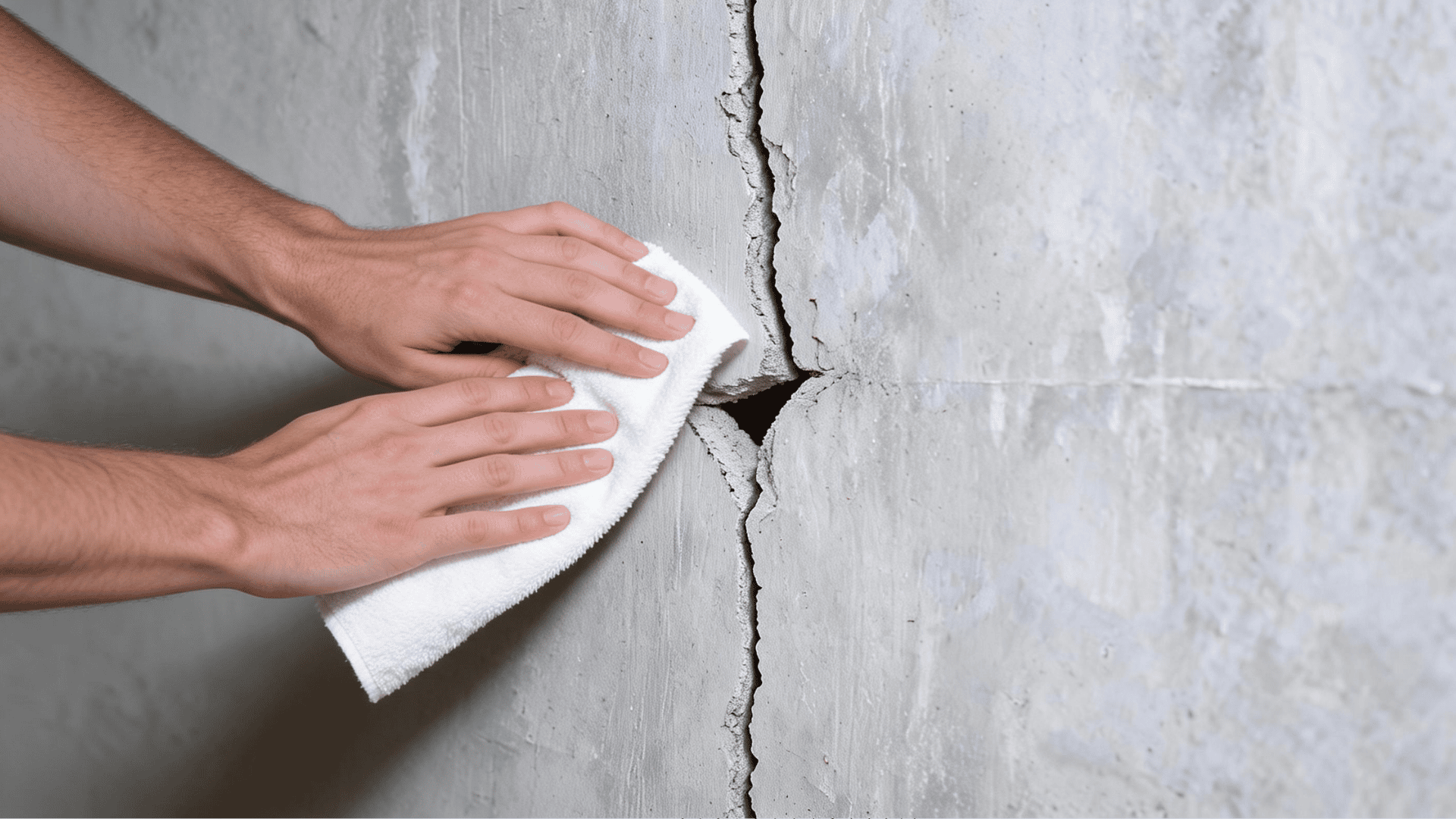
If you discover a crack in your Sterling Heights home, the first step should be to clean the area and mark the ends of the crack with a pencil. Monitor it for 30 days to see if it expands. If the crack is leaking, horizontal, or wider than 1/8 inch, consult with a local foundation specialist who understands Macomb County’s soil mechanics. Investing in a permanent solution like carbon fiber or high-pressure injection in 2026 will protect your home’s equity and prevent much costlier structural failures in the future.
Image Gallery