The Origin of the Philly Phanatic: The Complete History of Baseball’s Most Iconic Mascot
The Philly Phanatic was created in 1978 through a collaboration between Phillies executive Bill Giles and designers Bonnie Erickson and Wayde Harrison. Debuting on April 25, 1978, at Veterans Stadium, the mascot was a strategic effort...
The Philly Phanatic was created in 1978 through a collaboration between Phillies executive Bill Giles and designers Bonnie Erickson and Wayde Harrison. Debuting on April 25, 1978, at Veterans Stadium, the mascot was a strategic effort to modernize team branding and improve fan engagement using a whimsical, Muppet-inspired creature from the Galapagos Islands.
Contents
The Cultural Catalyst: Why the Phillies Needed a Change
To understand the origin of the Philly Phanatic, one must look at the landscape of Major League Baseball in the mid-1970s. The Philadelphia Phillies were a successful team on the field, winning the National League East division in 1976, 1977, and 1978. However, their home venue, Veterans Stadium, was often criticized for being a cold, sterile "concrete donut" that lacked the intimacy of older ballparks.
At the time, the Phillies’ mascots were Phil and Phyllis, a pair of costumed characters dressed in 18th-century colonial garb to reflect Philadelphia’s revolutionary history. While historically accurate, they were static and failed to engage the younger demographic or provide entertainment during the slow periods of a baseball game. Bill Giles, then the Phillies' Executive Vice President, recognized that the team needed something more dynamic.
The inspiration for a new kind of mascot came from an unlikely source: San Diego. The San Diego Chicken (KGB-FM Chicken) had become a national sensation, proving that a mascot could be a primary entertainment draw independent of the game itself. Giles realized that if the Phillies owned their own character—rather than hiring a third-party entertainer—they could control the branding, merchandising, and long-term legacy of the team’s "face."
The Design and the Muppet Connection
In 1977, Bill Giles reached out to Harrison/Erickson Inc., a New York-based design firm run by Wayde Harrison and Bonnie Erickson. This choice was pivotal. Bonnie Erickson was a former associate of Jim Henson and had been instrumental in creating some of the most iconic Muppets, including Miss Piggy, Statler, and Waldorf.
Giles’ instructions were relatively simple but challenging: he wanted a creature that was "big, green, and silly." He specifically requested that the character not be a recognizable animal, such as a bear or a dog, to ensure it remained a unique intellectual property that wouldn't feel dated.
The Anatomy of a Legend
Erickson’s design was a masterclass in puppet-inspired functionality. The Phanatic was designed with several key features that allowed for physical comedy:
- The Pear-Shaped Body: The bottom-heavy design provided a comical silhouette that emphasized the character’s clumsy yet energetic movements.
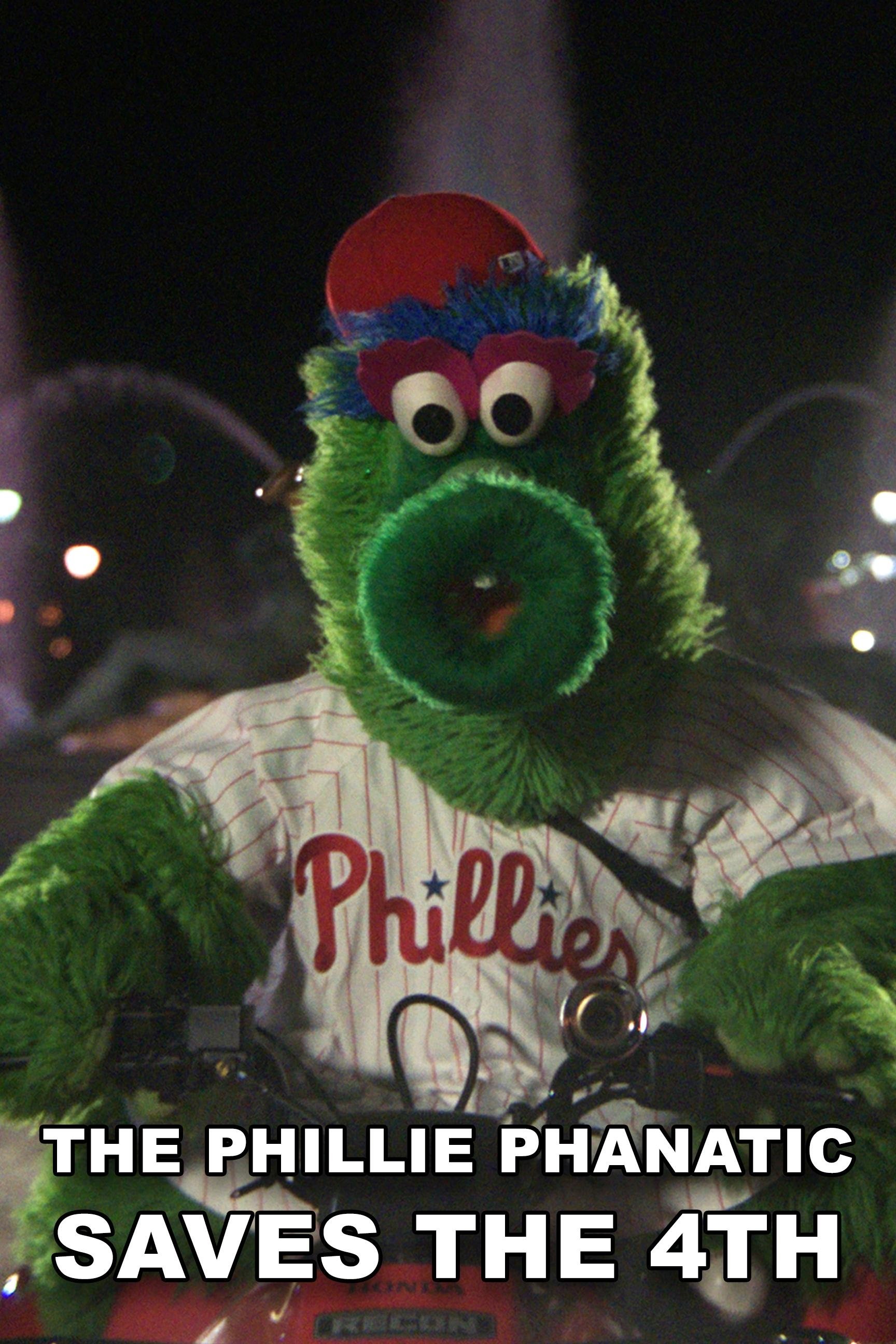
- The Megaphone Snout: The long, conical snout was inspired by a megaphone, symbolically representing the "loudest" fan in the stadium. It also housed a retractable tongue that could be flicked at fans and players.
- The "Galapagos" Origin: To justify the creature's strange appearance, the team invented a backstory. The Phanatic was a flightless bird from the Galapagos Islands, a location chosen for its association with unique and evolutionary oddities.
The Phillies paid Harrison/Erickson a total of $3,900 for the costume and a $1,600 design fee. In a decision that would lead to decades of legal maneuvering, Giles initially declined to buy the full copyright to the character for an additional $5,000, opting instead to license it. The team eventually corrected this in 1984, purchasing the rights for $250,000—a sum that seemed massive then but proved to be a bargain in the decades that followed.
The Debut and the David Raymond Era
The Philly Phanatic made its official debut on April 25, 1978, during a game against the Chicago Cubs. The man inside the suit was David Raymond, a former University of Delaware football player who was working as an intern in the Phillies’ front office.
Raymond’s performance was foundational to the character's success. Unlike previous mascots who simply waved or posed for photos, Raymond’s Phanatic was an agitator. He rode an ATV onto the field, performed "taunting" dances on top of dugouts, and famously used a "gravity-defying" routine to mock opposing players.
One of the most famous incidents in the mascot's early history occurred in 1988, when Los Angeles Dodgers manager Tommy Lasorda became so incensed by the Phanatic’s antics—which included a mannequin dressed in a Dodgers uniform being run over by the ATV—that he tackled the mascot on the field. This "real" friction between the character and the baseball establishment cemented the Phanatic as a legitimate part of the game’s atmosphere.
Comparison: The Evolution of Philadelphia’s Mascot Strategy
| Feature | Phil and Phyllis (Pre-1978) | The Philly Phanatic (1978–Present) |
|---|---|---|
| Concept | Historical/Colonial Figures | Mythical "Galapagos" Creature |
| Primary Interaction | Passive (Waving, Posing) | Active (Agitating, Dancing, ATV stunts) |
| Target Audience | General/Historical | Children and "Rowdy" Fans |
| Visual Design | Human-like masks and costumes | Vibrant green fur, oversized features |
| Legacy Status | Retired (Briefly reappeared for anniversaries) | National Baseball Hall of Fame recognized |
The Legal Evolution and the 2021 Redesign
As the 2026 season approaches, it is important to note the significant legal hurdles the Phanatic has overcome. Under the Copyright Act of 1976, creators have the right to terminate grants of licensing after 35 years. In 2018, Harrison and Erickson notified the Phillies of their intent to reclaim the rights to the Phanatic.
This led to a high-stakes legal battle and a temporary "redesign" of the mascot in 2020. To distinguish the "new" Phanatic from the original copyrighted design, the Phillies added:
- Flightless wings instead of plush arms.
- Star-shaped patterns around the eyes.
- Lighter blue socks and different footwear.
- A larger tail and pink scales.
The lawsuit was eventually settled in late 2021, allowing the Phillies to return to a version of the mascot that closely resembled the original 1978 design. This settlement ensured that as the mascot celebrates nearly 50 years of existence, its core identity remains intact for future generations of fans at Citizens Bank Park.
The Technical Specs of the Suit
The Phanatic costume is a sophisticated piece of performance equipment. As of 2026, the suit has undergone several material upgrades to assist the performer’s stamina and safety.
- Ventilation: Modern versions of the suit utilize internal fans powered by lithium-ion battery packs to circulate air, as on-field temperatures in Philadelphia can exceed 100°F (38°C) in the summer.
- Visibility: The performer sees out through the "neck" area of the creature, which is covered in a semi-transparent mesh camouflaged by the green fur.
- Weight Management: While the original suits were heavy and prone to absorbing sweat, contemporary materials are moisture-wicking and significantly lighter, allowing for the high-intensity acrobatics the role requires.
FAQ: Common Questions About the Phanatic's Origins
Who was the first person to play the Philly Phanatic?
David Raymond was the original performer, portraying the character from 1978 until 1993. His background in athletics and his willingness to improvise comedy set the standard for mascot performance globally. He later founded the Mascot Hall of Fame.
Is the Philly Phanatic a bird?
According to team lore, the Phanatic is a flightless bird from the Galapagos Islands. His physical features, such as the megaphone-shaped beak and the feathered appearance of his fur, support this "avian" backstory, though he is widely regarded as a "monster" or "creature."
Why is the Philly Phanatic green?
Bonnie Erickson chose the color green to provide maximum contrast against the red and white of the Phillies’ uniforms and the brown dirt of the infield. The specific shade of "electric green" ensures the character remains highly visible on television broadcasts.
How much did the original Phanatic costume cost?
The Philadelphia Phillies initially paid $3,900 for the production of the costume and $1,600 for the design work. In 1984, the team paid an additional $250,000 to secure the copyright, which was a subject of litigation decades later.
Has the Philly Phanatic ever been fired?
No, the Phanatic has never been "fired." However, there have only been two primary performers in its history: David Raymond (1978–1993) and Tom Burgoyne (1994–Present). Burgoyne originally started as a backup for Raymond before taking over the role full-time.
Practical Recommendations for Fans and Historians
For those interested in the historical preservation of sports culture, the origin of the Philly Phanatic serves as a primary case study in successful brand evolution.
- Visit the National Baseball Hall of Fame: The Phanatic is one of the few mascots with a dedicated presence in Cooperstown, New York. Examining the artifacts there provides a deeper look at his impact on the game. National Baseball Hall of Fame
- Study the Copyright Settlement: Legal professionals and students should review the case of Philadelphia Phillies v. Harrison/Erickson Inc. as it provides a landmark precedent for the termination of copyright transfers in corporate branding.
- Experience the Performance: To truly understand the "origin," one must see the character live. The Phanatic’s interactions are largely unscripted, maintaining the "anarchy" that Bill Giles originally envisioned in 1978.
As we look toward the 50th anniversary of the character in 2028, the Philly Phanatic remains the gold standard for sports mascots, proving that a "big, green, silly" idea can become an inseparable part of a city’s cultural fabric.
Image Gallery