Why Wallet Identity Verification Matters for Workers in 2026
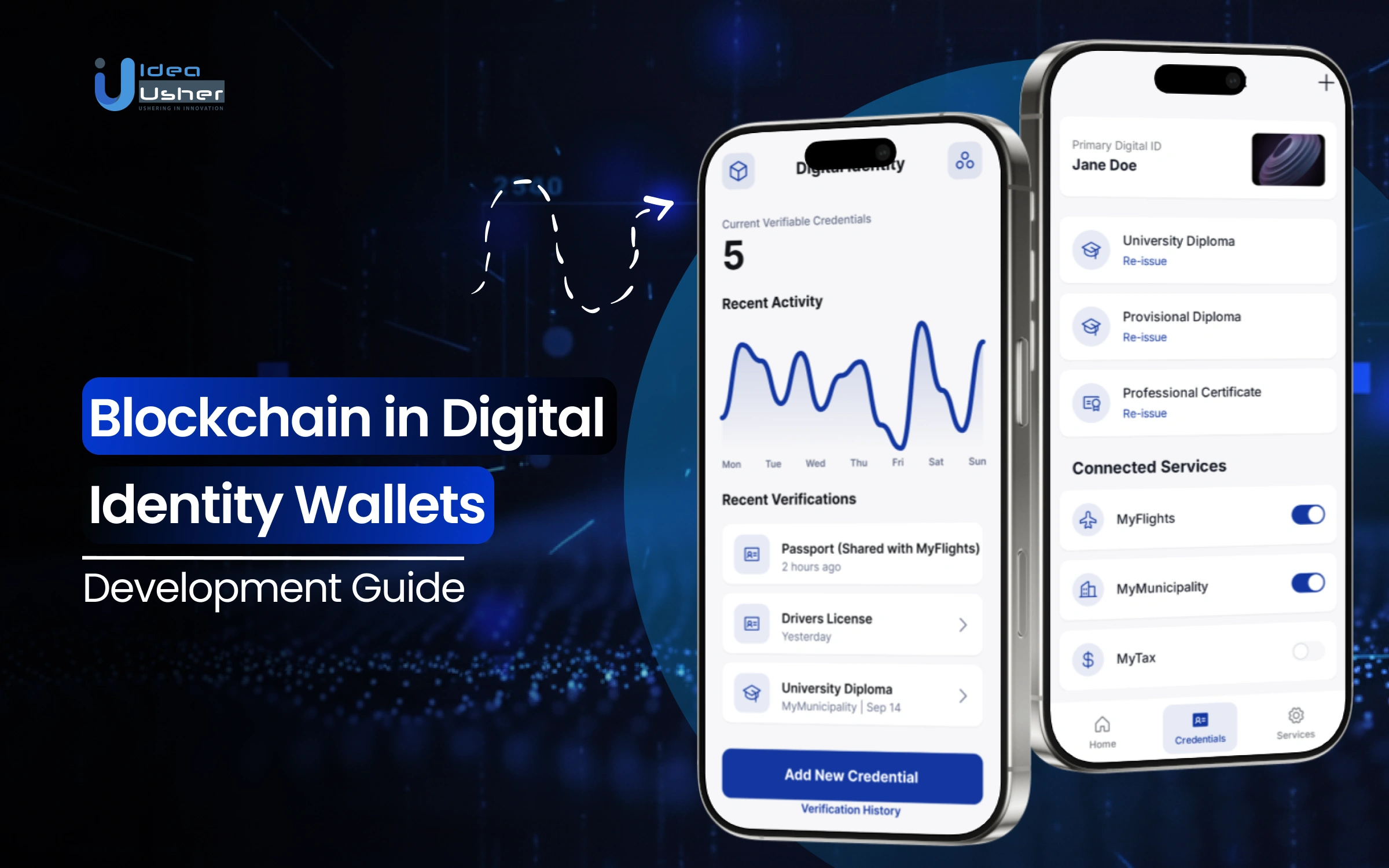
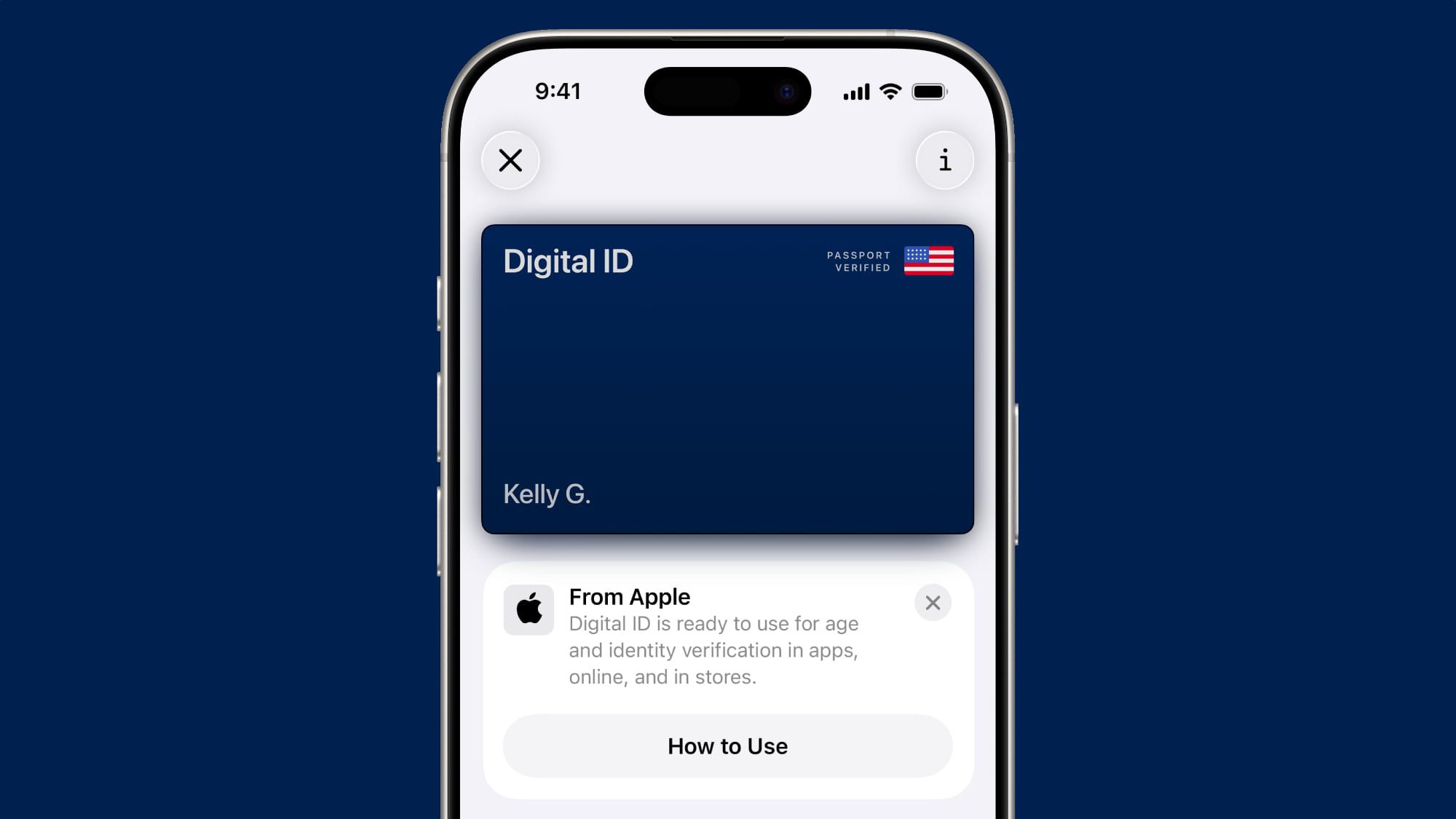
Wallet identity verification allows workers to securely store, manage, and share their professional credentials—such as degrees, licenses, and employment history—using decentralized digital wallets. By 2026, this technology has become...
Wallet identity verification allows workers to securely store, manage, and share their professional credentials—such as degrees, licenses, and employment history—using decentralized digital wallets. By 2026, this technology has become essential for streamlining onboarding, enhancing data privacy, and providing workers with portable, "self-sovereign" proof of their skills across the global labor market.
Contents
The Evolution of Digital Identity for the Modern Workforce
In 2026, the traditional methods of verifying a worker’s identity and qualifications—calling previous employers, mailing physical transcripts, or waiting weeks for background check agencies—have largely been superseded by digital identity wallets. This shift is driven by the rise of the "liquid workforce," where freelancers, remote contractors, and full-time employees move between projects with higher frequency than ever before.
Wallet-based identity verification relies on a framework known as Self-Sovereign Identity (SSI). Unlike centralized systems where a social media platform or a government agency owns your data, an identity wallet resides on a worker’s device. It uses blockchain or distributed ledger technology to anchor "Verifiable Credentials" (VCs). These are digital versions of documents that are cryptographically signed by the issuing authority, such as a university or a former employer.
The primary reason this matters for workers today is autonomy. In a landscape where data breaches are frequent and identity theft is a constant threat, the ability to prove who you are without surrendering a permanent copy of your passport or social security number to every HR department is a significant security upgrade.
How Wallet Identity Verification Works: The Technical Mechanism
To understand why this is a superior system, one must look at the "Trust Triangle" involving three distinct parties: the Issuer, the Holder (the worker), and the Verifier (the employer).
- The Issuer: An institution (like a nursing board or a tech certification body) creates a digital credential. They sign it with their unique digital signature and issue it directly to the worker’s wallet.
- The Holder: The worker stores this credential in their secure digital wallet. The wallet does not store the data on a public blockchain; instead, it stores the data locally or in encrypted personal clouds, while only the "proof" of the signature is anchored on the ledger.
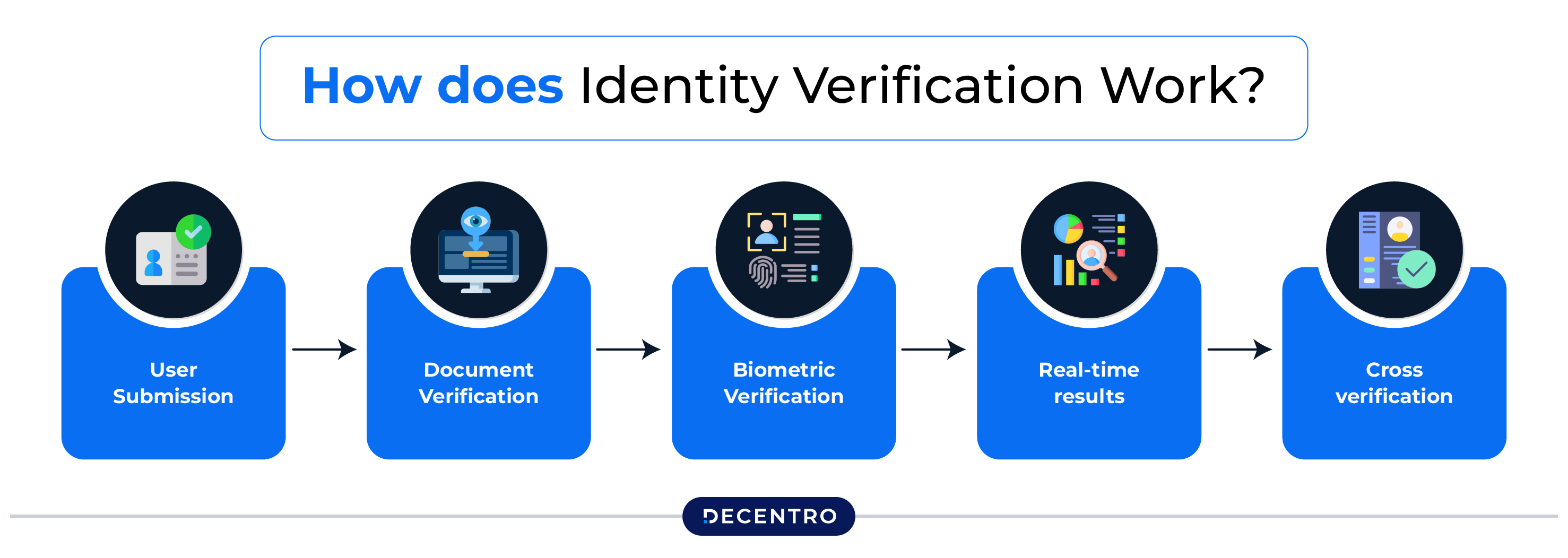
- The Verifier: When applying for a job, the worker presents a "Verifiable Presentation" from their wallet. The employer’s system checks the digital signature against the ledger to confirm it was issued by a legitimate source and has not been tampered with.
This process happens in seconds. For workers, this eliminates the "verification tax"—the time and money spent re-proving their identity and skills every time they start a new contract. In 2026, many industry-specific wallets, such as those used in healthcare or construction, ensure that safety certifications are always up to date and instantly verifiable on-site.
Why Workers Benefit from Portable Identity Wallets
The benefits of identity wallets for workers extend beyond simple convenience. They address fundamental issues of equity, privacy, and global mobility.
Instant Onboarding and "Time-to-Pay"
In previous years, the onboarding process for a new corporate role or gig platform could take anywhere from five to fifteen business days. This delay represented "lost wages" for the worker. With wallet identity verification, the KYC (Know Your Customer) and background screening are essentially "pre-completed." A worker can share a pre-verified bundle of identity and criminal record checks, allowing them to start work and, more importantly, enter the payroll system on day one.
Selective Disclosure and Privacy
One of the most powerful features of 2026 identity wallets is Zero-Knowledge Proofs (ZKPs). This allows a worker to prove a fact about themselves without revealing the underlying data. For example, a worker can prove they are over 21 years old without revealing their exact date of birth, or prove they have a valid work visa without sharing their entire immigration file. This minimizes the amount of sensitive Personal Identifiable Information (PII) stored in employer databases, which are often targets for hackers.
Global Portability of Skills
For remote workers in 2026, the ability to move across borders digitally is paramount. A developer in Brazil can present a verified credential from a recognized US-based bootcamp or a European university directly to a Japanese firm. Because these credentials follow W3C (World Wide Web Consortium) standards, they are interoperable. The worker's "professional reputation" travels with them in their wallet, rather than being locked within the silos of a single platform like LinkedIn or a specific payroll provider.
The Employer Perspective: Compliance and Risk Mitigation
Employers have embraced wallet identity verification because it significantly reduces their liability. Under modern data protection regulations, such as the evolved GDPR and various US state privacy laws, holding large amounts of worker data is a legal risk.
When a worker presents a verified credential, the employer doesn't necessarily need to store a scan of the worker's ID. They only need to store the "verification receipt," which proves they did their due diligence. Furthermore, the risk of "credential fraud"—where applicants lie about their degrees or past roles—is virtually eliminated. In a 2026 survey of HR leaders, over 80% reported that wallet-based verification reduced hiring fraud by nearly 95% compared to traditional resume-based hiring.
Comparative Analysis: Traditional vs. Wallet-Based Verification
The following table outlines the material differences between the legacy verification methods and the 2026 wallet-based standard.
| Feature | Traditional Verification (Legacy) | Wallet Identity Verification (2026) |
|---|---|---|
| Verification Speed | 3 to 14 Business Days | Near-Instant (Seconds) |
| Data Ownership | Controlled by Platforms/Agencies | Controlled by the Worker (Holder) |
| Cost per Hire | $50–$300 (Background Check Fees) | Low/Transactional (API or Network Fee) |
| Data Privacy | High Risk (Full PII shared) | Low Risk (Selective Disclosure/ZKP) |
| Fraud Resistance | Moderate (Susceptible to Forgery) | High (Cryptographic Signatures) |
| Interoperability | Low (Siloed in specific databases) | High (Cross-border/Cross-platform) |
| Credential Lifespan | Static (Hard to update/revoke) | Dynamic (Real-time status checks) |
Implementation Steps for Workers and Freelancers
Transitioning to a wallet-based identity system requires a few proactive steps. As of 2026, most professional associations provide these tools, but workers should be diligent about their setup.
- Select a Compliant Wallet: Choose a digital identity wallet that supports W3C Verifiable Credentials and decentralized identifiers (DIDs). Popular choices in 2026 include the European Digital Identity (EUDI) wallet or industry-specific options like the Velocity Career Wallet.
- Secure Your Seed Phrase: Because these wallets are often "non-custodial," if you lose your phone and your recovery phrase, you lose your credentials. Store your recovery keys in a secure, physical location or a hardware security module.
- Request Credentials from Issuers: Contact your university, previous employers, and certification bodies to request digital versions of your records. Most major institutions now have "Issue to Wallet" buttons on their student or HR portals.
- Audit Your Public Profile: Ensure your wallet data matches your public professional profiles. Discrepancies can trigger manual reviews by employer compliance teams.
- Practice Selective Disclosure: When applying for roles, only share the specific attributes requested by the employer. If a job requires "proof of residency," do not share your full utility bill if the wallet allows you to share just the verified address attribute.
Troubleshooting and Common Challenges
While the technology is robust, workers may encounter hurdles in the 2026 ecosystem.
- Credential Revocation: If an employer revokes a credential (for example, if a license expires), the wallet will show it as invalid. Workers must ensure they renew their certifications before the "expiry" attribute triggers a lockout from work platforms.
- Interoperability Gaps: Although standards exist, some older proprietary systems may not recognize every wallet. In these cases, workers might need to use a "bridge" service or a temporary custodial wallet provided by the employer.
- Lost Access: If a worker loses their biometric access or device without a backup, they must re-verify their identity with each issuer. This highlights the importance of the initial setup and backup protocols.
Note: The information provided regarding digital wallets and identity verification is for educational and operational guidance. It does not constitute legal or financial advice. Workers should consult with their local labor departments or legal counsel regarding specific jurisdictional requirements for identity disclosure.
FAQs
What happens if I lose my phone with my identity wallet on it?
In 2026, most decentralized wallets offer secure backup options, such as encrypted cloud backups or "social recovery" where trusted contacts can help you regain access. However, if you have a non-custodial wallet with no backup, you will have to contact each issuer (your school, former jobs) to have the credentials re-issued to a new wallet address.
Can an employer see everything in my wallet?
No. When an employer requests verification, they send a "Request for Disclosure." You must manually approve which specific items they can see. For example, they might ask for your degree and your right-to-work status, but they cannot see your health records or other unrelated certifications unless you explicitly grant them access.
Is wallet identity verification mandatory for all jobs in 2026?
While not universally mandated by law in every country, it has become the de facto standard for the gig economy, government contracting, and regulated industries like finance and healthcare. Many high-paying remote roles now require a verified wallet to ensure the person performing the work matches the person hired.
Does this technology use a lot of energy like Bitcoin?
No. Modern identity wallets and the underlying ledgers used for verification in 2026 typically use "Proof of Stake" or permissioned networks that require minimal energy. The process is as eco-friendly as sending a standard encrypted email.
Can I have more than one identity wallet?
Yes, you can maintain multiple wallets for different purposes (e.g., one for professional credentials and one for government IDs). However, many workers prefer a single "identity hub" that manages different "personas" to simplify their digital life.
Practical Recommendation
For workers looking to stay competitive in 2026, the best course of action is to digitize your professional history now. Begin by identifying which of your past institutions or employers support Verifiable Credentials. Download a reputable, standards-compliant wallet and begin collecting "Proof of Employment" for every project you complete. This proactive management of your digital identity not only secures your personal data but also positions you as a "ready-to-hire" candidate in an increasingly automated global economy.
Image Gallery