The Best Christian Songs for a Wedding Processional
Selecting the perfect music for a wedding processional is a deeply personal task, balancing theological significance with the formal pacing required for a walk down the aisle. The best Christian songs for a wedding processional combine...
Selecting the perfect music for a wedding processional is a deeply personal task, balancing theological significance with the formal pacing required for a walk down the aisle. The best Christian songs for a wedding processional combine reverent lyrics, graceful melodies, and a tempo that supports a measured, prayerful entry, ensuring the focus remains on the covenant being established before God.
Contents
Understanding the Role of Music in the Processional
The processional serves as the formal beginning of a wedding liturgy. In a Christian context, this moment is not merely an aesthetic walk; it is a movement toward the altar, symbolizing the transition from individual life to a unified covenant. When choosing music, the primary goal is to foster an atmosphere of worship and anticipation.
Unlike the recessional, which is often jubilant and upbeat, the processional requires a steady, grounded rhythm. Whether you choose instrumental arrangements or lyrical vocal pieces, the tempo should match a slow, rhythmic gait. This deliberate pace allows the wedding party and the bride to move with purpose, encouraging the congregation to reflect on the sacred nature of the commitment taking place.
Evaluating Lyrical Content vs. Instrumental Arrangements
One of the most common debates for couples planning a church wedding is whether to use vocal music or instrumental arrangements. Both choices have distinct advantages depending on the acoustics of your venue and the specific emotional tone you wish to set.
Vocal Pieces
Vocal songs provide explicit theological grounding. Lyrics that focus on God’s grace, the covenant of marriage, and the sacrificial nature of love reinforce the Christian foundation of the ceremony. If you choose a vocal piece, ensure the singer or ensemble is well-rehearsed and that the audio mix at your venue allows for the clarity of the words without overwhelming the room.
Instrumental Arrangements
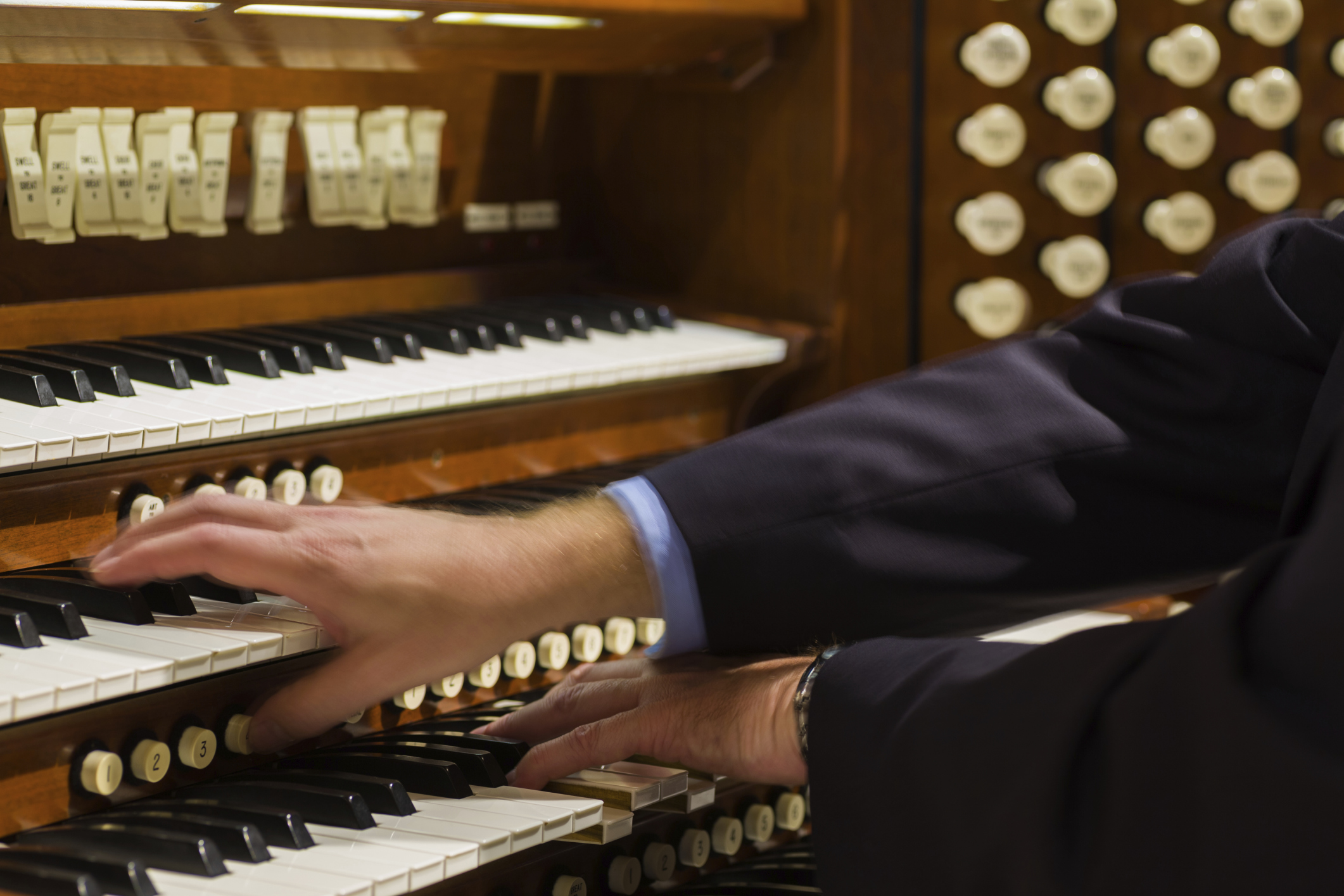
Instrumental versions of hymns or worship songs offer a more subtle, contemplative experience. Using a string quartet, a piano, or an organ allows the melody to speak without the distraction of lyrics, which can be helpful if the acoustics of your ceremony space are highly reverberant. Many classic hymns have timeless melodies that carry significant weight even without the original lyrics.
Categorizing Christian Wedding Music
To organize your selection process, it is helpful to divide songs by their thematic emphasis. This helps in matching the musical tone to the specific "vibe" of your ceremony.
Traditional Hymns
Hymns are inherently rooted in the history of the church and offer a sense of gravity and timelessness. They are ideal for traditional, liturgical, or cathedral-style weddings.
- "Be Thou My Vision": A powerful, ancient Irish hymn that emphasizes God as the priority in life and, by extension, the marriage.
- "Great Is Thy Faithfulness": Often used to acknowledge that the foundation of the couple's relationship is the enduring nature of God’s love.
- "Praise to the Lord, the Almighty": A joyous, regal choice that works well for larger, celebratory processions.
Modern Worship Ballads
Contemporary worship music focuses on relational intimacy with God, which can be beautifully translated to the relationship between husband and wife.
- "Goodness of God": Focuses on the faithfulness of God throughout the seasons of life, providing a strong spiritual anchor for a new marriage.
- "How Great Thou Art": While often a congregational song, instrumental versions capture the majesty and awe suitable for a processional.
- "In Christ Alone": A profound statement of faith that places the relationship under the authority and grace of Christ.
Instrumental Classics
If you prefer a non-lyrical approach that remains deeply spiritual in tone, look toward arrangements that highlight melody and harmony.
| Composition | Typical Instrumentation | Primary Mood |
|---|---|---|
| "Jesu, Joy of Man's Desiring" | Piano or Organ | Dignified and Graceful |
| "Canon in D" (Christian adaptation) | String Quartet | Elegant and Timeless |
| "The King of Love My Shepherd Is" | Solo Guitar or Harp | Serene and Devotional |
| "Holy, Holy, Holy" | Organ or Brass | Majestic and Reverent |
Practical Considerations for Execution
Before finalizing your list, there are several logistical and technical factors to verify.
Venue Guidelines
Some churches have strict policies regarding the type of music allowed. Always verify with your officiant or wedding coordinator if there are restrictions on secular versus sacred music, or if pre-recorded tracks are permitted. Many traditional churches require live music, which may impact your budget and vendor search.
Sound Checks and Acoustics
High-ceilinged sanctuaries often have significant echo. If you plan to use a pre-recorded track, ensure it is tested in the actual space at the same volume you intend to use on the wedding day. Avoid songs with heavy percussion or bass, as these frequencies can become muddy and distracting in a church with poor acoustics.
The Timing of the Walk
The processional is a fluid event. You need a song that can be looped or extended if the procession takes longer than expected, or faded gracefully if the party reaches the altar sooner. Working with your musician to create a "loopable" bridge in the music is a professional strategy to ensure you aren't left standing in silence or rushing the final steps.
Common Mistakes to Avoid
- Choosing a song that is too fast: A song that sounds beautiful in the car may be too upbeat for a solemn walk. Test the tempo by walking to the beat of the recording before finalizing your decision.
- Neglecting the "fade out": If using recorded music, make sure your sound technician knows exactly when to fade the music down so that it doesn't abruptly end while you are still walking.
- Ignoring the lyrics: Even if the music is instrumental, ensure the song choice doesn't have an underlying secular association that contradicts the intended atmosphere of a Christian ceremony.
Frequently Asked Questions
Does a Christian wedding processional have to be a hymn? No. While hymns are traditional, many couples choose contemporary worship songs or instrumental pieces. The priority is that the music reflects your values and maintains a prayerful atmosphere for the start of the ceremony.
Can I use pre-recorded music in a traditional church? This varies by institution. Many churches insist on live music to preserve the sanctity of the liturgical space. Check your ceremony contract or consult with the church music director before purchasing tracks or booking non-traditional sound equipment.
How long should the processional song be? The processional song typically needs to last between three and five minutes. This accounts for the entrance of the wedding party, the flower girl and ring bearer, and finally the bride. It is best to have a track that is easily extended.
Is it appropriate to have the lyrics printed in the program? Yes, if the song is vocal and carries significant theological weight, printing the lyrics or the title of the hymn in the wedding program can help the congregation feel included and recognize the intentionality behind your choice.
Final Recommendation
When selecting your processional music, prioritize the "voice" of the song—does it speak to the covenant you are entering? If you are having a formal wedding, "Be Thou My Vision" performed by a string quartet or organ offers a perfect blend of tradition and deep spiritual meaning. If you are having a more intimate gathering, a simple acoustic arrangement of a song like "Goodness of God" can set an atmosphere of warmth and genuine devotion. Regardless of the choice, practice walking to the music in your rehearsal to ensure the tempo creates the reverent, focused moment you envision for your ceremony.
Image Gallery