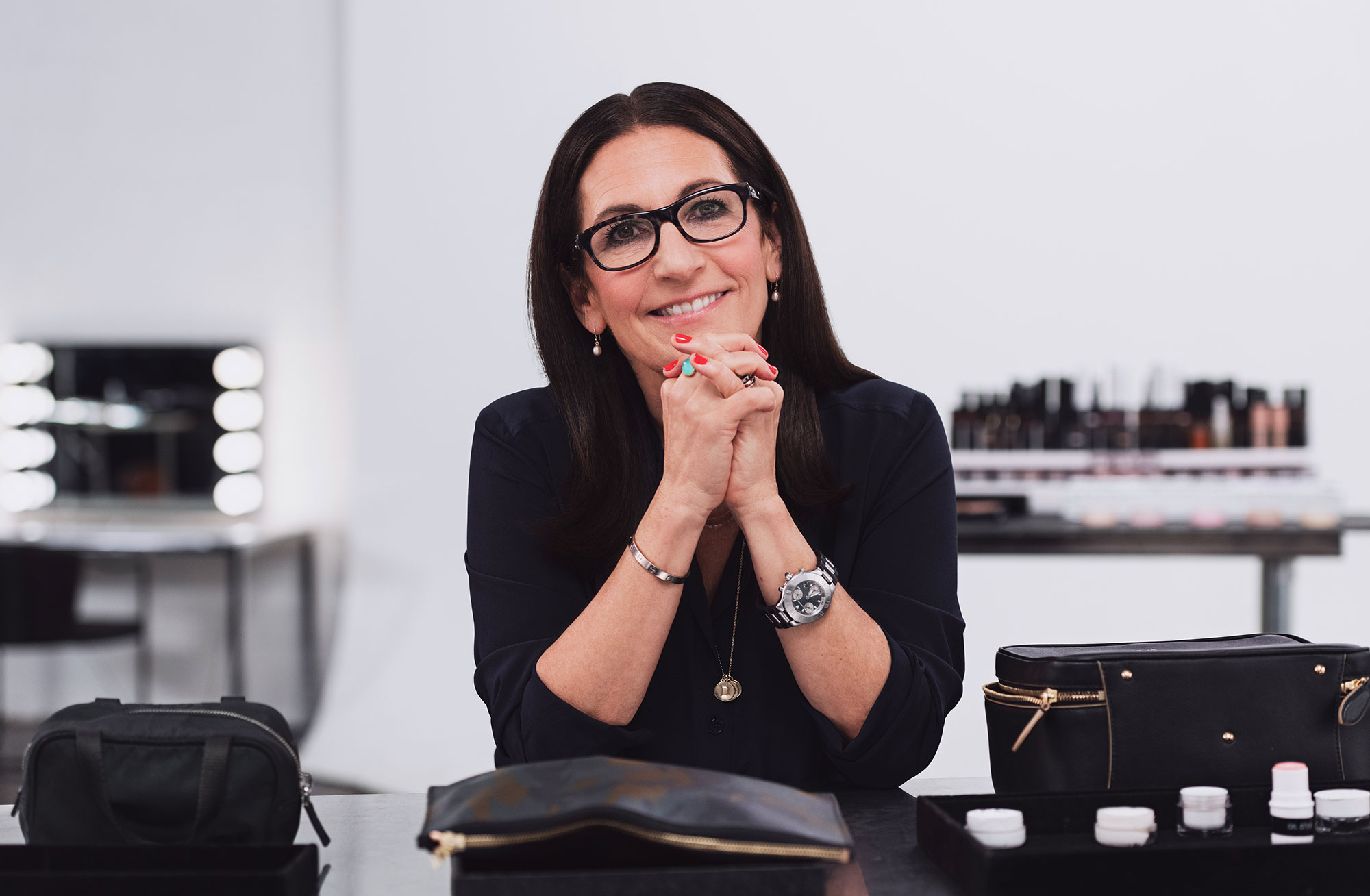
Bobbi Brown: The Visionary Legacy of a Beauty Industry Founder
Bobbi Brown founded Bobbi Brown Cosmetics in 1991, fundamentally altering the global beauty landscape by introducing the "natural look" in an era of heavy, theatrical makeup. After selling her namesake brand to Estée Lauder in 1995, sh...
Bobbi Brown founded Bobbi Brown Cosmetics in 1991, fundamentally altering the global beauty landscape by introducing the "natural look" in an era of heavy, theatrical makeup. After selling her namesake brand to Estée Lauder in 1995, she remained its creative lead until 2016. As of 2026, she continues to influence the industry through her newer venture, Jones Road Beauty, emphasizing clean, multi-purpose cosmetics.
Contents
The Genesis of Bobbi Brown Cosmetics: A 1991 Disruption
The inception of Bobbi Brown Cosmetics was not a corporate calculation but a professional's response to a market void. In the late 1980s, the prevailing makeup aesthetic was defined by vibrant, often garish colors—bright blues, fuchsias, and heavy contours that functioned more like a mask than an enhancement. Brown, then a freelance makeup artist in New York City, found herself constantly mixing products to create shades that actually resembled the natural tones of human skin.
In 1991, Brown collaborated with a chemist she met at a magazine photo shoot to create a line of lipsticks. The objective was simple but revolutionary: a lipstick that looked like lips, was not scented, and was not greasy. This resulted in the "Essentials" line—ten brown-based lipstick shades. Brown’s initial goal was modest; she hoped to sell 100 lipsticks in her first month. Instead, she sold 100 on the first day of her launch at Bergdorf Goodman.
This immediate success was a clear indicator of a massive, underserved demographic of women who wanted to look like themselves, only better. The brand's philosophy, "Be who you are," became the cornerstone of its identity. Unlike competitors who focused on transformative "glamour," Brown focused on "natural" beauty, a term that she effectively pioneered as a commercial category in prestige beauty.
Strategic Growth and the Estée Lauder Acquisition
By 1995, only four years after its founding, Bobbi Brown Cosmetics had caught the attention of Leonard Lauder. The acquisition of the brand by the Estée Lauder Companies (ELC) remains a landmark case study in the beauty industry. It represented one of the first times a major conglomerate acquired a "boutique" brand to diversify its portfolio without absorbing and erasing the founder's original vision.
The terms of the acquisition were unique for the time. While ELC provided the massive distribution network and supply chain infrastructure needed for global scaling, Bobbi Brown retained creative control. This arrangement allowed the brand to expand into skincare, foundations (notably the Skin Foundation Stick which became a cult favorite), and professional tools, all while maintaining the "Bobbi Brown aesthetic."
The partnership proved remarkably lucrative. Under ELC's umbrella, the brand expanded into over 60 countries and became a multi-billion dollar entity. For Brown, the transition from an independent entrepreneur to a corporate executive required a delicate balance. She served as the face of the brand, the lead product developer, and the primary educator, teaching women how to apply makeup in a way that felt approachable rather than intimidating.
The Philosophical Shift: Makeup as Empowerment
Brown’s role as a founder was defined by her rejection of traditional beauty standards. She was one of the first founders to publicly advocate against the "correction" of features. Where other brands sold products to hide "flaws," Brown sold products to highlight strengths. This pedagogical approach was integrated into the brand’s retail experience.
Bobbi Brown Cosmetics locations were designed to be "studios" rather than mere counters. The staff were trained as "Makeup Artists," not just sales associates. They provided "Face Charts"—personalized instructions that taught customers the specific steps to recreate a look at home. This focus on education built a fierce brand loyalty that was independent of fleeting fashion trends.
Technical innovations under her leadership included:
- Yellow-toned Foundations: Brown realized that most skin has yellow undertones, not pink. This discovery revolutionized foundation matching across the industry.
- The Gel Eyeliner: The Long-Wear Gel Eyeliner became an industry standard, combining the precision of a liquid with the ease of a pencil.
- Skin-Centric Formulations: Before "skincare-infused makeup" was a buzzword, Brown was incorporating hydrating ingredients into her base products to ensure they sat naturally on the skin.
The 2016 Departure and the Non-Compete Period
In December 2016, Bobbi Brown announced her departure from the company that bore her name. The move surprised the industry but was a calculated step for the founder. Having spent 25 years under the corporate structure of Estée Lauder, the creative constraints of a massive conglomerate began to clash with her desire for agility and innovation.
Upon her exit, Brown entered a four-year non-compete agreement, a standard legal requirement in high-level beauty acquisitions. During this period, she did not remain idle. She became a certified health coach through the Institute for Integrative Nutrition and launched "Evolution_18," a line of wellness supplements. This period was critical in shaping her "beauty from the inside out" philosophy, which would eventually define her next major venture.
The non-compete period served as a market reset. By the time it expired in October 2020, the beauty industry had shifted toward "Clean Beauty"—a movement that Brown had arguably been foreshadowing for three decades.
Jones Road Beauty: The 2026 Perspective
On the very day her non-compete expired in 2020, Brown launched Jones Road Beauty. By 2026, this venture has become a case study in "Founder 2.0" success. Jones Road represents a shift from the prestige department store model to a digital-first, direct-to-consumer (DTC) powerhouse.
Jones Road is built on the pillars of "clean" formulations—adhering to strict ingredient standards that exclude phthalates, sulfates, and parabens. However, unlike many clean brands that struggle with performance, Brown utilized her decades of professional experience to ensure the products met the demands of high-definition photography and long-wear usage.
Comparative Analysis: Bobbi Brown Cosmetics vs. Jones Road Beauty
The following table outlines the strategic differences between Brown’s original namesake brand and her current enterprise as of 2026.
| Feature | Bobbi Brown Cosmetics (Original) | Jones Road Beauty (Current) |
|---|---|---|
| Primary Philosophy | "Be who you are" (Natural enhancement) | "Clean, No-Makeup Makeup" (High performance) |
| Primary Distribution | Department Stores & Luxury Retail | Direct-to-Consumer (DTC) & Select Boutiques |
| Product Complexity | Comprehensive (20+ steps possible) | Edited (Minimalist, multi-purpose) |
| Key Demographic | Gen X, Boomers, Professional Women | Multi-generational (Heavy Gen Z/Millennial focus) |
| Ownership | Estée Lauder Companies | Independent (Founder-Led) |
| Innovation Focus | Color theory & traditional artistry | Clean chemistry & "hybrid" textures (e.g., Miracle Balm) |
Leadership Lessons for Modern Entrepreneurs
Bobbi Brown’s journey offers several specific technical and strategic lessons for founders in the 2026 market.
- Authenticity as a Moat: Brown never chased the "heavy contour" or "extreme highlight" trends that dominated the 2010s. By staying true to her natural aesthetic, she built a brand that remained relevant even as trends cycled out.
- The Power of Education: By teaching the customer how to use the product, the founder creates a relationship that transcends the transaction. This is particularly effective in the 2026 landscape where consumers are overwhelmed by choice.
- Adaptability to Distribution Shifts: Brown successfully transitioned from the department store era to the social media-driven DTC era. She famously embraced TikTok to explain her products, showing a willingness to engage with new platforms directly rather than through a corporate filter.
- Ownership of the Narrative: Even after losing the right to use her own name on new products (due to the ELC trademark), she used her personal brand and face to launch a successful competitor. This proves that in the modern economy, the founder’s personal credibility is often more valuable than the trademarked brand name.
Frequently Asked Questions
Does Bobbi Brown still own the brand Bobbi Brown Cosmetics?
No, Bobbi Brown does not own the brand. It was sold to the Estée Lauder Companies in 1995. While she remained the Creative Director for over 20 years, she currently has no financial or creative ties to the brand. As of 2026, the brand continues to operate as a subsidiary of Estée Lauder.
Why did Bobbi Brown start Jones Road Beauty?
Brown started Jones Road because she felt the beauty industry had become too cluttered and complicated. She wanted to create a "clean" line of products that were easy to use, multi-functional, and aligned with her evolving "beauty from within" philosophy. It was also a way for her to regain independent control over her creative process after decades in a corporate environment.
What was the "Miracle Balm" controversy?
In the early days of Jones Road, some influencers criticized the Miracle Balm for being too greasy or "not having enough pigment." Rather than ignoring the criticism, Brown used her TikTok platform to explain the product's intended use (a sheer, hydrating glow rather than a traditional foundation). This direct founder-to-consumer communication turned a potential PR crisis into a viral marketing success.
Is Jones Road Beauty considered "Clean Beauty"?
Yes, Jones Road adheres to a "clean" standard, which means it is formulated without a long list of potentially harmful or irritating ingredients used in traditional cosmetics. By 2026 standards, this includes compliance with both EU and US safety regulations regarding ingredient transparency and sourcing.
Can I still buy the original Bobbi Brown lipsticks?
Yes, many of the original ten shades—and the classic formulas developed during Brown's tenure—are still produced and sold by Bobbi Brown Cosmetics. While the brand has evolved, its "Core Essentials" remain a significant part of its global sales strategy.
Summary of Next Actions for Beauty Entrepreneurs
For those looking to emulate Bobbi Brown’s success as a founder, the focus should remain on problem-solving rather than trend-following. Identify a specific gap in the current market—whether it is an underserved skin tone, a missing texture, or a need for simplified routines—and build a consistent philosophy around it. In the 2026 economy, consumers prioritize transparency and founder-led stories. Maintaining a direct line of communication with your audience, as Brown has done through social media and educational content, is no longer optional; it is a prerequisite for long-term brand equity.
Image Gallery