The Gilded Age Gladys Wedding Revealed: Bertha’s Ultimate Social Sacrifice
In the 2026 landscape of The Gilded Age fandom, the revelation of Gladys Russell’s wedding marks the definitive climax of Bertha Russell’s social ascent. Marrying the Duke of Buckingham, Gladys fulfills the "Dollar Princess" trope, tra...
In the 2026 landscape of The Gilded Age fandom, the revelation of Gladys Russell’s wedding marks the definitive climax of Bertha Russell’s social ascent. Marrying the Duke of Buckingham, Gladys fulfills the "Dollar Princess" trope, trading the Russell family's industrial railroad wealth for an ancient British title, a move that mirrors the real-life 1895 Vanderbilt-Marlborough nuptials.
Contents
The Strategic Foundations of the Russell-Buckingham Union
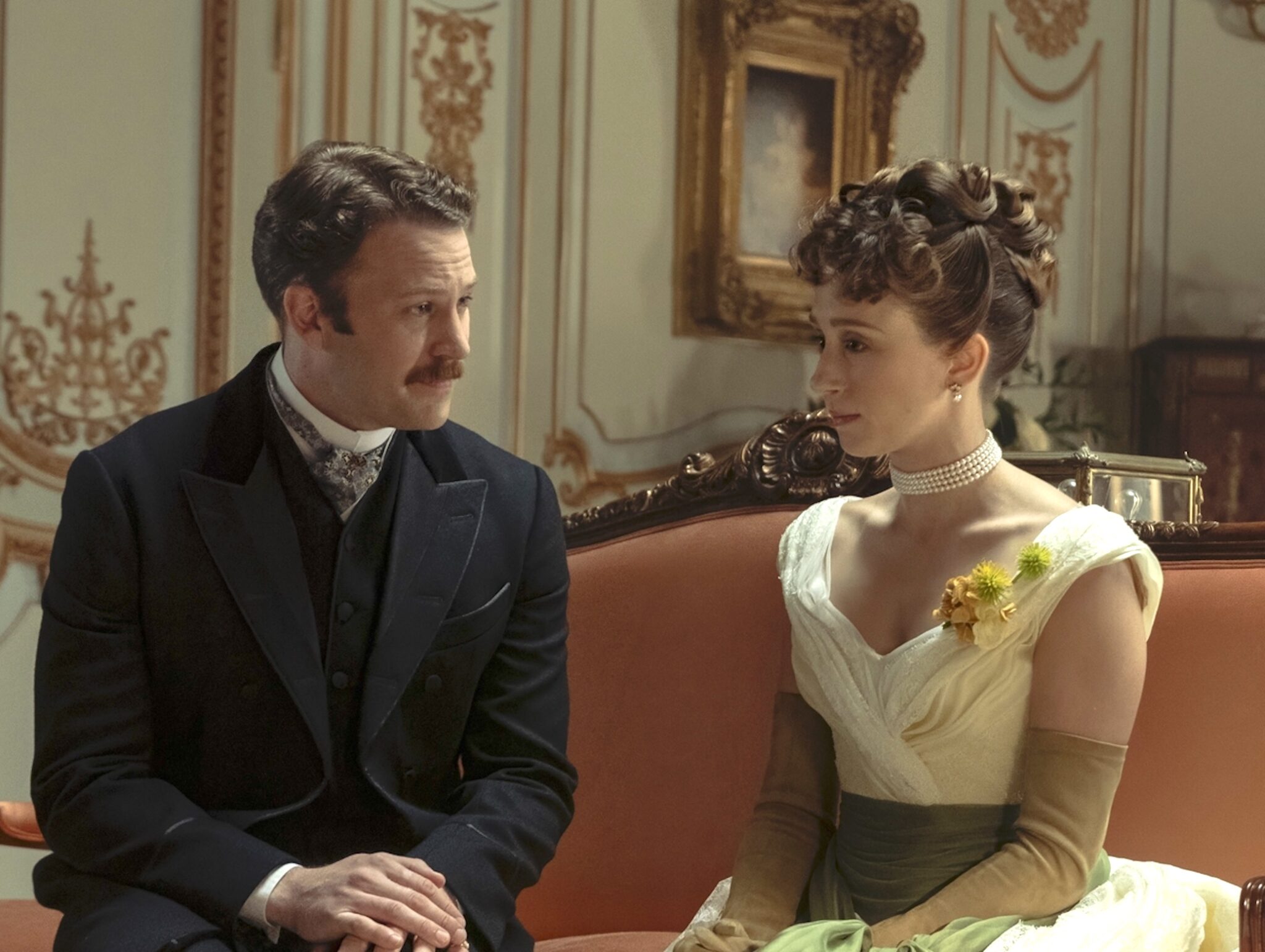
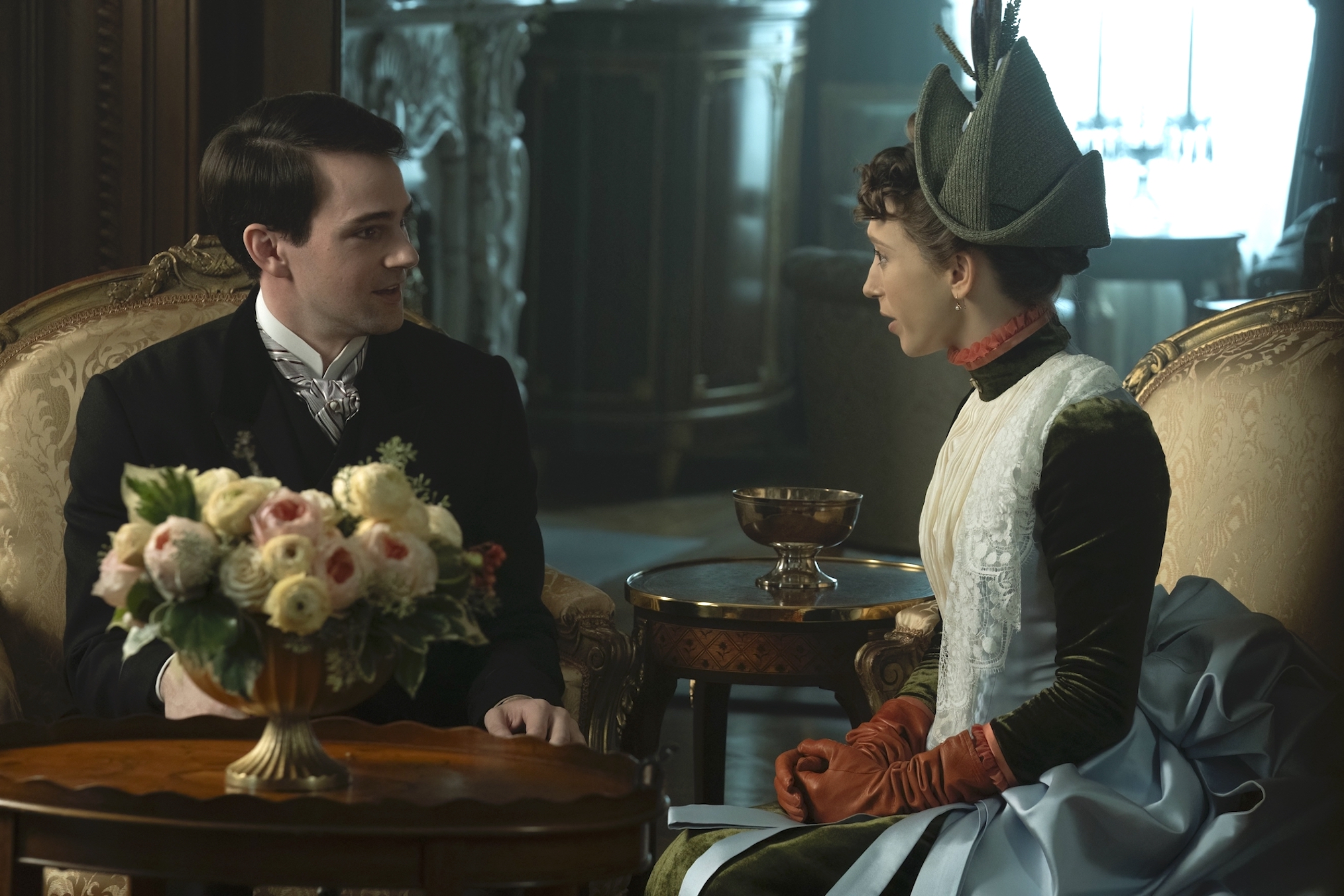
The road to Gladys Russell’s wedding was paved not with romance, but with the cold, hard currency of social ambition. As revealed in the pivotal narrative shifts of Season 2 and the early episodes of Season 3, the union was the result of a clandestine "deal" struck by Bertha Russell. During the battle of the opera houses—the Metropolitan versus the Academy of Music—Bertha secured the Duke of Buckingham’s presence at the Met’s opening night. While viewers initially saw this as a mere social coup, the "reveal" in the 2026 season cycle confirms that the price of the Duke’s attendance was Gladys’s hand in marriage.
The Duke of Buckingham, portrayed as an aristocrat with a crumbling estate and a desperate need for liquidity, represents the "Old World" prestige that New York’s "New Money" could not buy with cash alone. Bertha Russell, having been shunned by Mrs. Astor and the old-guard "Four Hundred," recognized that a ducal son-in-law would make the Russells untouchable. By the time the wedding preparations were revealed, it became clear that Gladys was the ultimate pawn in her mother’s long game for legitimacy.
This narrative arc highlights the brutal pragmatism of the era. Gladys, who began the series as a sheltered debutante longing for a simple love match, found herself at the center of a geopolitical and social transaction. The revelation of her wedding is not just a celebration of a ceremony, but the exposure of Bertha’s willingness to sacrifice her daughter’s personal happiness for the family’s permanent place in the social registry.
Historical Context: The Real "Dollar Princesses"
To understand the significance of the Gladys wedding reveal, one must examine the historical framework of the late 19th century. Julian Fellowes, the creator of The Gilded Age, has frequently drawn parallels between Gladys Russell and Consuelo Vanderbilt. Consuelo was forced by her mother, Alva Vanderbilt, to marry the 9th Duke of Marlborough in a ceremony that remains the blueprint for Gilded Age excess and misery.
The "Dollar Princess" phenomenon saw over 200 American heiresses marry into the British aristocracy between 1870 and 1910. These marriages were survival tactics for both parties:
- The Americans: Gained instant entry into the highest echelons of European society, bypassing the slow and often exclusionary hurdles of New York's Knickerbocker elite.
- The British: Received massive dowries (often in the millions of dollars) to repair ancestral homes, pay off gambling debts, and sustain estates that were suffering from the Great Agricultural Depression of the 1870s.
The Gladys-Buckingham wedding reveal serves as a meticulous recreation of this historical dynamic. The show’s attention to the specific legal and financial negotiations—known as "The Marriage Settlement"—reveals the technical depth of these unions. In these documents, the American father (George Russell) would typically guarantee a massive annual income to the Duke, ensuring the survival of the Dukedom while effectively purchasing his daughter’s title of Duchess.
Production Design and Aesthetic Revelations
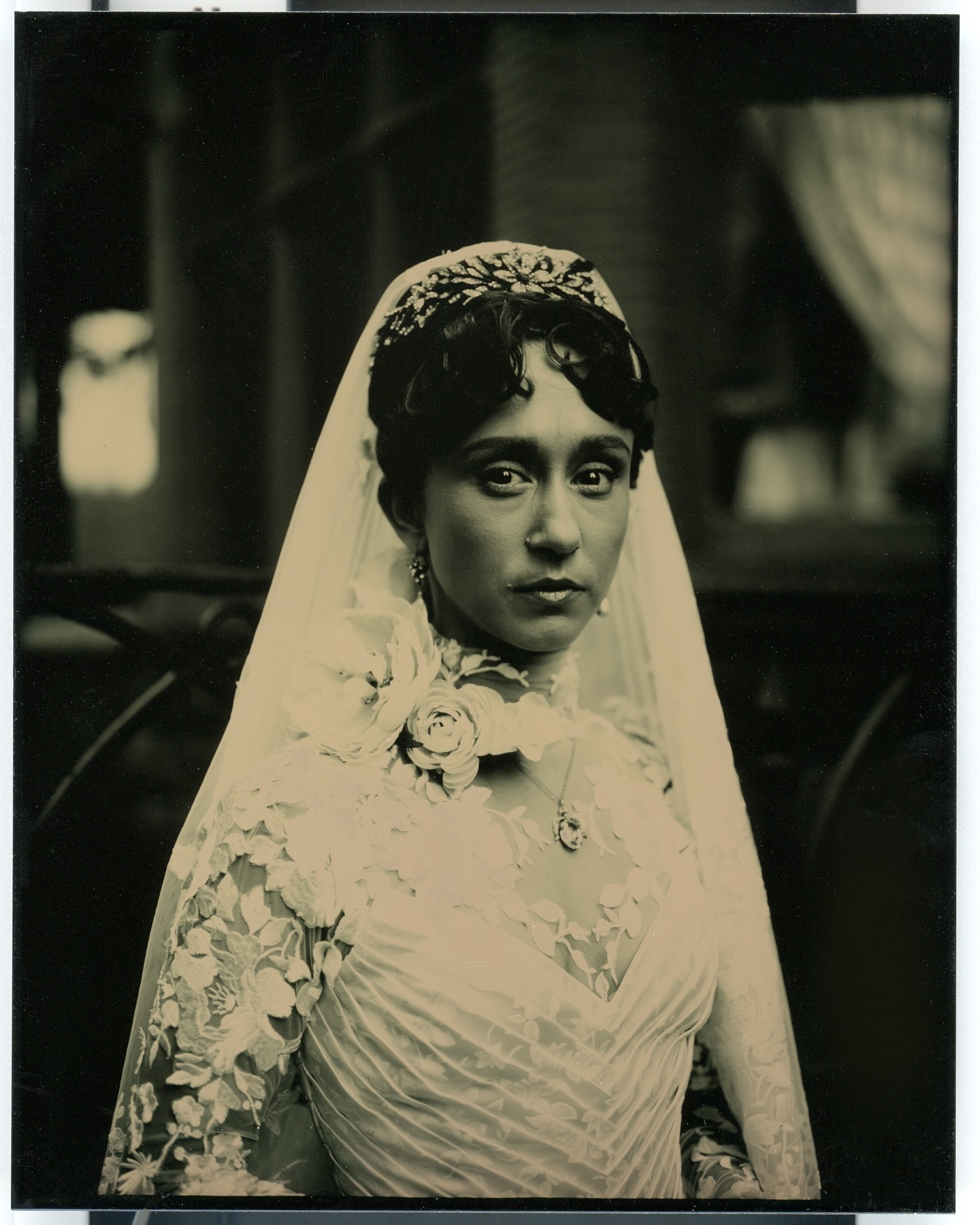
The visual revelation of Gladys’s wedding is a masterclass in costume and set design, utilizing the massive production budgets afforded to the series in 2026. The wedding gown itself is a focal point of the "reveal," designed to communicate both wealth and the weight of the crown Gladys is forced to wear.
The Gown and Symbolism
Designed by the show’s award-winning costume team, the dress is a replica of late-1890s haute couture, likely inspired by the House of Worth. It features a high neckline, long sleeves, and a massive train of Brussels lace. The use of real silk satin and intricate beadwork emphasizes the Russells’ limitless resources. However, viewers have noted the "armored" appearance of the bodice, a subtle costume-design choice that reflects Gladys’s lack of agency in the proceeding.
The Venue
While much of the show is filmed in the mansions of Newport, Rhode Island, the wedding reveal moves the action to a grand New York cathedral, mimicking the scale of St. Thomas Church or Grace Church. The floral arrangements—consisting of thousands of imported white lilies and orchids—were a hallmark of Gilded Age weddings, meant to signal that the host could afford to display and then discard thousands of dollars in perishable goods in a single afternoon.
| Element | Specification | Historical Influence |
|---|---|---|
| The Dowry | Estimated $2.5 Million (1890s USD) | Consuelo Vanderbilt’s $2.5M in railroad stock |
| The Title | Duchess of Buckingham | Duchess of Marlborough |
| Wedding Gown | Ivory Silk Satin / Brussels Lace | House of Worth (Paris) |
| Floral Decor | 10,000+ White Lilies | The "Floral Triumphs" of the 400 |
| Primary Conflict | Maternal Ambition vs. Daughter's Choice | Alva Vanderbilt’s coercion of Consuelo |
Character Implications and Family Dynamics
The reveal of the wedding creates a seismic shift in the Russell household, particularly between George and Bertha. Throughout the series, George Russell has been depicted as a ruthless robber baron who is nonetheless a devoted father. The wedding revelation brings his character to a crossroads: does he support the social advancement his wife has engineered, or does he protect the daughter he claims to love?
George Russell’s Internal Conflict
In the 2026 story cycle, we see George grappling with the "contract" Bertha made. For the first time, the "Robber Baron" is forced to treat his own child as a commodity. The tension between his love for Gladys and his desire to see his wife succeed creates the primary emotional stakes of the wedding arc. His ultimate acquiescence to the marriage signals the total victory of Bertha’s ambition over the family’s domestic peace.
Gladys’s Transformation
Gladys’s character arc culminates in the wedding reveal. No longer the girl sneaking out to attend parties, she becomes a woman who understands the price of her name. Her "revelation" is one of disillusionment; she accepts the Duke not out of love, but out of a realized obligation to her family’s legacy. This transition from "stifled debutante" to "Duchess of Buckingham" marks her as a tragic figure, echoing the real-life sentiment of many Dollar Princesses who found their new lives in drafty British castles to be cold and lonely.
Impact on the Astor-McAllister Hierarchy
The revelation of the wedding is the final nail in the coffin for the old-guard dominance led by Mrs. Astor. By marrying her daughter to a Duke, Bertha Russell has effectively "leapfrogged" the American social ladder. In the rigid hierarchy of the 19th century, a Duchess outranks any American socialite, regardless of how long their family has been in New York.
The "reveal" shows Mrs. Astor and Ward McAllister forced to attend the wedding, signifying their total surrender. They can no longer exclude the Russells from their circle because the Russells have created a circle that is globally superior. This shift represents the end of the "Old New York" era and the beginning of the "International Society" phase, where American money began to dominate the global stage.
Troubleshooting the Drama: Plot Twists and Obstacles
While the wedding "reveal" seems like a straightforward ascent, the narrative includes several hurdles that nearly derailed the union. These subplots provide the necessary friction to keep the 2026 season engaging:
- The Secret Suitor: Earlier rumors suggested Gladys might elope with a younger, less "suitable" man (such as Oscar van Rhijn or a new character introduced in Season 3). The reveal confirms that Bertha successfully neutralized these threats through financial buyouts or social threats.
- The Duke's Reputation: Revelations about the Duke’s past or his true motivations (purely financial) provide moments of doubt for Gladys.
- The Public Scandal: In a world where the press (like the New York Sun) was beginning to obsess over the rich, any slip in decorum during the engagement threatened the validity of the match.
Frequently Asked Questions
Who does Gladys Russell marry in The Gilded Age?
Gladys Russell marries the Duke of Buckingham. This marriage is revealed as the result of a strategic bargain made by her mother, Bertha Russell, to secure the family's social standing. The union is a classic "Dollar Princess" marriage where American wealth is exchanged for a British title.
Is the Gladys Russell wedding based on a true story?
Yes, it is heavily based on the 1895 marriage of Consuelo Vanderbilt to the Duke of Marlborough. Like Gladys, Consuelo was a wealthy railroad heiress whose mother, Alva Vanderbilt, forced her into a prestigious but loveless marriage to an English aristocrat to cement the family's social status.
What was "the deal" Bertha made regarding Gladys?
Bertha Russell made a secret agreement with the Duke of Buckingham: in exchange for his presence at the opening of the Metropolitan Opera—which she used to defeat the old-guard Academy of Music—she promised him access to her daughter’s hand and, by extension, the massive Russell fortune.
How does George Russell feel about Gladys’s wedding?
George Russell is initially conflicted. While he typically supports Bertha’s social maneuvers, he possesses a genuine affection for Gladys and is wary of her being used as a pawn. However, his desire for Bertha’s happiness and his own competitive nature eventually lead him to approve the union.
Where was the wedding filmed?
The wedding scenes were filmed using a combination of authentic Gilded Age mansions in Newport, Rhode Island, and grand historical churches in New York. The production utilized high-end costume design to replicate the specific fashion of the late 19th-century elite.
Final Recommendation for Viewers
As you navigate the 2026 season of The Gilded Age, pay close attention to the background details during the wedding ceremony. The show runners have included numerous historical "Easter eggs"—from the specific lace patterns that denote certain European regions to the presence of specific historical figures in the pews. For those interested in the socio-economic history of the period, the "Gladys wedding reveal" is not just a plot point; it is a meticulously researched dramatization of the moment American wealth officially conquered European prestige.
Image Gallery