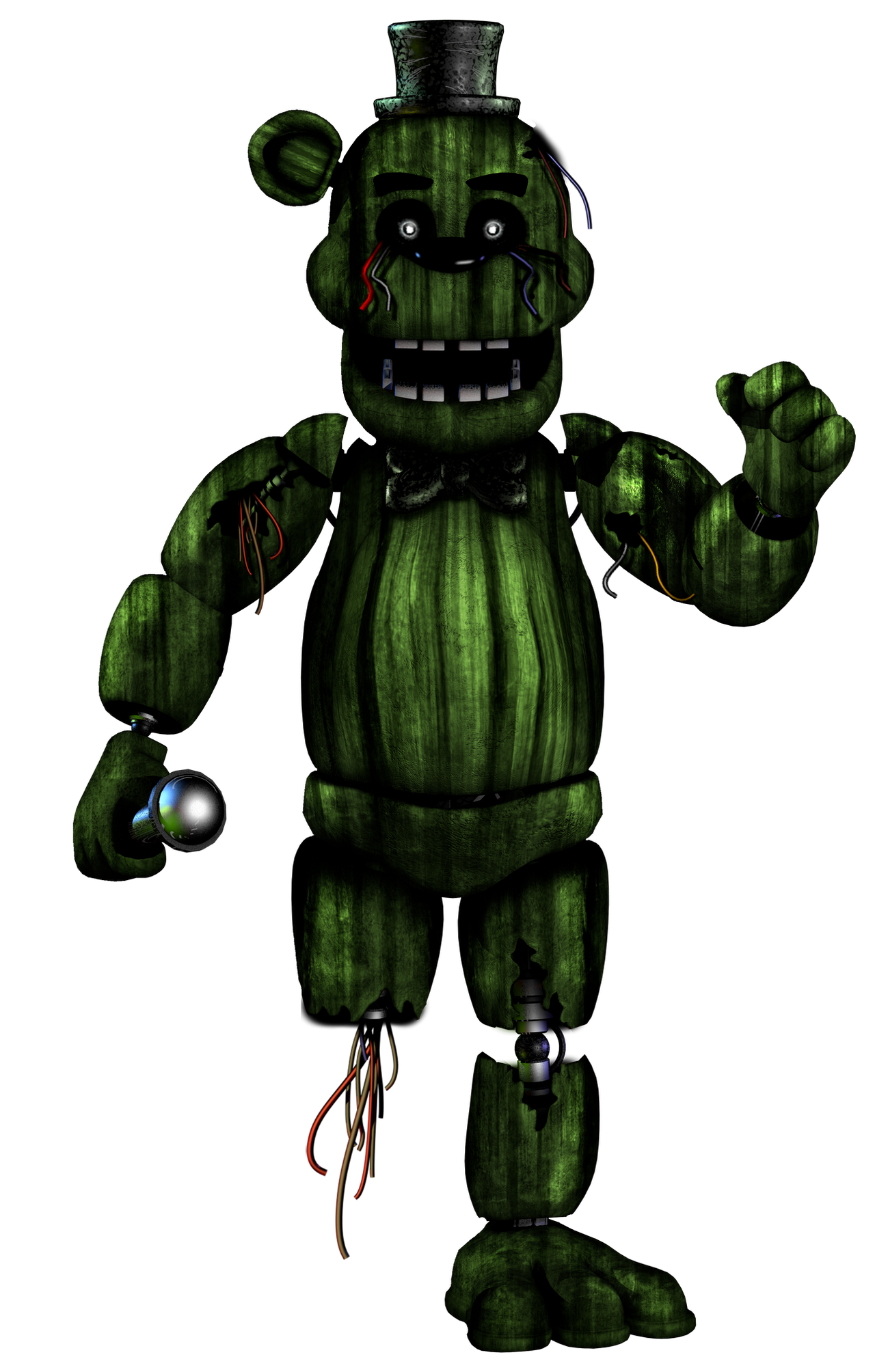
Mastering Survival: How to Avoid Phantom Freddy in Five Nights at Freddy’s 3
To avoid Phantom Freddy in Five Nights at Freddy’s 3, you must remain observant of your surroundings while managing the maintenance panel. When you spot him walking past your office window in the hallway, immediately pull up your camer...
To avoid Phantom Freddy in Five Nights at Freddy’s 3, you must remain observant of your surroundings while managing the maintenance panel. When you spot him walking past your office window in the hallway, immediately pull up your cameras or the maintenance panel to force him to reset his position, preventing him from initiating his jumpscare and disabling your ventilation system.
Contents
Understanding the Mechanics of Phantoms
In Five Nights at Freddy’s 3, the horror experience shifts significantly from previous entries in the franchise. Rather than dealing with physical animatronics that can kill you directly, you are haunted by "Phantoms"—hallucinations born from the deteriorating mental state of the night guard and the toxic environment of Fazbear’s Fright. Phantom Freddy, specifically, is a scorched, limbless variant of the original Freddy Fazbear.
Unlike the physical threats posed by Springtrap, Phantoms serve as environmental obstacles. Their primary goal is not to end your night through a traditional game-over screen, but to cause catastrophic technical failures. When a Phantom successfully triggers a jumpscare, it damages your ventilation, audio, or camera systems. These failures leave you vulnerable to Springtrap, the only entity capable of ending your run.
The Behavioral Pattern of Phantom Freddy
Phantom Freddy acts as an "ambush" obstacle. Unlike Phantom BB or Phantom Mangle, which appear on cameras, Phantom Freddy is unique because he stalks the hallway directly in front of your office. He moves with a slow, mechanical gait, leaning forward as he passes your field of vision from left to right.
He does not appear at a specific time; rather, his appearance is tied to the game’s internal random event generator. If you are focused entirely on the monitor or the maintenance panel for an extended period, you increase the likelihood of him manifesting. His arrival is silent, meaning you cannot rely on audio cues to detect him. You must visually scan the hallway window periodically to ensure he is not approaching.
Step-by-Step Strategy to Avoid the Jumpscare
Avoiding Phantom Freddy requires disciplined multitasking. Follow these steps to ensure he does not successfully disable your systems:
- Monitor the Hallway: Every time you finish checking a camera or adjusting the maintenance panel, briefly glance at the hallway window before resuming your tasks.
- Detection: If you see him walking across the window, do not panic. Do not attempt to stare him down or interact with him; he cannot be blocked by clicking on him.
- The Diversion: The moment you see his silhouette, immediately open your Maintenance Panel or your Camera system. By switching your screen away from the office view, you interrupt the "trigger" requirement for his jumpscare.
- Reset: Keep the menu open for approximately two to three seconds. When you close the menu, he will have completed his pathing and will have despawned, resetting his aggression timer.
Technical Consequences of Failure
If you fail to avoid Phantom Freddy, his jumpscare will trigger instantly. This attack is unavoidable once he has successfully "reached" the end of his pathing while you are looking at the hallway.
The immediate result is a screen-obscuring flash of his face, followed by the system error chime. Specifically, Phantom Freddy is notorious for causing an immediate Ventilation Error. In the later nights of the game (Nights 4, 5, and the Nightmare mode), these errors are critical. A failed ventilation system causes your vision to blur and makes you susceptible to hallucinations, eventually leading to a complete blackout or allowing Springtrap to navigate the facility undetected. If your ventilation is already damaged when he attacks, the situation compounds, requiring a rapid system reboot.
Comparison of Phantom Obstacles
Phantom Freddy is just one of several entities you must manage. Understanding how his evasion compares to others is vital for late-night survival.
| Phantom | Detection Method | Evasion Strategy | Consequence |
|---|---|---|---|
| Phantom Freddy | Hallway Window | Look away/Open menu | Ventilation Failure |
| Phantom BB | Camera view | Quickly switch cameras | Ventilation Failure |
| Phantom Mangle | Camera view | Quickly switch cameras | Audio/Noise Error |
| Phantom Puppet | Camera view | Quickly switch cameras | Vision Distortion |
Prerequisites for Efficient Defense
Effective defense in Five Nights at Freddy’s 3 relies on managing your resources. Before you can worry about Phantom Freddy, you must be proficient in:
- The Maintenance Panel: You must be able to navigate to this screen instantly. Muscle memory is key. Practice opening it by pressing the designated key (or clicking the button) and identifying which system is currently failing.
- Audio Luring: Since you must keep your eyes on the cameras to lure Springtrap, you are naturally prone to Phantom encounters. The secret is to keep the camera view brief. Do not leave the monitor up for more than a few seconds at a time.
- System Reboots: When a Phantom forces a failure, you must perform a "Reboot All" or a single-system reboot immediately. Managing Phantom Freddy is useless if you are already sitting in a state of system failure, as this increases the frequency of all Phantom appearances.
Common Mistakes to Avoid
Many players fall into the trap of over-monitoring the hallway. While it is necessary to check for Phantom Freddy, spending too much time staring at the window wastes valuable seconds that should be spent luring Springtrap toward Camera 01 or 02.
Another common error is thinking that you can "stare" him away. In some FNAF titles, looking away from an animatronic prevents an attack; in others, looking at them stops them. With Phantom Freddy, the action of opening the menu is the only universal "reset" button. If you see him, do not hesitate—switch to the maintenance panel immediately.
Frequently Asked Questions
Can I stop Phantom Freddy if he is already inside the room? No. Once he has finished his walk across the hallway, he enters your office. At that point, the jump event is scripted. You must open the menu while he is still in the process of walking past the window to prevent him from entering.
Does he appear on every night? Phantom Freddy typically begins appearing on Night 2 or 3, with his frequency increasing as the nights progress toward the end of the week. By Night 5, he is a common occurrence that requires constant, rhythmic vigilance.
Does he move faster on higher difficulty settings? Yes. As the game difficulty increases, the window of time you have to react to his appearance shrinks significantly. If you are playing on the "Aggressive" or "Nightmare" settings, his movement across the window is much faster, necessitating faster reaction times.
Is there any way to tell he is coming before I see him? Unlike some other entities in the series, there is no audio cue for his arrival. Your only warning is the visual feed of the hallway. Relying on your peripheral vision while using the maintenance panel is the best way to catch him early.
Why does my game crash or go dark after he attacks? His attack induces a Ventilation Error. If your ventilation is already compromised, the error stacks, causing your visual field to go pitch black. This is designed to simulate the protagonist’s oxygen deprivation and sensory overload.
Next Steps for Optimal Survival
To master the defense against Phantom Freddy, practice your transition speed between the main office and the maintenance panel. Start a standard game session and focus purely on your response time. Do not worry about luring Springtrap for the first few minutes; instead, focus on reacting to the hallway window. Once you can consistently switch to the menu within half a second of spotting his silhouette, incorporate the camera-luring mechanics. Success in Five Nights at Freddy’s 3 is less about reacting to threats and more about creating a rhythm that prevents threats from ever manifesting in the first place.
Image Gallery